Beech Caladenia
Caladenia nothofageti
A Forest-Floor Orchid
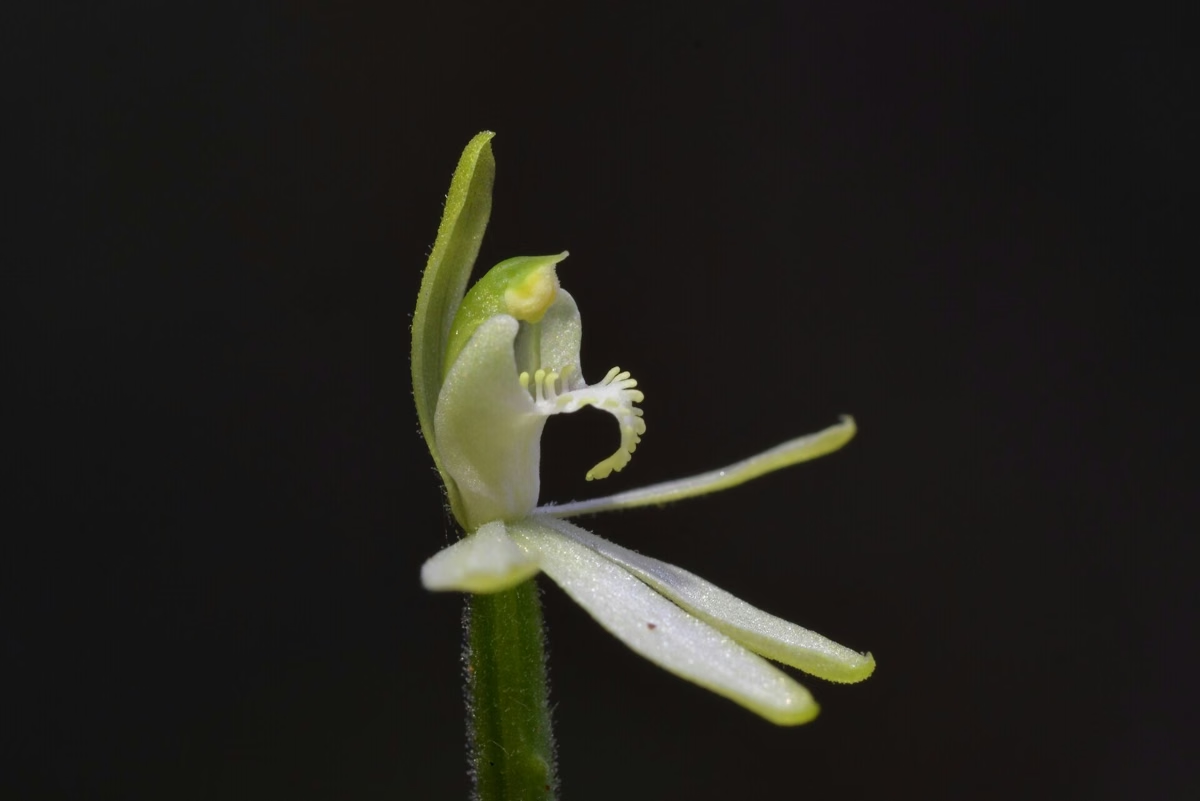
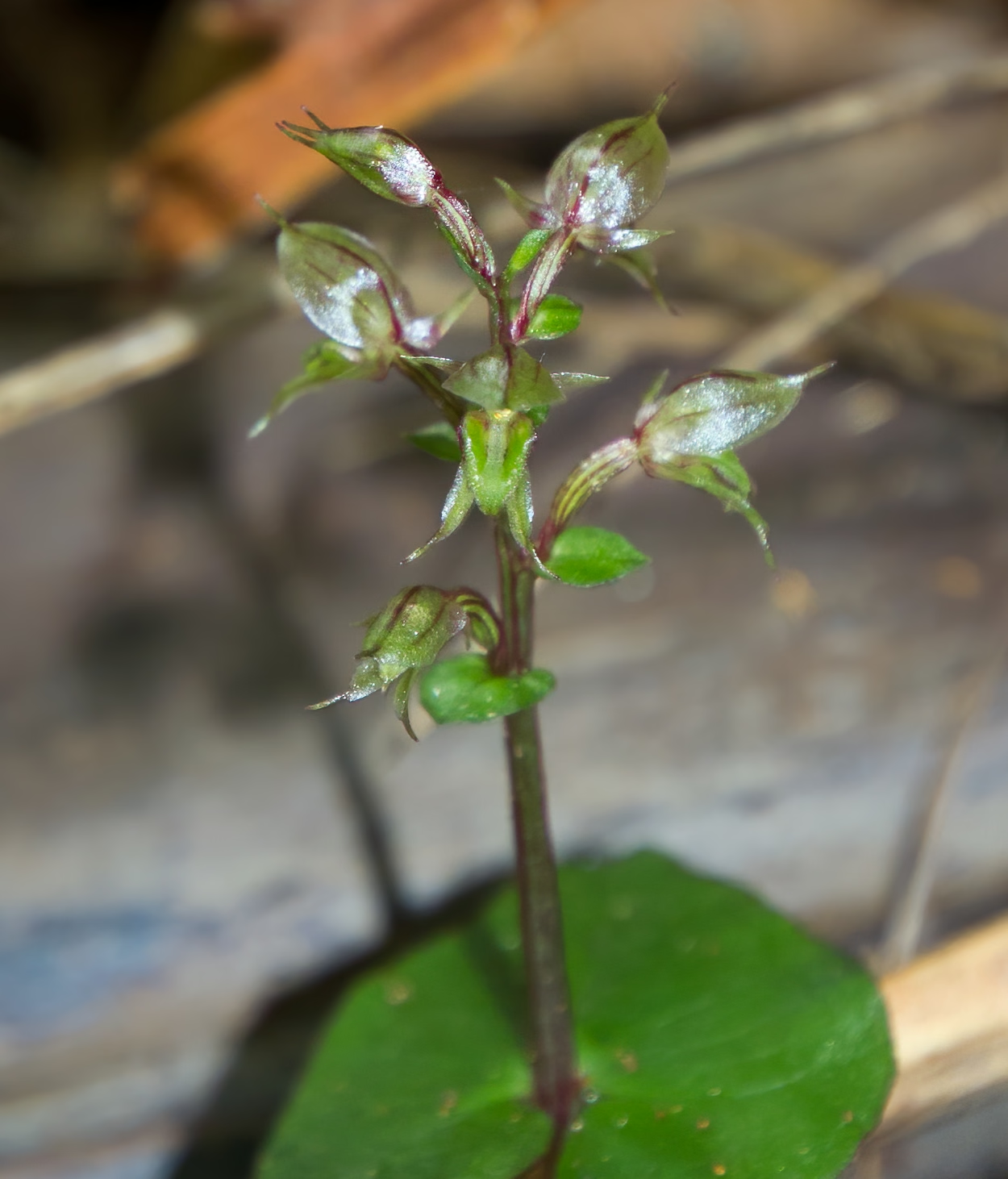
Caladenia nothofageti is a small terrestrial orchid endemic to Aotearoa New Zealand. It is associated particularly with well-lit places in beech forest and usually bears one greenish-white flower. This tuberous orchid has one narrow, semi-erect leaf, usually 40-180 mm long and 1-3 mm wide.
Identification
This tuberous orchid has one narrow, semi-erect leaf, usually 40-180 mm long and 1-3 mm wide. Its slender flowering stem is approximately 50-100 mm tall and bears glandular hairs.
The flower is usually solitary and unscented, approximately 14-16 mm across. It is greenish white outside and white inside, with a white lip that rarely has faint pink bars. The lip bears pale cream to yellow structures called calli.
Quick facts
| Scientific Name | Caladenia nothofageti |
|---|---|
| Family | Orchidaceae |
| Flowering stem | 50-100 mm tall |
| Flowering period | November to January |
| Fruiting period | January to April |
| National status | Not Threatened (2023) |
| Height | Flowering stems 5-10 cm tall; the single leaf may reach 18 cm |
| Water Needs | A cultivation watering requirement is not given in the species profile |
| Light | Well-lit beech-forest sites in the wild; cultivation requirements untested |
| Spread | Solitary plants; a mature clump width is not given |
| Frost Tolerance | Minimum tolerated temperature is not documented |
| Salt Tolerance | Salt tolerance is not documented |
| Growth Rate | Annual extension is not quantified in the cited accounts |
| Lifespan | Tuberous terrestrial herb |
Natural range
Beech caladenia is recorded from lowland to montane sites, reaching about 1,000 metres above sea level. Its North Island distribution begins around Lake Taupō and extends south; it also occurs in the South Island.
| City | Climate Suitability |
|---|---|
| Auckland | Not assessed |
| Wellington | Not assessed |
| Christchurch | Not assessed |
Habitat and distribution
NZPCN describes the orchid as virtually confined to beech forest, where it favours well-lit places with relatively little taller vegetation. It is often found on banks or beside tracks, and sometimes near the margins of seepages.
Growing requirements
Its recorded habitat consists of open, well-lit microsites in beech forest rather than a conventional garden bed. NZPCN describes propagation as difficult and advises against removing this orchid from the wild.
Planting and establishment
NZPCN reports that beech caladenia is difficult to propagate and should remain in the wild. The available species profile does not provide a reliable planting method, so its forest observations should not be treated as a proven cultivation recipe.
Ecology
Beech caladenia is a terrestrial, tuberous orchid growing in beech forest. Its narrow leaf and usually single flower arise from a small plant that can be overlooked among taller vegetation; it favours comparatively open sites.
Observing beech caladenia
Track-side banks and well-lit beech forest are recorded habitats for this small orchid. Its usual flowering period is November to January; observe established plants in place, as NZPCN advises against taking them from the wild.
Habitat protection
Because NZPCN describes propagation as difficult and advises leaving wild plants in place, this orchid is better appreciated in its natural beech-forest setting than collected for a landscaping project. Its habitats include banks and track margins.
Seasonal observations
Flowers are recorded from November to January, followed by fruits from January to April. These are published flowering and fruiting periods rather than a guarantee that every plant will flower or fruit in each season.
Pruning
NZPCN does not give pruning instructions for beech caladenia. This is a small terrestrial orchid with a single narrow leaf and a slender flowering stem, rather than a shrub requiring routine shaping or trimming.
How to Grow Beech Caladenia (Caladenia nothofageti)
Tubers and propagation evidence
Beech caladenia is described by NZ Plant Conservation Network as difficult to propagate. The account advises against removing plants from the wild and gives no seed-treatment or tuber-division protocol. Its small underground tuber is part of the plant's structure, rather than evidence that a familiar garden-bulb propagation method has been tested for this species.
Understanding the forest setting
Records place this orchid almost entirely in beech forest, from low elevations to approximately 1,000 m. It favours relatively well-lit patches with little taller vegetation. Banks beside tracks are characteristic sites, and some records come from seepage margins. These observations help recognise a suitable existing habitat, although the account does not translate them into potting ingredients or watering intervals.
Following identified plants
A flowering stem is usually only 5-10 cm tall. The narrow, semi-erect leaf measures about 4-18 cm long and 1-3 mm wide, so its length can exceed that of the flower stem. The flower is generally solitary and lacks a scent. Its outer surfaces are greenish white and its interior is white; the lip usually lacks strong coloured markings.
Recording seasonal development
Published flowering records extend from November to January, with fruit from January to April. An erect capsule reaches approximately 10.2-12 mm long and can have purple stripes. Photograph the leaf, flower and later capsule on an established plant to document development. Identification also matters: the account notes close similarity to Caladenia minor and differing botanical opinions about their separation.
Pests and diseases
The NZPCN species profile does not list a species-specific pest or disease diagnosis for beech caladenia. Its naturally glandular-hairy leaf and flower stem are identification features and should not themselves be assumed to indicate a pest.
Names and classification
NZPCN calls this plant beech caladenia and lists Petalochilus nothofageti as an alternative scientific name. The profile does not supply a Māori name; no name is inferred here from other orchids.
Distinguishing similar orchids
The usually solitary, white or greenish-white flower distinguishes this orchid from the closely related Caladenia chlorostyla. NZPCN also notes its close similarity to C. minor, which some botanists regard as encompassing this colour form.
Other native orchids
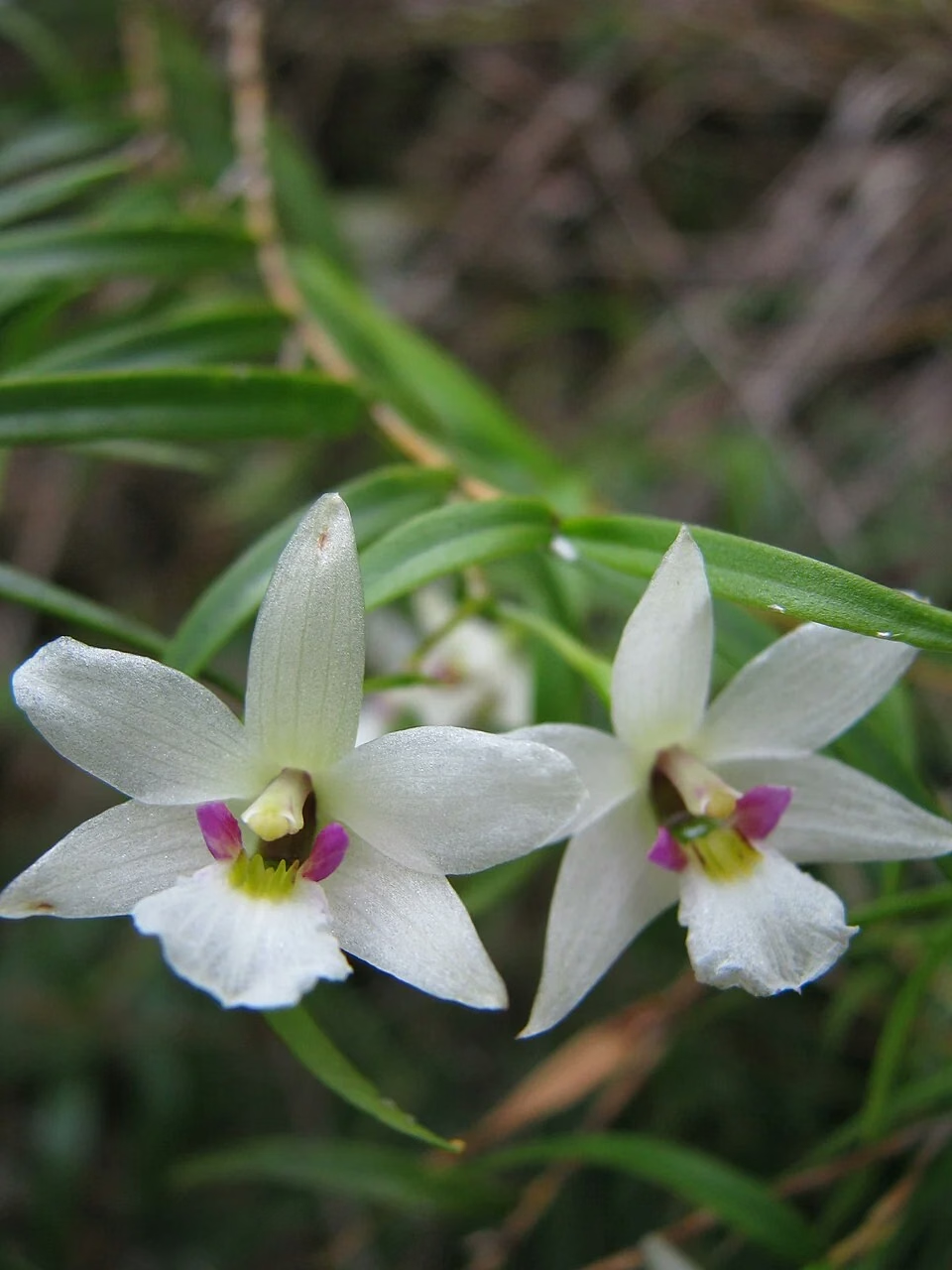
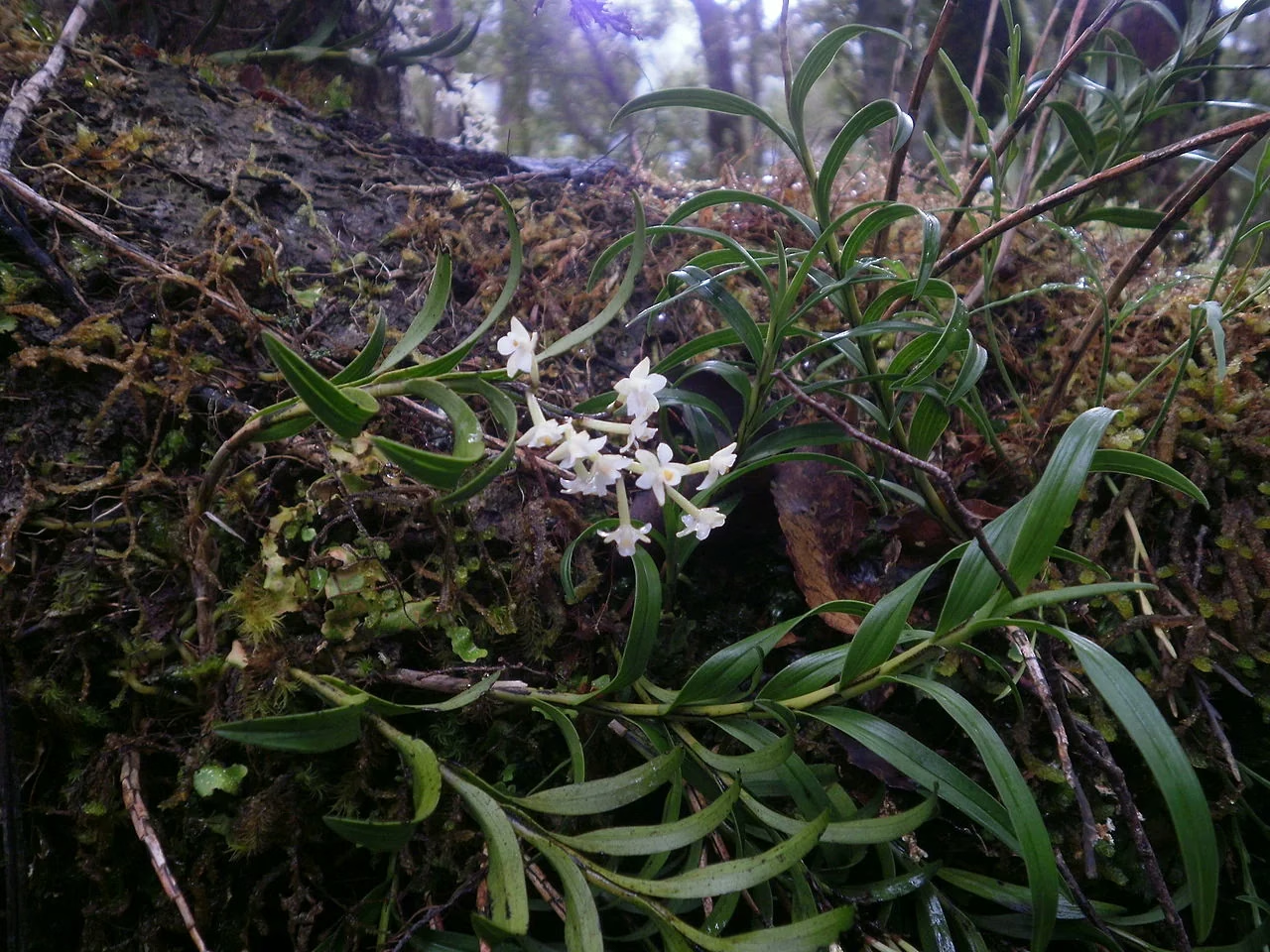
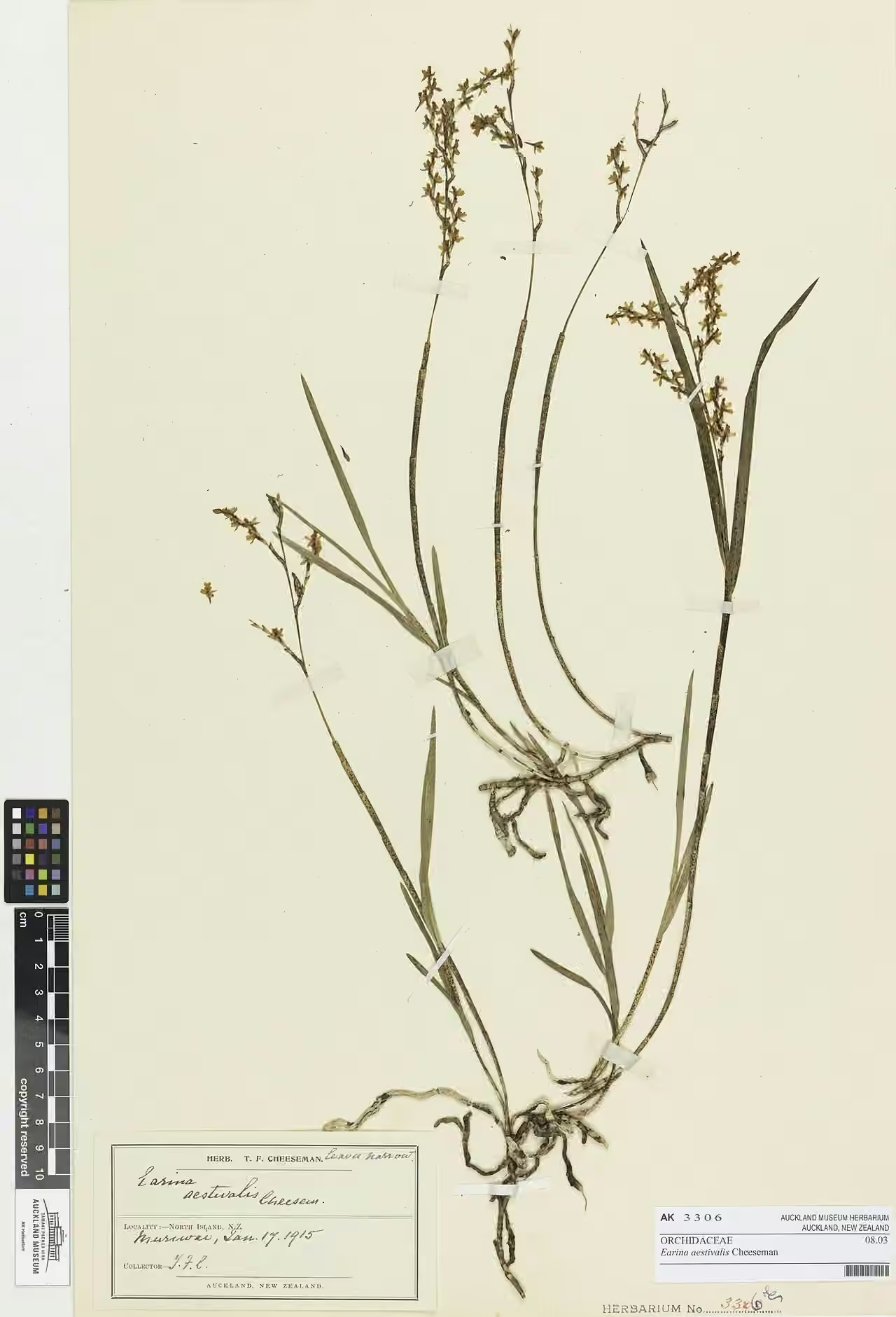
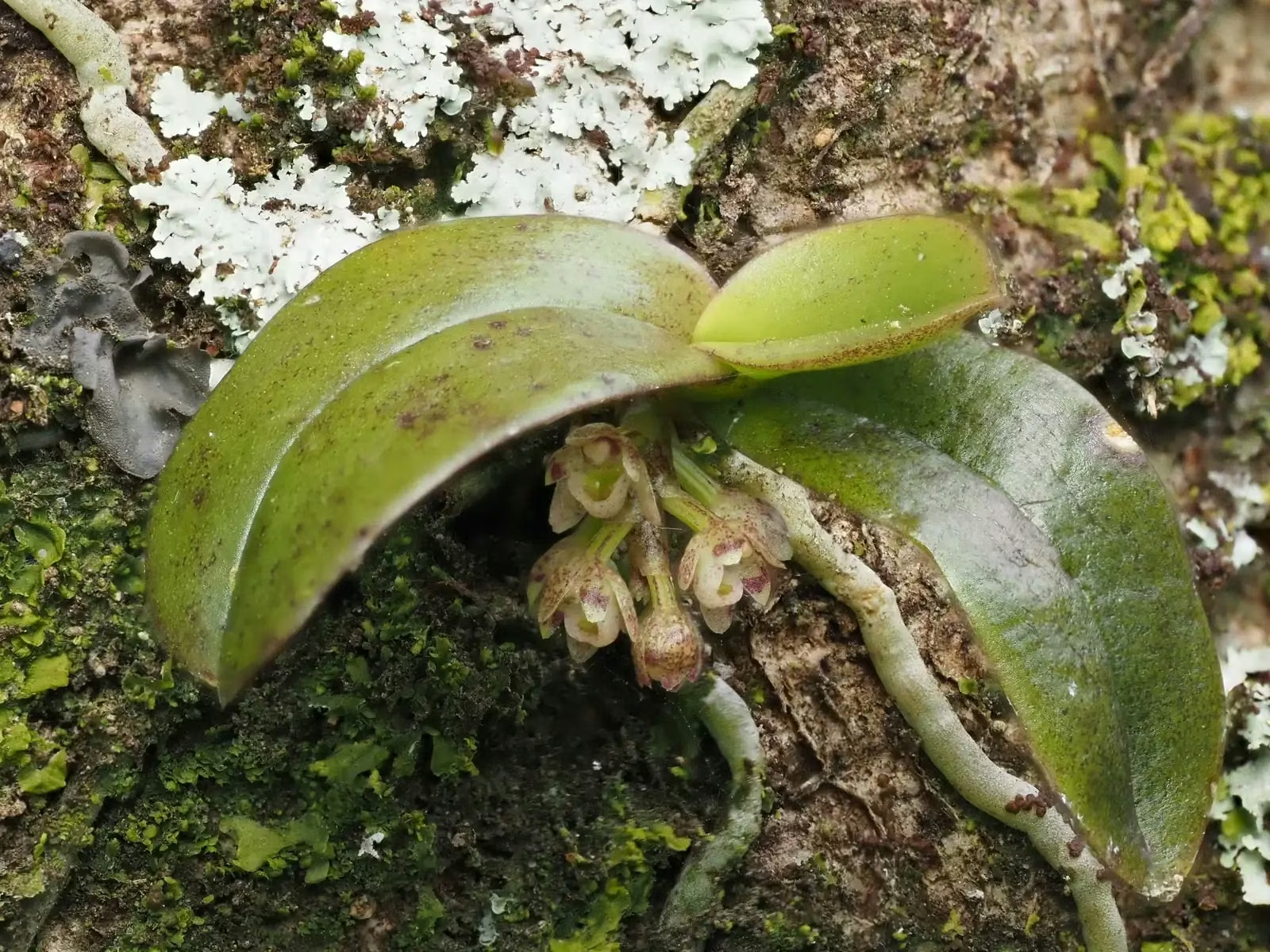
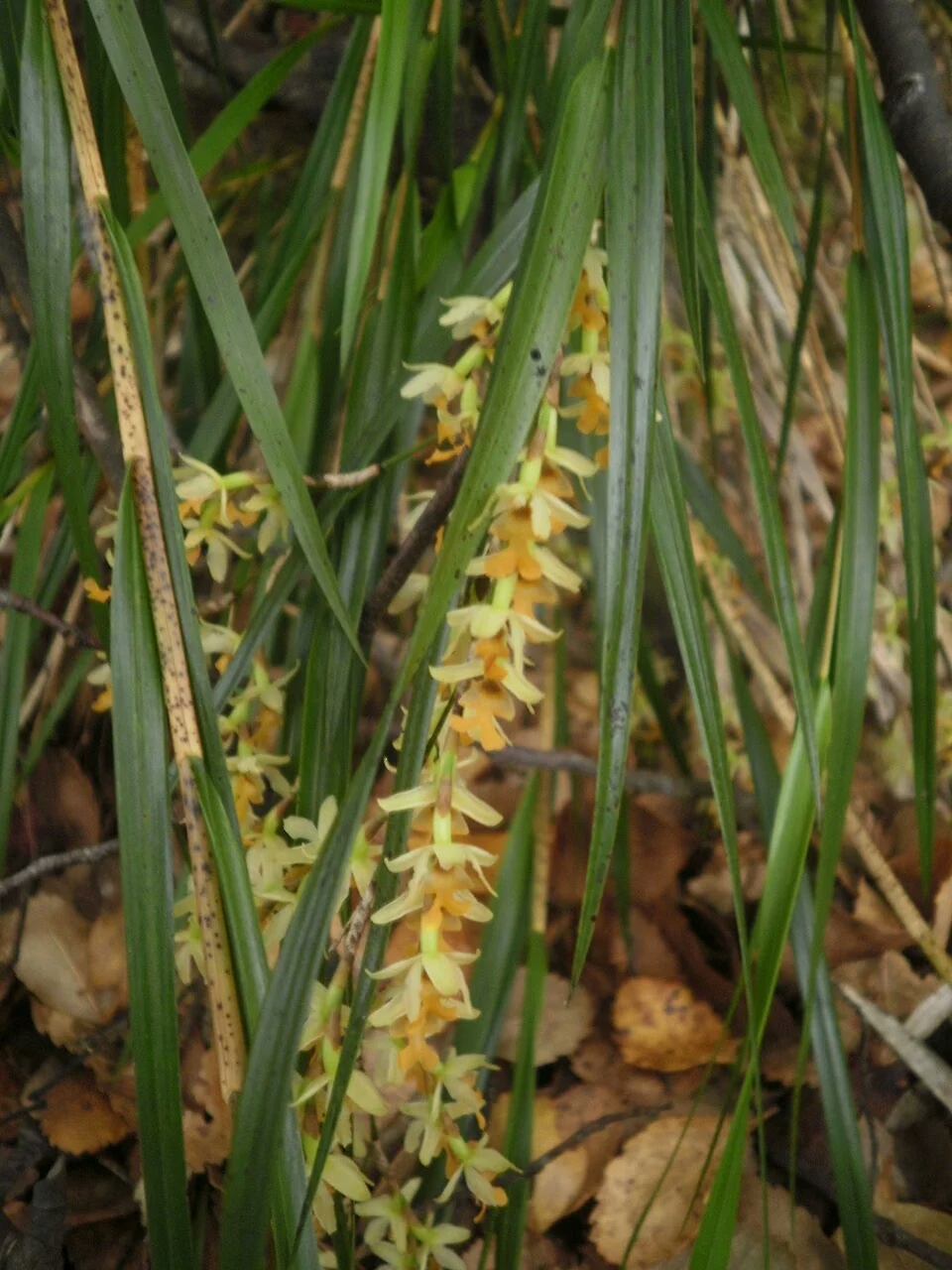
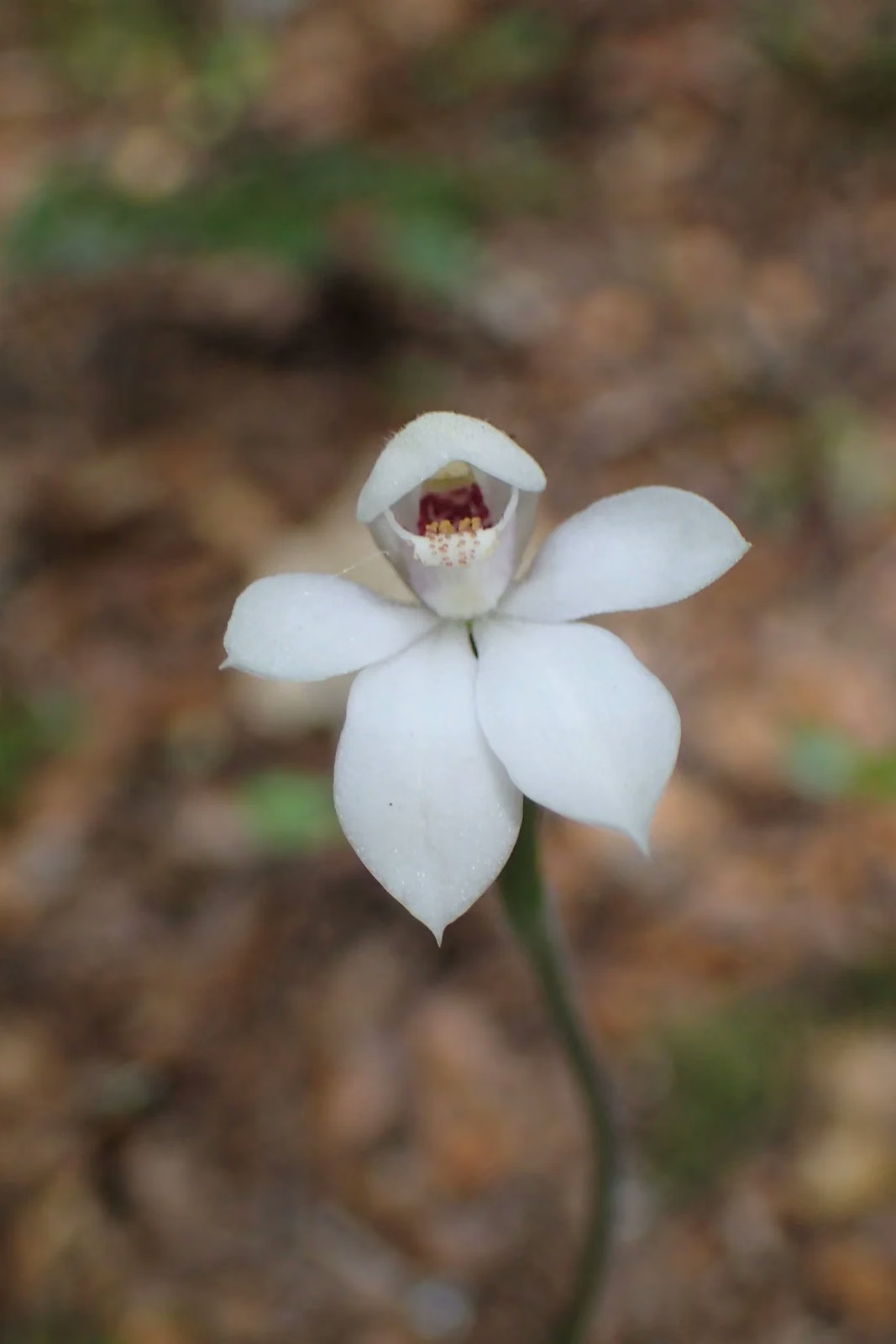
Explore other New Zealand orchids, including both tree-growing and ground-growing species.

Conservation
The 2023 national assessment classifies beech caladenia as Not Threatened. The Wellington regional assessment separately lists it as Regionally Endangered, illustrating why a national classification should not be assumed to apply equally in every region.
Frequently asked questions
Does beech caladenia have scented flowers?
The species description records unscented flowers, usually one per stem, approximately 14-16 mm across.
Is Petalochilus nothofageti another plant?
NZ Plant Conservation Network lists Petalochilus nothofageti as a synonym of Caladenia nothofageti, reflecting a different treatment of the orchid's genus.
Can the leaf be taller than the flower stem?
Yes. Recorded leaf length reaches 18 cm, while the flowering stem is described as 5-10 cm tall.
Sources
- NZPCN: Caladenia nothofageti.
- New Zealand Native Orchid Group: colour field guide.
- Greater Wellington: regional vascular plant conservation assessment.
- New Zealand Organisms Register: Petalochilus nothofageti.
Taxonomy and New Zealand biostatus: Flora of New Zealand species account.
Last updated: