Spider Orchid
Corybas oblongus
Last updated:
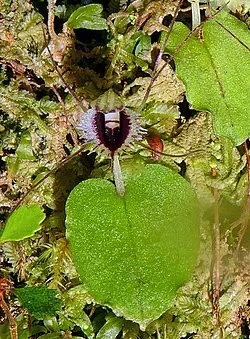
Corybas oblongus, one of New Zealand's spider orchids, is a small terrestrial perennial herb that reaches 20-30 mm tall when flowering. Its distinctive feature is a single sessile, oval to oblong leaf up to 40 mm long, dark green above with maroon flecks or red veins and a contrasting silvery-red or white underside, often with wavy margins. The solitary flower sits above the leaf, its broad dorsal sepal forming a white or pale-green hood flecked with purple. Remarkably adaptable, it grows on mossy banks in mature forest, along forest stream margins, in lowland peat bogs and even subalpine mires and cloud forests, from the North Island to the subantarctic Auckland and Campbell Islands. It is hardy and thrives wherever moisture stays consistent. Explore more native flowering plants in our native plant guide.
Plant Description
Identification and Physical Characteristics
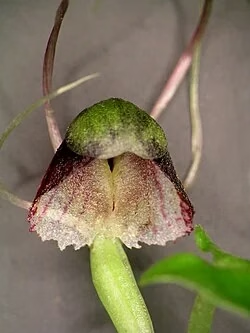
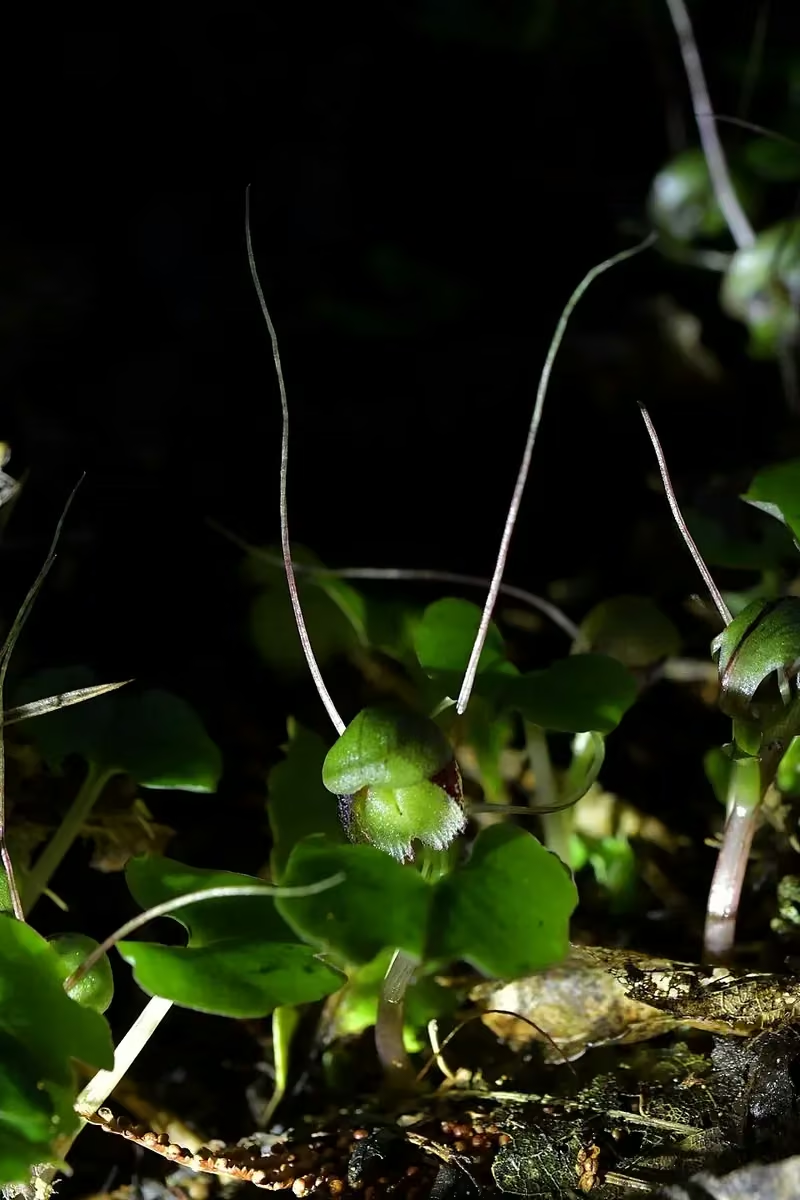
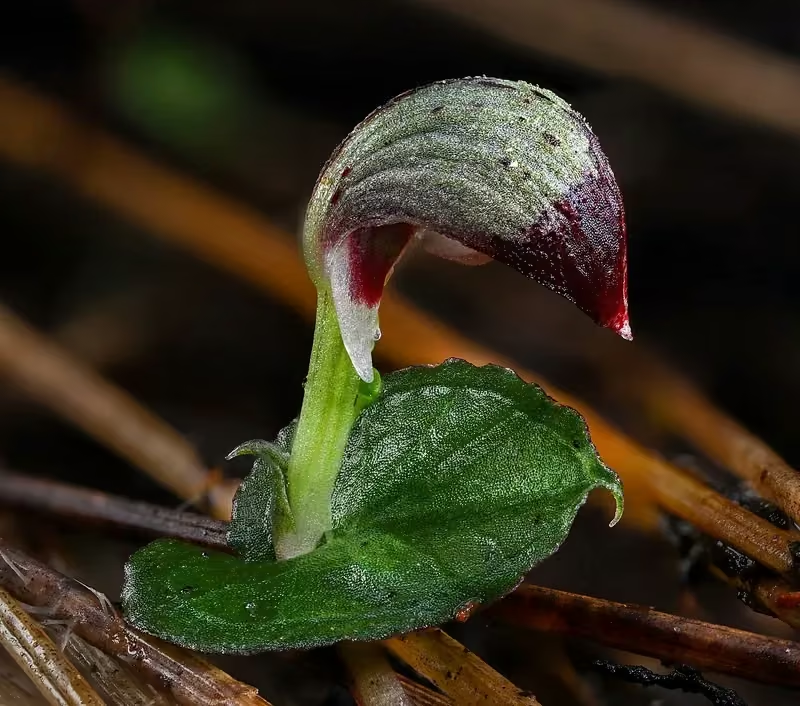
Corybas oblongus is a small, terrestrial, perennial herb that typically reaches heights of 20 to 30 mm when in flower. Its most distinctive feature is its single, sessile, oval to oblong leaf, which can grow up to 40 mm long. The leaf is dark green on the upper surface, often decorated with maroon flecks or red veins, while the underside is a contrasting silvery-red or white. The leaf margins are frequently undulated or wavy. The solitary flower sits prominently above the leaf. The dorsal sepal forms a broad, protective hood over the rest of the flower parts, typically coloured white or pale green with purple flecks. The labellum is the most striking part of the flower-a horizontal or slightly tilted cylinder of deep crimson or crimson-purple with a wide, flared, and highly fringed (fimbriate) mouth.
Quick Facts
| Scientific Name | Corybas oblongus |
|---|---|
| Height | 2-3 cm (Small Herb) |
| Spread | 2-4 cm |
| Water Needs | Moderate to High (Moist Banks) |
| Light | Moderate to Deep Shade |
| Frost Tolerance | High (Found in subalpine zones) |
| Salt Tolerance | Moderate (Coastal forms) |
| Growth Rate | Seasonal (Spring to Summer) |
| Lifespan | Perennial (Tuberous) |
Climate Best Suited to
The Spider Orchid is exceptionally hardy and adaptable to a wide range of New Zealand climates. It is found from the warm, humid North Island to the cool, subantarctic climates of the Auckland and Campbell Islands. It thrives in regions with consistent moisture and is well-adapted to high-altitude environments where it can be found at elevations up to 1200 metres. It requires a climate that provides reliable winter and spring rainfall to support its growth cycle.
Regional Suitability
| City | Climate Suitability |
|---|---|
| Auckland | Highly Suitable |
| Wellington | Highly Suitable |
| Christchurch | Suitable (With summer shade) |
| Dunedin | Highly Suitable |
| Nelson | Highly Suitable |
| Invercargill | Highly Suitable |
Plant Habitat
Natural Occurrence and Ecology
Corybas oblongus occupies a remarkably diverse range of habitats across New Zealand. It is frequently found on mossy banks within mature forests, along the margins of slow-flowing forest streams, and in lowland peat bogs. It also extends into more extreme environments like subalpine mires and cloud forests. It is often a colonizer of clay banks in moderate shade, where its roots can penetrate the damp, stable substrate. Its presence is usually an indicator of a site with high relative humidity and a lack of soil disturbance, allowing the delicate mosses and fungi it associates with to thrive.
Growing Requirements
Soil Requirements
Requires a moisture-retentive, acidic substrate. Mossy banks or clay-based mediums are ideal.
- Damp clay or peat
- Live moss carpet
- Acidic leaf litter
Light Requirements
Prefers moderate to deep shade. While it can tolerate slightly more light than some other Corybas species, direct summer sun must be avoided.
- Deep forest shade
- Dappled sunlight
- South-facing aspects
Water Requirements
Needs consistent moisture during the spring and summer. It can tolerate wetter conditions than some related orchids, but still needs a summer rest.
- High spring moisture
- Year-round humidity
- Winter dampness
Planting and Establishing
Establishment Guidance
Spider Orchids are not suitable for general garden planting and are considered difficult to establish. They must never be removed from the wild. For enthusiasts with legally sourced tubers, the best method is to establish them in a "moss garden" or a shaded trough filled with a mix of clay, peat, and fine bark. Plant the tiny tubers just below the surface in late winter. Success is more likely if the area is already colonized by native mosses, which help maintain the perfect humidity and provide a home for the necessary soil fungi. Avoid any physical disturbance or the use of chemical fertilizers, as these will kill the symbiotic fungi the orchid relies on for its survival.
Ecological Role
Biodiversity and Ecosystem Impact
Corybas oblongus plays an important role in the biodiversity of the New Zealand forest and wetland floor. It participates in a complex nutrient cycle through its relationship with mycorrhizal fungi. Its flowers are adapted to attract small forest insects, particularly fungus gnats, which are the primary pollinators. Because it can grow in both bogs and forests, it acts as a bridge between these two ecosystems for its specialized pollinators. Its presence is an indicator of an intact, high-humidity environment with a healthy and undisturbed soil surface.
Uses & Significance
Garden Uses
Primarily used in specialized botanical education and high-end shade houses. It is a prized subject for botanical photographers due to its intricate crimson flowers.
- Specialist shade houses
- Botanical photography
- Conservation education
Ecological Value
Supports specialized pollinator communities across a wide range of altitudes and latitudes. It is a key member of New Zealand's unique terrestrial orchid flora.
- Fungal biodiversity
- Insect pollinator support
- High-altitude specialist
Landscaping Uses
It has no place in conventional landscaping due to its sensitivity. However, it is an essential component of professional forest and wetland restoration projects that aim to restore the full spectrum of forest floor biodiversity, including the "micro-flora."
Seasonal Care Calendar
Spring
Growth and flowering peak. This species has a long flowering season from September onwards. Maintain high humidity.
- Monitor moisture
- Protect from snails
Summer
Late flowering and seed production. As the plant dies back, reduce watering. Ensure the area remains cool and shaded.
- Reduce watering
- Maintain shade
Autumn
Plant is dormant. Tubers rest underground. No intervention is needed as long as the site remains undisturbed.
- Zero intervention
- Maintain mulch
Winter
Tubers begin to activate. Ensure the soil does not dry out completely if there is a lack of natural rainfall.
- Check soil dampness
- Prepare for spring
When to Prune and How Much
Pruning is not applicable to Corybas oblongus . The plant is a small, soft herb that naturally withers and disappears into the forest litter each year.
- No pruning required
- Self-maintaining
Do not remove the drying leaf at the end of the season; let it decay naturally to return nutrients to the underground tuber.
How to Grow Spider Orchid
Growing the Spider Orchid ( Corybas oblongus ) is one of the most demanding tasks in New Zealand horticulture and is generally considered beyond the scope of traditional gardening. Like many members of the Orchidaceae family, spider orchids exist in an obligate relationship with specific soil fungi. These fungi provide the plant with nutrients, particularly during the seedling stage, and in return, the orchid provides carbon. This delicate balance is easily disrupted by any changes in soil chemistry, moisture, or the introduction of non-native pathogens. Success in cultivation requires a complete commitment to replicating the stable, high-humidity microclimate of a native forest floor or subalpine mire.
From Tubers
Tuber propagation is the most feasible method for specialist orchid growers. Tubers must always be sourced from reputable, registered native plant nurseries.
The tubers are exceptionally small and fragile, often no larger than a grain of rice.
- Handle tubers only during the peak of summer dormancy when the foliage has completely withered away.
- Prepare a growing medium of shredded tree fern fiber (Ponga), fine aged bark, and a small amount of native clay soil.
- The medium must be kept loose and airy to support fungal growth and prevent tuber rot.
- Plant the tubers approximately 1 cm below the surface and cover with a thin layer of native leaf mulch.
- Keep the pots in a cool, deep-shade environment where the humidity remains high and the temperature stable.
- Water only with clean rainwater to avoid chemical buildup that could harm the soil fungi.
- Resume careful misting in late winter as the first signs of growth appear.
From Seed
Seed propagation is a complex, high-level technique usually reserved for sterile laboratory settings. The seeds are microscopic and contain no stored energy.
They will only germinate in the presence of the correct mycorrhizal fungi.
- Harvest seed capsules just as they begin to split open in late spring or summer.
- In laboratories, seeds are placed on specialized agar plates that have been inoculated with the specific fungus required by Corybas oblongus .
- For non-lab attempts, "symbiotic sowing" involves scattering the seeds on the surface of the soil around healthy, established parent colonies.
- Development from seed to a flowering-sized tuber can take several years of meticulous care.
Natural Expansion
The best way to increase your Spider Orchid population is to allow established plants to form a natural colony. If the environmental conditions are optimal, a healthy tuber will often produce one or more "daughter" tubers each season. Over time, this leads to a beautiful, dense cluster of orchids. The key to this natural propagation is zero disturbance; the less the soil, moss, and leaf litter are touched, the more the colony will thrive and spread.
Pests & Diseases
The most significant threat to Corybas oblongus is snails and slugs, which find the fleshy leaves and flowers irresistible. Tuber rot is also a major concern if the medium becomes waterlogged or anaerobic during the summer dormancy period. Always ensure good air movement while maintaining high humidity to prevent fungal rots from attacking the delicate spring growth.
Cultural Significance
Spider orchids, known as 'pekapeka' in some Māori dialects, are part of the hidden treasures of the Aotearoa bush. Corybas oblongus represents the incredible resilience and wide distribution of our native orchid flora. It is a symbol of the interconnectedness of our forest and wetland ecosystems. For Māori, these plants were part of the intricate knowledge of the forest floor's seasonal cycles and served as indicators of the health of the high-country and wetland landscapes.
- Hidden forest treasure
- Indicator of ecosystem health
Bonus Tip
If you find these in the wild, look for the silvery-red underside of the leaf. It is a great way to identify the plant even when it is not in flower. Also, check the nearby mossy stream banks-you will often find them in large, beautiful colonies in these damp spots!
Related Plants
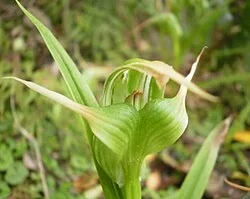
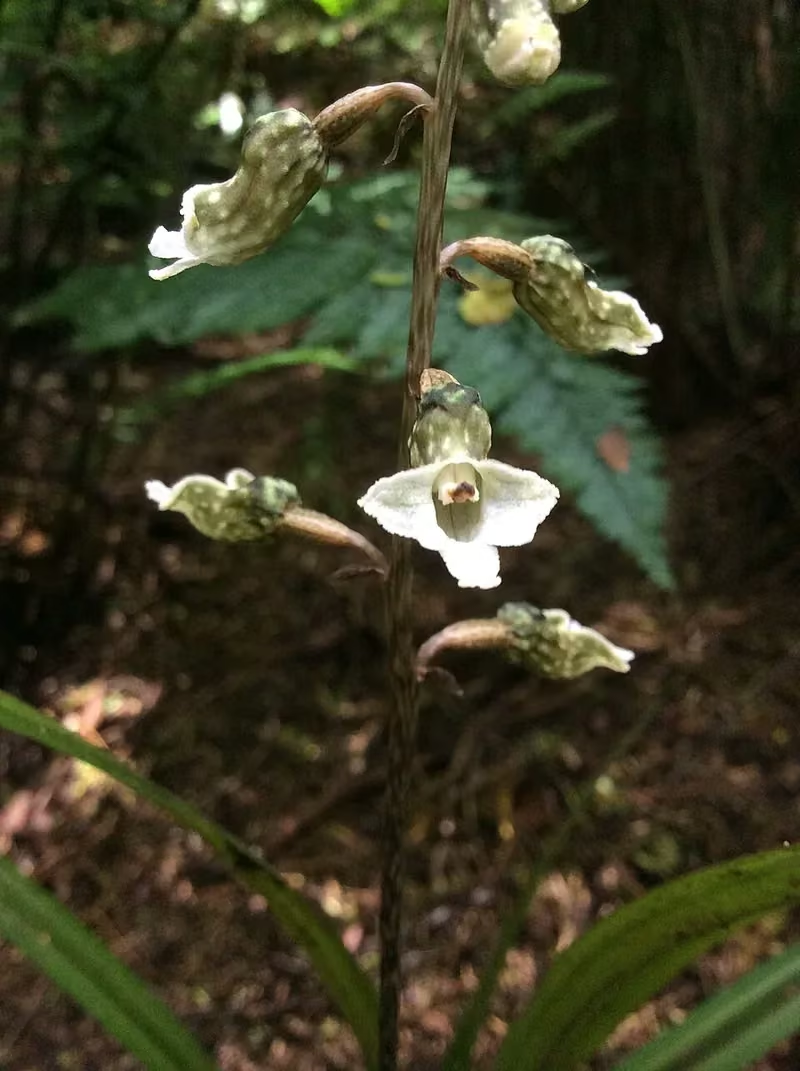
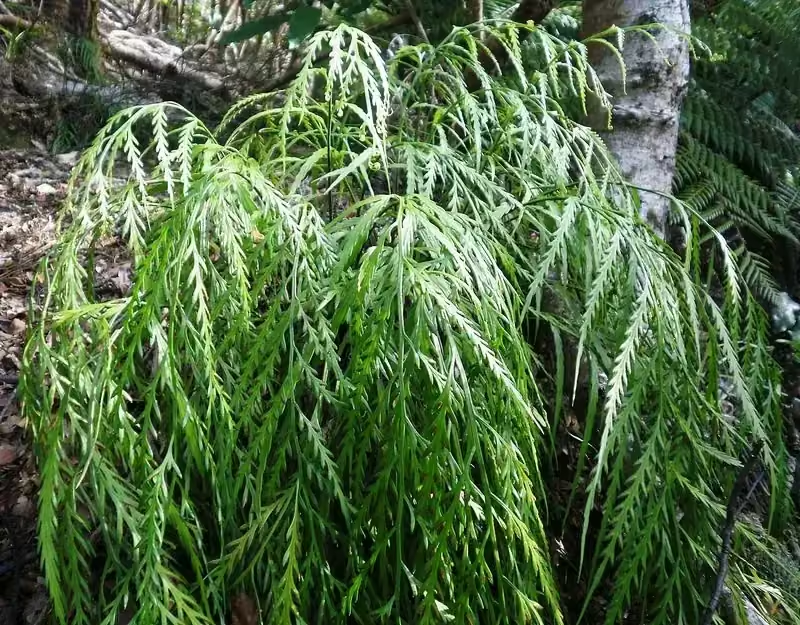
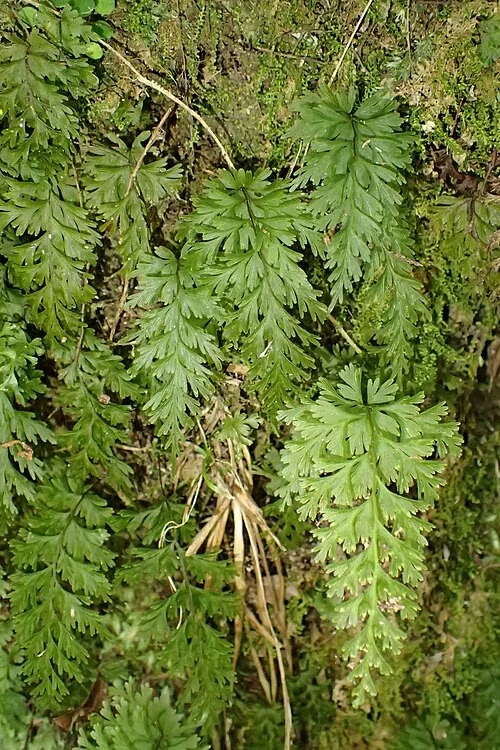
Explore other native plants that share similar characteristics or habitats with Spider Orchid ( Corybas oblongus ), offering further insights into New Zealand's diverse flora. These related species provide context and opportunities for complementary planting in your garden. For another flowering native plant, explore Dark Spider Orchid.
Plant Conservation
Conservation Status and Threats
Corybas oblongus is currently classified as Not Threatened. It is widespread and relatively common in suitable damp habitats throughout New Zealand and its offshore islands. However, it remains vulnerable to habitat destruction, particularly the drainage of bogs and the loss of mature forest floor humidity. The preservation of intact native ecosystems is essential for the continued survival of this and many other specialized native orchid species.
Frequently Asked Questions
How tall does Corybas oblongus grow?
This spider orchid grows about 20-30 mm tall when in flower, spreading 2-4 cm.
Where does Corybas oblongus grow naturally?
It grows on mossy forest banks, stream margins, peat bogs and subalpine mires across New Zealand's islands.
Does Corybas oblongus tolerate frost?
Yes, it has high frost tolerance and is found in subalpine zones as well as coastal forms.
What growing conditions does the spider orchid need?
It needs moderate to deep shade and consistently moist banks or leaf litter to thrive.
Sources and Further Reading
The botanical, growing, and conservation details for Spider Orchid (Corybas oblongus) on this page draw on authoritative New Zealand plant references and citizen-science observation records. Consult the sources below for full technical records and the latest distribution data.