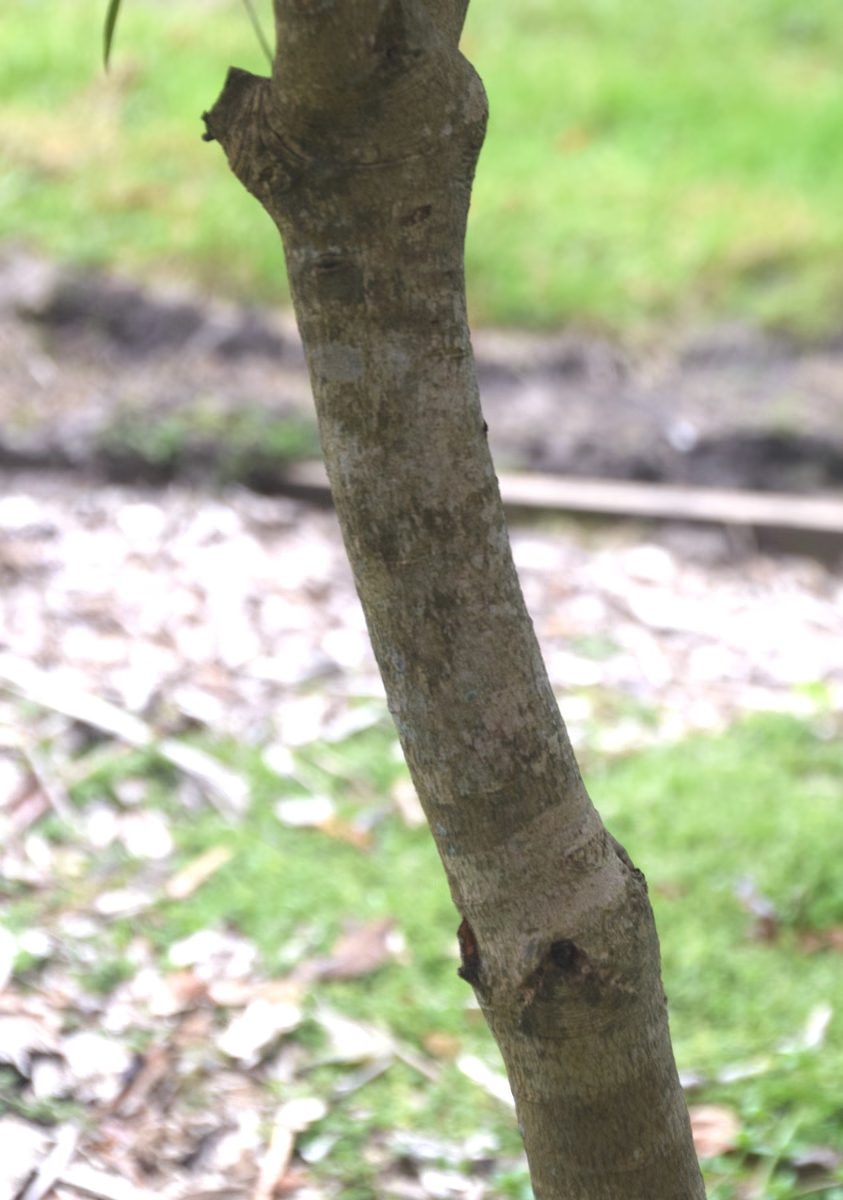
Toru
Toronia toru
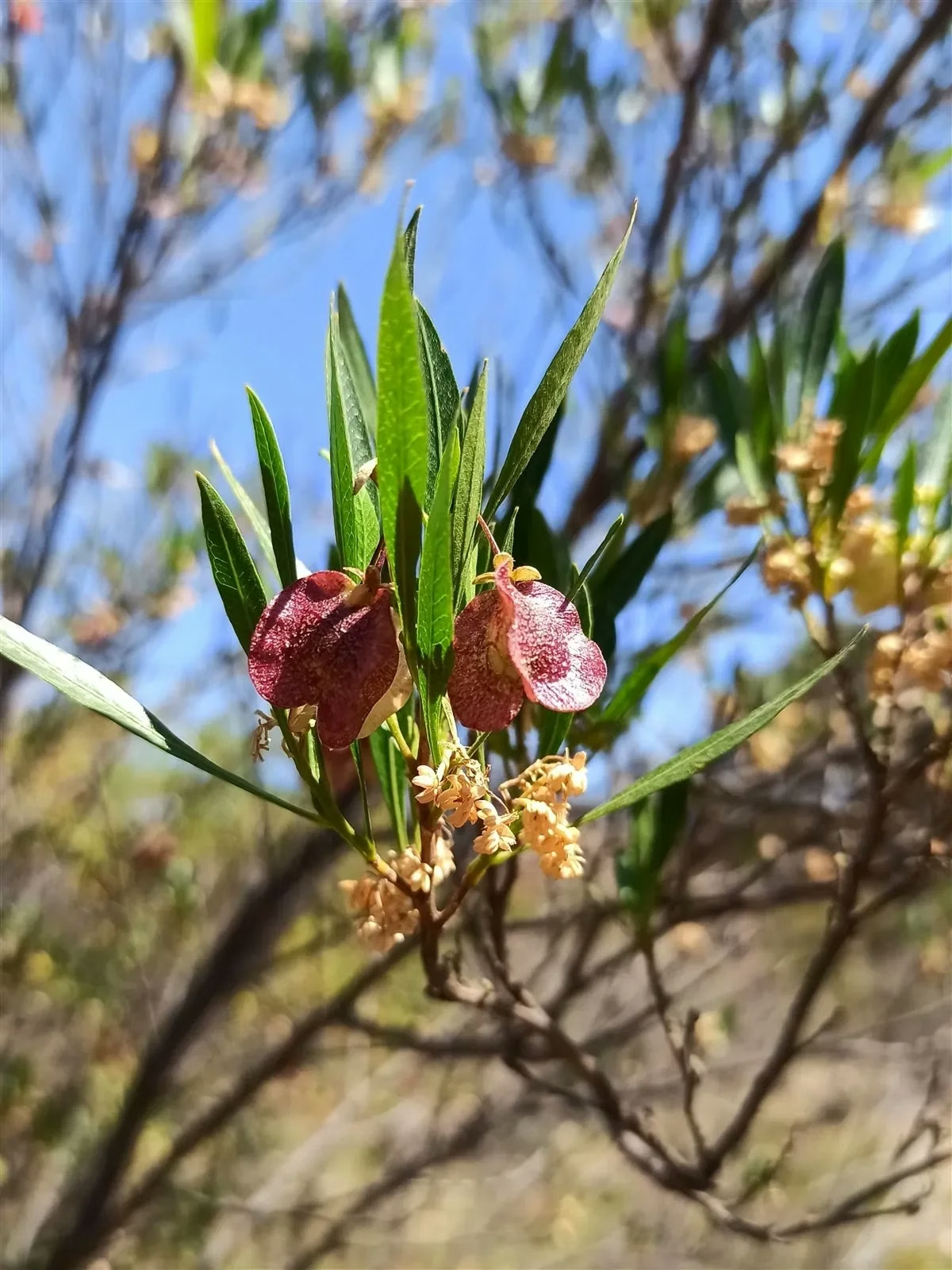
Distinctive toru fruit
Toronia toru is a tree endemic to the northern North Island and the sole species in its genus. It has narrow leaves and grows naturally in open, often low-fertility habitats.
Identification
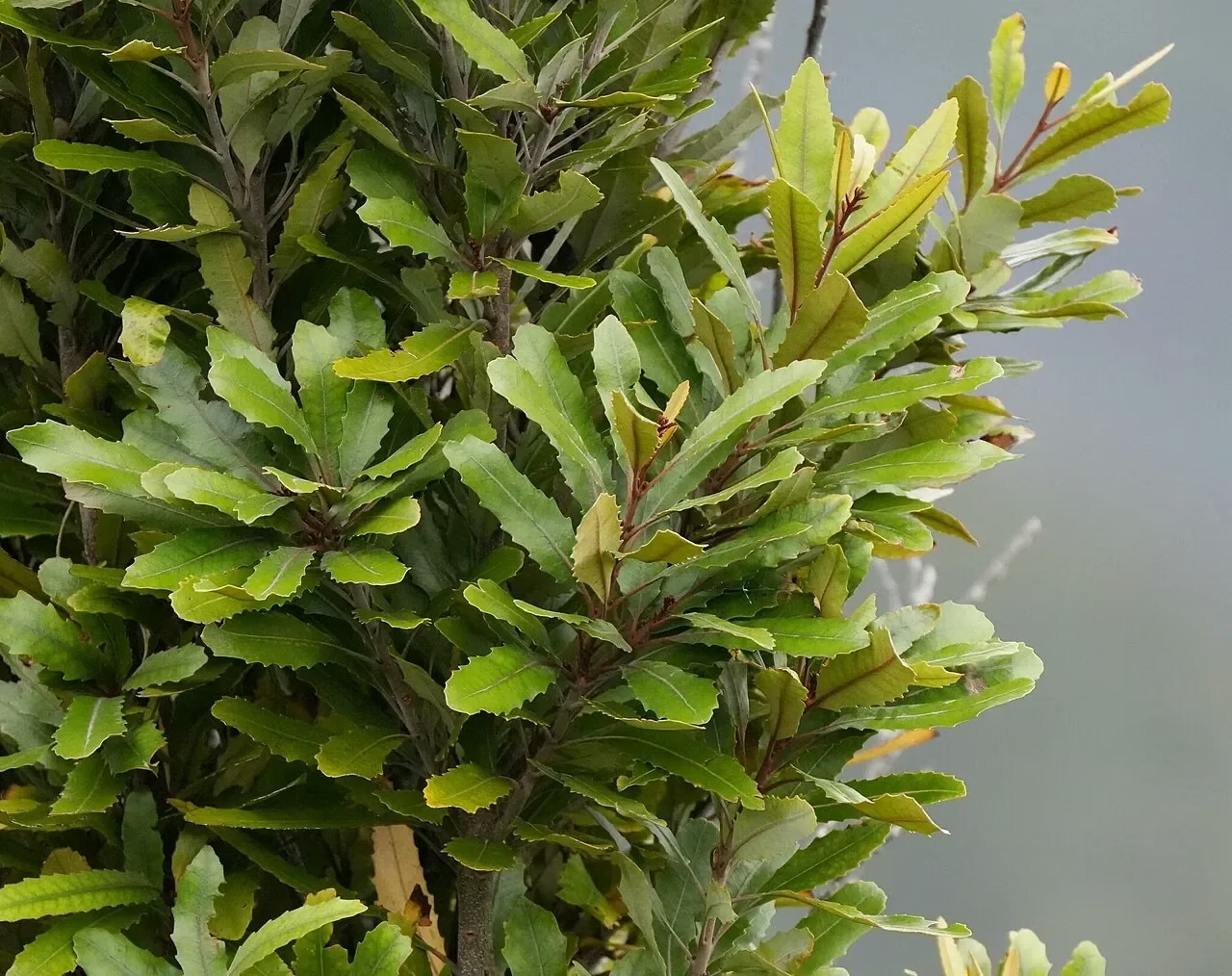
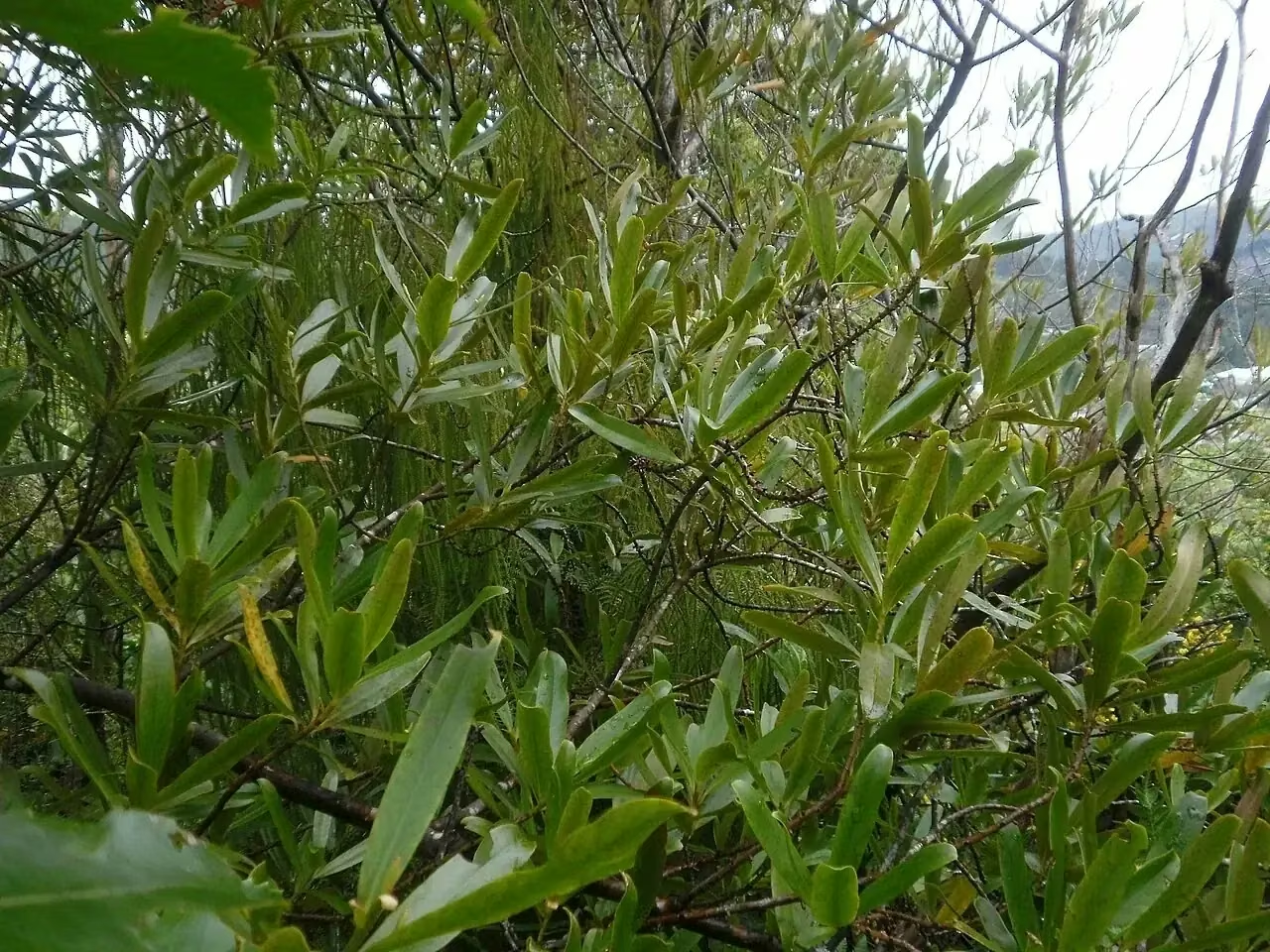
Toru is an upright-branched tree that can exceed 10 m in height. Its thick, glossy leaves are narrow and pointed, typically 16-20 cm long and 8-15 mm wide. The fragrant brownish-yellow flowers grow in short clusters in the leaf axils.
Its reddish, oval fruit is approximately 12-18 mm long. An older scientific name is Persoonia toru; both names refer to the same tree.
Quick facts
| Scientific Name | Toronia toru |
|---|---|
| Family | Proteaceae |
| Height | Up to 12 m |
| Flowers | September to January |
| Fruit | October to May |
| Conservation status | Not Threatened (2023) |
| Water Needs | An irrigation requirement is not specified in the source |
| Light | Warm, sunny position |
| Spread | A spreading-branched tree; canopy width is not quantified |
| Frost Tolerance | Reported as frost-sensitive |
| Salt Tolerance | Salt tolerance is not documented |
| Growth Rate | Annual extension is not quantified in the cited accounts |
| Lifespan | Longevity in years is not documented |
Climate and range
Toru occurs from coastal to montane sites in the northern North Island. NZPCN recommends a warm, sunny position for cultivation and reports that the species is said to be frost-sensitive; the profile does not specify a tested temperature limit.
| City | Climate Suitability |
|---|---|
| Auckland | Not assessed |
| Wellington | Not assessed |
| Christchurch | Not assessed |
Habitat and distribution
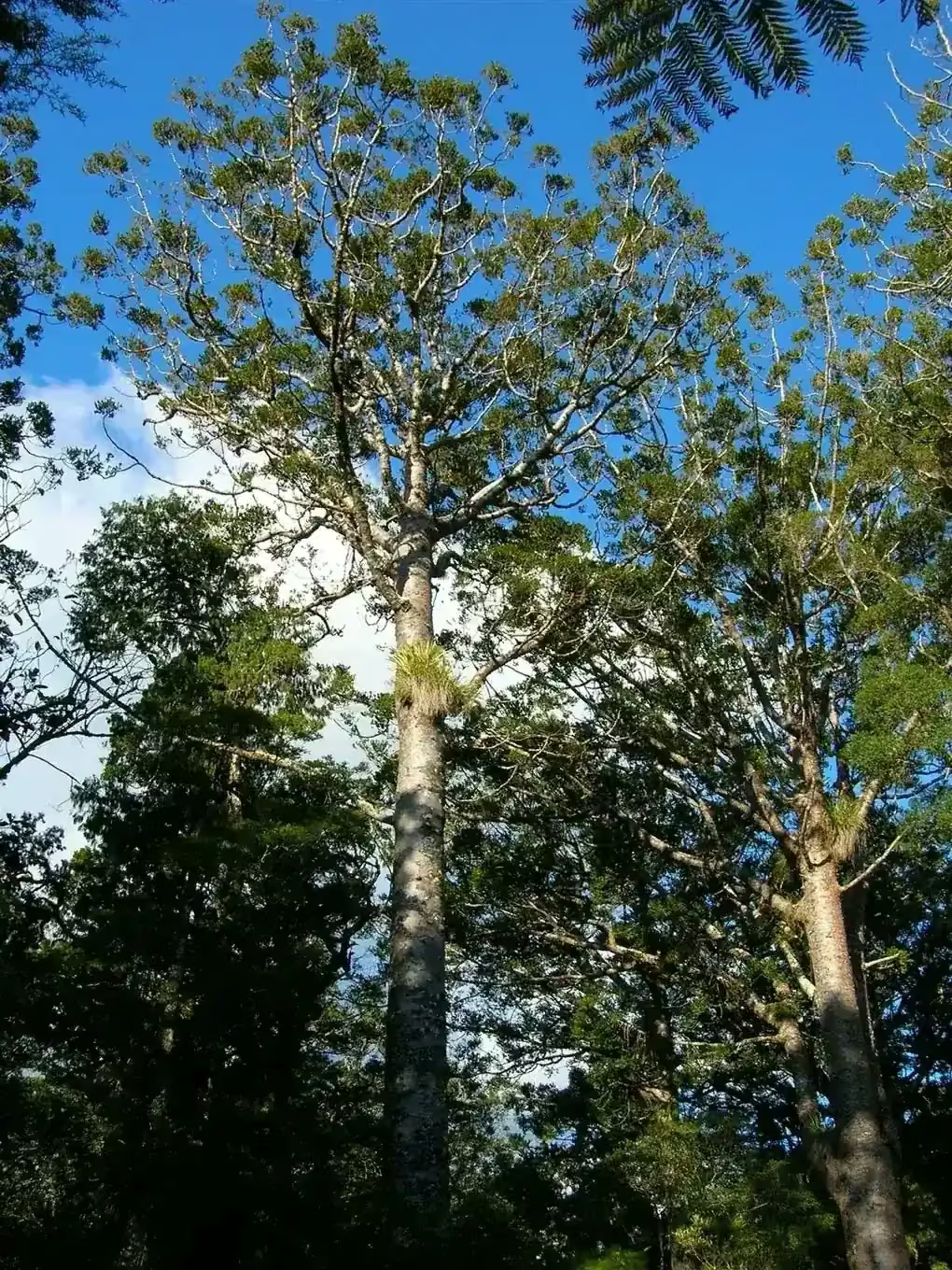
The natural range extends from Te Paki south to the western side of Lake Taupō, with records in Coromandel, Bay of Plenty, parts of Waikato and a small area of Tairāwhiti. It grows in gumland, early-successional forest, on ridges and around slips.
It is locally abundant on acidic volcanic rocks and soils, including rhyolite, ignimbrite and pumice, and occurs with kauri or tānekaha in some forests.
Growing requirements
NZPCN recommends a sunny, warm site and infertile soil for toru. Its guidance specifically says not to apply phosphate-containing fertilisers. The same source notes reported frost sensitivity, which matters when choosing an exposed planting site.
Planting toru
Select cultivated plants and a warm, sunny position suited to the tree’s mature size. NZPCN describes toru as growing best in infertile soil and cautions against phosphate-containing fertilisers; avoid assuming that a high-phosphate garden feed will be suitable.
Ecology
Toru grows in open shrubland and early-successional forest as well as on forest ridges and slip scars. Its flowers occur in clusters along the branches, followed by reddish fruits; flowering and fruiting times overlap.
Garden use
NZPCN describes established toru as an attractive small tree. Its narrow, glossy leaves and upright branches give it a distinctive form, but a planting space must accommodate a tree that can grow to 10 metres or more.
Landscape placement
A warm, sunny position with naturally infertile soil fits NZPCN’s cultivation advice. Toru’s native habitats include open gumland and ridges, and the species should not be grouped with plantings that require phosphate fertiliser.
Seasonal observations
NZPCN records flowering from September to January and fruiting from October to May. Flower and fruit periods therefore overlap; the dates describe observed seasons and do not promise identical timing at every site.
Pruning
The NZPCN profile does not specify a pruning regime for toru. Its natural habit is upright and branching, and its published mature height exceeds 10 metres, so placement with sufficient room is important.
How to Grow Toru (Toronia toru)
Cultivation and seed evidence
NZ Plant Conservation Network describes toru as readily grown in a warm, sunny position. Its entry gives clear site and fertiliser guidance, but does not provide a seed pretreatment, sowing temperature or cutting procedure. Flowering and fruiting dates help describe the tree's reproductive cycle without establishing a germination method.
Infertile soil and fertiliser choice
The published recommendation is for infertile soil, with an explicit instruction to avoid phosphate-containing fertilisers. This belongs to the toru profile and is especially relevant when selecting a product for a mixed native planting. Natural sites include gumland, early-successional forest, ridgelines and slip scars in kauri or tanekaha forest, frequently on nutrient-poor substrates.
Space and exposure
Toru can reach 12 m tall and may produce one or several trunks from the base. Branches begin upright and later spread, sometimes becoming down-curved or pendulous. A nursery-sized plant should therefore be understood as a developing tree. The source also reports frost sensitivity, so its recommendation for a warm site is a substantive condition rather than a general label for all native trees.
Recognising the foliage and season
The glossy leaves are thick and leathery, bright green to yellow-green, and can show red mottling or spots. Their margins are entire and thickened, while the midrib is raised. Flowering is recorded from September to January and fruit from October to May. These leaf and seasonal features provide useful checks on an established cultivated tree alongside its characteristic branching form.
Pests and diseases
The NZPCN profile does not identify a species-specific pest or disease treatment for toru. It does identify phosphate fertiliser as unsuitable and reports frost sensitivity, both relevant when investigating poor growth in cultivation.
Māori names
Toru is a Māori name for this tree and is also the source of its scientific species epithet. Flora of New Zealand records additional names including toto, toro and mihimihi; names may vary by source and context.
Distinguishing similar plants
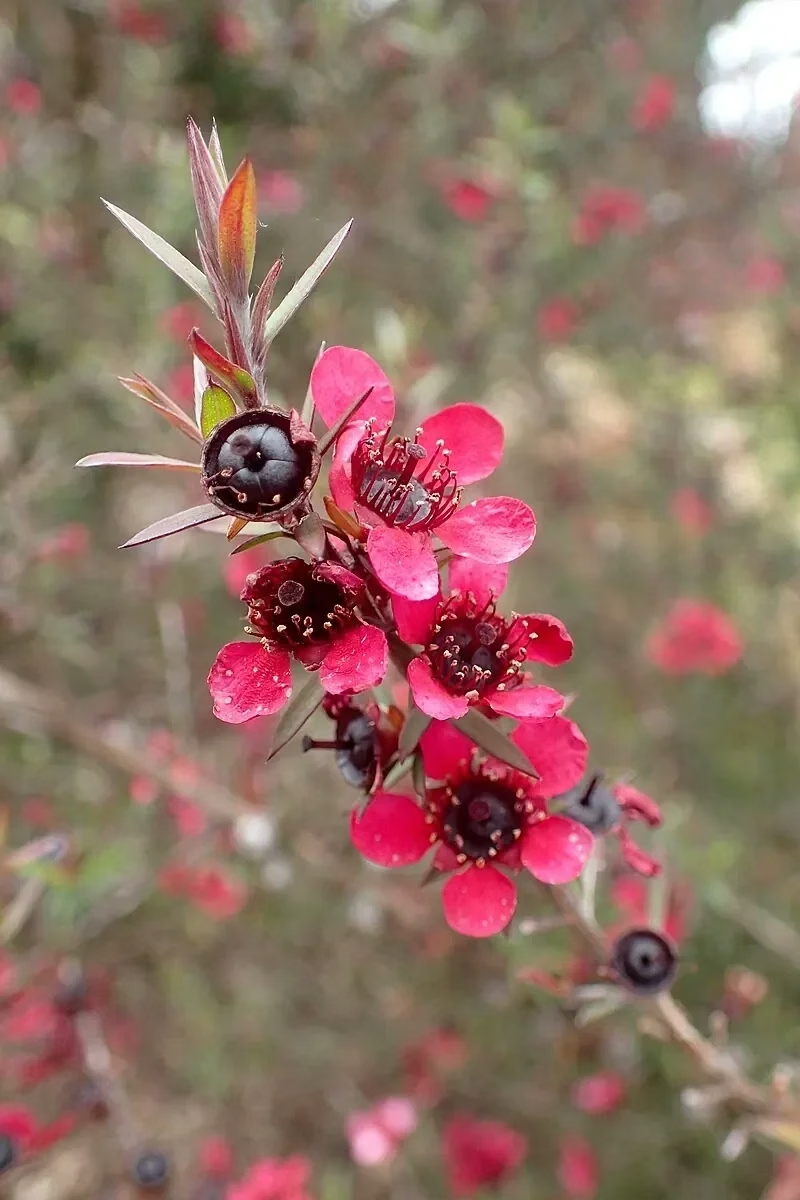
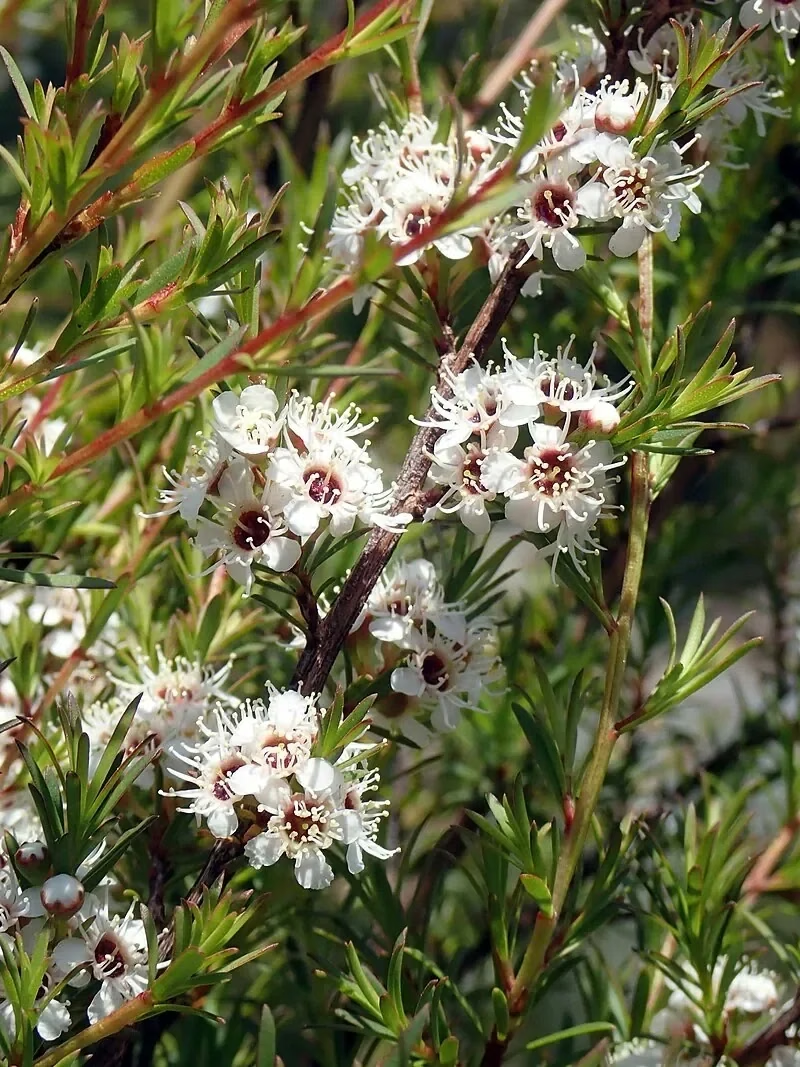
Toru can resemble toro, Myrsine salicina, but toru has pointed narrow leaves and flowers arranged in racemes. NZPCN notes that toro has blunter leaves and dense clusters of flowers rather than racemes.
Related native plants
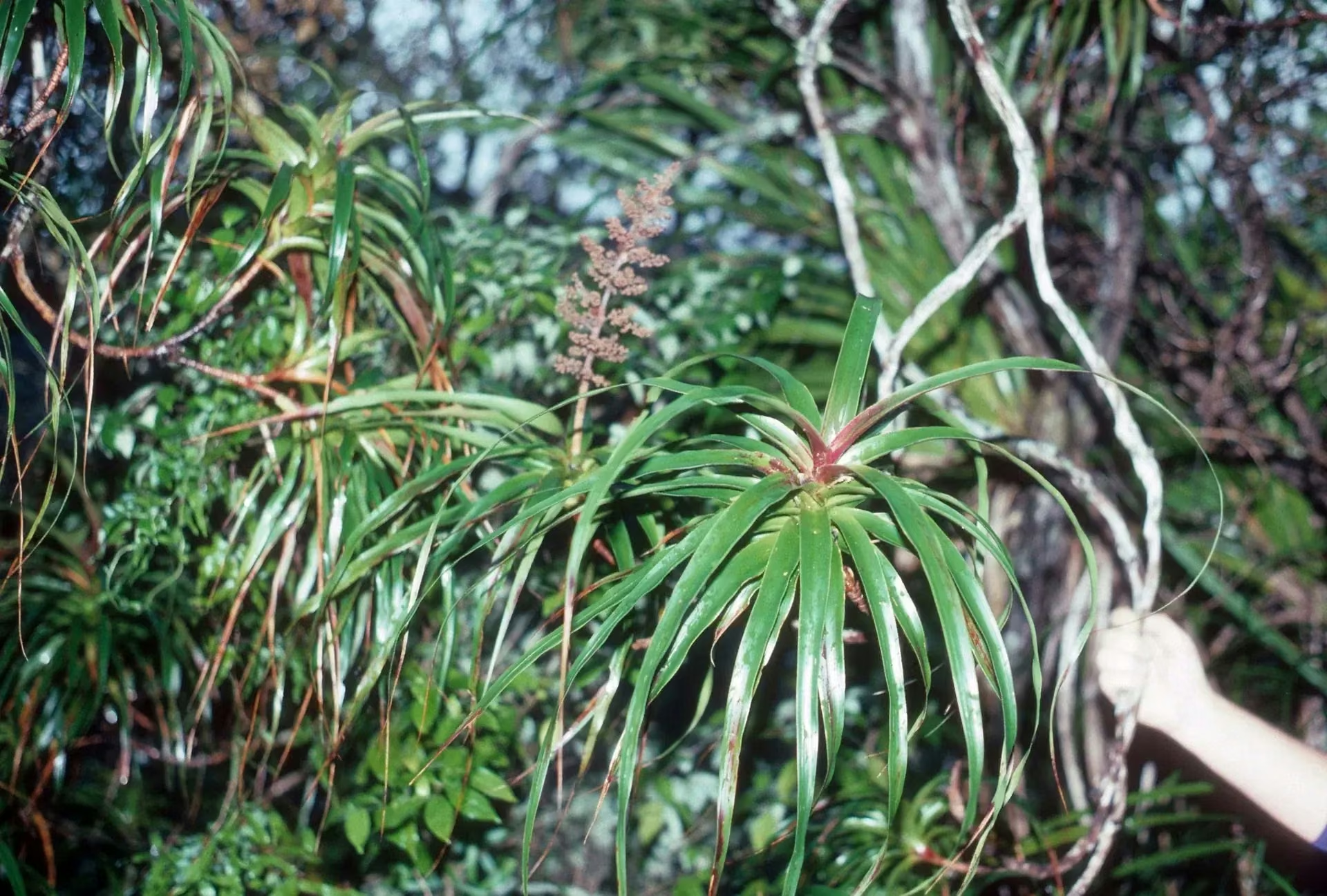
Explore other native trees, including rewarewa, the other native New Zealand member of the protea family.

Conservation
The 2023 national assessment lists Toronia toru as Not Threatened. Its range is nevertheless confined to the northern North Island, and records south of Auckland are concentrated mainly in the east with some western Waikato sites.
Frequently asked questions
Can toru take phosphate fertiliser?
NZPCN advises against phosphate-containing fertilisers.
How quickly does seed germinate?
An MPI review notes that fresh seed may require cool-moist stratification and can take up to two years to germinate.
Should phosphate fertiliser be applied?
The toru cultivation account specifically advises against phosphate-containing fertilisers and recommends infertile soil in a warm, sunny position.
Sources
Last updated: