Silky Umbrella Fern
Sticherus tener
Last updated:
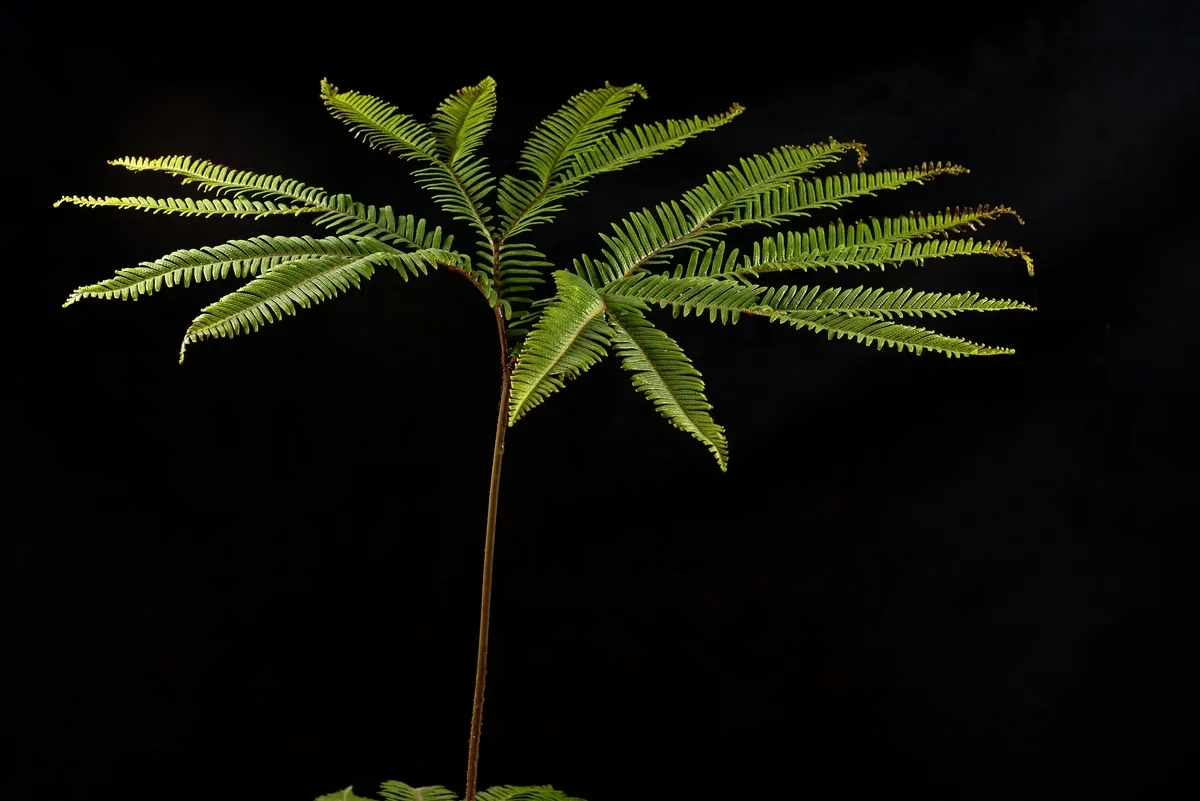
ferns profile: Silky Umbrella Fern (Sticherus tener) is a native fern with fine, repeatedly forked fronds and a softer texture than the coarser umbrella fern Sticherus flabellatus. New Zealand sources treat it as current and Not Threatened. It is a plant of damp forest margins, scrub, road banks, and poor soils where filtered light reaches the ground.

Plant Description
Identification and Physical Characteristics
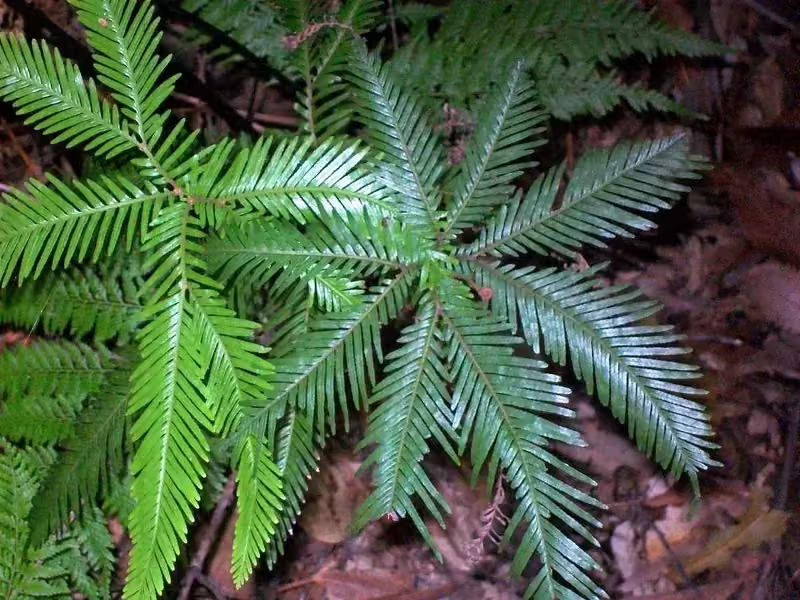
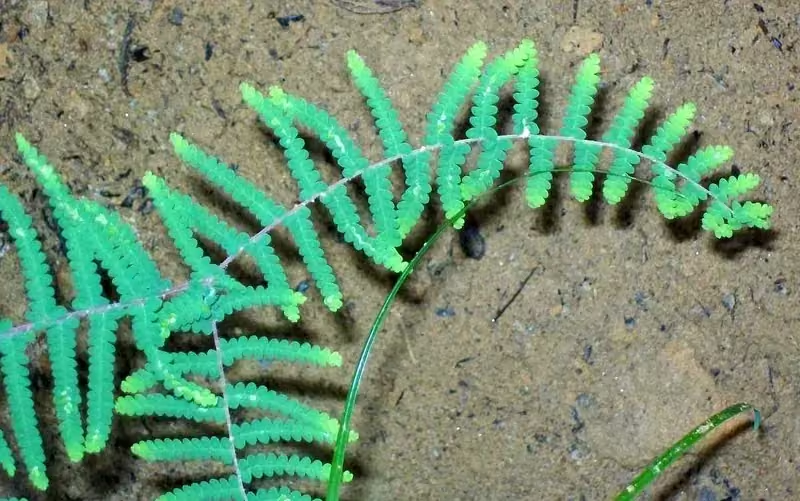
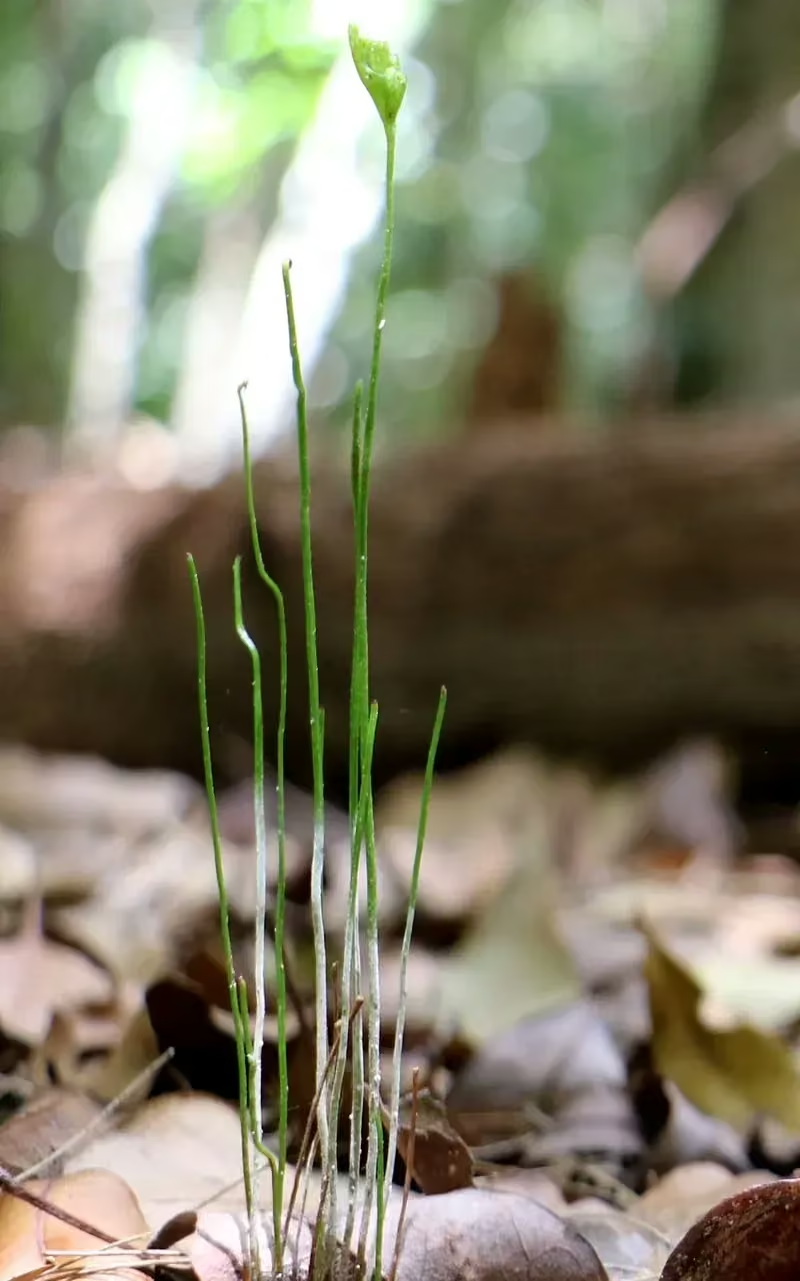
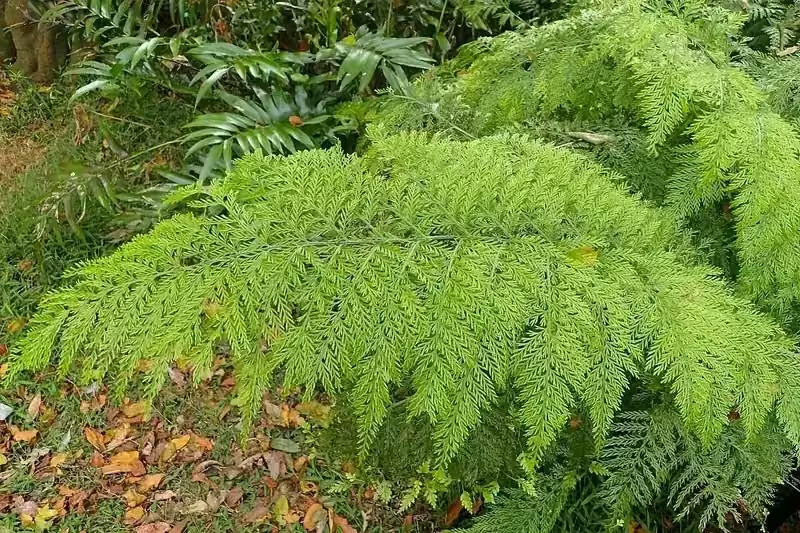
This fern spreads by creeping rhizomes and produces slender branching fronds with delicate paired pinnae. The branching pattern creates a tiered umbrella effect, but the overall look is finer and more silky than Sticherus flabellatus. Fronds can interlace through low vegetation and form airy colonies in damp, acidic, low-fertility places.
Quick Facts
| Scientific Name | Sticherus tener |
|---|---|
| Height | Fronds often 30 cm - 1 metre |
| Spread | Airy colonies from creeping rhizomes |
| Water Needs | Moderate to high |
| Light | Open shade to filtered light |
| Frost Tolerance | Moderate |
| Salt Tolerance | Low |
| Growth Rate | Steady in damp poor soils |
| Lifespan | Perennial rhizomatous fern |
Climate Best Suited to
Silky Umbrella Fern suits humid, mild to cool climates with damp acidic soil, filtered light, and low to moderate competition.
Regional Suitability
| City | Climate Suitability |
|---|---|
| Auckland | High in damp kauri margins and scrub |
| Wellington | High in damp banks and forest margins |
| Christchurch | Medium in protected acidic damp plantings |
| Nelson | High in western damp forest and scrub edges |
Plant Habitat
Natural Occurrence and Ecology
The species is found in damp forest margins, scrub, banks, tracksides, poor clay, peaty ground, and light gaps. It often grows with tangle ferns, sedges, mānuka, and other plants adapted to acidic or low-fertility soils.
Growing Requirements
Soil Requirements
Use acidic, damp, low-fertility soil with enough drainage around the rhizomes.
- Poor clay
- Peaty margins
- Damp scrub soil
Light Requirements
Filtered light or open shade suits the fine fronds; dense shade weakens colonies.
- Open shade
- Light scrub
- No dense canopy
Water Requirements
Keep young plants damp while establishing, then maintain seasonal moisture without stagnant richness.
- Damp soil
- Humid shelter
- No fertiliser runoff
Planting and Establishing
Establishment Guidance
Plant Silky Umbrella Fern where a fine spreading fern is welcome. It works in damp banks, acidic scrub gardens, and restoration margins. Give it room, keep weeds down, and avoid rich compost or heavy feeding.
Ecological Role
Biodiversity and Ecosystem Impact
Silky Umbrella Fern provides fine fern cover in damp, low-fertility vegetation. Its branching fronds shelter soil and small seedlings, and its rhizomes help occupy open ground after disturbance. It helps bridge fernland, scrub, and forest-edge communities.
Uses & Significance
Garden Uses
Use in damp acidic native gardens, fernland displays, banks, and open scrub restoration.
- Damp banks
- Fernland displays
- Scrub restoration
Ecological Value
It adds fine native fern texture and soil cover to low-fertility damp habitats.
- Soil cover
- Fernland matrix
- Scrub-edge diversity
Landscaping Uses
Use it for a fine, airy, natural texture rather than a formal clump. It pairs well with mānuka, sedges, rushes, carrier tangle fern, and small wetland shrubs. Keep it away from narrow paths if spread would be inconvenient.
Seasonal Care Calendar
Spring
New forked fronds expand in mild damp conditions.
Summer
Water recent plantings during dry spells.
Autumn
Divide cultivated rhizomes after rain.
Winter
Avoid trampling and waterlogged compaction.
When to Prune and How Much
Cut old fronds and manage colony edges with secateurs. Avoid pulling tangled growth because rhizomes can tear and reshoot.
- Cut old fronds
- Trim spreading edges
- Avoid tearing rhizomes
Always use clean, sharp tools and avoid disturbing new growth.
How to Grow Silky Umbrella Fern
From Rhizome Division
Division is usually the most practical method. Use a cultivated colony and lift a small rooted rhizome section with active buds. Pot it into a low-fertility acidic fern mix and keep it evenly moist in bright shade until new fronds appear. Plant out after rain into damp open soil. Because the fern spreads, use divisions only where colony formation is desired. Do not dump unwanted rhizomes into natural areas or drains.
- Lift cultivated rhizomes
- Keep buds and roots attached
- Pot in acidic mix
- Plant after rain
From Spores
Spore propagation is useful where local genetic diversity matters. Collect mature fertile fronds from permitted source plants, dry them cleanly, and sow spores on sterile low-nutrient medium. Keep trays humid in bright shade and avoid fertiliser. Young plants should be hardened gradually into more open light and damp acidic soil. Record source details so restoration stock matches local plant communities and so Sticherus tener is not confused with related umbrella ferns.
- Collect permitted spores
- Sow on sterile medium
- Keep humid and low-nutrient
- Label source details
Establishing Fine Fern Colonies
Prepare a low-competition site with damp acidic soil and filtered light. Remove grasses and weeds before planting, water the divisions well, and mulch only lightly with leaf litter. Do not add rich compost. Once rhizomes begin moving, guide the colony by trimming edges and controlling taller weeds. If the site dries, add shelter and organic surface cover rather than fertiliser. In restoration, use it as a matrix plant with sedges and shrubs, not as a specimen expected to stay still.
- Remove weeds
- Plant into damp acidic soil
- Keep mulch light
- Guide colony edges
Pests & Diseases
Drying, weeds, trampling, and nutrient enrichment are more important than insect pests. Slugs may affect young fronds in sheltered gardens.
This Silky Umbrella Fern note is specific to Sticherus tener, connecting identification, habitat context, and practical care so the section remains useful for readers comparing New Zealand plant profiles.
Cultural Significance
The silky umbrella form makes this fern part of the distinctive tangle and umbrella fern landscape of damp New Zealand scrub and poor soils.
- Silky frond texture
- Umbrella fern form
- Damp scrub species
Bonus Tip
Use it where fine texture is wanted, and choose the coarser Sticherus flabellatus for larger wet open sites.
This Silky Umbrella Fern note is specific to Sticherus tener, connecting identification, habitat context, and practical care so the section remains useful for readers comparing New Zealand plant profiles.
Related Plants
Compare Silky Umbrella Fern with other umbrella and tangle ferns.


Plant Conservation
Conservation Status and Threats
Sticherus tener is assessed as Not Threatened. Local habitat protection still matters where damp poor soils are drained, fertilised, shaded, or invaded by weeds.
Frequently Asked Questions
Is Silky Umbrella Fern native to New Zealand?
Yes. It is an indigenous New Zealand fern.
How does it differ from Sticherus flabellatus?
It is generally finer and silkier, with a more delicate colony texture.
Can it spread in gardens?
Yes. It spreads by rhizomes and should be given room.
Sources and Further Reading
The botanical, growing, and conservation details for Silky Umbrella Fern draw on authoritative New Zealand plant references and taxonomic databases.