Reed Comb Fern
Schizaea fistulosa
Last updated:
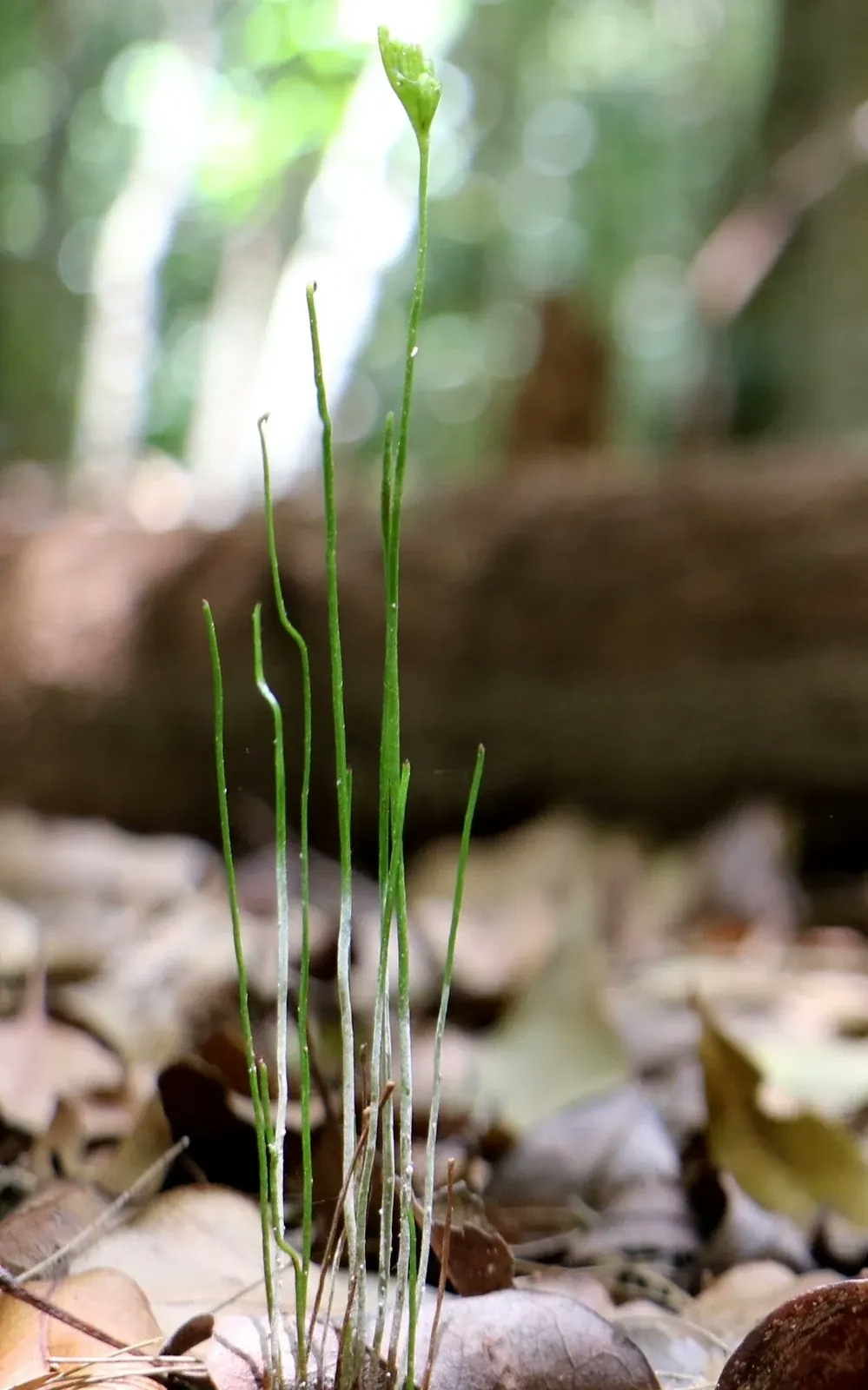
ferns profile: Reed Comb Fern (Schizaea fistulosa) is a small native fern with narrow upright, almost rush-like fronds and tiny fertile combs at the tips. It is assessed as At Risk - Naturally Uncommon in New Zealand. Unlike the forked fan fern Schizaea dichotoma, this species has simple slender stipes and is strongly associated with open poor-soil habitats such as gumland, pakihi, peat, and damp scrub.
Plant Description
Identification and Physical Characteristics
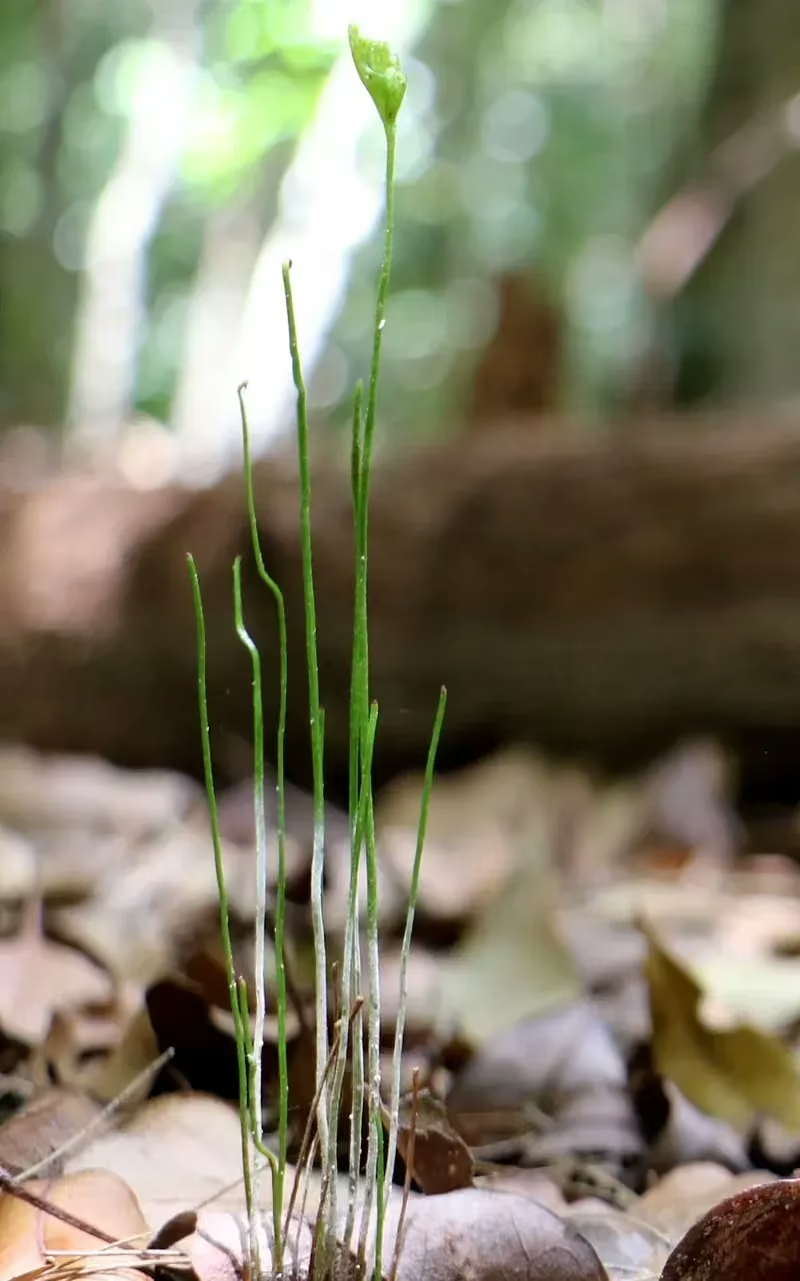
The fern produces thin wiry fronds from creeping underground rhizomes. Sterile parts are narrow, upright, and reed-like, while fertile tips carry small comb-like pinnae bearing sporangia. Plants can be difficult to see among rushes, sedges, mosses, and low scrub. The habitat and simple narrow frond form separate it from the broader, repeatedly forked Schizaea dichotoma.
Quick Facts
| Scientific Name | Schizaea fistulosa |
|---|---|
| Height | Usually 5 - 35 cm |
| Spread | Sparse colonies from creeping rhizomes |
| Water Needs | Moderate to high |
| Light | Open sun to light scrub shade |
| Frost Tolerance | Moderate |
| Salt Tolerance | Low |
| Growth Rate | Slow and habitat-dependent |
| Lifespan | Perennial small fern |
Climate Best Suited to
Reed Comb Fern suits open humid sites with poor acidic soils, seasonal dampness, and low competition, especially in northern and western districts.
Regional Suitability
| City | Climate Suitability |
|---|---|
| Auckland | High only in matched gumland or peatland-style habitats |
| Wellington | Medium in specialist damp poor-soil collections |
| Christchurch | Low except in carefully managed bog or pakihi displays |
| Nelson | Medium in poor wet open soils and specialist collections |
Plant Habitat
Natural Occurrence and Ecology
The species is associated with gumland, peatland, pakihi, damp open scrub, poor clay, and low-fertility wet soils. These habitats are often vulnerable to drainage, fertiliser drift, earthworks, pine forestry conversion, weed invasion, and shading as scrub closes.
Growing Requirements
Soil Requirements
Use acidic, low-fertility, damp but aerated soils, not rich garden compost.
- Gumland clay
- Peaty sand
- Pakihi-style soil
Light Requirements
Open light is important because the tiny stems are easily shaded by rank grasses and shrubs.
- Open sun
- Light scrub
- No dense groundcover
Water Requirements
Maintain seasonal dampness without stagnant, nutrient-rich water.
- Damp poor soil
- No fertiliser runoff
- Avoid complete drying
Planting and Establishing
Establishment Guidance
Plant only legally propagated material in a specialist habitat bed or authorised restoration project. Prepare low-fertility acidic soil, keep taller weeds out, and avoid mulch that buries the tiny fronds. Ordinary fertile garden beds are unsuitable.
Ecological Role
Biodiversity and Ecosystem Impact
Reed Comb Fern is part of the specialised open wet-heath and poor-soil fern flora. Its sparse growth makes it vulnerable to changes that seem minor, such as a little fertiliser, drainage, track widening, or rank grass growth. Protecting the habitat is more important than trying to make the fern grow quickly.
Uses & Significance
Garden Uses
Use only in specialist bog, gumland, or conservation collections with accurate sourcing.
- Specialist poor-soil beds
- Gumland displays
- Conservation collections
Ecological Value
It represents rare poor-soil wetland and open-scrub fern habitats.
- Gumland diversity
- Pakihi habitat
- Low-competition fern niche
Landscaping Uses
This is a specialist conservation plant, not an ornamental mass fern. Display it with low sedges, sundews, wire rushes, mosses, and other poor-soil plants, with a clear edge so the small comb tips can be seen.
Seasonal Care Calendar
Spring
New reed-like fronds emerge through moss and low sedges.
Summer
Prevent drying but avoid nutrient-rich irrigation runoff.
Autumn
Remove encroaching weeds before they shade plants.
Winter
Keep drainage natural and avoid trampling wet soil.
When to Prune and How Much
Do not prune. Hand-remove weeds and coarse litter carefully around the small fronds.
- Hand-weed
- Avoid trampling
- Do not cut fronds
Always use clean, sharp tools and avoid disturbing new growth.
How to Grow Reed Comb Fern
Specialist Spore Culture
Propagation should be attempted only with authorised material and source records. Collect mature fertile tips sparingly, dry them cleanly, and sow spores on sterile low-nutrient acidic medium. Keep the culture humid in bright shade and avoid fertiliser. Early plants are extremely small and slow, so contamination control and patience matter. Do not use rich potting mixes that favour algae, moss overgrowth, or rank seedlings. For restoration, source material should match the local gumland, peatland, or pakihi system rather than being moved casually across regions.
- Use authorised fertile tips
- Sow on low-nutrient medium
- Keep humid and clean
- Maintain local source records
From Cultivated Rhizome Pieces
Division is possible only from well-established cultivated material. Lift a tiny section with rhizome and attached poor-soil substrate, place it into a matching damp acidic bed, and water gently. Do not divide wild colonies. Disturbance can damage the fine rhizomes and alter the delicate soil surface. Division should be used to protect a known accession or expand a specialist collection, not to create quick display plants.
- Use cultivated material only
- Keep substrate attached
- Plant into matching poor soil
- Avoid repeated disturbance
Maintaining Poor-Soil Habitat
Long-term care is habitat management. Keep the bed open, damp, acidic, and low in nutrients. Remove grasses, gorse seedlings, and rank shrubs before they shade the tiny fern. Keep compost, lawn fertiliser, and nutrient-rich runoff away. Do not mulch heavily. In restoration sites, monitor hydrology because drying or permanent flooding can both remove the narrow niche. The plant should be allowed to persist slowly rather than being pushed with standard nursery feeding.
- Maintain open light
- Keep nutrients low
- Control rank weeds
- Protect natural hydrology
Pests & Diseases
Habitat change, shading, drainage, fertiliser, and trampling are the main threats. Slugs may graze young cultivated fronds in enclosed beds.
This Reed Comb Fern note is specific to Schizaea fistulosa, connecting identification, habitat context, and practical care so the section remains useful for readers comparing New Zealand plant profiles.
Cultural Significance
The comb-fern form is a distinctive part of New Zealand's small-fern flora. Its habitats, including gumlands and pakihi, are culturally and ecologically significant landscapes that have often been heavily modified.
- Comb-fern form
- Gumland and pakihi habitats
- Naturally uncommon
Bonus Tip
Mark planting spots with discreet labels, because dormant or sparse plants are easy to weed out accidentally.
This Reed Comb Fern note is specific to Schizaea fistulosa, connecting identification, habitat context, and practical care so the section remains useful for readers comparing New Zealand plant profiles.
Related Plants
Compare Reed Comb Fern with other specialised New Zealand ferns of open poor soils.


Plant Conservation
Conservation Status and Threats
Schizaea fistulosa is assessed as At Risk - Naturally Uncommon. Protect poor wet soils from drainage, fertiliser, weed invasion, forestry conversion, and trampling.
Frequently Asked Questions
Is Reed Comb Fern native to New Zealand?
Yes. It is indigenous and naturally uncommon.
Does it grow in ordinary wet garden soil?
No. It needs low-fertility acidic poor soils with open light.
Is it the same as Schizaea dichotoma?
No. Schizaea fistulosa has narrow reed-like fronds rather than a forked fan shape.
Sources and Further Reading
The botanical, growing, and conservation details for Reed Comb Fern draw on authoritative New Zealand plant references and taxonomic databases.