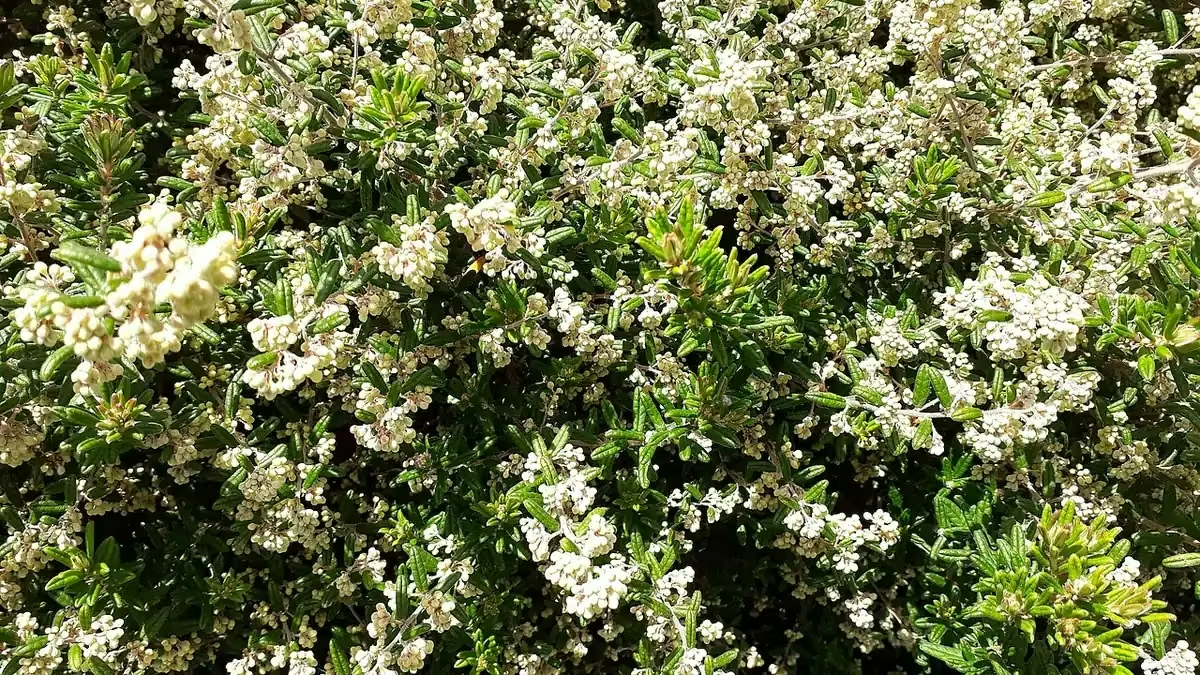
Tainui
Pomaderris phylicifolia
Last updated:
shrubs profile: Tainui (Pomaderris phylicifolia) is a native Rhamnaceae shrub with narrow leaves and soft pale yellow flower clusters. New Zealand conservation sources treat it as At Risk - Naturally Uncommon. It is a distinctive warm-site shrub associated with coastal and lowland scrub, open forest margins, and historically significant sites around northern and central New Zealand.
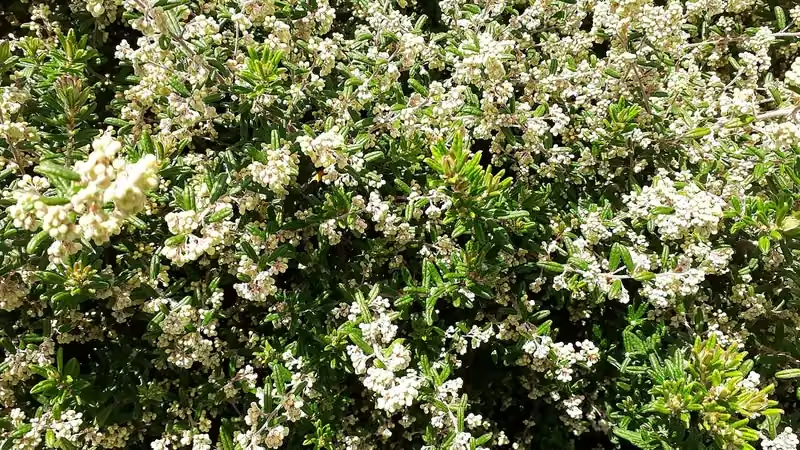
Plant Description
Identification and Physical Characteristics
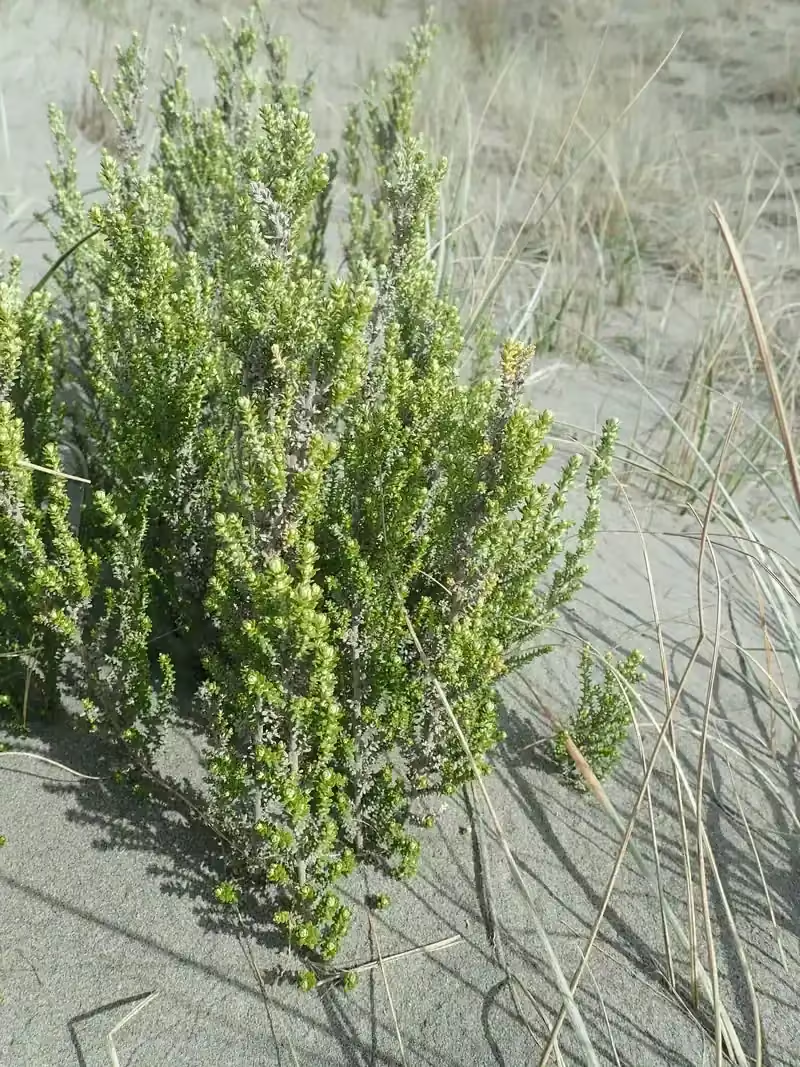
Tainui is usually a rounded shrub or small tree with slender branchlets and narrow, often slightly rolled leaves that are green above and paler or hairy beneath. The flowers are small but numerous, gathered in fluffy clusters that create a pale yellow display. The plant is more open and finer textured than kūmarahou and is valued as an attractive but conservation-sensitive shrub for suitable native gardens.
Quick Facts
| Scientific Name | Pomaderris phylicifolia |
|---|---|
| Height | Usually 1.5 - 4 metres |
| Spread | Rounded shrub to small tree |
| Water Needs | Low to moderate |
| Light | Full sun to open light |
| Frost Tolerance | Low to moderate |
| Salt Tolerance | Moderate in coastal shelter |
| Growth Rate | Moderate |
| Lifespan | Short to medium-lived shrub |
Climate Best Suited to
Tainui suits warm, free-draining, open sites, especially coastal or lowland scrub climates with protection from severe frost.
Regional Suitability
| City | Climate Suitability |
|---|---|
| Auckland | High in warm coastal and lowland scrub plantings |
| Wellington | Medium in sheltered coastal sites |
| Christchurch | Low to medium in warm dry protected gardens |
| Nelson | Medium to high in sheltered sunny coastal plantings |
Plant Habitat
Natural Occurrence and Ecology
Tainui is associated with open scrub, coastal and lowland margins, banks, and warm free-draining soils. It needs light and does not persist well under heavy shade. Because many populations are small or local, planting should use source-aware stock and avoid mixing unrelated material into wild populations.
Growing Requirements
Soil Requirements
Free-draining, low to moderate fertility soils suit Tainui, especially sandy, gravelly, or clay-bank scrub soils.
- Coastal scrub soil
- Dry banks
- Lean free-draining loam
Light Requirements
Full sun and open scrub light encourage dense growth and flowering.
- Full sun
- Open scrub
- Avoid deep shade
Water Requirements
Water during establishment, then allow plants to adapt to seasonal dry spells without heavy irrigation.
- Moderate establishment water
- Drought tolerant once settled
- No wet feet
Planting and Establishing
Establishment Guidance
Plant Tainui in a sunny, sheltered, free-draining position. Use legally sourced nursery plants, preferably with local provenance for restoration. Mulch lightly, keep grass away, and protect from browsing. Do not plant directly under fast-growing canopy trees where shade will quickly suppress the shrub.
Ecological Role
Biodiversity and Ecosystem Impact
Tainui belongs to the open-scrub flora that flowers strongly in sunny margins and supports small insects. Its naturally uncommon status reflects restricted and often scattered populations rather than garden difficulty alone. In restoration it can help restore open native shrubland character when habitat management keeps competing canopy growth and weeds in balance.
Uses & Significance
Garden Uses
Use in warm coastal native gardens, rare-plant collections, and open scrub restoration.
- Coastal shrub borders
- Threatened plant collections
- Open scrub restoration
Ecological Value
It adds naturally uncommon shrub diversity and seasonal flowers to warm open habitats.
- Pollinator flowers
- Scrub diversity
- Local seed source
Landscaping Uses
Tainui is attractive enough for ornamental native gardens but should still be treated as conservation stock. Use it with mānuka, kānuka, tauhinu, mingimingi, akeake, and dryland grasses. Allow space for its rounded form rather than clipping it tightly.
Seasonal Care Calendar
Spring
Flower clusters develop and new shoots extend.
Summer
Water only during severe drought once established.
Autumn
Seed can be collected from authorised plants when mature.
Winter
Light structural pruning and weed control are easiest.
When to Prune and How Much
Prune lightly after flowering to remove dead wood and keep a compact shape. Avoid severe cuts into old wood unless regrowth is visible.
- Prune after flowering
- Remove dead stems
- Maintain open light
Always use clean, sharp tools and avoid disturbing new growth.
How to Grow Tainui
From Seed
Seed propagation should use permitted, source-recorded seed from healthy plants. Collect mature capsules before seed is lost, dry them in a contained packet, and sow into a lean free-draining seed mix. Germination can be irregular and may benefit from natural temperature cycling, so keep trays labelled and do not discard them too quickly. Seedlings should be grown in bright light and hardened early to avoid soft growth. For restoration, collect from multiple parent plants where possible and keep seedlines separate until planting plans confirm appropriate provenance.
- Collect permitted mature seed
- Dry capsules safely
- Sow in lean mix
- Keep source records
From Cuttings
Semi-hardwood cuttings are useful for insurance collections and named cultivated plants. Take firm current-season shoots after flowering, trim lower leaves, and set cuttings into gritty propagation medium under humidity. Avoid very soft tips and avoid rich wet media. Once rooted, harden plants into bright shelter and pot on before roots circle tightly. Cuttings preserve a single genotype, so they are best paired with seed propagation when population recovery is the aim.
- Take firm shoots
- Use gritty medium
- Root under humidity
- Harden in bright shelter
Establishing Open Scrub Plants
Choose sunny open ground and remove grass before planting. Plant in autumn or spring after rain, water deeply, and mulch lightly. Protect from rabbits, hares, stock, and accidental herbicide drift. Keep surrounding vegetation low enough for the shrub to receive strong light, but avoid creating hot bare soil that dries seedlings. In restoration areas, monitor plants through flowering and seed set so natural recruitment can be encouraged instead of relying only on repeated planting.
- Prepare sunny weed-free soil
- Plant after rain
- Protect from browsing
- Maintain open light
Pests & Diseases
Browsing, drought during establishment, grass competition, and shade are the main problems. Nursery seedlings can be vulnerable to damping-off if overwatered.
This Tainui note is specific to Pomaderris phylicifolia, connecting identification, habitat context, and practical care so the section remains useful for readers comparing New Zealand plant profiles.
Cultural Significance
The name Tainui has strong regional and historical associations in Aotearoa, and the plant has often been linked with valued coastal and settlement landscapes. Accurate source records help protect both botanical and cultural meaning.
- Tainui name
- Open scrub heritage
- Source-aware planting
Bonus Tip
Plant it where flowers can be viewed against a dark evergreen backdrop, but keep that backdrop far enough away that it does not shade the shrub.
Related Plants
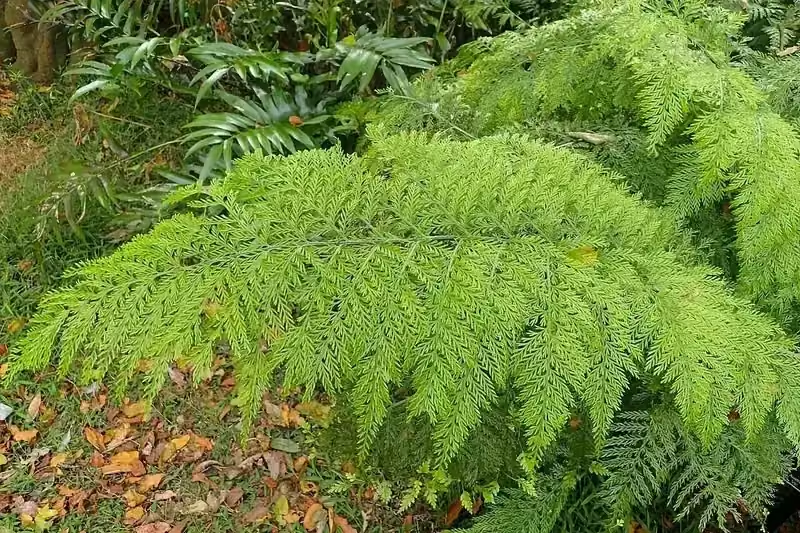
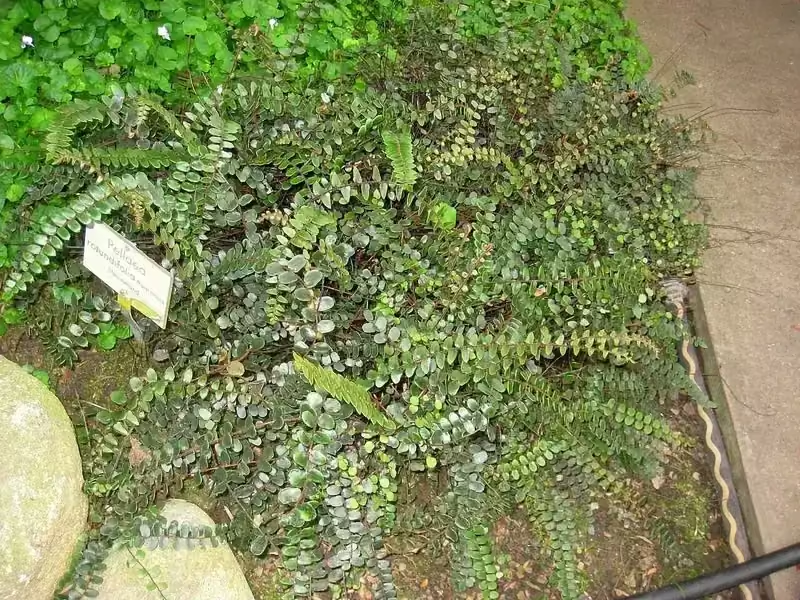
Compare Tainui with other New Zealand Pomaderris and open-scrub shrubs.
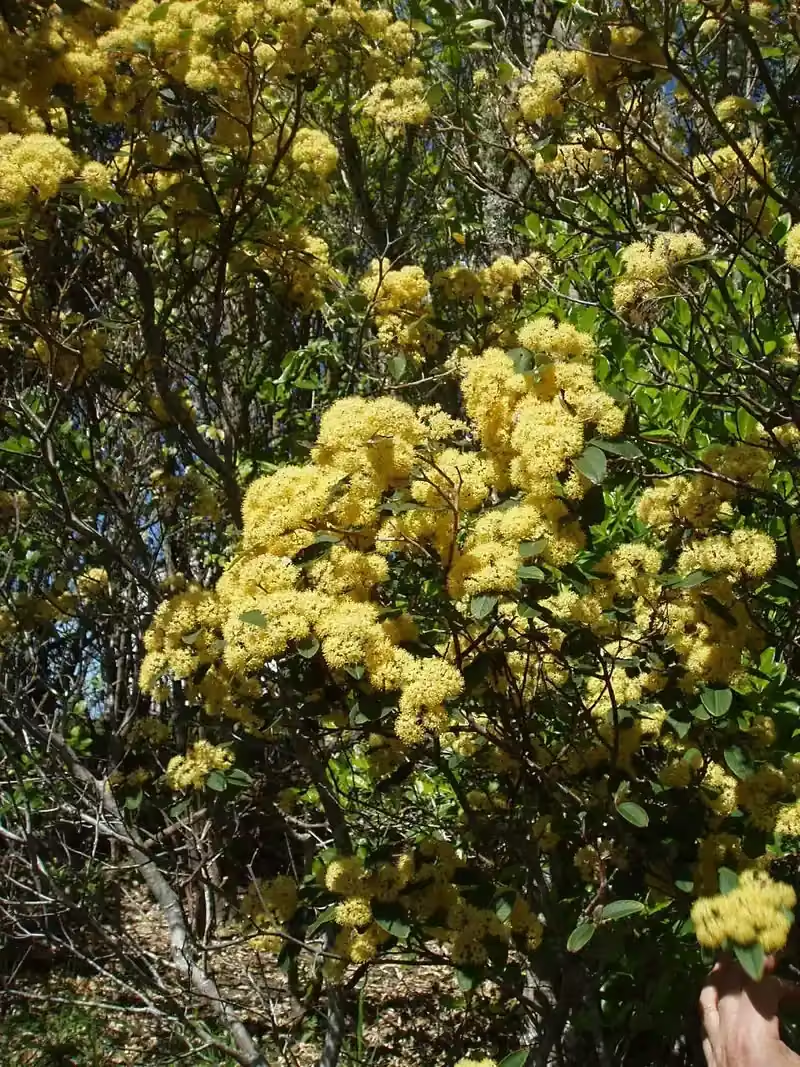
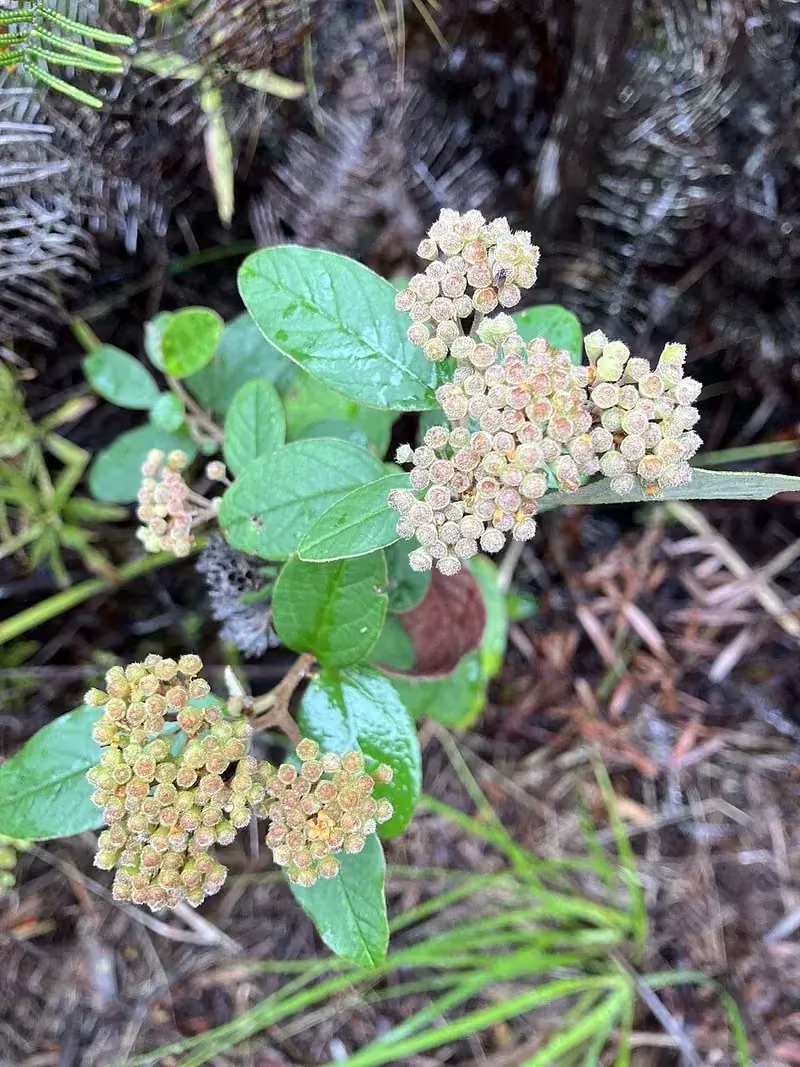



Plant Conservation
Conservation Status and Threats
Pomaderris phylicifolia is assessed as At Risk - Naturally Uncommon. Retain open scrub habitat, control browsing and weeds, avoid herbicide drift, and use provenance-managed plants for any restoration or enhancement work.
Frequently Asked Questions
Is Tainui native to New Zealand?
Yes. It is a native shrub and is treated as naturally uncommon.
Does it need shade?
No. It needs open light and can decline under heavy canopy shade.
Can it be grown in gardens?
Yes, in warm sunny free-draining sites using legally sourced plants.
Sources and Further Reading
The botanical, growing, and conservation details for Tainui draw on authoritative New Zealand plant references and taxonomic databases.