Tauhinu
Ozothamnus leptophyllus
Last updated:
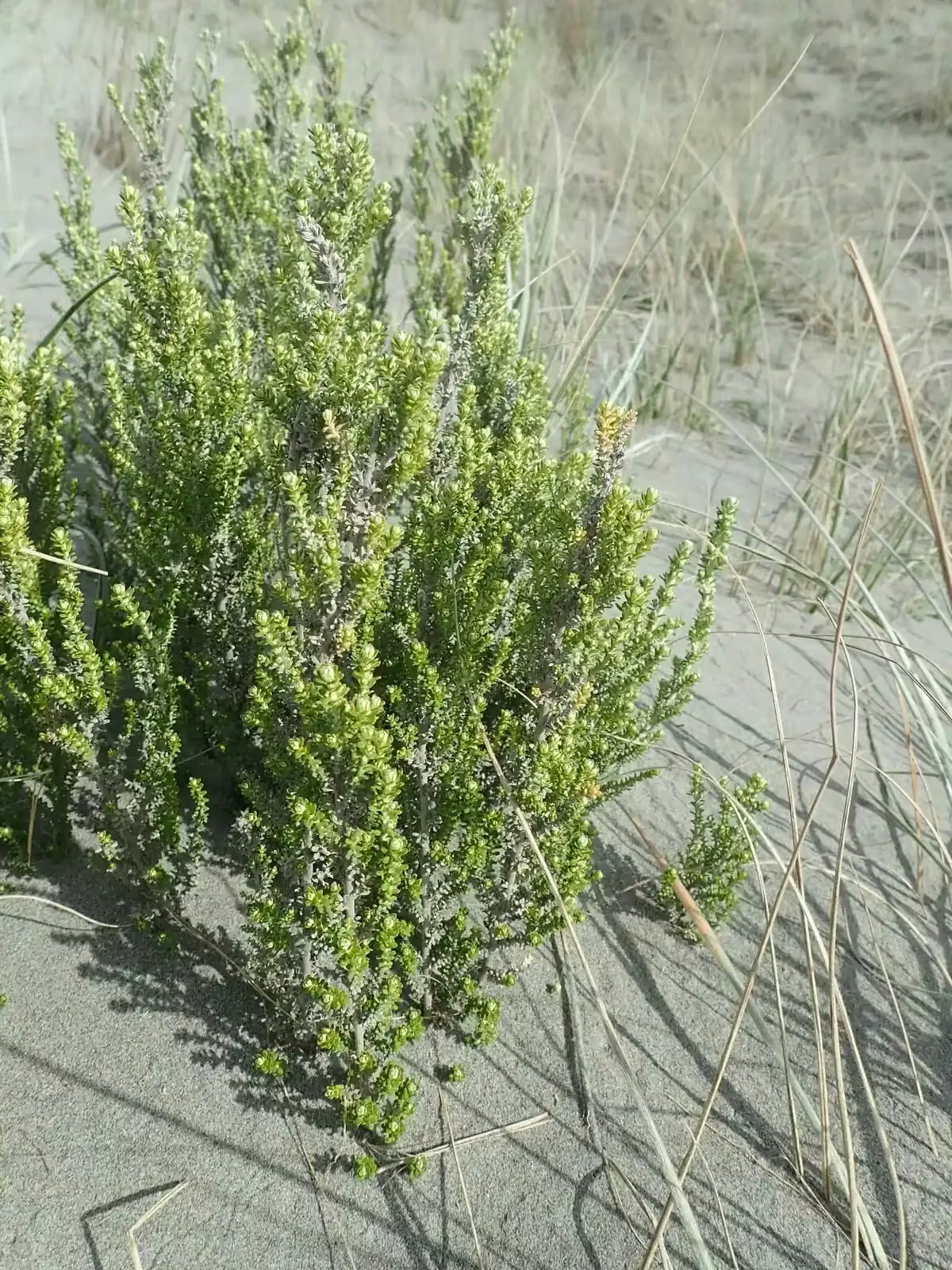
shrubs profile: Tauhinu (Ozothamnus leptophyllus) is an endemic New Zealand shrub formerly known as Cassinia leptophylla. Flora of New Zealand treats Ozothamnus leptophyllus as the current name and records it as indigenous and endemic. It is common in coastal to lower mountain shrubland and can behave as a scrub weed in eastern hill-country pasture.
Plant Description
Identification and Physical Characteristics
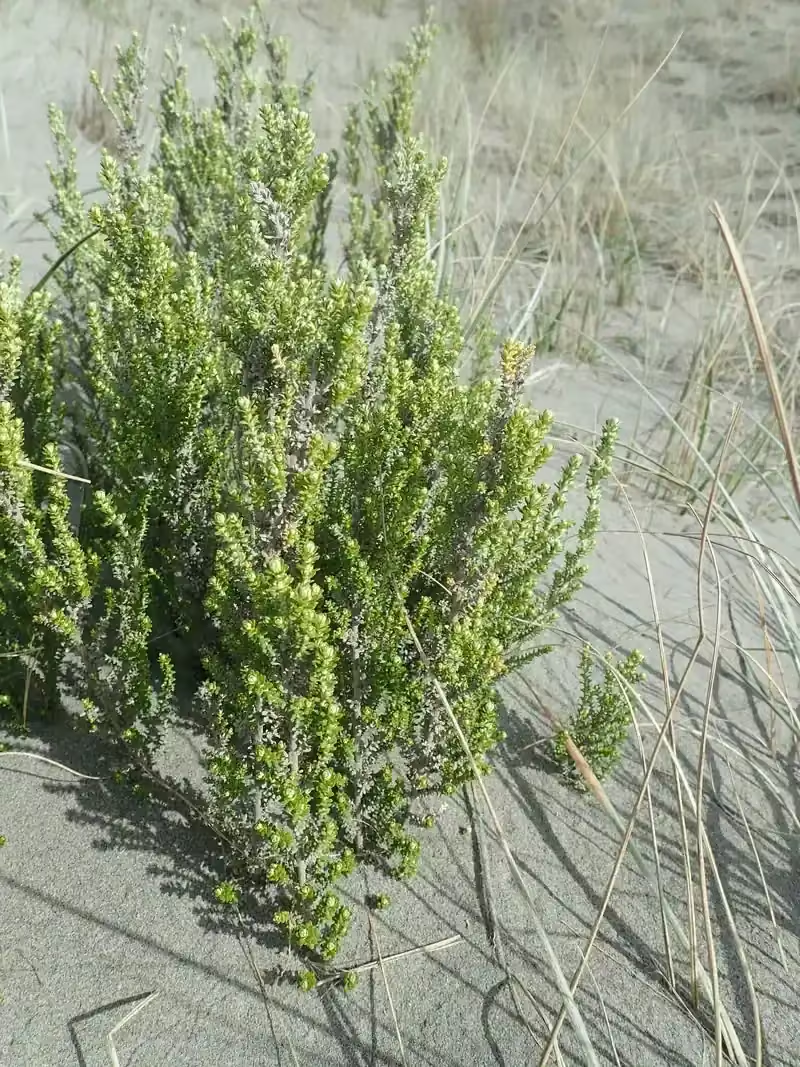
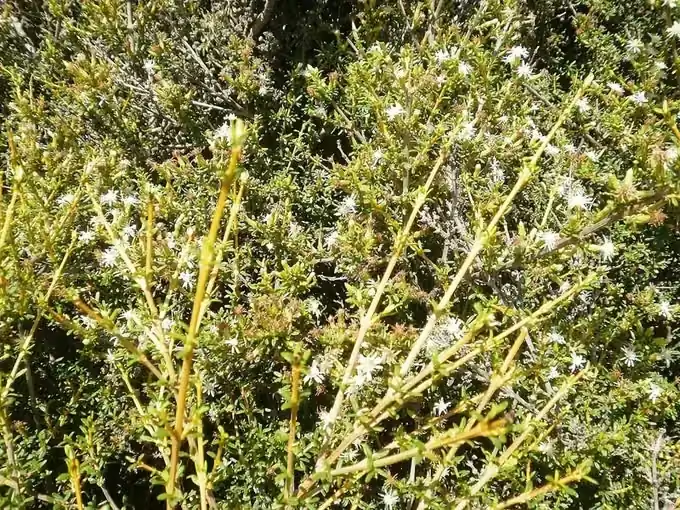
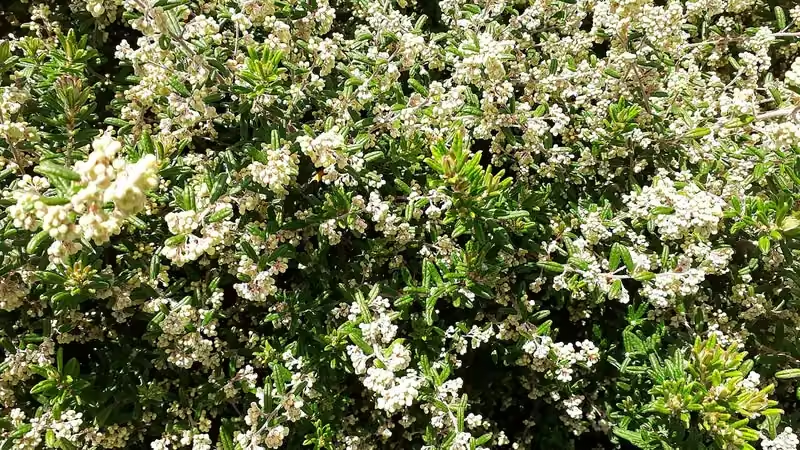
Tauhinu is a small, many-branched shrub usually under three metres but recorded to five metres. Stems are densely tomentose and may be glandular. Leaves are tiny, narrow-oblong to narrow-obovate or elliptic, often with white tomentum below and sometimes yellowish glandular hairs. The small white flower heads are carried in dense rounded corymbs. Its fine foliage can resemble mānuka at a glance, but the small daisy-family flower heads and cottony leaf undersides are distinctive.
Quick Facts
| Scientific Name | Ozothamnus leptophyllus |
|---|---|
| Height | Usually 0.5 - 3 metres, sometimes to 5 metres |
| Spread | Dense many-branched shrub |
| Water Needs | Low to moderate |
| Light | Full sun |
| Frost Tolerance | Moderate |
| Salt Tolerance | Moderate in coastal exposure |
| Growth Rate | Fast on open dry sites |
| Lifespan | Short to medium-lived shrub |
Climate Best Suited to
Tauhinu suits sunny, open, dry to moderately moist New Zealand conditions, especially coastal, eastern, and lower hill-country sites.
Regional Suitability
| City | Climate Suitability |
|---|---|
| Auckland | Medium to high in sunny coastal and scrub sites |
| Wellington | High on exposed sunny banks and coastal shrubland |
| Christchurch | High in dry open shrubland and hill-country conditions |
| Nelson | High in sunny coastal and lower hill sites |
Plant Habitat
Natural Occurrence and Ecology
University of Auckland describes it as an endemic species common in coastal to lower mountain shrubland throughout New Zealand. Massey notes that it is a native perennial scrub species that can become a hill-country pasture weed, especially in eastern districts from Wairoa to Otago, where grazing pressure and pasture competition are weak.
Growing Requirements
Soil Requirements
Lean, free-draining soils suit tauhinu, including coastal sands, dry banks, and hill-country pasture margins.
- Dry banks
- Coastal soils
- Low fertility hill soils
Light Requirements
Full sun keeps plants compact and flowering; shade produces weak open growth.
- Full sun
- Open shrubland
- Avoid deep shade
Water Requirements
Once established it handles dry spells, but young plants need enough moisture to root into exposed soil.
- Moderate establishment water
- Drought tolerant once settled
- Good drainage
Planting and Establishing
Establishment Guidance
Plant tauhinu where a tough native shrub is wanted for sunny banks, coastal edges, and rough restoration sites. It is not ideal beside high-quality pasture, where it can become an agricultural scrub problem. Use small plants, mulch lightly, and avoid rich feeding. Prune early if a denser garden form is needed.
Ecological Role
Biodiversity and Ecosystem Impact
Tauhinu is an early to mid-successional shrub that stabilises open ground, provides fine shelter, and contributes wind-dispersed daisy-family seed to scrubland regeneration. In pastoral systems it can form dense stands when competition is low, but in native shrubland it helps create cover for later species and drought-hardy invertebrate habitat.
Uses & Significance
Garden Uses
Use in dry native shrubland gardens, coastal shelter, rough banks, and low-input restoration sites.
- Dry banks
- Coastal shrubland
- Open restoration areas
Ecological Value
It provides hardy native shrub cover and pioneer structure on exposed sites.
- Soil shelter
- Scrub succession
- Wind-dispersed seed
Landscaping Uses
Tauhinu gives a soft grey-green texture and works well with mānuka, kānuka, mingimingi, coprosmas, grasses, and dryland daisies. Use it in informal massing rather than clipped formal borders. On farms, place it deliberately in conservation margins rather than where pasture production is required.
Seasonal Care Calendar
Spring
New shoots extend and flower buds develop on sunny plants.
Summer
Plants tolerate dry exposure once rooted.
Autumn
Seed heads mature and cuttings can be prepared from firm growth.
Winter
Light pruning can tidy wind-battered shrubs.
When to Prune and How Much
Prune lightly after flowering or in late winter to reduce legginess and maintain a dense shrub. Avoid cutting into old bare wood unless regrowth points are visible.
- Tip-prune young plants
- Remove wind damage
- Avoid severe old-wood cuts
Always use clean, sharp tools and avoid disturbing new growth.
How to Grow Tauhinu
From Seed
Tauhinu produces small wind-dispersed seed from dry daisy heads. Collect seed from local, healthy plants when heads are mature and dry, then sow thinly onto a free-draining native seed mix. Cover only lightly because the seed is small. Keep trays in bright light with gentle moisture and good airflow. Seedlings should be pricked out while young and grown hard rather than lush. For restoration, collect from nearby natural populations so plants match local conditions and do not introduce unusual forms into existing shrubland.
- Collect mature dry heads
- Sow seed thinly
- Keep bright and lightly moist
- Prick out young seedlings
From Cuttings
Semi-hardwood cuttings can be taken from firm current-season growth. Use short pieces, remove lower leaves, and insert into a gritty cutting mix under light humidity. Tauhinu does not need rich media; excessive fertility encourages soft weak growth. Once rooted, harden plants in full light before planting out. Cuttings are useful for maintaining a compact or unusually silver form, while seed is better for genetically diverse revegetation work.
- Take firm short shoots
- Use gritty cutting mix
- Root under light humidity
- Harden in full light
Establishing on Dry Sites
Prepare the site by controlling grass and weeds before planting. Plant small hardened nursery stock into moist soil after rain, water deeply, and mulch lightly with gravel, bark, or coarse organic material. Do not irrigate heavily once plants are established, because the aim is a tough dryland shrub rather than soft growth. In pasture-edge sites, decide early whether tauhinu is wanted as native cover or should be controlled before it forms dense scrub.
- Control grass first
- Plant after rain
- Water during establishment
- Limit later irrigation
Pests & Diseases
Tauhinu is generally hardy. Problems include legginess in shade, wind breakage on exposed sites, and unwanted spread into pasture. Scale insects can occur on stressed plants.
Cultural Significance
Tauhinu is a widely used Māori and common name for this native shrub. Its older botanical placement in Cassinia remains common in older books, nursery labels, and farming weed literature.
- Tauhinu name
- Former Cassinia name
- Dry shrubland species
Bonus Tip
Use tauhinu as a nurse shrub on dry banks, then let longer-lived native trees and shrubs rise through it over time.
This Tauhinu note is specific to Ozothamnus leptophyllus, connecting identification, habitat context, and practical care so the section remains useful for readers comparing New Zealand plant profiles.
Related Plants
Compare Tauhinu with other hardy native shrubs of dry or open habitats.




Plant Conservation
Conservation Status and Threats
Tauhinu is a secure native shrub in many places, although some forms and local variants have had different historical conservation treatments. In restoration it should be used with site-appropriate local provenance and with awareness of its scrub-forming behaviour in pasture landscapes.
Frequently Asked Questions
Was tauhinu formerly Cassinia leptophylla?
Yes. That older name is a synonym of Ozothamnus leptophyllus.
Is tauhinu native?
Yes. It is endemic to New Zealand.
Can it become weedy?
Yes. It can become a scrub weed in hill-country pasture, especially where pasture competition is weak.
Sources and Further Reading
The botanical, growing, and conservation details for Tauhinu draw on authoritative New Zealand plant references and taxonomic databases.