Kūmarahou
Pomaderris kumeraho
Last updated:
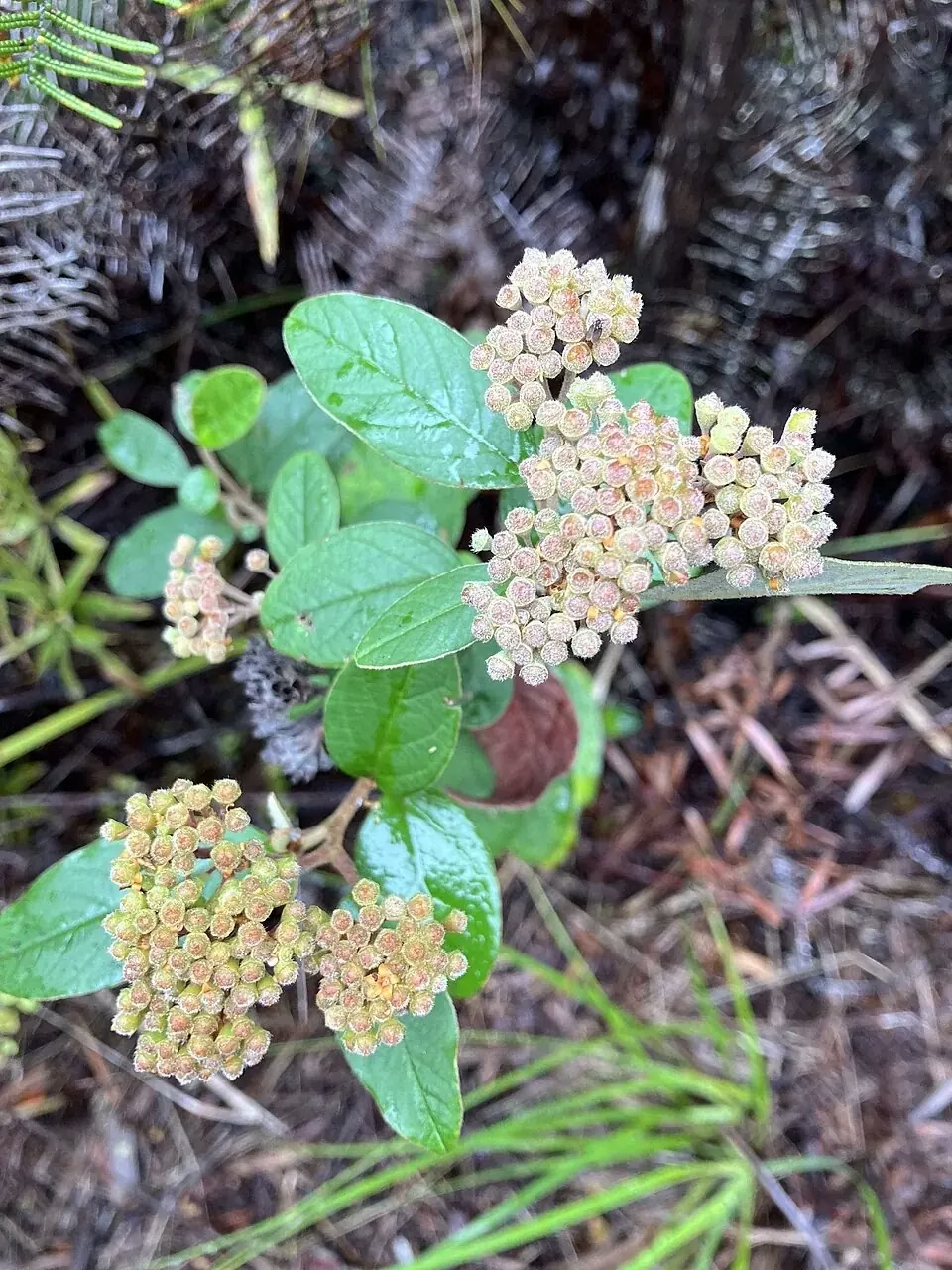
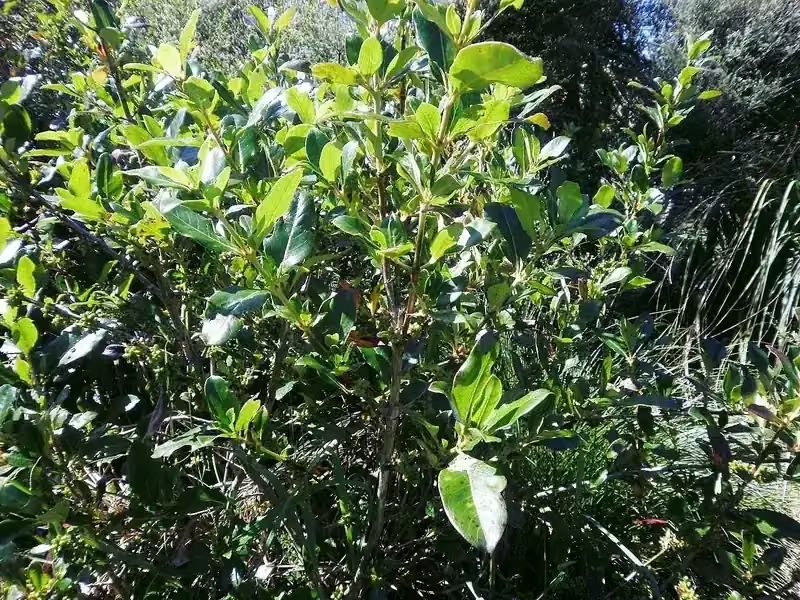
Kumarahou (Pomaderris kumeraho), also called gumdigger's soap or golden tainui, is a branching shrub endemic to the northern North Island of New Zealand. It grows 1 to 4 metres tall, with oval, serrated leaves that are soft and velvety underneath. For a brief three weeks between September and October it produces dense, rounded clusters of small, pale yellow to golden flowers. A fast-growing pioneer of gumlands and nutrient-poor clay soils, it is short-lived at 4 to 7 years and prefers full sun. It holds deep cultural significance to Māori as a seasonal planting indicator. Explore more native shrubs in our native plant guide.
Plant Description
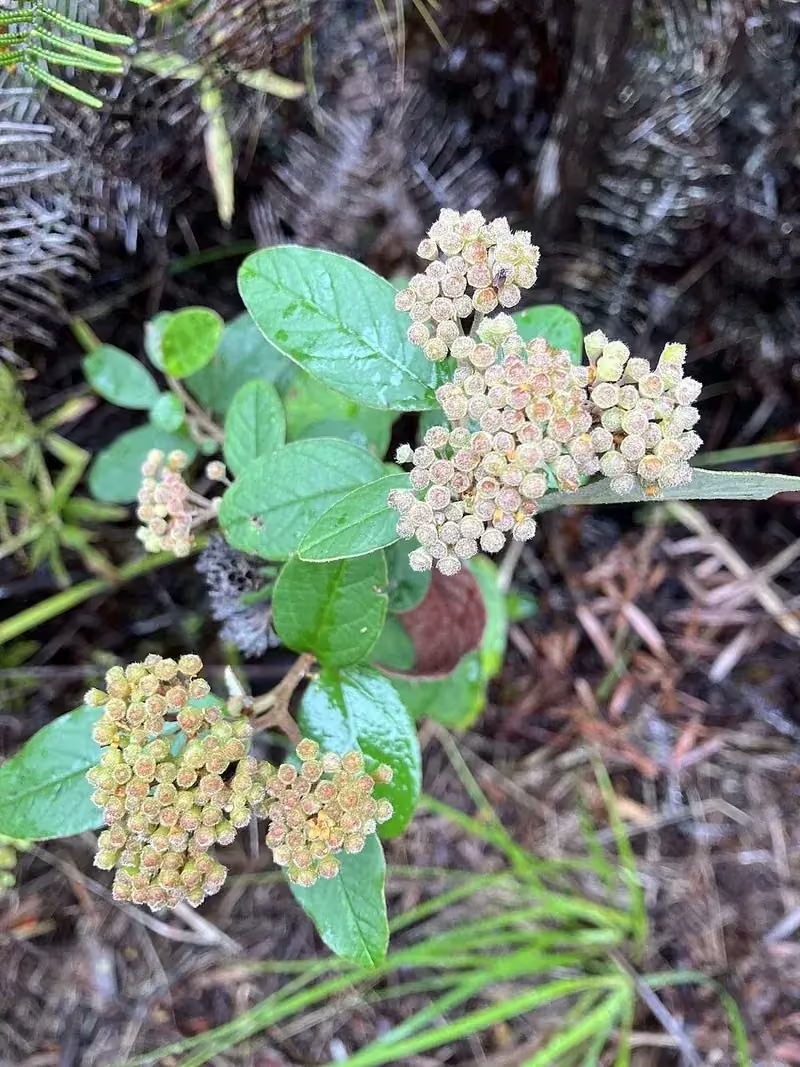
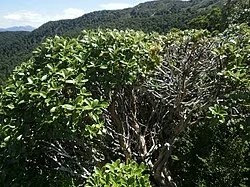
Pomaderris kumeraho , also known as Kūmarahou, gumdigger's soap, or golden tainui, is a distinctive branching shrub endemic to the North Island of New Zealand. This attractive deciduous shrub typically grows 1-3 metres tall and 1-2 metres wide, though it can reach up to 4 metres in optimal conditions. The plant is characterized by its dense, round clusters of small, pale yellow to golden flowers that appear for a spectacular but brief three-week period between September and October. The leaves are oval-shaped, serrated, and have a soft, velvety texture on the undersides. The bark is grey-brown and becomes slightly furrowed with age. Kūmarahou has a relatively short lifespan of 4-7 years, making it a pioneer species in ecological succession. Its natural distribution extends from Te Paki in the far north to just south of Kawhia Harbour and Te Kuiti in the west, and to the northern Bay of Plenty in the east.
Quick Facts
| Scientific Name | Pomaderris kumeraho |
|---|---|
| Height | 1-4 metres |
| Spread | 1-2 metres |
| Water Needs | Moderate; drought tolerant when established |
| Light | Full sun |
| Frost Tolerance | Light frosts only |
| Salt Tolerance | Moderate |
| Growth Rate | Fast |
| Lifespan | Short-lived (4-7 years) |
Climate Best Suited to
Pomaderris kumeraho thrives in warm, humid coastal and lowland climates typical of northern New Zealand. It prefers sheltered positions with full sun exposure and excellent drainage.
Regional Suitability
| City | Climate Suitability |
|---|---|
| Auckland | High |
| Hamilton | High |
| Tauranga | High |
| Wellington | Medium |
| Christchurch | Low |
Plant Habitat
Pomaderris kumeraho naturally occurs in coastal to lowland areas in open, early to mid-successional habitats throughout the northern North Island. It is commonly found on roadside banks, in gumland vegetation, scrubby areas, and occasionally in forest edges. This pioneer species thrives in nutrient-poor, clay soils and exposed sites, often colonizing disturbed ground. It grows from sea level up to about 600 metres elevation, preferring sunny, well-drained locations with minimal competition from other plants. The species plays an important role in ecological succession, helping to stabilize soil and create conditions for other native plants to establish. Its natural habitat includes coastal cliffs, stream banks, forest margins, and areas recovering from disturbance such as logging or land clearance.
Growing Requirements
Soil Requirements
Thrives in nutrient-poor, well-draining soil. Excellent for clay soils and exposed sites.
- Well-drained
- Clay tolerant
- Low fertility preferred
Light Requirements
Requires full sun for optimal flowering and growth.
- Full sun
- Sheltered from strong winds
Water Requirements
Drought tolerant once established. Avoid waterlogged conditions.
- Low to moderate water needs
- Good drainage essential
Planting and Establishing
Plant Pomaderris kumeraho in autumn when soils are moist and warm to allow good root system development. Choose a sunny, well-drained site and prepare a hole twice the diameter of the root ball. Ensure the root ball is thoroughly saturated before planting and remove containers with minimal root disturbance. Plant at the same level as in the container and backfill with native soil, avoiding the addition of compost or fertilizer as this plant prefers nutrient-poor conditions. Water thoroughly after planting and apply mulch around the base, keeping it clear of the stem. Space plants 1-1.5 metres apart for mass plantings to allow for natural spread and airflow. Young plants should be watered consistently during their first year, especially during dry spells.
Ecological Role
Pomaderris kumeraho plays a crucial role as a pioneer species in New Zealand's ecological succession. Its ability to colonize nutrient-poor, disturbed soils makes it valuable for soil stabilization and habitat restoration. The abundant spring flowers provide important nectar for native bees, butterflies, and other pollinators during a critical period when few other plants are flowering. The shrub's relatively short lifespan allows it to quickly establish on bare ground, creating shelter and improved soil conditions that enable longer-lived native trees and shrubs to establish. Its presence helps restore degraded landscapes and provides temporary habitat for small birds and insects. The plant's nitrogen-fixing properties, typical of many Rhamnaceae family members, help improve soil fertility for subsequent vegetation.
Uses & Significance
Garden Uses
Excellent for difficult sites with poor soils, erosion control, and coastal gardens.
- Difficult sites
- Erosion control
- Spring flower display
- Pioneer planting
Ecological Value
Provides nectar for pollinators and habitat for native fauna.
- Native bees
- Butterflies
- Small birds
- Soil improvement
Landscaping Uses
In landscaping, Kūmarahou is invaluable for challenging sites where other plants struggle to establish. Its spectacular golden flower display in spring makes it an excellent choice for seasonal interest, particularly in naturalistic plantings and restoration projects. The plant works well in mass plantings on slopes for erosion control, in coastal gardens where salt tolerance is required, and as a temporary nurse plant while slower-growing native species establish. Its relatively short lifespan makes it ideal for transitional plantings that will eventually be succeeded by longer-lived natives. The dense flower clusters create stunning visual impact and can be used as a focal point during the brief flowering season.
Seasonal Care Calendar
Spring
Enjoy the spectacular flowering display. Light pruning after flowers fade.
- Peak flowering period
- Post-flowering pruning
- Seed collection
Summer
Monitor for drought stress in young plants. Avoid fertilizing.
- Water young plants
- Mulch maintenance
- Monitor for pests
Autumn
Ideal planting time. Prepare sites for new plantings.
- Plant new specimens
- Collect seeds
- Site preparation
Winter
Protect from frost in colder areas. Plan future plantings.
- Frost protection
- Minimal intervention
When to Prune and How Much
Light pruning immediately after flowering helps maintain shape and encourages bushier growth.
- Prune after flowering
- Remove dead or damaged wood
- Light shaping only
Kūmarahou requires minimal pruning due to its naturally compact growth habit and relatively short lifespan. The best time to prune is immediately after the spring flowering period, allowing the plant to recover and set buds for the following year's display. Focus on removing any dead, damaged, or crossing branches, and lightly shape the plant if necessary. Avoid heavy pruning as this can stress the plant and reduce flowering. Given its pioneer nature and short lifespan, major structural pruning is rarely needed or recommended.
How to Grow Kūmarahou
Cultivating Kūmarahou ( Pomaderris kumeraho ) is a rewarding endeavor for any gardener interested in New Zealand's unique flora. This species can be propagated through several methods, each requiring specific conditions to ensure healthy growth and establishment. Successful propagation depends on mimicking the plant's natural environment and providing consistent care during the early stages of development.
From Seed
Propagation from seed is often the most effective way to produce a large number of Kūmarahou plants. Seeds should be collected when they are fully mature. Freshly collected seeds generally have higher germination rates than those that have been stored for long periods.
Seed germination can be challenging without proper treatment due to hard seed coats that prevent water uptake.
- Collect fresh seeds when pods split open naturally
- Scarify seeds with sandpaper or acid treatment
- Soak treated seeds in warm water for 24 hours
- Sow in free-draining seed-raising mix
- Maintain consistent moisture and warmth
With proper scarification treatment, germination rates can reach up to 97% within 2-3 weeks.
From Cuttings
For those wishing to replicate specific characteristics of a parent plant, vegetative propagation via cuttings is the preferred method. This technique ensures that the new plants are genetically identical to the source. Semi-hardwood cuttings taken during the appropriate season usually yield the best results for this species.
Take semi-hardwood cuttings from healthy, disease-free plants during late summer to early autumn.
- Select 10-15cm semi-hardwood cuttings
- Remove lower leaves and treat with rooting hormone
- Insert in untreated sawdust or sand mix
- Maintain high humidity and filtered light
Additional Methods
Depending on the growth habit of Kūmarahou, other methods such as division or layering might also be viable options. Division is particularly suitable for plants that form dense clumps or have spreading root systems, while layering can be used for species with trailing or flexible stems.
Natural regeneration often occurs from root suckers or self-seeding in suitable conditions.
- Encourage natural self-seeding by minimal soil disturbance
- Collect and transplant volunteer seedlings
- Allow mature plants to complete their natural cycle
Pests & Diseases
Kūmarahou is relatively disease-resistant but can be susceptible to root rot (Phytophthora) and verticillium wilt, particularly in poorly drained soils or overly rich conditions. Good drainage and avoiding fertilizer applications significantly reduce disease risk. The plant may occasionally be affected by aphids or scale insects, but these are rarely serious problems in healthy plants. Caterpillars may sometimes feed on foliage but damage is usually minor. The best defense against pests and diseases is maintaining optimal growing conditions with excellent drainage, full sun exposure, and avoiding over-watering or fertilizing.
Cultural Significance
Pomaderris kumeraho holds profound cultural significance for Māori, particularly as a seasonal indicator. The name Kūmarahou combines 'kūmara' (sweet potato) and 'hou' (new), referring to the plant's flowers being a traditional sign that it was time to plant kūmara crops. The yellow blossoms also indicated when toheroa harvesting should cease to allow these shellfish to replenish over summer. The plant was known as 'gumdigger's soap' because its flowers create a lather when rubbed with water, a property utilized by 19th-century kauri gum diggers. Traditional Māori medicine used infusions of the leaves to treat respiratory ailments and skin disorders, while the flowers and leaves were used as poultices for wounds and sores. The plant's saponin content gave it valuable cleansing properties, and it was used both as soap and for its soothing emollient effects in bathing.
- Seasonal planting indicator
- Traditional medicine
- Natural soap substitute
- Wound treatment
Bonus Tip
Take advantage of Kūmarahou's brief but spectacular flowering season by planting in groups for maximum visual impact. The golden flower clusters are also excellent for cutting and bringing indoors, where they'll perfume rooms with their subtle honey-like fragrance. Remember that this pioneer plant will naturally decline after 4-7 years, so plan succession plantings or allow natural regeneration to occur through self-seeding to maintain continuous coverage in restoration areas.
Related Plants
Explore other native plants that share similar characteristics or habitats with Kūmarahou ( Pomaderris kumeraho ), offering further insights into New Zealand's diverse flora. These related species provide context and opportunities for complementary planting in your garden.




Plant Conservation
Pomaderris kumeraho is currently classified as "Not Threatened" in New Zealand according to the New Zealand Threat Classification System. However, like many native plants, it faces ongoing pressures from habitat loss due to urban development, agricultural conversion, and the spread of invasive weeds. The species' natural range has been significantly reduced from historical levels, particularly in coastal areas where development pressure is intense. Climate change may also impact its distribution as warmer, drier conditions could affect its preferred habitat. Conservation efforts focus on protecting remaining natural populations, particularly in coastal reserves, and encouraging cultivation in appropriate garden settings. The plant's value as a pioneer species makes it important for ecological restoration projects, where it can help re-establish native vegetation on disturbed sites. Its relatively short generation time and excellent seed production make it resilient to conservation efforts when suitable habitat is protected or restored.
Frequently Asked Questions
How tall does kumarahou grow?
Kumarahou grows 1 to 4 metres tall and 1 to 2 metres wide.
When does kumarahou flower?
It flowers for about three weeks between September and October.
How fast does kumarahou grow?
It grows fast but is short-lived, lasting about 4 to 7 years.
Where does kumarahou grow naturally?
It grows in coastal to lowland gumlands and clay soils of the northern North Island.
Sources and Further Reading
The botanical, growing, and conservation details for Kūmarahou (Pomaderris kumeraho) on this page draw on authoritative New Zealand plant references and citizen-science observation records. Consult the sources below for full technical records and the latest distribution data.