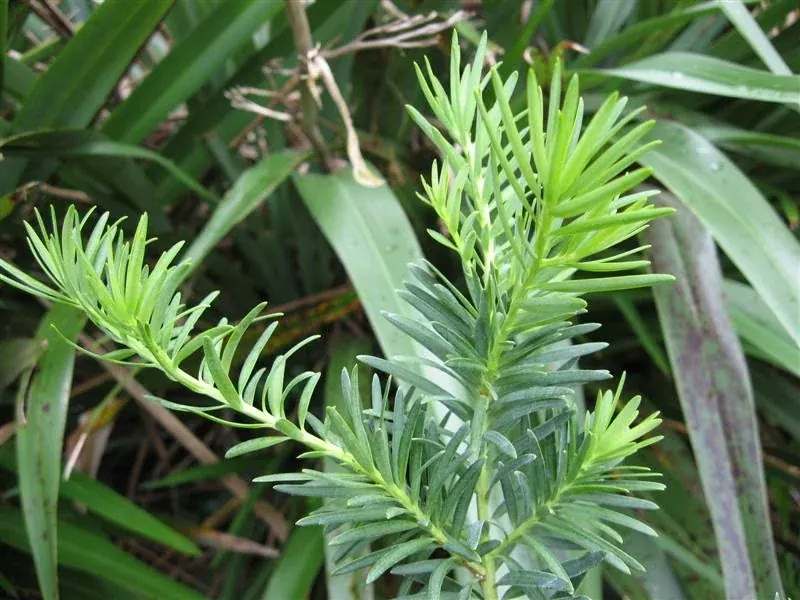
Monoao
Dracophyllum subulatum
Last updated:
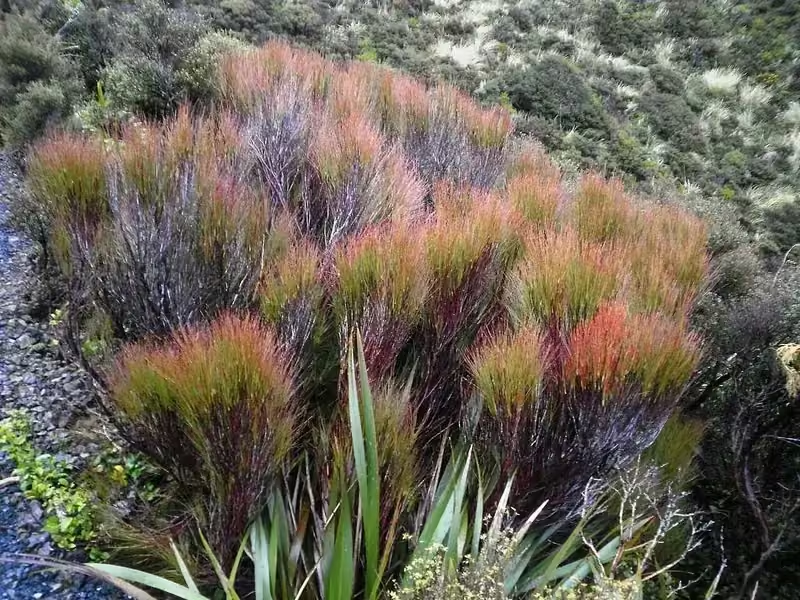
shrubs profile: Monoao (Dracophyllum subulatum) is an endemic shrub of the central North Island volcanic plateau. conservation profile describes it as a multi-stemmed, grassy-looking shrub with thin twigs, narrow linear leaves, and small terminal flower clusters. It is strongly associated with frost-flat vegetation on pumice and rhyolitic tephra, where it can be locally dominant.

Plant Description
Identification and Physical Characteristics
This shrub usually grows from about 0.3 to 2 metres tall, with many slender stems and very narrow leaves. Adult leaves are olive to dark green, linear to linear-subulate, and only about 0.5 to 1.2 millimetres wide. Flowers are white to light pink and held in short terminal spikes on lateral branches. The combination of fine branchlets, juvenile leaves, small few-flowered inflorescences, white-margined flower bracts, and reticulate seeds helps distinguish it from related Dracophyllum species.
Quick Facts
| Scientific Name | Dracophyllum subulatum |
|---|---|
| Height | 0.3 - 2 metres |
| Spread | Multi-stemmed shrub clumps |
| Water Needs | Low to moderate once established |
| Light | Full sun to open frost-flat light |
| Frost Tolerance | Very high |
| Salt Tolerance | Low |
| Growth Rate | Slow to moderate |
| Lifespan | Long-lived shrub |
Climate Best Suited to
Monoao is best suited to cool inland volcanic plateau climates with frost, open light, free-draining pumice soils, and low fertility. It is not a coastal or humid forest shrub.
Regional Suitability
| City | Climate Suitability |
|---|---|
| Auckland | Low because humid lowland conditions do not match its frost-flat habitat |
| Wellington | Low to medium only in open, lean, frost-tolerant plantings |
| Christchurch | Medium in open free-draining acidic sites with low fertility |
| Nelson | Low to medium in cool inland gardens with sharp drainage |
Plant Habitat
Natural Occurrence and Ecology
conservation profile records Monoao from the Central Volcanic Plateau and adjacent ranges from around Rotorua and Te Kuiti south to near Taihape. It is confined mainly to elevations of about 100 to 1220 metres and is associated with frost flats. The plant is virtually confined to pumiceous soils and rhyolitic tephra mantles, where monoao-dominated shrubland forms a distinctive vegetation type.
Growing Requirements
Soil Requirements
Acidic, free-draining pumice or tephra soils with low fertility and open exposure.
- Pumice soils
- Rhyolitic tephra
- Low nutrient levels
Light Requirements
Open sun is essential for compact growth and flowering.
- Full sun
- Open shrubland
- No dense canopy
Water Requirements
Establish with careful watering, then keep on the dry side with excellent drainage.
- Moderate establishment water
- Drought tolerance once rooted
- Avoid wet heavy soil
Planting and Establishing
Establishment Guidance
Plant Monoao in an open, frost-hardy shrubland setting with acidic, sharply drained mineral soil. Avoid rich compost, lime, and sheltered humid borders. Space plants so air moves freely around the fine foliage, and mulch with pumice, gravel, or coarse bark rather than lush organic mulch. Water during the first summer only enough to establish roots, then let the plant harden to lean conditions.
Ecological Role
Biodiversity and Ecosystem Impact
Monoao is an important structural shrub in central North Island frost flats, a vegetation type that has declined through conversion to pine plantation and farmland. Its dense fine foliage shelters small plants and invertebrates, while its dominance helps define a distinctive volcanic plateau shrubland. The spread of heather and land-use change are important habitat pressures even though the species itself is currently assessed as Not Threatened.
Uses & Significance
Garden Uses
Use in frost-hardy native shrublands, dry volcanic gardens, and ecological displays of Central Plateau vegetation.
- Frost-flat displays
- Pumice gardens
- Open native shrublands
Ecological Value
It represents a distinctive Central North Island frost-flat ecosystem and supports dry open shrubland structure.
- Frost-flat shrubland
- Volcanic plateau endemic
- Low-fertility habitat
Landscaping Uses
Monoao suits naturalistic plantings where fine texture, toughness, and ecological specificity matter more than lush growth. Combine it with other open, frost-tolerant shrubs and tussockland species from lean volcanic soils. It is a poor fit for irrigated amenity beds, heavy clay, shaded forest margins, or warm coastal gardens.
Seasonal Care Calendar
Spring
New shoot growth resumes after winter cold.
Summer
Water new plants during drought but keep soils lean and drained.
Autumn
Good planting season on free-draining sites.
Winter
Plants tolerate frost and open cold exposure.
When to Prune and How Much
Pruning should be light. Remove dead or broken twigs and avoid shearing the naturally fine branching habit. Heavy trimming can spoil the form and stimulate weak growth if combined with rich soil or irrigation.
- Remove dead twigs
- Avoid shearing
- Keep natural form
Always use clean, sharp tools and avoid disturbing new growth.
How to Grow Monoao
From Seed
Grow Monoao from seed where seed has been collected legally from appropriate local sources. Sow the fine seed on a sterile, acidic, low-nutrient mix with pumice or coarse sand. Press seed onto the surface rather than burying it deeply, then keep the tray in bright light with steady but not excessive moisture. Seedlings are small and should be pricked out only when they can be handled without damaging the fine roots. Avoid high fertiliser, because the species is adapted to lean volcanic soils.
- Use legal local seed
- Sow on acidic pumice mix
- Keep bright and lightly moist
- Pot on carefully when sturdy
From Cuttings
Semi-hardwood cuttings may be attempted from healthy cultivated plants. Take small firm tips, remove the lower leaves, and place them in a sharply drained propagation mix under mist or high humidity. Use very low nutrient conditions and avoid soft lush stock plants. Rooting may be slow, so keep cuttings clean, bright, and protected from overheating. Once rooted, harden young plants gradually to open light and cooler night temperatures.
- Take firm tip cuttings
- Use sharp sterile mix
- Keep humid but not wet
- Harden gradually after rooting
Establishing in Frost-Flat Plantings
Plant young Monoao into open mineral soil in autumn or spring. Dig only enough to settle the root ball and avoid enriching the planting hole. A gravel or pumice mulch helps suppress weeds without creating wet organic conditions. Water through the first dry season, then reduce support. Weed control is important because vigorous grasses, heather, and pasture species can overwhelm young shrubs. The plant should develop slowly into a tough, fine-textured shrub rather than producing fast soft growth.
- Plant into open mineral soil
- Do not enrich the hole
- Use gravel or pumice mulch
- Control weeds while young
Pests & Diseases
Monoao is generally tough in suitable conditions. Problems usually come from habitat mismatch: wet heavy soil, shade, rich fertility, and competition from aggressive weeds such as heather. Browsing may affect young plants where pest animals are present.
Cultural Significance
Monoao is significant as a named endemic shrub of the central volcanic plateau and as a marker of frost-flat vegetation. It helps tell the story of open inland ecosystems that are easily overlooked beside forest and wetland conservation priorities.
- Central Plateau endemic
- Frost-flat vegetation marker
- Open shrubland identity
Bonus Tip
Use pumice mulch around young plants to echo their natural soil and prevent rich organic mulch from holding too much moisture at the stem base.
Related Plants
Compare Monoao with other native shrubs from open, cool, or low-fertility habitats. For another native shrub, explore Dwarf Cherry.




Plant Conservation
Conservation Status and Threats
conservation profile and Biota NZ list Monoao as Not Threatened. conservation profile also notes that monoao-dominated frost-flat vegetation has declined markedly over the last century through conversion to pine plantation and farmland, and may be affected by heather invasion. Conservation therefore depends on protecting the vegetation type as well as the species.
Frequently Asked Questions
Is Monoao endemic to New Zealand?
Yes. It is endemic to the central North Island volcanic plateau and adjacent ranges.
What habitat does it need?
Open frost-flat shrubland on pumiceous soils and rhyolitic tephra.
Is Monoao threatened?
The species is Not Threatened nationally, but its frost-flat vegetation type has declined.
Sources and Further Reading
The botanical, growing, and conservation details for Monoao draw on authoritative New Zealand plant references and taxonomic databases.