Annual Fern
Anogramma leptophylla
Last updated:
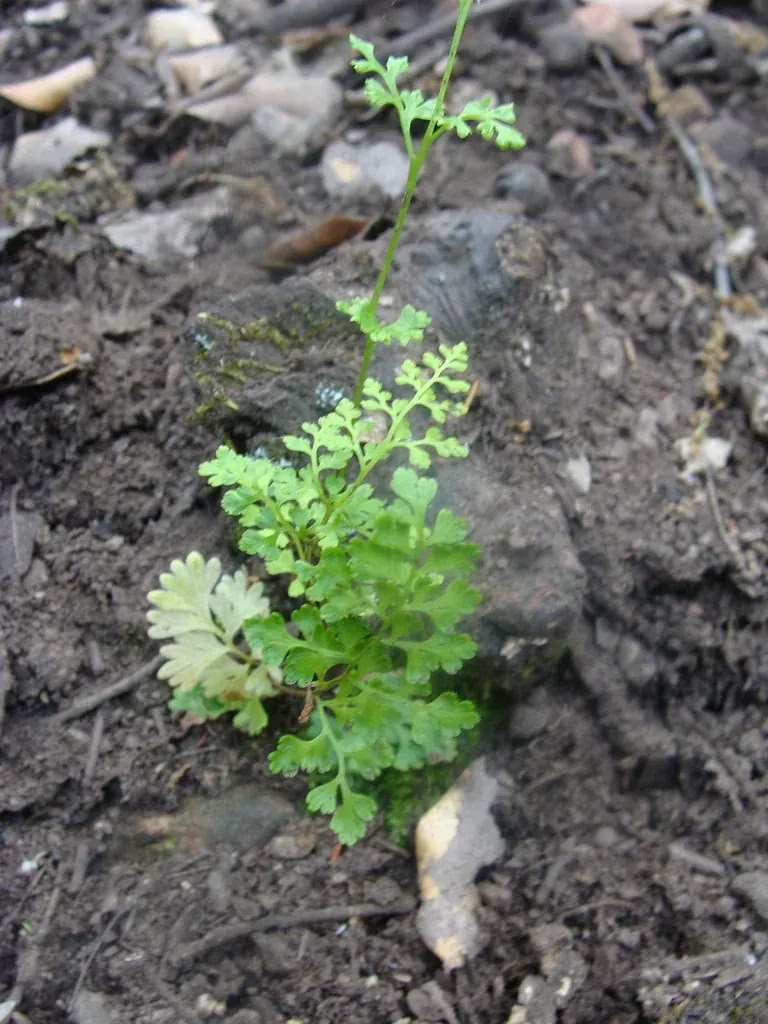
ferns profile: Annual Fern (Anogramma leptophylla) is a small indigenous, non-endemic fern in New Zealand, also known as Jersey fern. It is unusual because the visible fern is seasonal: plants appear after autumn and winter moisture, mature in late winter to spring, then die back as exposed banks and rock crevices dry. Flora of New Zealand records it from scattered lowland sites on dry rocky substrates, especially in eastern districts.

Plant Description
Identification and Physical Characteristics
This delicate fern has a very short rhizome, fine brown stipes, and pale green fronds that are pinnate to finely divided. The pinnae are fan-shaped to wedge-shaped and deeply lobed, giving the plant a light parsley-like outline. Fertile fronds carry sporangia along the veins, often covering much of the lower surface of the small segments at maturity. Its small size, glabrous laminae, annual habit, and exindusiate sori distinguish it from larger rock ferns that share the same dry habitats.
Quick Facts
| Scientific Name | Anogramma leptophylla |
|---|---|
| Height | Fronds usually 1 - 8 centimetres long |
| Spread | Small tufted seasonal plants |
| Water Needs | Seasonally moist in winter and spring, dry in summer dormancy |
| Light | Open light to light scrub shade |
| Frost Tolerance | Moderate where naturally exposed |
| Salt Tolerance | Moderate on sheltered coastal rocks |
| Growth Rate | Fast seasonal growth after rain |
| Lifespan | Annual visible fern with spores and perennial prothalli maintaining sites |
Climate Best Suited to
Annual Fern suits climates with winter and spring moisture followed by drier summers. It is most at home on exposed but not heavily shaded lowland banks, scoria, limestone, and dry coastal or eastern hill country microhabitats.
Regional Suitability
| City | Climate Suitability |
|---|---|
| Auckland | Medium in scoria and dry open banks where competition is low |
| Wellington | Medium on suitable dry rocky banks and coastal slopes |
| Christchurch | High in dry eastern rock habitats with winter moisture |
| Nelson | Medium where calcareous or rocky banks remain open |
Plant Habitat
Natural Occurrence and Ecology
In New Zealand this fern is recorded from lowland North Island sites from Auckland to Wellington, especially eastern districts, and from Marlborough Sounds to Banks Peninsula and Otago in the South Island. It grows on steep banks, rock faces, rock crevices, scoria bluffs, grassy streambanks, grassy hillsides, and shoreline rocks. Flora of New Zealand notes volcanic and calcareous substrates and frequent association with light scrub, kānuka margins, grasses, weedy species, and the liverwort Targionia hypophylla.
Growing Requirements
Soil Requirements
Lean mineral soil in rock crevices, scoria, limestone, or dry banks with little competition.
- Mineral and free-draining
- Seasonally moist
- Low fertility
Light Requirements
Open light, morning sun, or light scrub shade supports compact seasonal growth.
- Open rocky sites
- Light scrub margins
- Avoid deep shade
Water Requirements
Moisture is needed during germination and spring growth, followed by dry summer dormancy.
- Winter moisture
- Spring drying
- No summer irrigation over dormant sites
Planting and Establishing
Establishment Guidance
This fern is rarely a standard nursery subject and should not be moved from wild sites. In conservation settings, protect the open rocky microsite rather than trying to transplant plants. Maintain winter moisture patterns, prevent smothering by rank grass and weeds, and avoid adding rich soil or mulch. If cultivated from authorised spores, use a shallow tray of sterile mineral mix and recreate the natural seasonal wet-dry rhythm.
Ecological Role
Biodiversity and Ecosystem Impact
Annual Fern is part of a distinctive dry rock fern assemblage with species such as woolly cloak fern, rock fern, and other small spleenworts. It occupies small open gaps where larger plants struggle, stabilises fine soil in crevices, and contributes spores to a specialised seasonal fern community. Its vulnerability is tied to the loss of open rock habitat through weed invasion, shading, earthworks, and herbicide drift.
Uses & Significance
Garden Uses
Use only in carefully managed fern collections or dry rock gardens where spores are sourced legally and sites mimic natural mineral crevices.
- Dry rock gardens
- Conservation collections
- Educational fern displays
Ecological Value
Its main value is conservation of uncommon dryland fern habitat and seasonal rock-bank plant communities.
- Dry rock fern assemblages
- Winter-spring seasonal growth
- Threatened fern conservation
Landscaping Uses
Annual Fern is not a conventional landscaping plant because its visible growth is tiny and seasonal. Where cultivated, it belongs in a close-viewed rock tray, limestone crevice, scoria bank, or educational fern collection. Do not enrich the site or surround it with vigorous groundcovers, because open mineral surfaces and low competition are part of the habitat it needs.
Seasonal Care Calendar
Spring
Fertile fronds mature and shed spores before exposed sites dry.
Summer
Visible fronds usually die back as the substrate dries.
Autumn
Moisture triggers new gametophyte and fern growth at suitable sites.
Winter
Small fronds expand through cool damp conditions.
When to Prune and How Much
Pruning is not useful for this fern. Allow plants to mature, shed spores, and die back naturally. In managed sites, hand-remove competing weeds around the colony and keep trampling, scraping, and herbicide spray away from the rock face or bank.
- Do not cut living fronds
- Remove nearby weeds by hand
- Protect spore-bearing plants
Always use clean, sharp tools and avoid disturbing new growth.
How to Grow Annual Fern
From Spores
Propagation should use authorised spores from cultivated or permitted conservation material. Collect spores only when fertile fronds are mature and the sporangia are dry enough to shed. Sow very thinly on a sterile, low-nutrient mineral medium such as fine pumice, sand, and a little sieved leaf mould. Keep the tray humid and bright but out of direct sun. The gametophyte stage is important for this species, so avoid disturbing the surface when the first green film appears. Once tiny sporophytes form, gradually reduce humidity and keep the mix damp through winter and spring.
- Collect ripe authorised spores
- Sow thinly on sterile mineral mix
- Keep humid in bright shade
- Reduce humidity after small fronds form
Managing Seasonal Colonies
The most reliable way to maintain Annual Fern is to protect the microsite where it already grows. Keep rock crevices open, avoid fertiliser, and remove smothering grasses or weeds before they shade the tiny fronds. Do not irrigate heavily through summer, because the natural cycle includes dieback when the substrate dries. If plants grow in a conservation tray, mimic this rhythm by watering in autumn, winter, and early spring, then allowing a controlled dry period after spores have been released.
- Protect open rock and bank surfaces
- Remove smothering weeds
- Keep winter and spring moisture
- Allow dry summer dormancy
Establishing in Rock Crevices
For cultivated material, establish plants by moving small spore-raised plugs only after they have several fronds and a stable root system. Use shallow pockets of lean mineral mix pressed into scoria, limestone, or a rock-garden crevice. Water gently so the plug settles without washing away spores or fine roots. Provide light shade while the young plant adjusts, then expose it gradually to the brighter conditions that keep plants compact. Success depends on low competition, correct seasonal moisture, and patience, because the plant may be absent above ground during summer.
- Use spore-raised plugs
- Plant into lean crevices
- Water gently during establishment
- Expect summer dieback
Pests & Diseases
The main problems are habitat problems rather than pests: weed smothering, shading, trampling, bank disturbance, and inappropriate spraying. Slugs or small snails may graze tender fronds in damp weather, but heavy competition and loss of open mineral surfaces are usually more serious.
Cultural Significance
Annual Fern is significant as part of Aotearoa New Zealand's uncommon dryland fern flora. Its seasonal life cycle makes it easy to overlook, so accurate records and careful site protection are important. It is also useful for teaching that native fern conservation includes tiny annual species as well as large forest ferns.
- Uncommon dryland fern
- Seasonal native flora
- Useful for botanical education
Bonus Tip
Survey known sites in late winter or spring, because the fern can disappear from view once dry summer conditions arrive.
This Annual Fern note is specific to Anogramma leptophylla, connecting identification, habitat context, and practical care so the section remains useful for readers comparing New Zealand plant profiles.
Related Plants
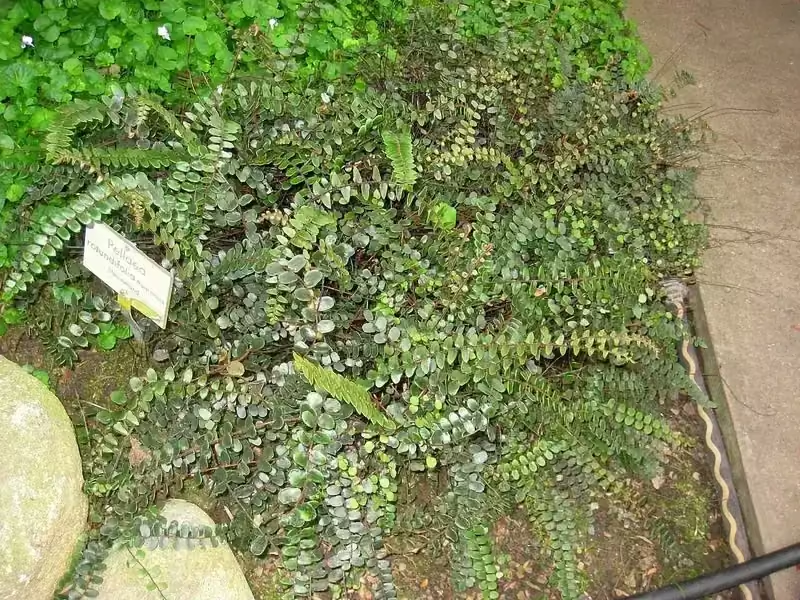
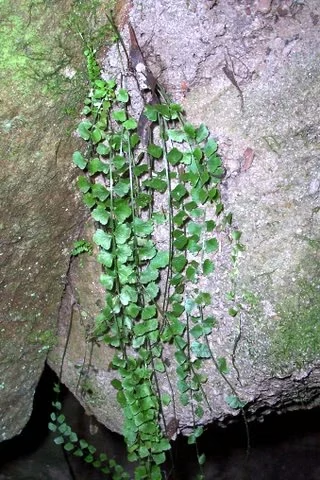
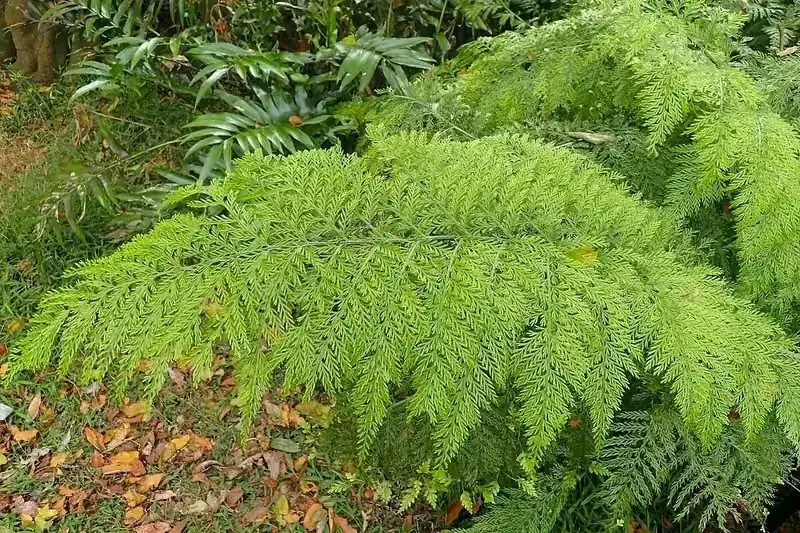
Compare Annual Fern with other dry rock and open-bank ferns of New Zealand.





Plant Conservation
Conservation Status and Threats
Flora of New Zealand records the species as indigenous and non-endemic, with a Nationally Vulnerable conservation status in recent New Zealand assessments. Biota NZ lists the name as current and indigenous with a vulnerable threat status. Protecting open dry rock habitats, avoiding earthworks, and controlling competitive weeds are more important than garden-style cultivation.
Frequently Asked Questions
Is Annual Fern native to New Zealand?
Yes. It is indigenous but not endemic, occurring also in other parts of the world.
Why is it called Annual Fern?
The visible fern grows seasonally, matures in winter and spring, and dies back when sites dry.
Where should it be searched for?
Look on open dry banks, scoria, limestone, rock crevices, and lightly scrubby slopes in late winter or spring.
Sources and Further Reading
The botanical, growing, and conservation details for Annual Fern draw on authoritative New Zealand plant references and taxonomic databases.