Spleenwort
Asplenium trichomanes
Last updated:
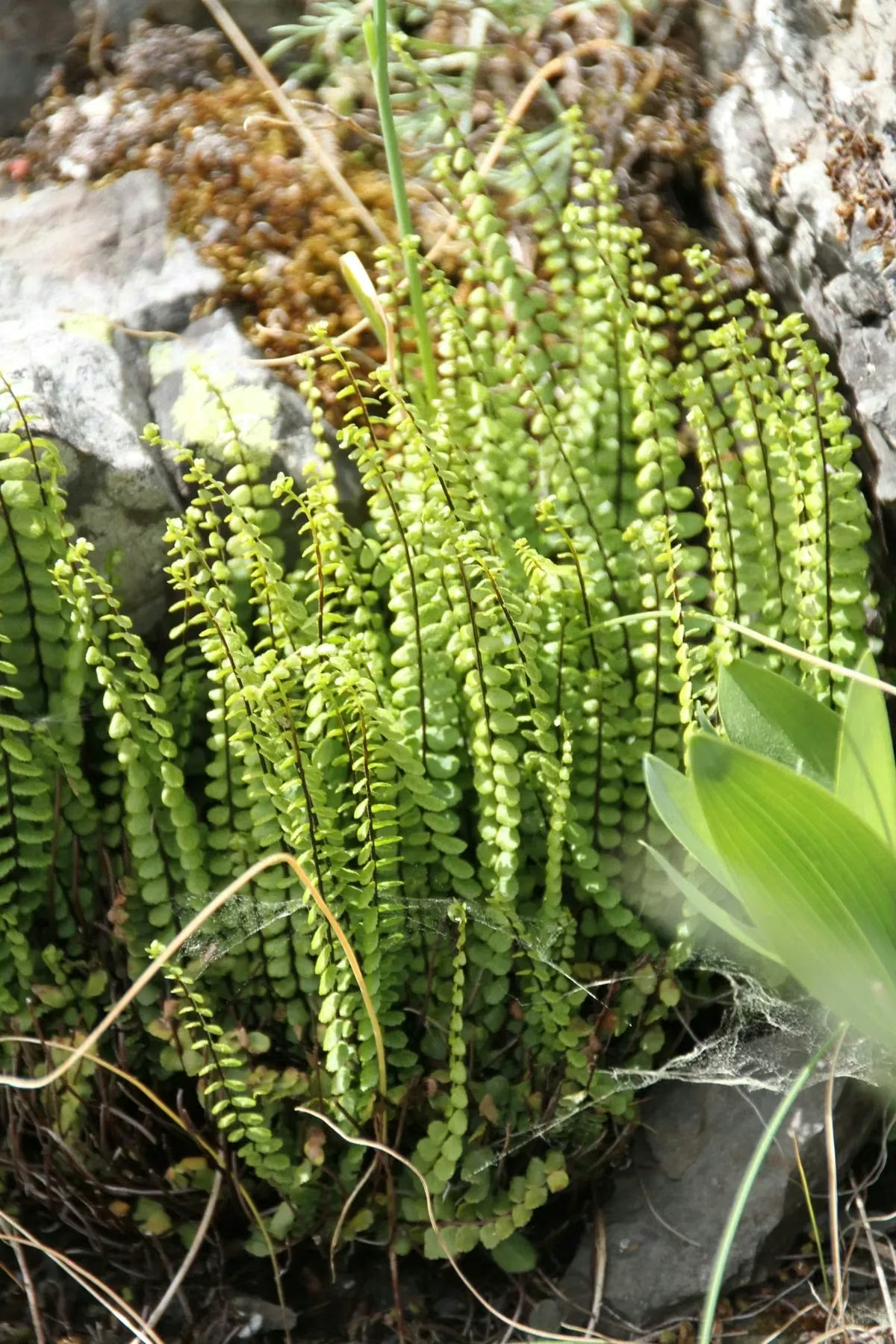
ferns profile: Spleenwort (Asplenium trichomanes) is an indigenous, non-endemic fern in New Zealand, recognised by narrow pinnate fronds and dark brown polished stipes and rachises. Flora of New Zealand treats the name broadly for the New Zealand plants, noting chromosome races and taxonomic questions, while conservation profile records the currently assessed national status as Not Threatened.
Plant Description
Identification and Physical Characteristics
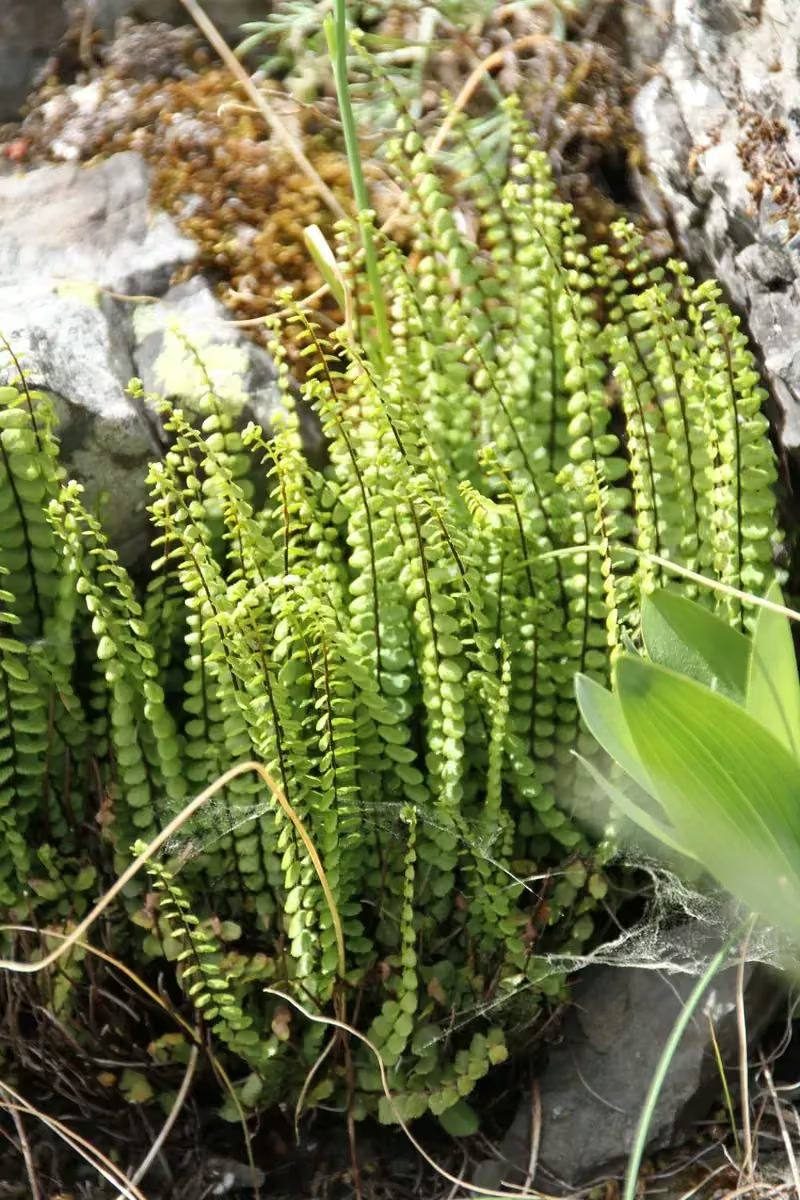
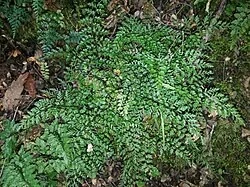
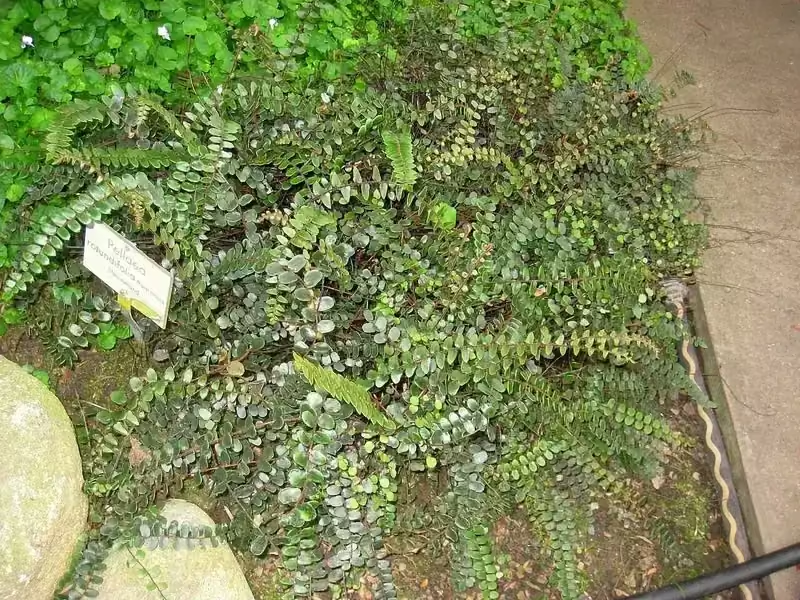
This species has short erect rhizomes with dark scales, stiff shiny dark brown stipes, and linear fronds with many small oblong to rounded pinnae. The fronds are usually 25 to 300 millimetres long and the sori are positioned away from the margin with narrow indusia. It differs from necklace fern by its brown rachis and by lacking the rooting extended rachis tips of that species.
Quick Facts
| Scientific Name | Asplenium trichomanes |
|---|---|
| Height | Fronds about 25 - 300 millimetres long |
| Spread | Small tufts in rock crevices |
| Water Needs | Low to moderate once established |
| Light | Open rock light to forest shade |
| Frost Tolerance | High |
| Salt Tolerance | Moderate near sheltered coast |
| Growth Rate | Slow to moderate |
| Lifespan | Perennial fern |
Climate Best Suited to
Spleenwort tolerates a wide range of New Zealand climates where suitable rock crevices, limestone, marble, greywacke, schist, or serpentine substrates provide drainage and shelter.
Regional Suitability
| City | Climate Suitability |
|---|---|
| Auckland | Medium on limestone or shaded rock crevices |
| Wellington | Medium to high on rocky banks and shaded bluffs |
| Christchurch | High on dry limestone or greywacke rock sites |
| Nelson | High in limestone and marble districts |
Plant Habitat
Natural Occurrence and Ecology
Flora of New Zealand records this fern from scattered North Island localities and widely through the South Island, mostly from lowland to montane and sometimes subalpine sites. It grows most often in crevices and fissures of limestone or marble, but also occurs on greywacke, schist, and serpentine. Habitats include open rocks, bluffs, cuttings, banks, overhangs, shaded forest rock, scrub, tussock margins, and some coastal sites around Kāwhia Harbour.
Growing Requirements
Soil Requirements
Free-draining mineral crevices with little competition and occasional humus accumulation.
- Limestone or other rock
- Sharp drainage
- Low fertility
Light Requirements
Plants tolerate open rock light or shaded rock under forest and scrub.
- Open rock
- Filtered forest light
- Overhang shade
Water Requirements
Established plants tolerate periodic dryness but need moisture in crevices during active growth.
- Seasonal moisture
- No waterlogging
- Shelter from severe drying
Planting and Establishing
Establishment Guidance
Use nursery-grown or spore-raised plants, not wild-collected material. Plant into a narrow mineral crevice, rock wall pocket, or pot with a gritty lime-influenced mix. Keep the root zone tight and free-draining, water gently during establishment, and avoid heavy mulch or rich compost. In humid shade, ensure air movement prevents crowns from staying wet and stagnant.
Ecological Role
Biodiversity and Ecosystem Impact
Spleenwort contributes to rock-face and crevice plant communities across a range of substrates. It occupies small spaces where larger plants cannot root, helping hold fine organic matter and providing cover for small invertebrates. Because it can grow in open and shaded sites, it links dry rock fern communities with forest-edge fern assemblages.
Uses & Significance
Garden Uses
Use in rock gardens, shaded crevice walls, alpine-style troughs, and native fern collections where drainage is sharp.
- Rock crevice planting
- Shaded walls
- Fern troughs
Ecological Value
It adds native fern diversity to rocky habitats and is nationally secure in current assessments.
- Rock-face habitat
- Native fern diversity
- Low competition niches
Landscaping Uses
Spleenwort is best viewed close up on shaded stone, old walls, limestone troughs, or dry rock pockets. It combines well with mosses, small sedges, necklace fern, and other small spleenworts. Avoid burying the crown in mulch, and do not place it among vigorous groundcovers that will overtop the small fronds.
Seasonal Care Calendar
Spring
New fronds expand and spores mature on well-lit plants.
Summer
Keep new plantings from drying completely during hot spells.
Autumn
Plant or divide cultivated material as moisture returns.
Winter
Established rock plants tolerate cold if drainage is sharp.
When to Prune and How Much
Little pruning is required. Remove dead fronds from cultivated plants with fine scissors, leaving healthy fronds to feed the small rhizome. Do not pull at old stipes, because this can dislodge the plant from its crevice.
- Snip dead fronds
- Do not tug stipes
- Keep crevices open
Always use clean, sharp tools and avoid disturbing new growth.
How to Grow Spleenwort
From Spores
Sow spores on sterile, free-draining fern medium when fertile fronds have mature sori. A mix with fine grit, pumice, and a small amount of sieved organic matter suits the rock-crevice habit. Scatter spores thinly, seal the container for humidity, and keep it in bright shade. Avoid strong sun and avoid washing the spores into clumps. Once gametophytes form, maintain even moisture until small sporophytes develop. Pot seedlings into small gritty plugs so they can later be tucked into crevices without breaking the roots.
- Collect ripe spores
- Sow thinly on gritty sterile mix
- Keep humid in bright shade
- Pot seedlings into small plugs
From Division
Division is possible only with well-established cultivated clumps. Water first, lift the clump carefully, and separate pieces that have both roots and a growing crown. Keep divisions small but intact. Replant into narrow pots, rock-wall pockets, or trough crevices with a gritty mineral mix. Do not divide wild plants and do not split weak clumps. After division, keep plants shaded and evenly moist until new fronds show that the roots have re-established.
- Divide cultivated clumps only
- Keep roots and crowns together
- Use gritty crevice mix
- Shade until new growth appears
Establishing in Rock Gardens
Choose a crevice that drains quickly but holds a little cool moisture below the surface. Press a small root plug into the gap with mineral mix, then water gently to settle it. The crown should remain visible and not be covered by mulch or stones. During the first summer, water during long dry spells, but let the surface dry between waterings. Once established, the plant should be compact and resilient, needing only weed control and protection from heavy competition.
- Choose a tight drained crevice
- Keep crown visible
- Water through first summer
- Control competing plants
Pests & Diseases
Slugs, snails, and scale insects may affect cultivated plants, especially in damp ferneries. In gardens, the commonest issues are competition, crown burial, and rotting from over-rich or waterlogged media.
Cultural Significance
Spleenworts have a long European naming history tied to the old belief that some species were remedies for spleen ailments. In New Zealand, Asplenium trichomanes is significant as a widespread but taxonomically interesting indigenous fern with distinct chromosome races and a strong association with rock habitats.
- Traditional spleenwort name
- Rock habitat indicator
- Taxonomically interesting fern
Bonus Tip
Use a narrow limestone trough or old wall pocket so the small fronds can be seen at eye level without being lost among larger ferns.
Related Plants
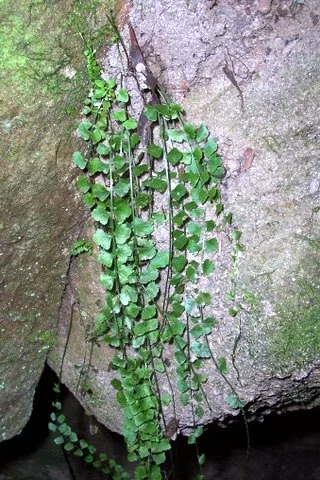
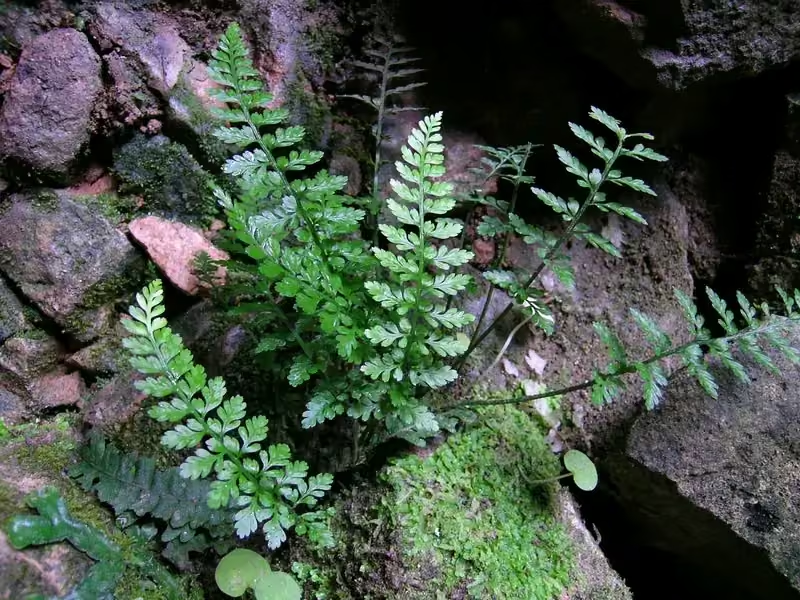
Compare Spleenwort with other small New Zealand rock and shade ferns.



Plant Conservation
Conservation Status and Threats
conservation profile lists Asplenium trichomanes as Not Threatened nationally in the 2023 assessment. Flora of New Zealand notes that a tetraploid taxon within the broad New Zealand treatment was previously assessed as Nationally Critical, but current practical management should protect known rocky habitats, especially where local populations are sparse or regionally uncommon.
Frequently Asked Questions
Is Spleenwort native to New Zealand?
Yes. It is indigenous but not endemic.
What habitats does it prefer?
It grows in rock crevices, especially limestone or marble, but also on greywacke, schist, serpentine, banks, bluffs, and shaded rock.
How is it different from necklace fern?
It has dark brown polished rachises and does not have the extended rooting rachis tips of necklace fern.
Sources and Further Reading
The botanical, growing, and conservation details for Spleenwort draw on authoritative New Zealand plant references and taxonomic databases.