Cave Spleenwort
Asplenium cimmeriorum
Last updated:
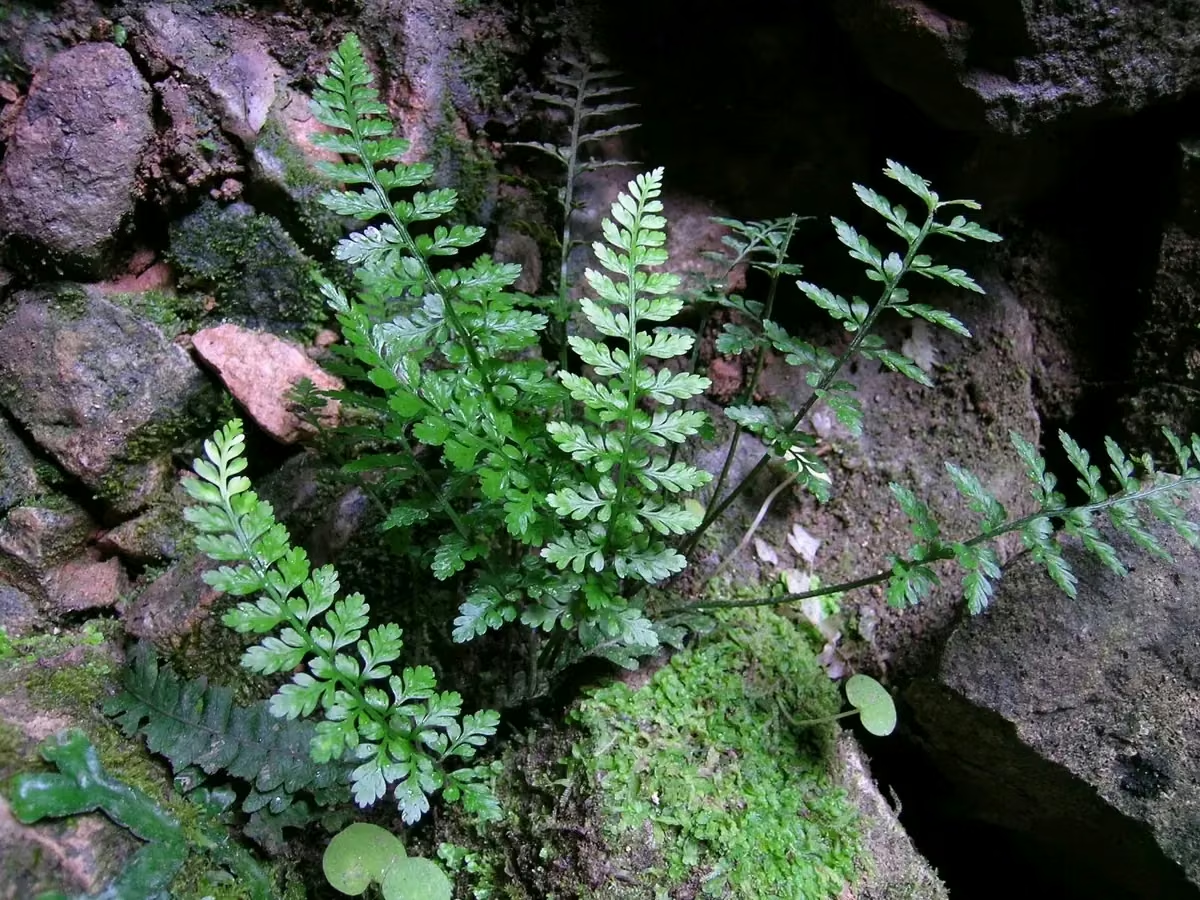
ferns profile: Cave Spleenwort (Asplenium cimmeriorum) is an endemic New Zealand fern named for the dark cave and limestone habitats where it was first recognised. It grows on damp calcareous rock, cave entrances, overhangs, and shaded limestone boulders in high-rainfall districts. The species was formally described in 1997 and is now known from Waitomo and from north-west Nelson to north Westland.
Plant Description
Identification and Physical Characteristics
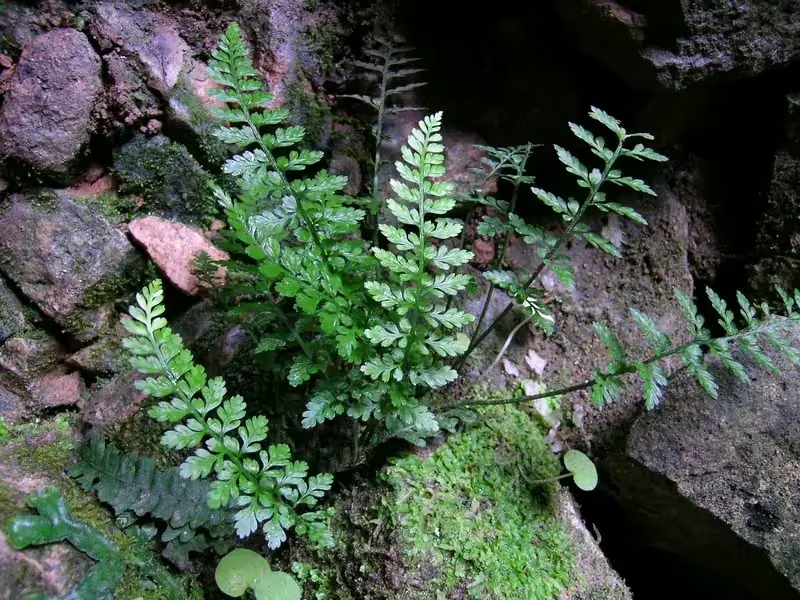
This small to medium spleenwort has a short-creeping rhizome, dark clathrate scales, and thin dark green to blue-green fronds that are narrowly triangular or ovate. It differs from hen and chickens fern and related species by its smaller fronds, shortly creeping rhizome, lack of bulbils, larger spores, and strong association with shaded calcareous cave habitats. Sori sit along the ultimate segments with indusia away from the margins.
Quick Facts
| Scientific Name | Asplenium cimmeriorum |
|---|---|
| Height | Fronds about 45 - 370 millimetres long |
| Spread | Small colonies from short-creeping rhizomes |
| Water Needs | High and consistent |
| Light | Deep shade to very low filtered light |
| Frost Tolerance | Moderate in sheltered humid sites |
| Salt Tolerance | Low |
| Growth Rate | Slow |
| Lifespan | Perennial fern |
Climate Best Suited to
Cave Spleenwort suits cool to mild, humid, high-rainfall limestone districts. It depends more on dark calcareous microhabitat and constant moisture than on broad regional climate.
Regional Suitability
| City | Climate Suitability |
|---|---|
| Auckland | Low except in specialist shaded limestone collections |
| Wellington | Low to medium in cool humid limestone shelter |
| Christchurch | Low unless grown in controlled shaded fernery conditions |
| Nelson | Medium near suitable humid limestone and cave habitats |
Plant Habitat
Natural Occurrence and Ecology
Flora of New Zealand records this fern from Waitomo in the North Island and from western Nelson and north Westland in the South Island. It is largely confined to dark calcareous sites in high-rainfall lowland to montane areas. Plants grow at cave entrances, under overhangs, on cave walls and ceilings, among rockfalls, near the limit of daylight in deeper caves, and occasionally on rotting logs, tree roots, limestone boulders, and rock faces in nearby forest.
Growing Requirements
Soil Requirements
Calcareous, damp, humus-lined rock crevices with excellent drainage and constant seepage humidity.
- Limestone or lime-rich rock
- Humid crevices
- No stagnant soil
Light Requirements
Very low light is natural, especially at cave entrances and under overhangs.
- Deep shade
- Cave-mouth light
- No direct sun
Water Requirements
Keep roots and surrounding rock evenly damp with humid air and no drying wind.
- Constant moisture
- High humidity
- Shelter from drying
Planting and Establishing
Establishment Guidance
Do not remove wild plants. In cultivation, use spore-raised material from authorised sources and grow it in a shaded pot or limestone fernery. Use a free-draining lime-rich mix with fine organic matter and keep the plant in semi-shade to deep shade. Establishment is slow, so avoid frequent repotting and protect the plant from scale insects, mealybugs, drying, and sudden changes in humidity.
Ecological Role
Biodiversity and Ecosystem Impact
Cave Spleenwort occupies a specialised low-light limestone niche where few vascular plants persist. Its fronds contribute to damp cave-mouth fern communities and add diversity to calcareous rock ecosystems. Because populations are naturally sporadic and tied to cave entrances and intact forested limestone, the species is sensitive to trampling, cave development, vegetation clearance, and changes to humidity around cave mouths.
Uses & Significance
Garden Uses
Use only as a specialist fernery or pot plant for shaded limestone collections, not as a general garden fern.
- Shaded limestone fernery
- Conservation collections
- Cool humid pot culture
Ecological Value
Its value is the conservation of an endemic fern adapted to rare cave-mouth habitats.
- Endemic fern diversity
- Limestone cave ecosystems
- Specialised shaded rock habitat
Landscaping Uses
Cave Spleenwort is best treated as a botanical collection plant. It can be displayed in a shaded limestone crevice wall, cool fern house, or damp rock pot where it can be viewed closely. It should not be planted in exposed shade gardens, acidic soils, or dry rockeries, because its natural habitat is wet, calcareous, and very sheltered.
Seasonal Care Calendar
Spring
Check new fronds and maintain steady humidity.
Summer
Prevent drying and keep plants out of warm direct sun.
Autumn
Refresh surface leaf mould without burying the rhizome.
Winter
Keep cool, shaded, and just evenly moist.
When to Prune and How Much
Pruning is limited to removing dead fronds or pest-damaged material. Snip old stipes cleanly and avoid disturbing the rhizome, because the plant is slow growing and easily set back by rough handling.
- Remove dead fronds only
- Inspect for scale
- Avoid rhizome disturbance
Always use clean, sharp tools and avoid disturbing new growth.
How to Grow Cave Spleenwort
From Spores
Cave Spleenwort can be grown from spores, but it is slow and requires clean humid conditions. Use only authorised spores from cultivated or permitted material. Sow the spores thinly on sterile, lime-influenced fern medium, then seal the container to maintain humidity. Keep it in cool bright shade, not direct sun. Germination and sporophyte development can be slow, and conservation profile notes that sporophytes may take many months to develop. Avoid overwatering, because stagnant media encourages algae and fungal growth, but never let the surface dry.
- Use authorised mature spores
- Sow on sterile lime-influenced mix
- Keep sealed and humid
- Wait for small sporophytes before potting on
Pot Culture
Young plants should be potted into a fine, free-draining fern mix that includes grit, leaf mould, and a lime-rich component such as limestone chip or crushed shell. Keep pots in semi-shade to deep shade with high humidity and very gentle air movement. Water with clean water and avoid strong fertiliser, which can burn tender roots. Repot only when roots have filled the pot, because frequent disturbance can slow growth. Inspect often for scale insects and mealybugs, both of which are reported problems in cultivation.
- Use lime-rich fern mix
- Grow in cool shade
- Water gently
- Repot only when needed
Establishing in a Fernery
A fernery site should mimic a cave entrance rather than an ordinary garden bed. Choose a shaded limestone crevice, damp wall pocket, or cool rock pot where moisture remains steady and the crown is protected from wind. Press roots into a small pocket of mineral mix and fine humus, then water lightly until settled. Keep competing mosses and liverworts from smothering tiny plants, but allow a natural damp surface around established specimens. Success is measured by steady frond replacement rather than fast growth.
- Choose shaded limestone
- Use small damp crevices
- Protect from wind
- Expect slow establishment
Pests & Diseases
Scale insects and mealybugs are the main cultivation pests. Slugs may graze young fronds in very damp ferneries. Browning usually indicates drying, excessive heat, stagnant mix, or direct light rather than a specific disease.
Cultural Significance
Cave Spleenwort has scientific and conservation significance because it was recognised as a distinct New Zealand endemic in the late twentieth century and is tied to limestone cave ecosystems. Its name refers to dark Cimmerian cave-like habitat, making it a useful species for interpreting New Zealand's specialised fern diversity.
- Endemic cave fern
- Named from dark habitat
- Important limestone ecosystem marker
Bonus Tip
For surveys, search cave entrances and shaded limestone overhangs carefully in humid weather, but avoid touching plants or altering the cave-mouth surface.
This Cave Spleenwort note is specific to Asplenium cimmeriorum, connecting identification, habitat context, and practical care so the section remains useful for readers comparing New Zealand plant profiles.
Related Plants
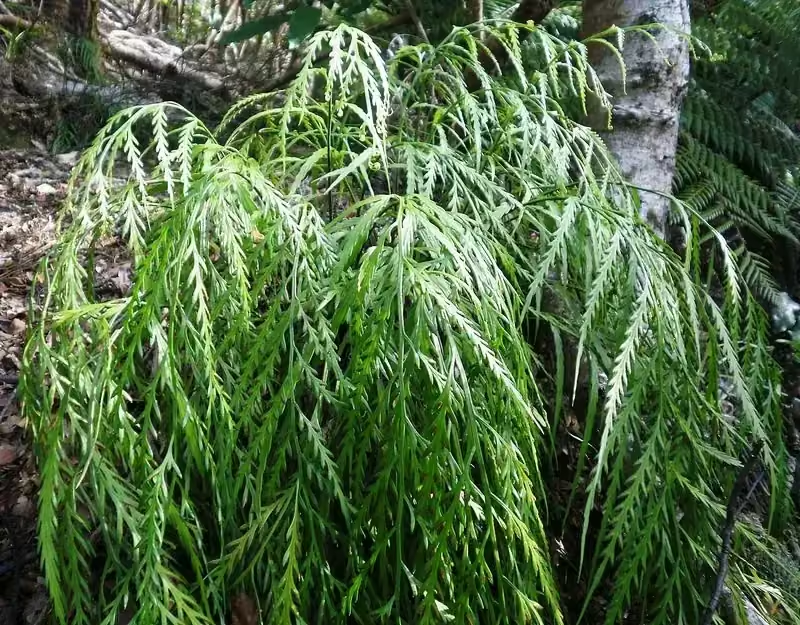
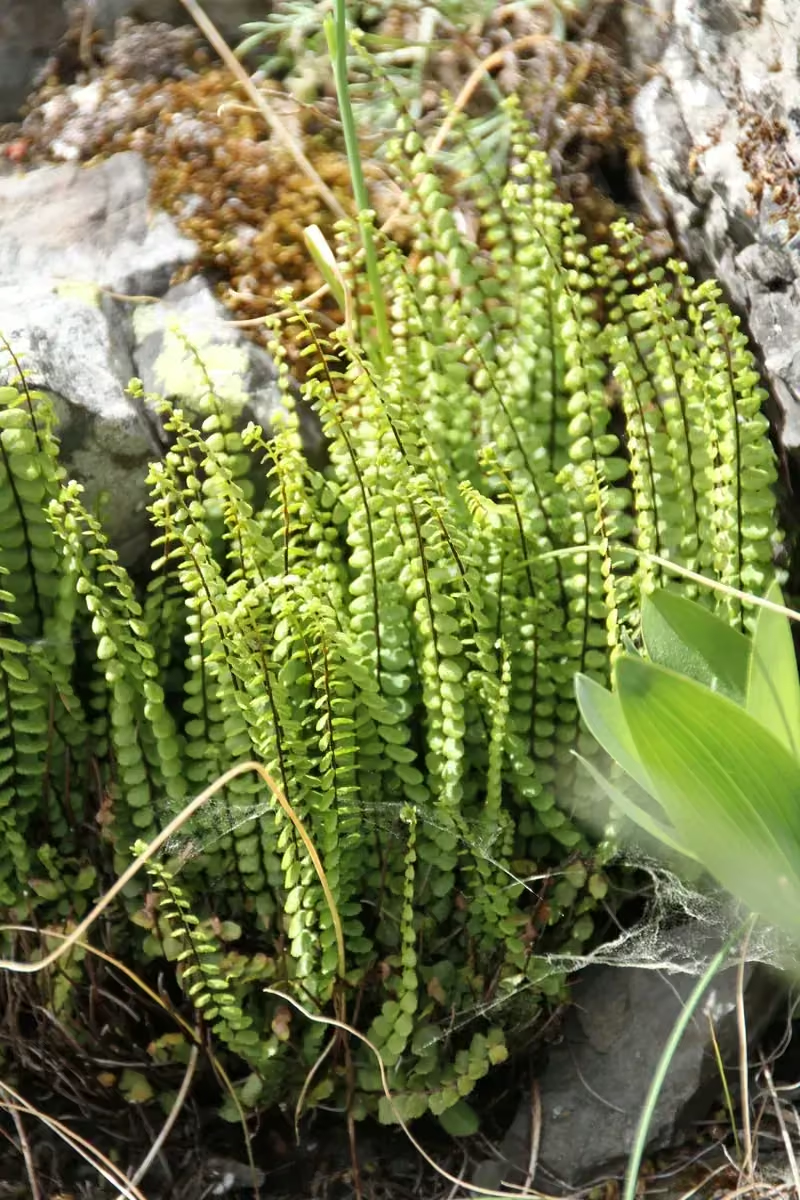
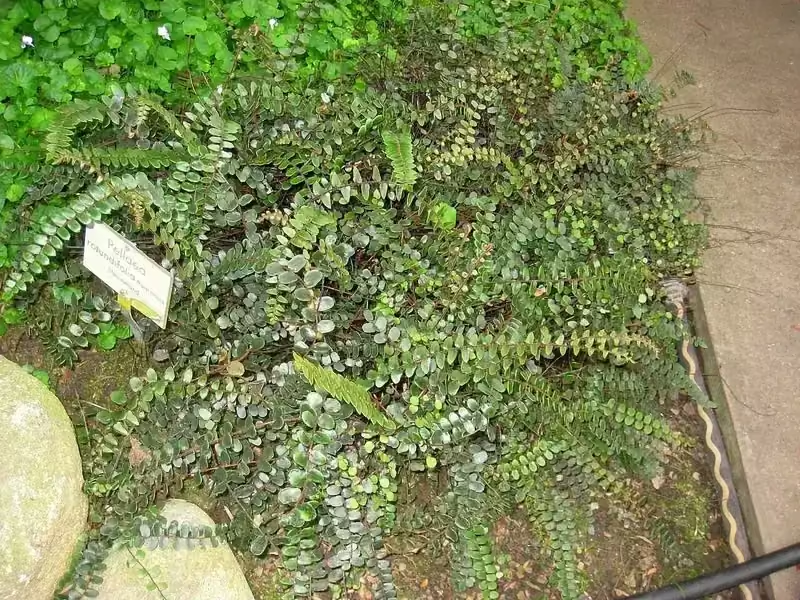
Compare Cave Spleenwort with other New Zealand spleenworts and damp-shade ferns.



Plant Conservation
Conservation Status and Threats
The species is endemic and listed as At Risk - Naturally Uncommon. conservation profile notes that it is probably more common than first believed, but its distribution is naturally sporadic, particularly in the North Island where undisturbed forested cave entrances are limited. Protection should focus on intact limestone forest, cave-mouth humidity, and avoiding disturbance to rock faces and overhangs.
Frequently Asked Questions
Is Cave Spleenwort endemic to New Zealand?
Yes. It is an endemic New Zealand spleenwort.
Where does it grow?
It grows mainly at dark, humid limestone cave entrances, overhangs, and calcareous rock faces.
Can it be grown from spores?
Yes, but it is slow and needs sterile, humid, lime-influenced conditions.
Sources and Further Reading
The botanical, growing, and conservation details for Cave Spleenwort draw on authoritative New Zealand plant references and taxonomic databases.