Kermadec Tree Fern
Alsophila kermadecensis
Last updated:
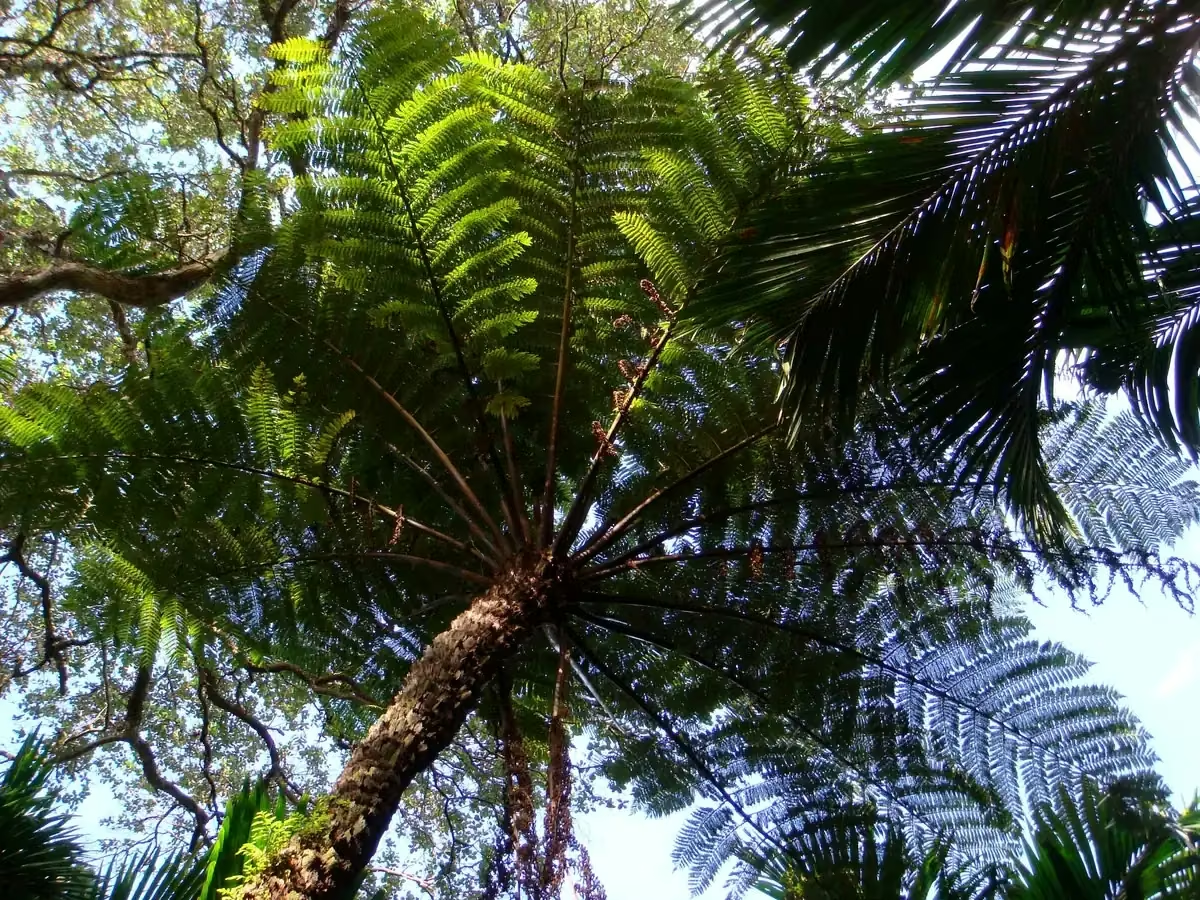
ferns profile: Kermadec Tree Fern (Alsophila kermadecensis) is a tall endemic tree fern of Raoul Island in the Kermadec Islands. New Zealand conservation and global checklist sources use Alsophila kermadecensis, while Flora of New Zealand treats the same taxon as Cyathea kermadecensis. The plant is distinguished by a slender clean trunk, large arching soft fronds, and its restriction to humid Kermadec forest, ravines, gullies, and cliffs.
Plant Description
Identification and Physical Characteristics
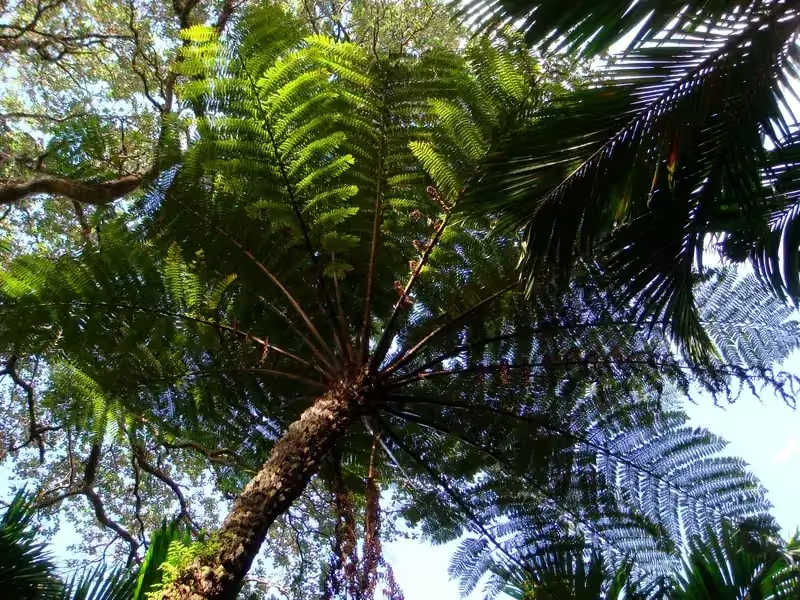
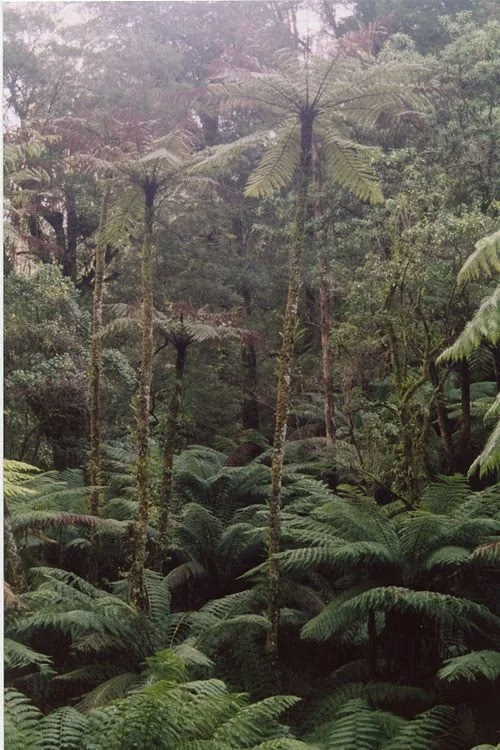
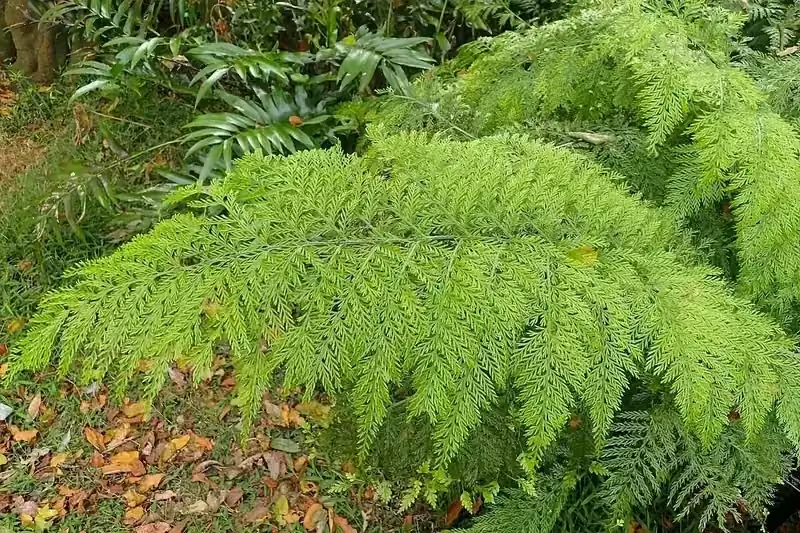
This species is a gracile tree fern that can form a trunk up to about 20 metres tall on Raoul Island. It has a slender trunk marked by old stipe scars, and fronds that may reach several metres long in moist forest. Compared with the related gully tree fern, it has cleaner trunks lacking persistent stipe bases, softer arching fronds, red-brown rather than black stipe bases, and scales and hairs that differ on the underside of the fronds. The hood-shaped indusia place it close to the gully tree fern group within New Zealand tree ferns.
Quick Facts
| Scientific Name | Alsophila kermadecensis |
|---|---|
| Alternative Scientific Name | Cyathea kermadecensis |
| Height | Trunk to about 20 metres in natural habitat |
| Spread | Large crown with fronds to about 4 metres long |
| Water Needs | High and consistent |
| Light | Filtered light to sheltered forest shade |
| Frost Tolerance | Very low |
| Salt Tolerance | Low to moderate in humid island shelter |
| Growth Rate | Fast in warm, wet, sheltered conditions |
| Lifespan | Long-lived tree fern |
Climate Best Suited to
Kermadec Tree Fern is suited to frost-free, humid, maritime climates. In mainland New Zealand gardens it should be regarded as a specialist plant for warm sheltered collections, not a general landscape tree fern.
Regional Suitability
| City | Climate Suitability |
|---|---|
| Auckland | Medium in warm, humid, frost-free gullies or specialist collections |
| Wellington | Low except in highly sheltered frost-free coastal gardens |
| Christchurch | Low outdoors because frost and dry air are limiting |
| Nelson | Low to medium only in warm irrigated shelter |
Plant Habitat
Natural Occurrence and Ecology
The natural range is Raoul Island in the Kermadec Islands, where it grows from low to higher elevations in wet forest, ravines, gullies, gorges, and cliff forest. It is associated with humid Metrosideros, Ascarina, and Rhopalostylis forest and is most conspicuous in wetter parts of the island. Its narrow island range is the reason it is listed as naturally uncommon, even though recent surveys have found plants of different ages.
Growing Requirements
Soil Requirements
Deep, humus-rich, free-draining soil that never dries out.
- Leaf mould and compost
- Moist but aerated
- Mulched root zone
Light Requirements
Filtered light under high canopy or bright shade suits young plants.
- Forest shade
- Humid shelter
- No hot afternoon sun
Water Requirements
Maintain constant moisture and humid air, especially while plants are young.
- Regular irrigation
- Wind protection
- No drought stress
Planting and Establishing
Establishment Guidance
Plant only in a warm, frost-free, sheltered site with overhead humidity and reliable irrigation. Prepare a wide planting area with composted leaf litter and coarse organic matter so roots can run through cool, aerated soil. Stake young plants only if needed, mulch broadly, and keep the crown above wet mulch. This species is best suited to specialist native plant collections, subtropical fern gardens, and protected Kermadec plantings rather than exposed mainland gardens.
Ecological Role
Biodiversity and Ecosystem Impact
On Raoul Island, this tree fern contributes to vertical forest structure, shaded ravine microclimates, and damp organic litter around stream gullies and cliffs. Its fronds intercept mist and rain, while the trunk and crown provide humid surfaces for small epiphytes and invertebrates. Because its natural distribution is limited to the Kermadec Islands, conservation value depends on protecting island forest processes and avoiding pest, weed, and disturbance pressure.
Uses & Significance
Garden Uses
Use Kermadec Tree Fern only where its warm, wet island requirements can be met.
- Specialist fern collections
- Subtropical forest gardens
- Frost-free gullies
Ecological Value
Its greatest value is conservation of a narrow-range endemic tree fern and its Raoul Island habitat.
- Kermadec endemic
- Ravine forest structure
Landscaping Uses
This is a dramatic specimen for a frost-free fernery or sheltered subtropical planting, but it should not be substituted for hardy mainland tree ferns in cooler districts. Place it where fronds can arch without wind damage, where irrigation can run through summer, and where the trunk will be protected from drying sun. Its best companions are humid-forest plants with similar shelter requirements.
Seasonal Care Calendar
Spring
Refresh mulch and begin steady irrigation as growth increases.
- Top up leaf mould
- Check new croziers
Summer
Maintain high soil moisture and protect the crown from drying wind.
- Water deeply
- Mist nearby planting
Autumn
Reduce feeding and make sure drainage remains open before cooler weather.
- Clear blocked drains
- Inspect old fronds
Winter
Protect young plants from frost, cold wind, and saturated stagnant soil.
- Cover during cold snaps
- Keep roots just moist
When to Prune and How Much
Remove only dead or badly damaged fronds once they are no longer feeding the crown. Cut cleanly close to the trunk without wounding soft tissue. Do not strip green fronds for tidiness, because the crown needs a full canopy to maintain growth in marginal garden conditions.
- Remove dead fronds
- Protect the crown
Use clean tools and avoid cutting into the trunk surface.
How to Grow Kermadec Tree Fern
From Spores
Grow Kermadec Tree Fern from spores when material is legally and ethically available from cultivated plants or approved conservation collections. Collect a fertile frond only when the sori are mature and dry enough to shed fine spores onto clean paper. Sow the spores thinly over sterilised fern medium, then seal the tray to hold humidity. Keep the tray in bright shade, warm temperatures, and clean still air. The first green film is the gametophyte stage, so do not prick plants out too early. Maintain steady moisture with boiled or sterile water and wait until small sporophytes form several true fronds before transplanting.
- Use ripe spores from authorised plants
- Sow on sterile damp fern medium
- Keep warm, humid, and shaded
- Pot on after true fronds develop
Raising Young Plants
Young plants are cold sensitive and must be treated as frost-tender. Pot them into a deep, open mix of leaf mould, fine bark, pumice, and compost, then place them in bright shade with high humidity. Water gently so the surface stays damp without souring. Avoid strong fertiliser, direct sun, and drying wind, all of which damage young fronds. Move plants into larger containers before roots become tight, because an interrupted root run slows trunk development. Harden plants gradually into outdoor shelter only after nights are reliably mild.
- Use a deep open mix
- Maintain humidity
- Avoid frost and wind
- Shift pot size before crowding
Establishment Outdoors
Outdoor establishment depends on matching the Raoul Island climate as closely as possible. Choose a frost-free hollow, gully, courtyard, or canopy edge with permanent moisture and shelter from wind. Prepare soil with organic matter across a broad area rather than only in the planting hole. Water through the first several summers, mulch generously, and keep competing grass away from the trunk base. If fronds scorch, improve shade and humidity rather than feeding harder. In mainland gardens this species should be monitored as a specialist collection plant, and backup plants should be kept under protection in case a cold winter damages the outdoor specimen.
- Plant in warm shelter
- Mulch the whole root zone
- Irrigate through dry periods
- Keep protected backup plants
Pests & Diseases
Scale insects, mealybugs, slugs, and snails can damage young plants in still humid conditions. Brown frond edges usually indicate cold, dryness, wind, or salt stress rather than disease. Improve air movement without creating draughts, remove dead material from the crown, and keep irrigation clean so the root zone stays damp but not stagnant.
Cultural Significance
Kermadec Tree Fern is significant as a narrow-range endemic of Rangitāhua Raoul Island and part of the distinctive northern island flora of Aotearoa New Zealand. Its story is mainly one of island biogeography, botanical collecting, and conservation management rather than everyday garden use. Clear labelling helps explain the accepted-name difference between Alsophila kermadecensis and Cyathea kermadecensis.
- Kermadec Islands endemic
- Important for island plant conservation
Bonus Tip
If you grow this fern outside the Kermadec Islands, keep young backup plants under protection because one hard frost can set back or kill exposed plants.
Related Plants
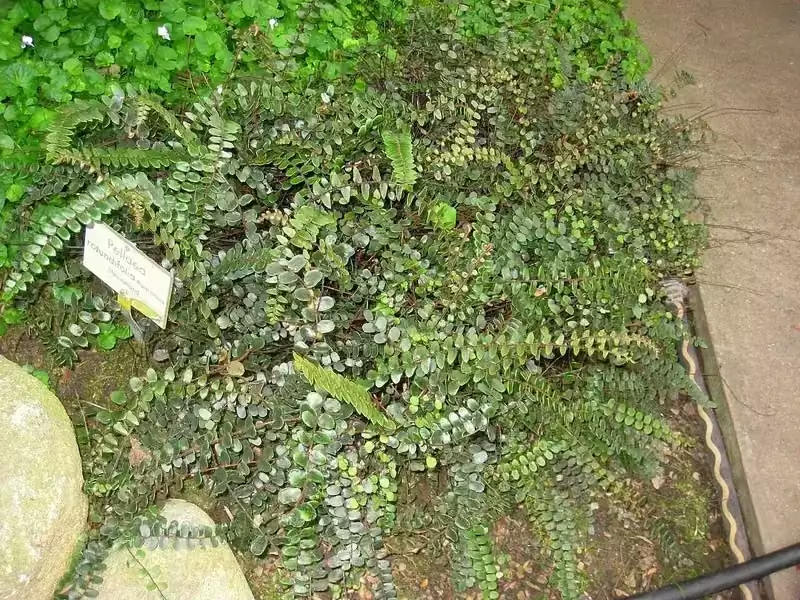
Compare Kermadec Tree Fern with other New Zealand tree ferns and humid forest ferns. For another native fern, explore Lyall's Spleenwort.



Plant Conservation
Conservation Status and Threats
The current New Zealand status is At Risk - Naturally Uncommon because the species is endemic to Raoul Island and has a narrow natural range. conservation profile notes that it has been found in multiple age classes and is not considered highly threatened at present, but its security remains tied to the condition of Kermadec forest, biosecurity, and protection from habitat disturbance.
Frequently Asked Questions
Is Kermadec Tree Fern native to New Zealand?
Yes. It is endemic to Raoul Island in the Kermadec Islands.
Why do some sources call it Cyathea kermadecensis?
Flora of New Zealand treats the taxon in Cyathea, while conservation profile and POWO use Alsophila kermadecensis.
Can it grow on mainland New Zealand?
Only in very warm, humid, frost-free shelter or specialist collections.
Sources and Further Reading
The botanical, growing, and conservation details for Kermadec Tree Fern draw on authoritative New Zealand plant references and global taxonomic checklists.