Tall Sundew
Drosera auriculata
Last updated:
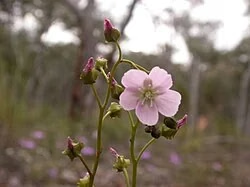
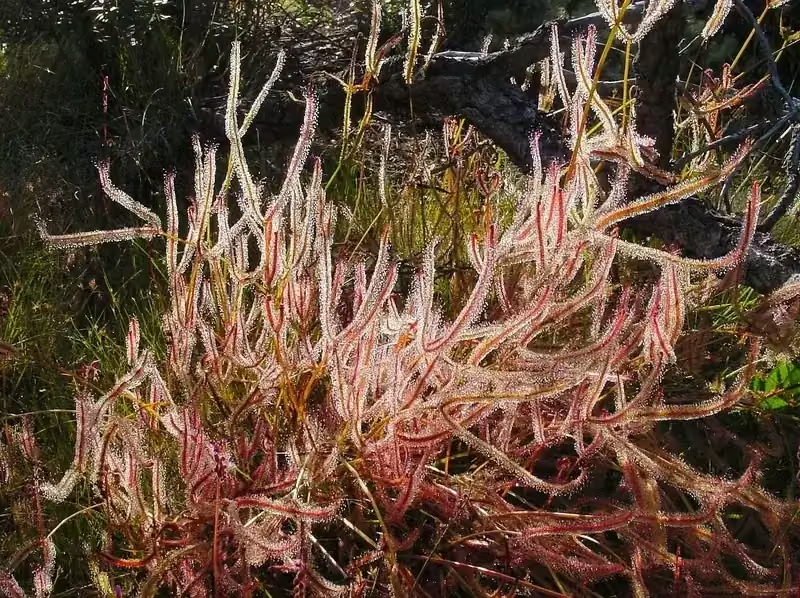
Tall Sundew (Drosera auriculata), also called the climbing sundew, is one of New Zealand's most distinctive carnivorous plants. Unlike the ground-hugging rosettes of many relatives, it sends up an erect, slender stem 15 to 60 cm tall from a dormant underground tuber. Along the stem sit alternate, crescent-shaped (auriculate) leaves clothed in glandular tentacles that secrete glistening, sticky mucilage to catch insects. Foliage ranges from bright yellowish-green to deep maroon depending on light. It grows in peatlands, sandy soils and clay banks that stay wet in winter and dry in summer, and is found through the North Island and the northern South Island. Explore more wetland native plants in our native plant guide.
Plant Description
Identification and Physical Characteristics
Drosera auriculata is one of New Zealand's most distinctive carnivorous plants, often referred to as the Tall Sundew or Climbing Sundew. Unlike the ground-hugging rosettes of many relatives, this species produces an erect, slender stem that can reach heights of 15 to 60 cm. The plant typically starts as a small basal rosette of rounded leaves before sending up its tall flowering stem. Along this stem, the leaves are alternate and crescent-shaped (auriculate), each held on a fine stalk. These leaves are covered in glandular tentacles that secrete a sticky, glistening mucilage. The plant's colour can range from a bright yellowish-green to a deep maroon depending on the intensity of the light. The flowers are small, white or occasionally pink, and clustered at the top of the stem.
Quick Facts
| Scientific Name | Drosera auriculata |
|---|---|
| Height | 15-60 cm (Erect) |
| Spread | 5-10 cm |
| Water Needs | High (Wet in winter, dry in summer) |
| Light | Full Sun to Partial Shade |
| Frost Tolerance | High (Dormant tubers) |
| Salt Tolerance | Low |
| Growth Rate | Moderate |
| Lifespan | Perennial (Tuberous) |
Climate Best Suited to
Tall Sundew is well-adapted to the temperate climate of New Zealand, found throughout the North Island and the northern parts of the South Island. It is a tuberous species that follows a seasonal growth cycle: it emerges from a dormant underground corm during the moist autumn and winter months, flowers in spring, and dies back completely to the tuber during the hot, dry summer. This strategy allows it to survive in regions with variable rainfall and significant summer heat.
Regional Suitability
| City | Climate Suitability |
|---|---|
| Auckland | Highly Suitable |
| Wellington | Suitable |
| Christchurch | Suitable (Northern regions) |
| Dunedin | Suitable |
| Queenstown | Suitable |
| Invercargill | Suitable |
Plant Habitat
Natural Occurrence and Ecology
In the wild, Drosera auriculata is found in a variety of open, often disturbed habitats. It thrives in peatlands, poor sandy soils, and especially on clay banks that remain wet during the winter but dry out significantly in summer. It is a common pioneer species, frequently appearing in large numbers on recently exposed ground or in areas that have been cleared by fire. It prefers open sites with low competition from taller grasses and shrubs, allowing it to access the full sun it needs for its carnivorous lifestyle.
Growing Requirements
Soil Requirements
Requires a lean, acidic, and nutrient-poor substrate. Avoid any soil with added fertilizers or high mineral content.
- Acidic peat moss
- Perlite or silica sand
- No fertilizers
Light Requirements
Needs bright light to thrive and develop its deep red coloration. Full sun is ideal during the winter growing season.
- Full sun
- Bright indirect light
- High light levels
Water Requirements
Keep soil consistently moist but not waterlogged during the growing season. Use only mineral-free water.
- Rainwater only
- Distilled water
- Dry summer dormancy
Planting and Establishing
Establishment Guidance
Establishing Tall Sundews is best done by planting their dormant tubers in late summer or early autumn. Place the tubers approximately 3-5 cm deep in a mix of 50% peat and 50% silica sand. Start watering as the temperatures cool and autumn rains would naturally begin. The first signs of life will be the emergence of the small basal rosette. It is important to provide a stable environment with high light levels as the tall stem begins to climb. For indoor growth, a cool windowsill or a protected porch that mimics the natural temperature drops of winter is ideal for this seasonal species.
Ecological Role
Biodiversity and Ecosystem Impact
Drosera auriculata plays a vital role in nutrient cycling within poor New Zealand soils. By capturing and digesting small flying insects such as gnats and flies, it converts animal proteins into nitrogen and phosphorus, which are then released back into the environment as the plant dies back each season. Its ability to colonize bare clay and recently burned areas makes it an important primary colonizer, stabilizing the soil surface and creating a micro-environment that eventually allows for the establishment of other native species.
Uses & Significance
Garden Uses
A fascinating addition to any native or carnivorous plant collection. Its tall, architectural form makes it a great choice for specialized bog displays or as a conversation piece in a cool greenhouse.
- Bog garden feature
- Terrariums
- Educational displays
Ecological Value
Supports specialized local biodiversity and acts as an indicator of healthy, low-nutrient habitats. It provides a unique example of New Zealand's tuberous carnivorous flora.
- Soil nutrient cycling
- Pioneer colonization
- Insect population control
Landscaping Uses
Limited to specialized native features and restoration projects on clay banks or wetland margins. When planted in large groups, the mass of glistening stems creates a shimmering, otherworldly effect that is particularly striking in the low winter sun.
Seasonal Care Calendar
Spring
Peak growth and flowering. This is when the plant is most visible and active. Ensure consistent watering.
- Monitor for flowers
- Maintain moisture
Summer
Plant dies back to the underground tuber. Stop watering once the foliage has completely withered and turned black.
- Keep tubers dry
- Dormant phase
Autumn
Growth resumes from the tuber. Resume watering as temperatures drop and growth appears.
- Resume watering
- Check for rosettes
Winter
Active vegetative growth. Provide as much light as possible and protect from extreme, hard freezes.
- Maximize light
- Keep moist
When to Prune and How Much
Tall Sundews require minimal pruning. The main requirement is removing the dead, black stems once the plant has fully entered its summer dormancy.
- Clear dead stems in summer
- Remove spent flowers
Do not prune the active green stems during the winter or spring, as this will prevent the plant from flowering and storing energy in its tuber for the next season.
How to Grow Tall Sundew
Cultivating the Tall Sundew ( Drosera auriculata ) requires an understanding of its unique seasonal lifestyle. Unlike many tropical sundews that grow year-round, this species is a tuberous perennial that thrives in the cool, moist months of the New Zealand winter. Success depends on respecting its need for a dry summer rest period. This adaptation makes it a resilient plant for those who may forget to water their garden during the hottest months of the year. Successful cultivation begins with sourcing healthy tubers or fresh seeds and providing a substrate that mimics the lean, acidic conditions of its natural clay-bank and peat-bog habitats.
From Tubers
The most common way to propagate and establish Tall Sundews is through their underground tubers (corms). This method bypasses the slow seedling stage and provides a robust start.
The tubers should be handled with care during their summer dormancy.
- Locate the tubers in the soil once the foliage has completely died back in late summer. They are usually small, white or reddish balls found several centimetres deep.
- Store them in a slightly damp mix of sand and peat in a cool, dark place if you are moving them.
- Replant in early autumn, placing each tuber about 3-5 cm deep in its permanent pot.
- Use a mix of 50% peat moss and 50% perlite or washed silica sand.
- Water once to settle the soil, then keep barely moist until the first green growth emerges from the surface.
- Once the rosette is established, increase watering levels.
From Seed
Growing from seed is also possible and is the best way to produce a large number of plants for a restoration project.
Seeds are produced in abundance after the spring flowering period.
- Collect the tiny seeds from the dry capsules in late spring.
- Surface-sow them onto a moist peat-based medium in late summer.
- Some growers suggest a brief "warm stratification" period, but in many NZ climates, they will germinate naturally as temperatures drop in autumn.
- Keep the soil consistently moist but never soggy during the germination phase.
- Seedlings will form a tiny rosette in their first year and may not send up a tall stem until their second or third season.
Additional Methods
While not common, leaf cuttings can sometimes be successful if taken from the basal rosette early in the season. Place the leaves on moist sphagnum moss in a high-humidity environment. However, since the plant naturally reproduces via tubers and abundant seed, these are generally the preferred and more reliable methods for most gardeners and conservationists.
Pests & Diseases
Tall Sundew is generally pest-free due to its carnivorous nature. Aphids may occasionally attempt to colonize the flower buds; these can be removed by hand. The most significant threat is tuber rot, which occurs if the tubers are kept too wet during their dormant summer period. Ensure the soil is allowed to dry out once the leaves have withered.
Cultural Significance
In Māori tradition, sundews are part of the diverse flora of the 'repo' (swamps) and 'pakihi'. They represent the intricate and specialized life forms that have evolved to survive in Aotearoa's unique landscapes. For modern New Zealanders, Drosera auriculata is a symbol of the resilience of native plants and a fascinating example of botanical engineering.
- Winter growth symbol
- Native wetland heritage
Bonus Tip
Don't panic when your plant turns black and "dies" in late spring! This is a natural part of its life cycle. Mark the spot so you don't accidentally dig it up, and wait for the beautiful rosettes to reappear with the first cool rains of autumn.
Related Plants
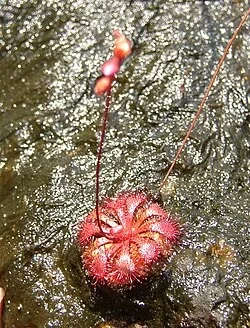
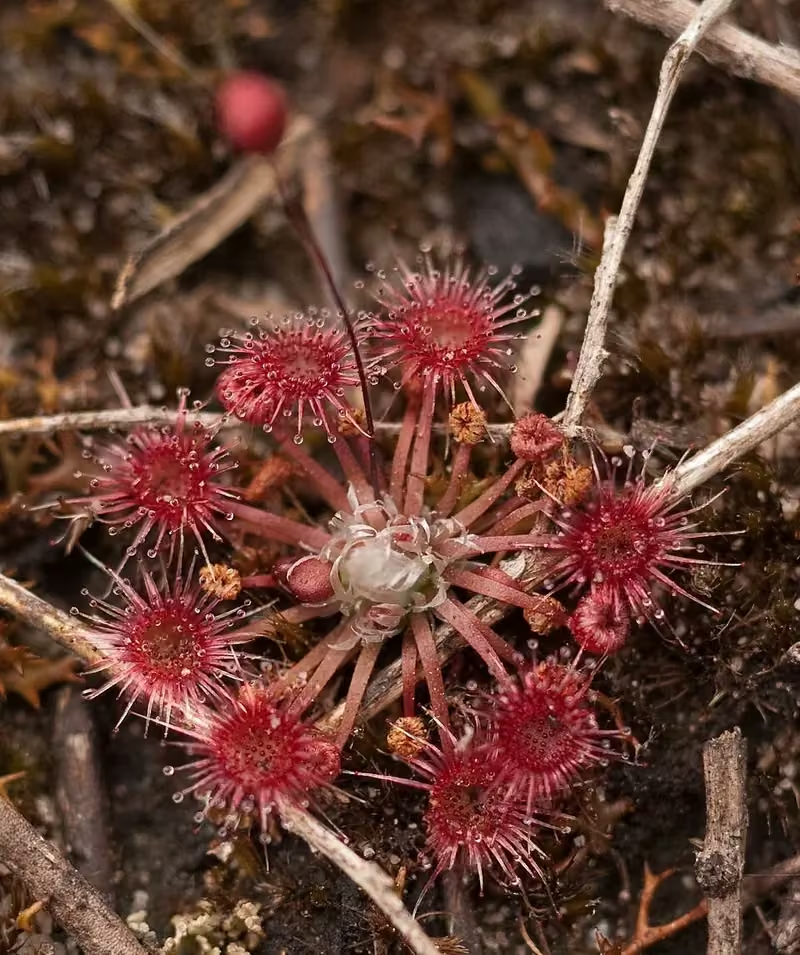
Explore other native plants that share similar characteristics or habitats with Tall Sundew ( Drosera auriculata ), offering further insights into New Zealand's diverse flora. These related species provide context and opportunities for complementary planting in your garden.
Plant Conservation
Conservation Status and Threats
Drosera auriculata is currently listed as Not Threatened in New Zealand. It is widespread throughout the North Island and northern South Island. However, its specialized habitat on clay banks and in scrublands is often vulnerable to urban sprawl and development. Protecting open, low-nutrient habitats is essential for ensuring this unique tuberous sundew continues to flourish in the wild.
Frequently Asked Questions
How tall does Tall Sundew grow?
Tall Sundew grows an erect stem 15 to 60 cm tall, far taller than most rosette-forming sundews.
Does Drosera auriculata tolerate frost?
Yes, it survives frost by dying back to dormant underground tubers each summer.
Where does Tall Sundew grow naturally?
It grows across the North Island and northern South Island in peatlands, sandy soils and damp clay banks.
Is Drosera auriculata carnivorous?
Yes, its sticky crescent-shaped leaves trap and digest small flying insects.
Sources and Further Reading
The botanical, growing, and conservation details for Tall Sundew (Drosera auriculata) on this page draw on authoritative New Zealand plant references and citizen-science observation records. Consult the sources below for full technical records and the latest distribution data.