Bare Twig Rush
Machaerina juncea
Last updated:
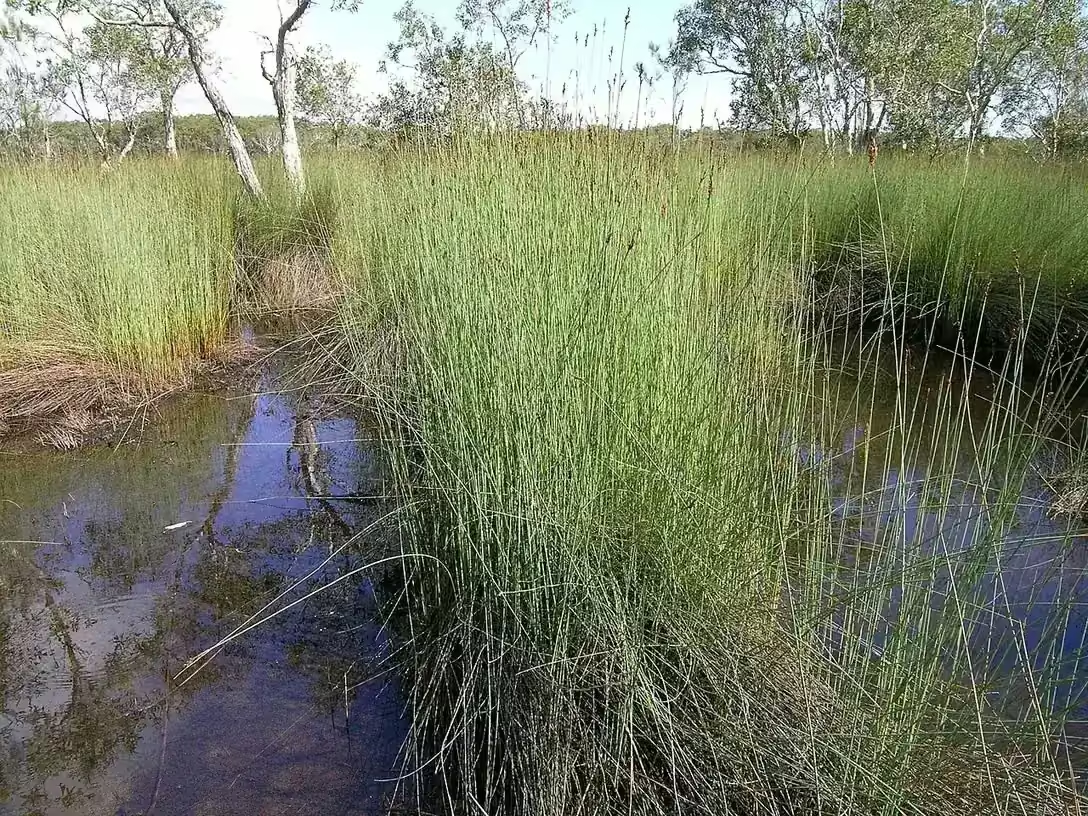
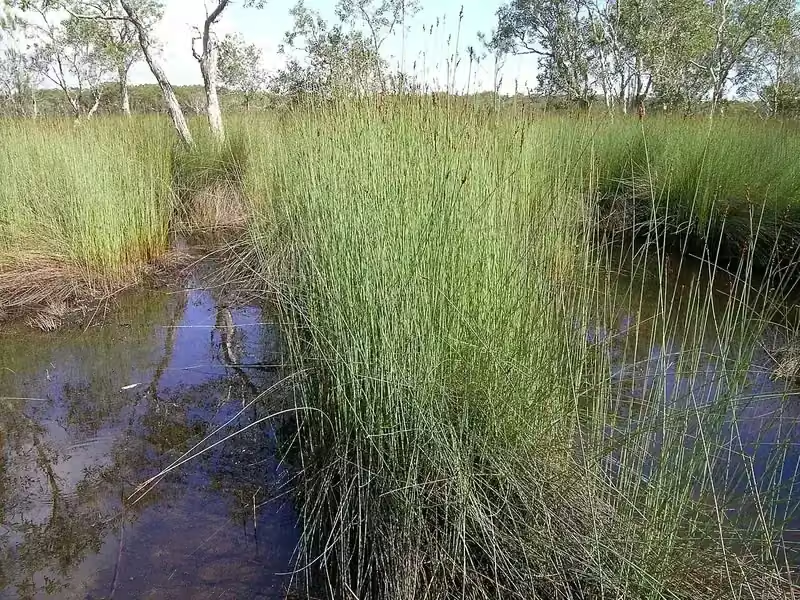
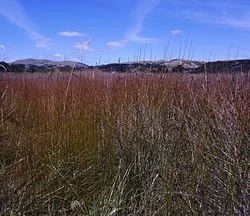
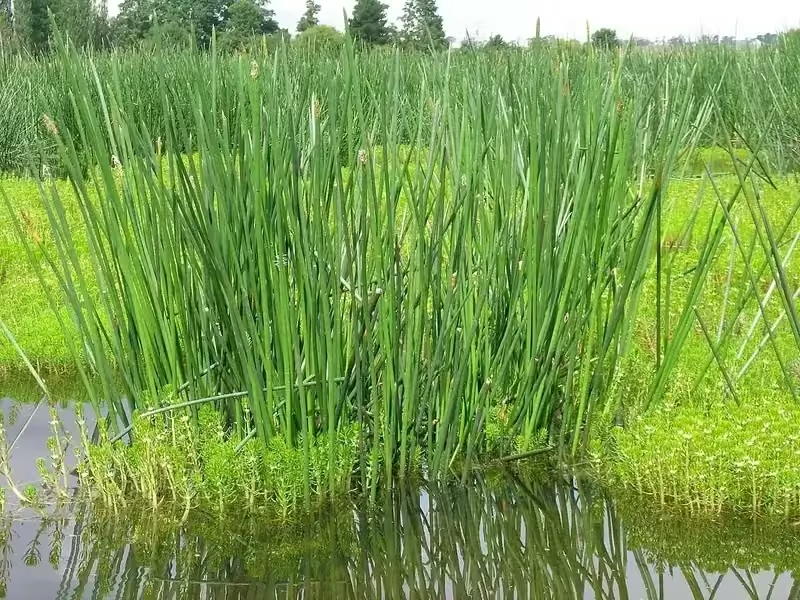
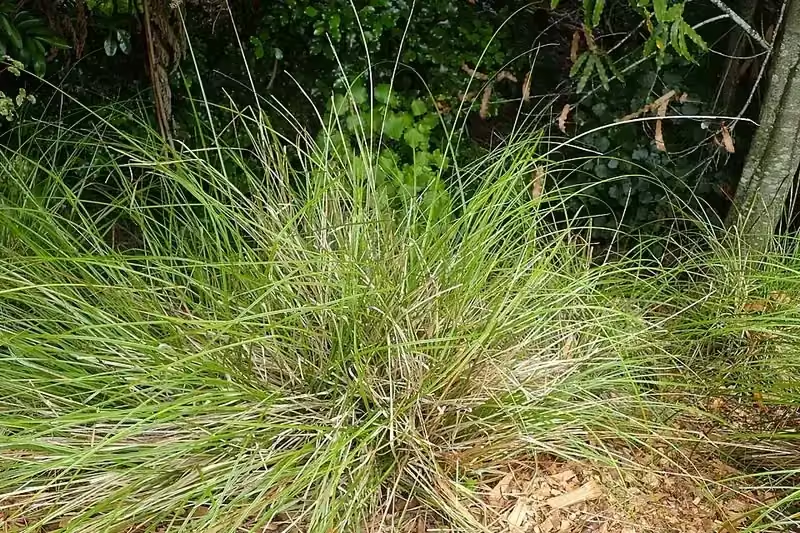
Bare twig rush (Machaerina juncea) is a stiff, upright perennial sedge native to New Zealand, Australia and New Caledonia. It forms dense, tufted clumps of rigid, cylindrical stems that reach 0.2 to 1.3 metres tall and are a distinctive glaucous blue-green, giving the plant a cool, architectural look. Its leaves are reduced to reddish-brown sheathing bracts at the stem bases, and small red-brown flowering spikelets appear near the stem tips in late spring. Spreading by rhizomes, it is a specialist of salt marshes, estuary margins and brackish or freshwater wetlands, and is prized for shoreline stabilisation. Explore more wetland native plants in our native plant guide.
Plant Description
Identification and Physical Characteristics
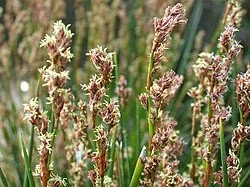
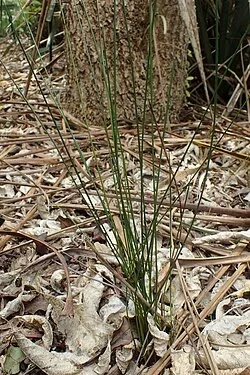
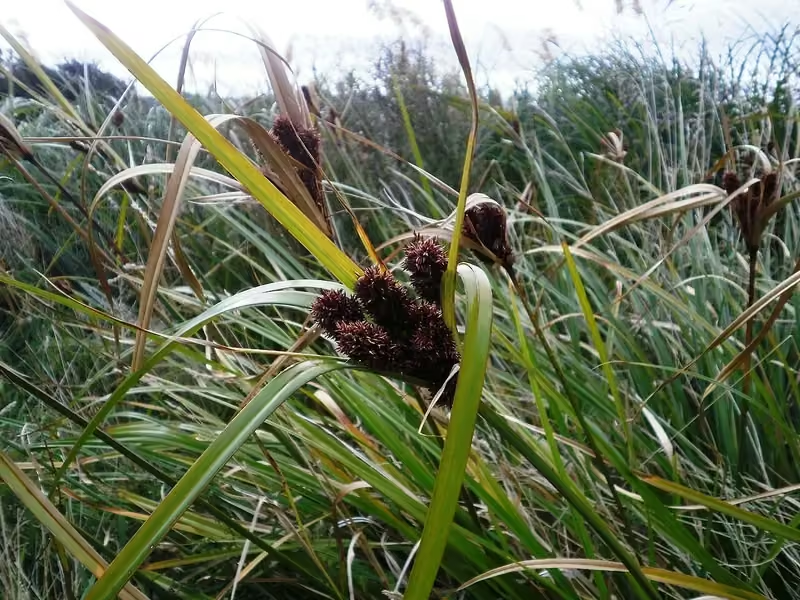
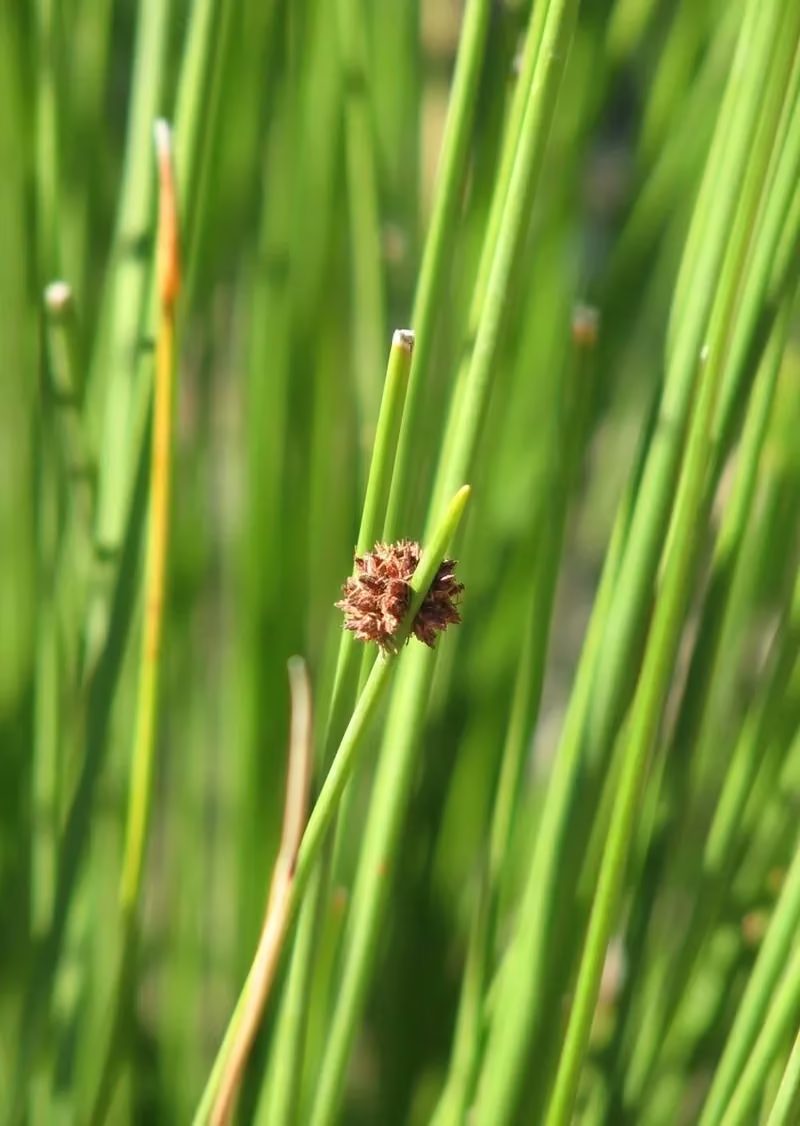
Machaerina juncea , commonly known as Bare Twig Rush or Tussock Swamp Twig Rush, is a stiff, upright perennial sedge native to New Zealand, Australia, and New Caledonia. It forms dense, tufted clumps of rigid, cylindrical stems (culms) that typically reach heights of 0.2 to 1.3 meters. These stems are a distinctive glaucous blue-green colour, giving the plant a cool, architectural appearance. The leaves are largely reduced to reddish-brown or sheathing bracts at the base of the stems, further emphasizing the plant's "bare" and vertical form. In late spring, small, red-brown flowering spikelets appear in compact clusters near the tips of the stems. These are followed by small, dark brown nuts that add texture to the upright foliage throughout the year.
Quick Facts
| Scientific Name | Machaerina juncea |
|---|---|
| Height | 0.2-1.3 m |
| Spread | Extensive (rhizomatous) |
| Water Needs | High; requires damp to saturated soil |
| Light | Full sun to very light shade |
| Frost Tolerance | High |
| Salt Tolerance | High |
| Growth Rate | Moderate |
| Lifespan | Perennial |
Climate Best Suited to
Bare Twig Rush is a remarkably hardy plant adapted to a wide variety of New Zealand climates. It is indigenous to the North and South Islands and the Three Kings Islands, where it thrives in coastal marshes, gumlands, and lower montane regions. It is highly tolerant of saline conditions, making it an ideal choice for estuarine and saltmarsh environments. It is extremely frost-hardy and can withstand high winds and exposed coastal positions. It performs best in regions with consistent rainfall and high soil moisture.
Regional Suitability
| City | Climate Suitability |
|---|---|
| Auckland | High |
| Wellington | High |
| Christchurch | High |
| Dunedin | High |
| Invercargill | High |
Plant Habitat
Natural Occurrence and Ecology
In its natural state, Machaerina juncea is a specialist of damp and often saline sites. It is a frequent inhabitant of salt marshes, estuary margins, and the edges of brackish lakes. It also colonizes freshwater swamps, gumlands, and the margins of slow-flowing streams. Its ability to grow in both freshwater and saline environments highlights its exceptional physiological flexibility. It often forms vast, protective swards that help stabilize shorelines and provide a buffer against wave action and erosion.
Growing Requirements
Soil Requirements
Thrives in permanently damp or swampy soils. It is not fussy about fertility but prefers silty or peaty substrates.
- Silty/Damp
- Acidic to Neutral
- Salt tolerant
Light Requirements
Performs best in full sun. While it can handle light dappled shade, high light levels are needed to maintain its stiff, upright form.
- Full Sun
- High Light
Water Requirements
Requires high levels of soil moisture. It is remarkably drought-tolerant once established but prefers consistent dampness.
- Consistent moisture
- Flooding tolerant
Planting and Establishing
Establishment Guidance
When planting Bare Twig Rush, choose a location that remains naturally wet or where you can provide consistent irrigation. If your soil is very dry, incorporate plenty of organic matter to help retain moisture. Space plants about 40-50 cm apart; they will spread via their rhizomes to fill the gaps and form a dense mat. Planting is most successful in autumn or early spring when rainfall is more frequent. Mulching the area with organic material can help keep the root zone cool and damp during the establishment phase.
Ecological Role
Biodiversity and Ecosystem Impact
Machaerina juncea is an essential component of New Zealand's coastal and estuarine ecosystems. Its dense, rhizomatous network provides excellent soil and sediment stabilization, protecting shorelines from erosion. It acts as a natural water filter, trapping pollutants and recycling nutrients in estuarine systems. The upright stems provide important habitat and cover for wetland birds and offer a safe environment for frogs and various aquatic invertebrates. Its ability to tolerate saline conditions makes it a key species for maintaining the health of saltmarsh communities.
Uses & Significance
Garden Uses
In the garden, this rush is ideal for pond margins, coastal landscaping, and as a structural element in modern native designs. Its blue-green stems provide a cool, soothing colour palette.
- Pond edges
- Coastal gardening
- Architectural planting
Ecological Value
A primary species for riparian and saltmarsh restoration, providing essential ecosystem services like water filtration and wildlife habitat.
- Riparian restoration
- Wildlife shelter
- Erosion mitigation
Landscaping Uses
Landscape designers value Machaerina juncea for its strong vertical form and its ability to thrive in challenging coastal or wet conditions. It is effectively used in mass plantings to create a contemporary "wildflower" or "meadow" effect. Its tolerance for both salt and occasional drought makes it a versatile choice for public spaces, stormwater treatment swales, and rain gardens where maintenance must be kept to a minimum.
Seasonal Care Calendar
Spring
Peak growth season. Monitor for any competing weeds and remove them before they can smother the new shoots.
- Monitor growth
- Light weeding
Summer
Flowering period. Ensure the soil remains damp, especially in gardens that are not naturally boggy.
- Watering
- Observe spikelets
Autumn
A good time for dividing established clumps and replanting them to expand coverage.
- Clump division
- New planting
Winter
The plant is dormant but hardy. This is the best time to trim back any old, brown stems to keep the plant looking neat.
- Minimal care
- Tidy up foliage
When to Prune and How Much
Pruning is generally only needed once a year to maintain a tidy appearance.
- Remove dead/brown stems
- Cut back in late winter
In late winter, the entire clump can be sheared back to approximately 15 cm above the ground. This encourages a fresh flush of vibrant blue-green stems in the spring.
How to Grow Bare Twig Rush
Successfully growing Bare Twig Rush ( Machaerina juncea ) is an excellent way to introduce resilience and architectural form into your New Zealand garden. This species is naturally adapted to some of our most challenging environments-from salt marshes to acidic swamps-which means it is exceptionally robust once its basic needs are met. The primary factor for success is ensuring the plant has access to consistent moisture, particularly during its establishment phase.
The most common and effective method of propagation is through the division of established clumps. Because the plant spreads via a creeping rhizome system, it naturally forms dense colonies that can be easily separated. The best time for division is in late winter or early spring, just as the plant is preparing for its main growth cycle. Use a sharp spade to lift a section of the rhizome mat, ensuring each new division has several healthy, upright stems and a good portion of the underground rhizome and root system. Replant these sections immediately into moist soil and keep them well-watered for several weeks.
From Seed
Propagation from seed is also possible and is the best method for large-scale restoration projects to ensure genetic diversity. Collect the ripe nuts in late summer once they have turned dark brown.
Sow the seeds onto the surface of a fine, peat-based seed-raising mix. They require light to germinate and should only be covered with a very fine dusting of grit. The medium must be kept constantly saturated; place the tray in a shallow saucer of water to ensure bottom-watering.
- Collect ripe seeds in late summer.
- Sow on moist peat-based mix.
- Keep saturated via bottom-watering.
Germination can be slow and irregular, often taking several months. Once the seedlings reach about 15 cm in height, they can be moved into individual pots and grown on for a season before being planted out in the garden or restoration site.
Pests & Diseases
Bare Twig Rush is remarkably free from serious pests and diseases. Its tough, fibrous stems are unappealing to most browsers and insects. In poorly drained or stagnant conditions with low oxygen, it may occasionally suffer from fungal root rot, but this is rare in its preferred environments. Annual trimming of old foliage in late winter will help keep the clump clean and prevent the buildup of decaying material which can attract slugs or snails.
Cultural Significance
Bare Twig Rush is a significant member of New Zealand's coastal and wetland flora. While it doesn't have the same extensive history of utility as Harakeke, it is respected for its role as a "stabilizer" of the land and a protector of the water's edge. In traditional Māori contexts, it was recognized as a component of the healthy, productive saltmarshes and estuaries that provided essential food resources. Today, it is increasingly valued in cultural restoration projects that aim to heal and restore the health of our estuarine and freshwater ecosystems.
- Essential for saltmarsh health
- Indicator of healthy estuarine systems
- Key species for cultural restoration
Bonus Tip
For a stunning visual effect in a coastal or bog garden, plant Bare Twig Rush alongside Ficinia nodosa (Knobby Clubrush). Their similar vertical forms but contrasting stem colours-blue-green versus bright green-will create a sophisticated, textured look that remains attractive year-round.
Related Plants
Explore other native plants that share similar characteristics or habitats with Bare Twig Rush ( Machaerina juncea ), offering further insights into New Zealand's diverse flora. These related species provide context and opportunities for complementary planting in your garden.

Plant Conservation
Conservation Status and Threats
Currently classified as 'Not Threatened', Machaerina juncea remains a common and successful species in suitable habitats. However, its future is dependent on the preservation of New Zealand's coastal saltmarshes and freshwater wetlands from development, drainage, and pollution. Protecting these sensitive environments ensure that Bare Twig Rush can continue to provide its vital erosion control and filtration services.
Frequently Asked Questions
How tall does bare twig rush grow?
Bare twig rush grows 0.2 to 1.3 metres tall in dense, tufted clumps.
Does bare twig rush tolerate salt?
Yes, it has high salt tolerance and thrives in salt marshes and estuary margins.
Does bare twig rush tolerate frost?
Yes, it has high frost tolerance and suits cold, damp sites.
Where does bare twig rush grow naturally?
It grows in coastal salt marshes, estuaries and brackish or freshwater wetlands across New Zealand.
Sources and Further Reading
The botanical, growing, and conservation details for Bare Twig Rush (Machaerina juncea) on this page draw on authoritative New Zealand plant references and citizen-science observation records. Consult the sources below for full technical records and the latest distribution data.