Spoon-Leaved Sundew
Drosera spathulata
Last updated:
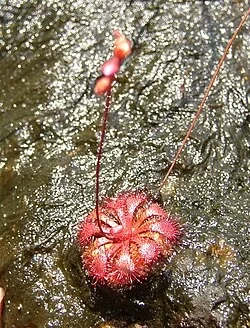
Spoon-Leaved Sundew (Drosera spathulata) is a small perennial carnivorous herb that forms a low rosette 2 to 5 cm across. Its leaves are distinctly spoon-shaped, tapering from a narrow stalk to a broad, rounded blade densely covered in glandular tentacles, each tipped with a sticky droplet that lures, traps and digests small insects. Depending on sunlight, the foliage ranges from bright green to vivid crimson, and slender reddish flower stalks appear in summer. A specialist of nutrient-poor, acidic ground, it colonises peat bogs, swampy heaths and damp clay pans, and grows across a wide range in New Zealand from the Far North to Stewart Island. Explore more wetland native plants in our native plant guide.
Plant Description
Identification and Physical Characteristics
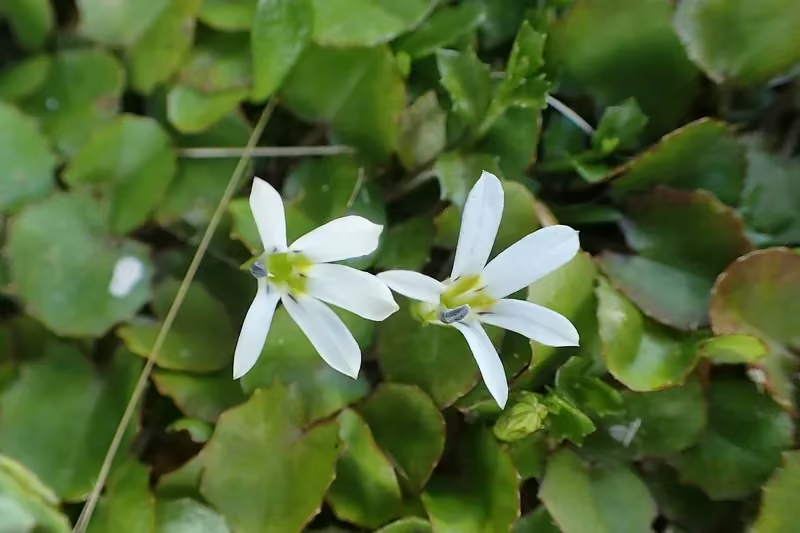
The Spoon-Leaved Sundew is a small, perennial carnivorous herb that forms a low-lying rosette, typically measuring between 2 and 5 cm in diameter. Its leaves are distinctly spoon-shaped (spathulate), with a narrow petiole tapering into a broader, rounded blade. The upper surface of each leaf is densely populated with glandular hairs, or tentacles, each tipped with a glistening droplet of sticky mucilage that resembles morning dew. These droplets serve to lure, trap, and eventually digest small insects. Depending on light exposure, the foliage can range from bright green to a deep, vibrant crimson. During the summer months, it produces slender, often reddish flower stalks that bear several small white or pink flowers which open sequentially from the bottom up.
Quick Facts
| Scientific Name | Drosera spathulata |
|---|---|
| Height | 2-5 cm (Spoon-shaped rosette) |
| Spread | 3-6 cm |
| Water Needs | High (Consistently Wet) |
| Light | Full Sun to Bright Indirect Light |
| Frost Tolerance | Moderate (Some forms) |
| Salt Tolerance | Low |
| Growth Rate | Moderate |
| Lifespan | Perennial |
Climate Best Suited to
Drosera spathulata is a highly adaptable species found across a wide latitudinal range in New Zealand, from the Far North to Stewart Island. It thrives in temperate climates but is also found in subalpine and alpine zones where it may experience snow in winter. It requires high humidity and consistent moisture, making it best suited to regions with reliable rainfall or protected wetland microclimates. It does not have a strict dormancy period in many of its New Zealand habitats.
Regional Suitability
| City | Climate Suitability |
|---|---|
| Auckland | Highly Suitable |
| Wellington | Suitable |
| Christchurch | Suitable (With protection) |
| Dunedin | Suitable |
| Queenstown | Suitable (In alpine bogs) |
| Invercargill | Suitable |
Plant Habitat
Natural Occurrence and Ecology
In the wild, the Spoon-Leaved Sundew is a specialist of nutrient-poor, acidic environments. Its primary habitats include peat bogs, swampy heaths, and damp sandy areas. It is frequently found colonizing bare clay pans or wet road cuttings where competition from more vigorous, non-carnivorous plants is minimal. This species is often one of the first to reappear in wetland areas after fire has cleared the surrounding vegetation. It thrives in open, sunny situations where its roots remain in water-saturated substrate year-round.
Growing Requirements
Soil Requirements
Requires a nutrient-poor, acidic medium. Standard potting soil will kill this plant due to high mineral content.
- Sphagnum peat moss
- Perlite or washed sand mix
- Strictly no fertilizer
Light Requirements
Needs bright light to produce the deep red pigments and sticky dew. Full sun is ideal for outdoor plants.
- Full sun
- Bright indirect light
- High UV tolerance
Water Requirements
Must be kept wet at all times. Use only mineral-free water to prevent "root burn" from dissolved salts.
- Rainwater only
- Distilled water
- Reverse osmosis water
Planting and Establishing
Establishment Guidance
Establishment is best done by transplanting established rosettes into a dedicated "bog tray" or terrarium. When planting, ensure the roots are gently spread into the moist peat-perlite mix. The crown of the plant should sit just above the surface of the substrate. It is highly recommended to use the "tray method," where the pot sits in a shallow dish of rainwater to ensure the medium remains constantly saturated. Once established, the Spoon-Leaved Sundew will often begin to produce offsets or self-seed into the surrounding medium, eventually forming a dense colony.
Ecological Role
Biodiversity and Ecosystem Impact
As a carnivorous plant, Drosera spathulata occupies an ecological niche in habitats where nitrogen and phosphorus are severely limited. By trapping and digesting insects, it cycles nutrients from the animal kingdom back into the soil-poor bog ecosystem. It provides a unique micro-habitat and is part of the complex web of life in New Zealand's vulnerable wetland systems. Its presence is often an indicator of high-quality, undisturbed acidic wetland environments.
Uses & Significance
Garden Uses
This species is highly popular among carnivorous plant enthusiasts. Its small size and ease of care make it perfect for terrariums, windowsills, or protected outdoor bog gardens.
- Terrarium displays
- Bog gardens
- Educational displays
Ecological Value
Crucial for nutrient cycling in nutrient-poor wetlands. It supports a specialized community of organisms and serves as a flagship species for wetland conservation.
- Nutrient cycling
- Insect population balance
- Wetland biodiversity
Landscaping Uses
Landscaping use is restricted to specialized bog features. It is often used in miniature "pocket bogs" within larger native landscapes to provide a point of interest. Its vibrant red rosettes offer a striking visual contrast to green mosses and sedges commonly found in wetland designs.
Seasonal Care Calendar
Spring
Growth resumes vigorously. This is the best time to repot or divide established clumps.
- Repotting
- Increase water level
Summer
Peak flowering period. Ensure the water tray never goes dry during hot, windy weather.
- Monitor dew production
- Consistent watering
Autumn
Flower stalks die back and seeds ripen. Growth slows as temperatures begin to drop.
- Seed collection
- Remove old stalks
Winter
Growth may stop entirely. Protect from severe, prolonged freezes if growing non-alpine forms.
- Reduce water slightly
- Frost protection
When to Prune and How Much
Sundews require very little pruning. The primary maintenance task is removing dead, blackened leaves from the base of the rosette to prevent fungal growth.
- Remove spent flowers
- Clear dead base leaves
Trimming the flower stalks after they have finished blooming (and seeds have been collected if desired) helps the plant direct more energy back into leaf growth and dew production.
How to Grow Spoon-Leaved Sundew
Cultivating the Spoon-Leaved Sundew ( Drosera spathulata ) is a unique experience that requires a shift in traditional gardening habits. Unlike most garden plants, this carnivorous species has evolved to thrive in "hostile," nutrient-poor conditions. The most critical factor for success is the total avoidance of minerals and nutrients in both the soil and the water. Successful cultivation relies on mimicking the acidic, water-logged conditions of a New Zealand peat bog. This plant is often recommended as the "perfect beginner sundew" because it is resilient and reproduces readily through several different methods.
From Seed
This species is a prolific seed producer. The tiny, dust-like seeds are produced in abundance after the flowers fade.
Seeds are best sown while fresh, although they can remain viable for several years if stored correctly.
- Prepare a pot with a moist mix of 50% peat moss and 50% perlite or silica sand.
- Scatter the tiny seeds onto the surface. Do not cover them, as they require light to germinate.
- Mist the surface with rainwater to settle the seeds into the medium.
- Place the pot in a tray of rainwater and keep it in a warm, bright location.
- Germination usually occurs within 2 to 4 weeks.
- Once the rosettes are about 1 cm wide, they can be carefully moved to their own pots.
Seedlings are very small and will require consistent humidity during their first few months of life.
From Leaf Cuttings
Vegetative propagation via leaf cuttings is an excellent way to produce clones of a particularly attractive specimen.
This method can be performed at any time during the active growing season.
- Carefully pull a healthy leaf from the rosette, ensuring the entire petiole (stem) is removed from the crown.
- Lay the leaf flat on the surface of moist chopped sphagnum moss or float it in a small container of distilled water.
- Keep the cutting in high humidity and bright light.
- Small plantlets will eventually form at the base or along the edges of the leaf blade.
- Once roots have developed, transplant the new rosettes into standard carnivorous plant soil.
Additional Methods
Large rosettes will occasionally produce "pups" or offsets from the base of the main stem. These can be carefully detached during repotting and treated as individual plants. Additionally, the plant can be grown in "water culture," where it is suspended over a nutrient-free water source, though this is more common in laboratory settings than in the home garden.
Pests & Diseases
The most common issue is "root burn" from using tap water or fertilizer. Aphids can occasionally attack the tender new growth of the flower stalks; these can be removed manually or with a carnivorous-safe insecticide. Botrytis (grey mould) may occur in winter if air circulation is poor and the plant is kept too wet and cold.
Cultural Significance
While Drosera spathulata lacks documented traditional uses in Māori culture, sundews hold significant cultural importance among Indigenous peoples of Australia, where this species also occurs. Aboriginal communities have traditionally used various Drosera species for treating respiratory ailments, with the mucilaginous leaves applied to coughs and bronchial conditions. Modern phytochemical analysis has validated this traditional knowledge, identifying bioactive compounds including flavonoids and phenolic acids that possess antimicrobial and anti-inflammatory properties.
In the context of Aotearoa New Zealand, Drosera spathulata represents the cultural value of wetland ecosystems (repo) within Te Ao Māori worldview. These specialized bog environments are taonga (treasures) that require protection and understanding. The plant's remarkable carnivorous adaptation serves as a symbol of nature's ingenuity and the importance of conserving unique ecological niches.
- Traditional respiratory medicine (Aboriginal Australian cultures)
- Symbol of wetland ecosystem integrity
- Educational ambassador for carnivorous plants
- Conservation flagship for threatened bog habitats
Bonus Tip
Watch your sundew "eat"! If you catch a small fruit fly and gently drop it onto a sticky leaf, you can observe the tentacles slowly curl around the prey over several hours. This movement is a response to the chemical stimulus from the insect's body.
Related Plants
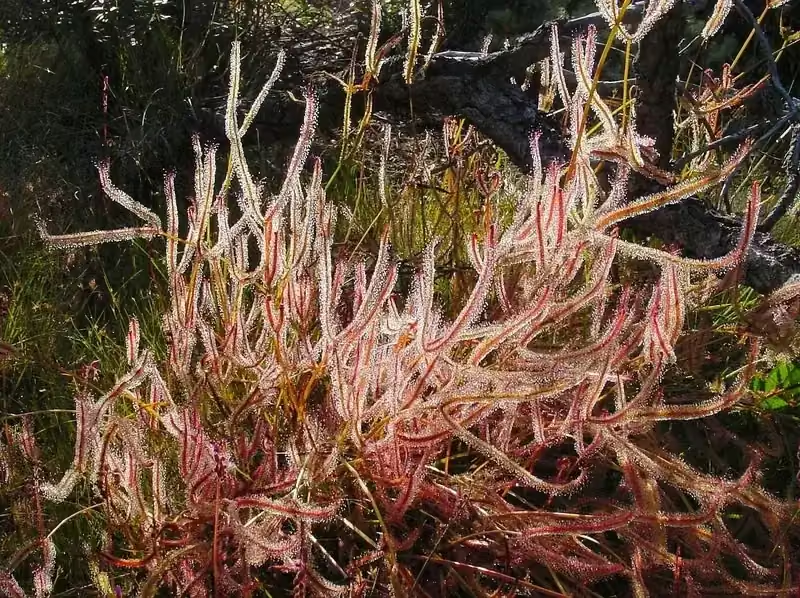
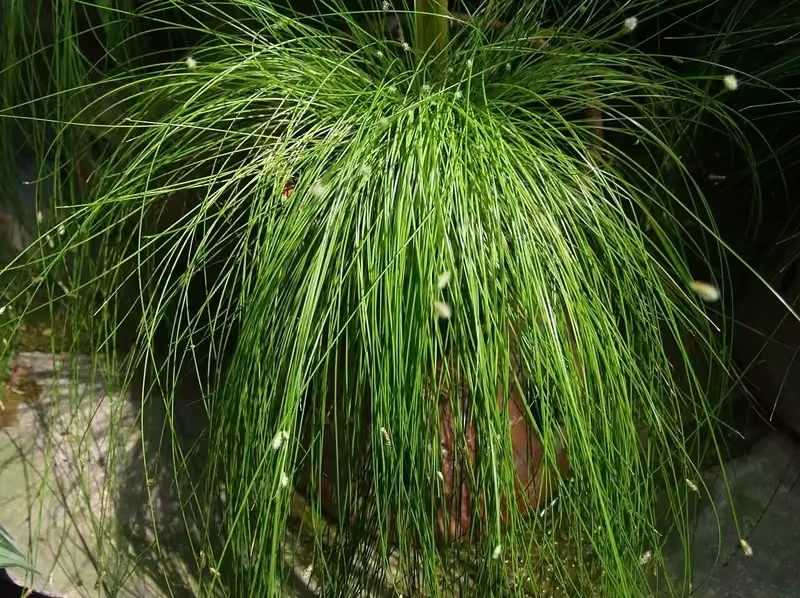
Explore other native plants that share similar characteristics or habitats with Spoon-Leaved Sundew ( Drosera spathulata ), offering further insights into New Zealand's diverse flora. These related species provide context and opportunities for complementary planting in your garden.
Plant Conservation
Conservation Status and Threats
Drosera spathulata is currently listed as Not Threatened in New Zealand. It remains common in suitable habitats. However, the ongoing loss of wetland areas due to drainage and land conversion poses a long-term threat to many of its populations. Protecting the remaining peat bogs and damp heathlands is essential for the continued survival of this and other specialized wetland species.
Frequently Asked Questions
How big is Spoon-Leaved Sundew?
Spoon-Leaved Sundew forms a low rosette 2 to 5 cm tall and 3 to 6 cm across.
Does Drosera spathulata tolerate frost?
Some forms are moderately frost tolerant, though it prefers consistently wet, mild conditions.
Where does Spoon-Leaved Sundew grow naturally?
It grows across New Zealand from the Far North to Stewart Island in peat bogs and damp heaths.
Is Drosera spathulata carnivorous?
Yes, its spoon-shaped leaves trap and digest insects to gain nutrients in poor soils.
Sources and Further Reading
The botanical, growing, and conservation details for Spoon-Leaved Sundew (Drosera spathulata) on this page draw on authoritative New Zealand plant references and citizen-science observation records. Consult the sources below for full technical records and the latest distribution data.