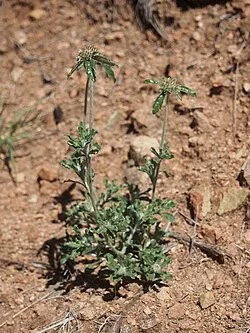
Star Cudweed
Euchiton sphaericus
Last updated:
Star Cudweed (Euchiton sphaericus) is an erect annual or short-lived perennial herb native to New Zealand, usually reaching 5 to 20 cm tall. It has a soft, silvery look thanks to a dense covering of white woolly hairs on its stems and leaf undersides, with small, linear grey-green leaves. Its most notable feature is the compact, spherical clusters of tiny flowers at the stem tips, which give it a starry appearance in full bloom. A tough pioneer, it colonizes open, sunny sites such as track margins, riverbeds, coastal dunes and pastures, growing happily in poor, dry or stony soils. It is fast-growing and very frost-hardy. Explore more native flowering plants in our native plant guide.
Plant Description
Identification and Physical Characteristics
Euchiton sphaericus is an erect annual or short-lived perennial herb that typically reaches heights of 5 to 20 cm, though it can occasionally grow taller in optimal conditions. It is easily identified by its soft, silvery appearance caused by a dense covering of white woolly hairs on the stems and leaf undersides. The leaves are small, linear-oblanceolate, and often have a distinctive grey-green upper surface. Its most notable feature is the compact, spherical (sphaericus) clusters of tiny flowers that appear at the tips of the stems, often having a starry appearance when in full bloom.
Quick Facts
| Scientific Name | Euchiton sphaericus |
|---|---|
| Height | 0.05 - 0.20 metres |
| Spread | 0.1 - 0.3 metres |
| Water Needs | Low to moderate |
| Light | Full sun to partial shade |
| Frost Tolerance | High |
| Salt Tolerance | Moderate |
| Growth Rate | Fast |
| Lifespan | Annual / Short-lived perennial |
Climate Best Suited to
Star Cudweed is a highly adaptable species found throughout New Zealand. It is well-suited to a wide range of climates, from coastal areas to montane environments. It is remarkably frost-hardy and can tolerate the hot, dry summers typical of many New Zealand regions.
Regional Suitability
| City | Climate Suitability |
|---|---|
| Auckland | High |
| Wellington | High |
| Christchurch | High |
Plant Habitat
Natural Occurrence and Ecology
This species is commonly found in open, sunny locations. It is a frequent colonizer of disturbed sites, such as garden edges, track margins, riverbeds, and coastal dunes. It also thrives in grasslands and pastures. Its ability to grow in poor, dry, or stony soils makes it a successful pioneer species in many environments across both the North and South Islands.
Growing Requirements
Soil Requirements
Very adaptable to various soil types. It performs well in poor, sandy, or gravelly soils as long as they are well-drained. It does not require high levels of fertility and can often be found in areas where other plants struggle to establish.
- Well-drained
- Sandy / Stony
- Poor soil tolerant
Light Requirements
Prefers full sun, which helps it maintain its compact form and healthy silvery appearance. It can tolerate partial shade, but growth may be less vigorous and the plant might become more elongated.
- Full Sun
- Partial Shade
Water Requirements
Once established, Star Cudweed is quite drought-tolerant. It requires moderate watering during dry spells to maintain its best appearance, but it is important to avoid overwatering or waterlogged conditions, which can lead to rot.
- Low to moderate
- Drought tolerant
Planting and Establishing
Establishment Guidance
Star Cudweed is best established from seed sown directly into the desired location. Simply scatter the seeds over prepared, weed-free soil and press them lightly into the surface. It can also be transplanted from small pots if handled carefully to minimize root disturbance. Early spring or autumn are the best times for planting.
Ecological Role
Biodiversity and Ecosystem Impact
As a pioneer species, Euchiton sphaericus plays an important role in early successional stages of vegetation. It helps stabilize soil in disturbed areas and provides a source of nectar for small native insects. Its silvery foliage can also provide a microhabitat for various tiny invertebrates.
Uses & Significance
Garden Uses
Ideal for low-maintenance native gardens, rockeries, or as a filler in gravel gardens. Its silvery colour provides a lovely contrast to green-foliaged plants. It is also suitable for ecological restoration projects in dry or disturbed areas.
- Rock gardens
- Gravel gardens
- Restoration
Ecological Value
Provides food for small pollinators and acts as a ground cover in challenging sites.
- Insect food source
- Soil stabilization
Landscaping Uses
Use Star Cudweed to add a soft, silvery texture to the foreground of native plantings. It is particularly effective when used in mass to create a low-growing "carpet" effect. Its hardiness makes it useful for planting in areas with poor soil where more demanding species might fail.
Seasonal Care Calendar
Spring
Sow seeds directly outdoors. Monitor for slugs and snails which may target young seedlings. Lightly water during dry spring spells.
- Sow seeds
- Watch for slugs
Summer
The plant will flower throughout the summer. While drought-tolerant, occasional watering will keep it looking fresh. Remove spent flower heads if you wish to limit self-seeding.
- Monitor watering
- Enjoy flowers
Autumn
Collect seeds for future use. The plant may naturally self-seed in appropriate environments. Clear away any excessively dry or dead plants to keep the garden tidy.
- Seed collection
- General tidying
Winter
The plant is very frost-hardy and will generally survive winter well. It requires very little attention during the colder months.
- Low maintenance
When to Prune and How Much
Minimal pruning is needed. You can pinch back the growing tips of young plants to encourage a more compact and bushier habit. After flowering, the old flower stalks can be trimmed off to maintain a neat appearance.
- Pinch tips early
- Trim old stalks
Always use clean, sharp tools.
How to Grow Star Cudweed
Cultivating Star Cudweed ( Euchiton sphaericus ) is a straightforward and rewarding task, especially for those looking to add resilient, low-maintenance native plants to their gardens. This species is primarily propagated through seeds, a method that aligns with its natural tendency to colonize new areas. Successful propagation depends on providing an environment that mimics its preferred open and sunny habitats. Because it is often an annual or short-lived perennial, ensuring a continuous supply of seeds is the best way to maintain a presence in the garden.
From Seed
Propagation from seed is the most reliable and easiest way to produce a large number of Star Cudweed plants. Seeds should be collected when the spherical flower clusters have turned brown and dry. Freshly collected seeds generally have high germination rates and can be sown immediately or stored in a cool, dry place.
Sow the seeds onto the surface of a well-draining seed-raising mix or directly into their final garden position. Because the seeds are tiny, they should not be covered deeply; a light pressing into the soil surface is sufficient. Keep the soil or mix consistently moist until germination, which usually occurs within 10-21 days under warm conditions.
- Collect dry flower heads in late summer
- Sow seeds on surface of moist soil
- Keep warm and lightly moist
- Watch for rapid emergence
Thin out seedlings if they become too crowded.
From Cuttings
While Star Cudweed is most commonly grown from seed, it is possible to grow it from small basal cuttings if taken from healthy, non-flowering shoots. This method is occasionally used to replicate a particularly attractive specimen.
Take 5 cm cuttings from the base of the plant in spring. Remove the lower leaves and dip in a rooting hormone. Insert into a mix of peat and perlite and keep in a humid, shaded environment until roots develop.
- Take small basal shoots
- Insert into gritty mix
- Maintain high humidity
Additional Methods
The most common "additional" method for Star Cudweed is simply allowing it to self-seed. In a garden with open soil and adequate light, the plant will often deposit seeds that germinate the following season with no human intervention.
This natural cycle is how the plant maintains itself in the wild and can lead to charming, informal drifts of silvery foliage in the garden. Just ensure the area is kept free of aggressive weeds that might outcompete the young seedlings.
- Leave some flower heads to dry
- Ensure soil is open and accessible
- Water area during dry spring spells
Pests & Diseases
Star Cudweed is generally very healthy and suffers from few pests or diseases. Occasionally, slugs or snails may damage young seedlings. In very humid or stagnant conditions, some leaf spotting may occur, but this is rarely a serious issue.
Cultural Significance
While often overlooked due to its small size, Star Cudweed is part of the natural mosaic of the New Zealand landscape. Its resilience and ability to grow in tough sites symbolize the hardiness of our native flora.
- Native biodiversity
- Resilient pioneer
Bonus Tip
Plant near darker-foliaged natives like Coprosma 'Chocolate Soldier' to make the silvery leaves of the Cudweed really pop.
Cultivating this species effectively involves a deep understanding of its natural adaptations and environmental preferences. By mimicking its native habitat-whether that be the cool, moist understory of a temperate rainforest or the exposed, well-drained slopes of an alpine range-gardeners can ensure robust growth and long-term health. Regular observation and minimal, targeted intervention are often the best strategies for maintaining the unique characteristics and ecological contributions of this remarkable New Zealand native plant.
Related Plants
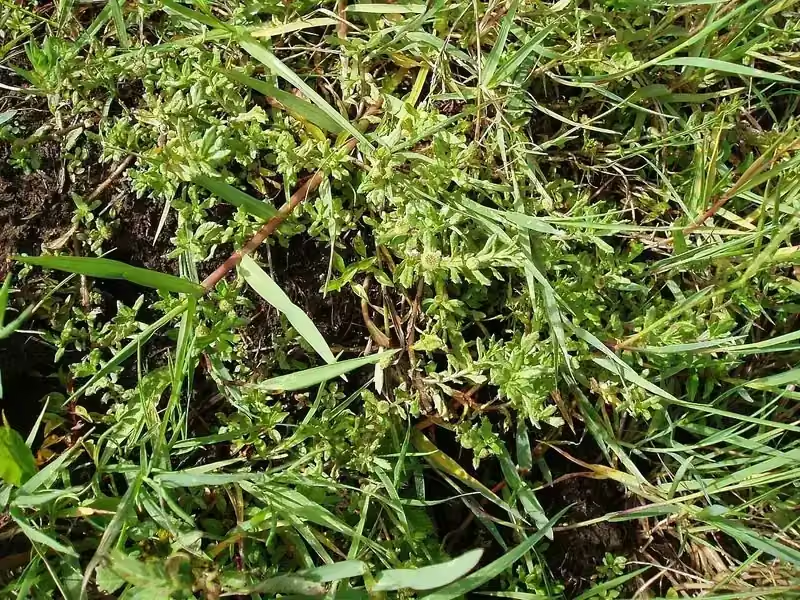
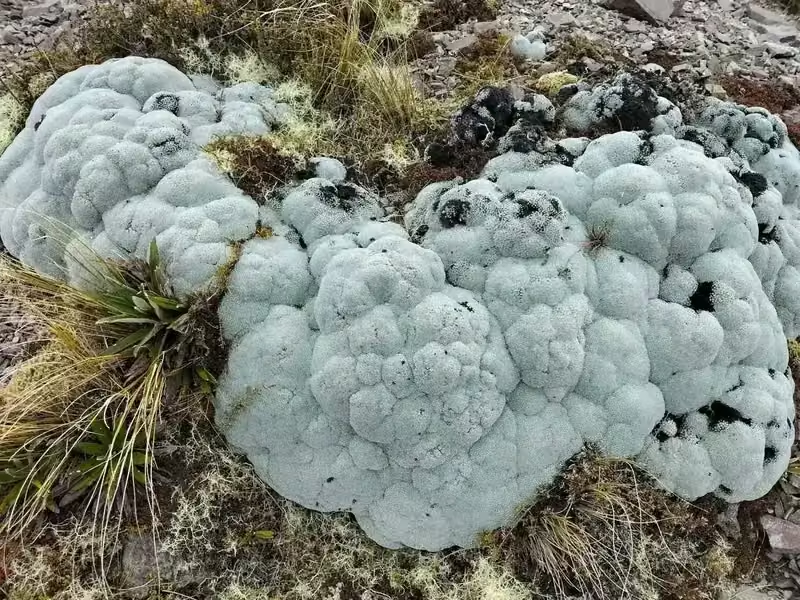
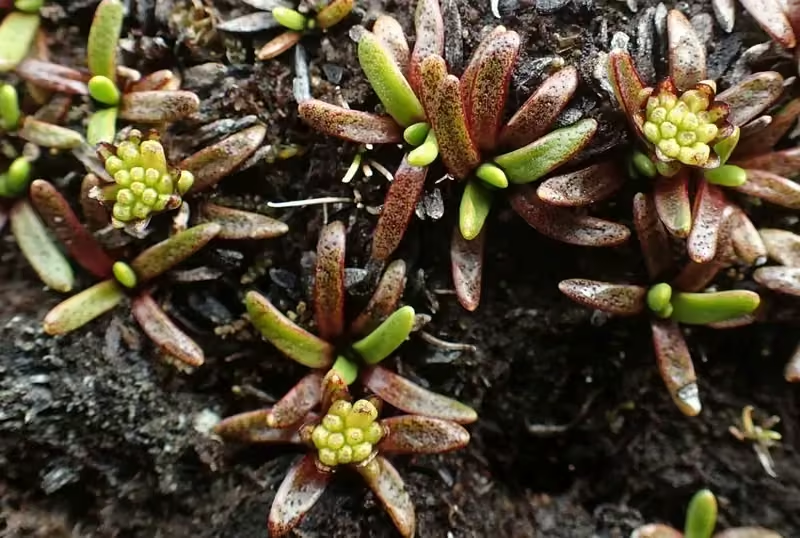
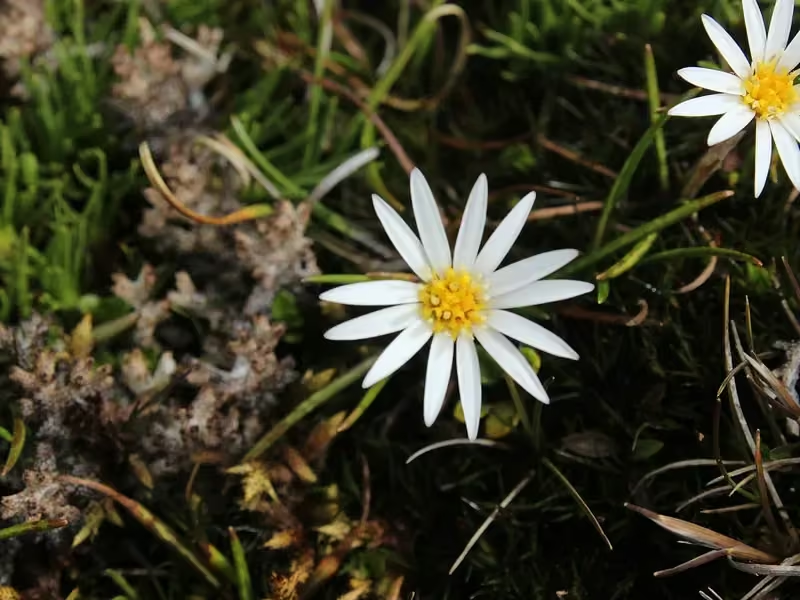
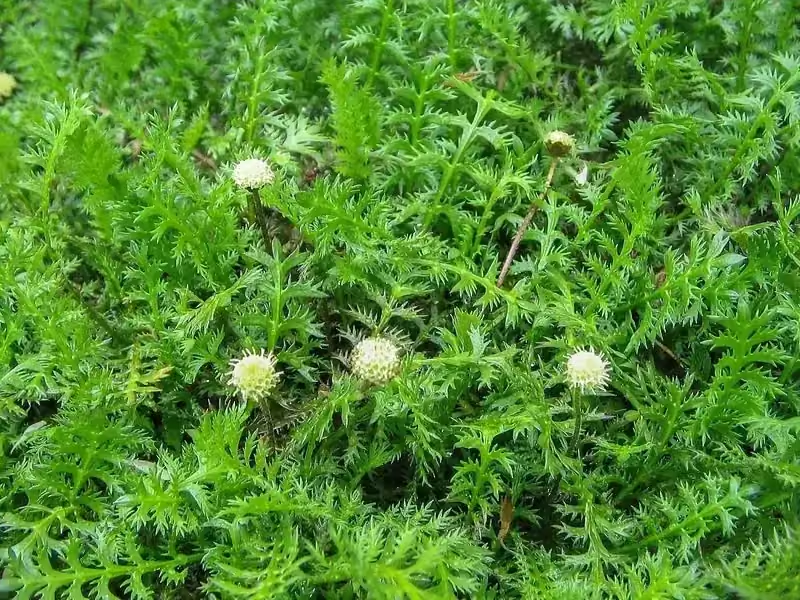
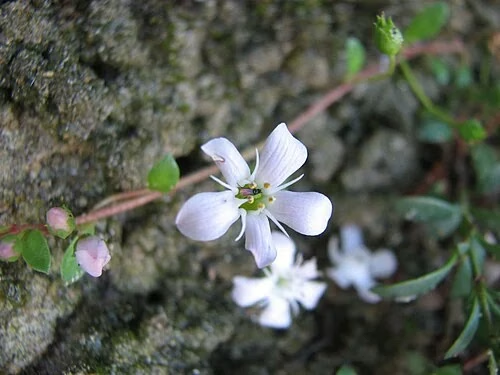
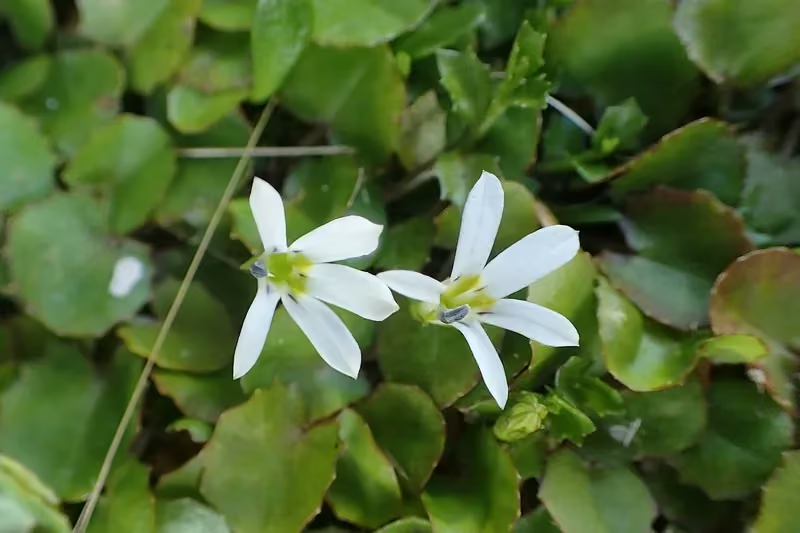
Explore other native plants that share similar characteristics or habitats with Star Cudweed ( Euchiton sphaericus ), offering further insights into New Zealand's diverse flora. These related species provide context and opportunities for complementary planting in your garden. For another flowering native plant, explore Grassy St John's Wort.

Plant Conservation
Conservation Status and Threats
Star Cudweed is currently classified as "Not Threatened." It is a common and widespread species that benefits from its ability to colonize disturbed areas. Its populations are stable across its natural range.
Frequently Asked Questions
How tall does Star Cudweed grow?
It typically reaches 5 to 20 cm tall, occasionally taller in good conditions.
Does Star Cudweed tolerate frost?
Yes, it is highly frost-hardy and also copes with hot, dry summers.
Where does Star Cudweed grow naturally?
It colonizes open, sunny disturbed sites like track margins, riverbeds, coastal dunes and pastures on both main islands.
Why is it called Star Cudweed?
Its tiny flowers form compact spherical clusters that look starry when in full bloom.
Sources and Further Reading
The botanical, growing, and conservation details for Star Cudweed (Euchiton sphaericus) on this page draw on authoritative New Zealand plant references and citizen-science observation records. Consult the sources below for full technical records and the latest distribution data.