NZ Pennywort
Hydrocotyle novae-zelandiae
Last updated:
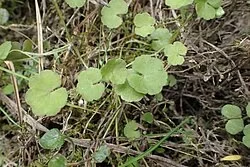
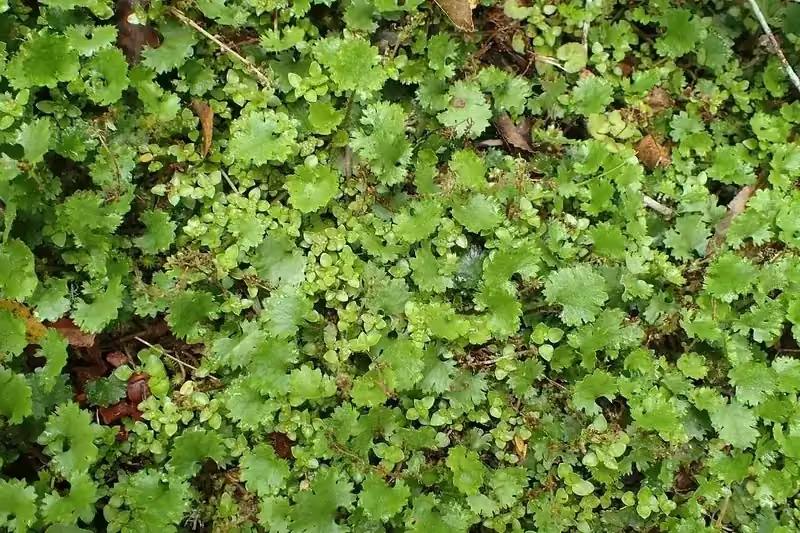
New Zealand pennywort (Hydrocotyle novae-zelandiae) is a vigorous creeping perennial herb with long, slender stems that root at the nodes to form extensive mats only 5 to 10 cm high. Its leaves are circular to kidney-shaped, usually 5 to 12 mm across, with shallowly scalloped margins on slender stalks. Small greenish-white flowers appear from spring to late summer. Frost hardy and fast-growing, it is a wetland plant found throughout New Zealand on the margins of ponds, lakes and slow streams, in swamps, bogs and damp grassland, and can even grow as an emergent aquatic in shallow water. Explore more wetland native plants in our native plant guide.
Plant Description
Identification and Physical Characteristics
Hydrocotyle novae-zelandiae is a vigorous, creeping perennial herb. It features long, slender stems that root at the nodes, allowing it to spread rapidly and form extensive mats. The leaves are circular to kidney-shaped (reniform), typically 5-12 mm in diameter (sometimes larger in varied forms), with shallowly lobed or scalloped margins. They are held on slender petioles that can vary in height depending on whether the plant is growing on land or in water. The flowers are small, greenish-white to brownish, and arranged in compact, inconspicuous umbels that appear from spring to late summer.
Quick Facts
| Scientific Name | Hydrocotyle novae-zelandiae |
|---|---|
| Height | 5-10 cm (creeping) |
| Spread | Spreading indefinitely |
| Water Needs | High / Aquatic |
| Light | Sun or Shade |
| Frost Tolerance | Hardy |
| Salt Tolerance | Low |
| Growth Rate | Fast |
| Lifespan | Perennial |
Climate Best Suited to
New Zealand Pennywort is widely distributed throughout New Zealand and adapts well to various climatic conditions. It is tolerant of frost and can persist in cold regions, often dying back slightly in winter and re-emerging in spring. It thrives in areas with consistent moisture, regardless of temperature extremes.
Regional Suitability
| City | Climate Suitability |
|---|---|
| Auckland | Suitable |
| Wellington | Suitable |
| Christchurch | Suitable |
| Dunedin | Suitable |
| Hamilton | Suitable |
| Tauranga | Suitable |
Plant Habitat
Natural Occurrence and Ecology
This species is naturally found in a broad array of wetland and damp terrestrial habitats. It is common on the margins of ponds, lakes, and slow-moving streams. It also inhabits swamps, bogs, damp grasslands, and wet depressions in forests. It is capable of growing as an emergent aquatic plant in shallow water or as a ground cover on permanently moist soil.
Growing Requirements
Soil Requirements
Thrives in heavy, moisture-retentive soils such as clay or loam. It can also grow in sandy soils if water is abundant.
- Clay soil
- Loamy soil
- Wet/Boggy soil
- Aquatic soil mix
Light Requirements
Adaptable to a range of light conditions, from full sun to dappled shade.
- Full sun
- Partial shade
- Dappled light
Water Requirements
Requires consistent moisture. It cannot tolerate drought and is best grown where the soil never dries out.
- High water needs
- Tolerates shallow submersion
- Keep consistently wet
Planting and Establishing
Establishment Guidance
Plant directly into damp ground or use aquatic planting baskets for ponds to control spread. If planting in a basket, use heavy soil topped with gravel. Place the basket on a shelf in the pond so that the crown of the plant is just below the water surface or in very shallow water. Space plants widely as they will quickly fill gaps.
Ecological Role
Biodiversity and Ecosystem Impact
Hydrocotyle novae-zelandiae provides valuable cover and habitat for aquatic invertebrates, tadpoles, and small fish in wetland environments. Its dense mats can help stabilize muddy banks and reduce erosion along watercourses.
Uses & Significance
Garden Uses
Excellent for edging ponds, covering damp soil in bog gardens, or as a lawn substitute in wet, shady areas where grass struggles.
- Pond margins
- Bog gardens
- Ground cover
- Container water features
Ecological Value
Supports wetland biodiversity by providing shelter and stabilizing sediments.
- Habitat for aquatic life
- Erosion control
Landscaping Uses
In landscaping, New Zealand Pennywort is valued for its ability to soften hard edges around water features. Its lush green foliage creates a seamless transition between land and water. It is also effective in rain gardens and stormwater retention areas due to its tolerance of fluctuating water levels.
Seasonal Care Calendar
Spring
New growth emerges vigorously. Divide congested clumps now.
- Divide plants
- Monitor spread
Summer
Maintain moisture levels. Trim back if spreading too aggressively.
- Ensure consistent water
- Trim runners
Autumn
Tidy up foliage. Final trim before winter dormancy in colder areas.
- Tidy foliage
- Trim back
Winter
Plant may die back in frost-prone areas. Little care required.
- Monitor water levels
When to Prune and How Much
Pruning is primarily done to control the spread of the plant. Because it grows by creeping runners, it can quickly colonize large areas.
- Trim runners anytime
- Cut back hard if invasive
simply pull up or cut back runners that have extended beyond their desired area. Regular maintenance prevents it from overwhelming less vigorous neighbors.
How to Grow NZ Pennywort
New Zealand Pennywort ( Hydrocotyle novae-zelandiae ) is an exceptionally easy plant to grow, often to the point where the main challenge is containing its enthusiasm. It is perfectly adapted to wet, boggy conditions and is an ideal choice for the margins of ponds, streams, or damp areas of the garden where other plants might struggle. Its resilience and rapid growth make it a rewarding plant for beginners or those establishing a new water feature.
Planting and Location
Choose a site that stays consistently moist. This plant thrives in full sun but will also perform well in partial shade. It can be planted directly into boggy soil or in baskets placed in shallow water (up to 10-15 cm deep). If planting in a pond, using a basket is highly recommended to prevent it from spreading uncontrollably across the water surface or into other planted areas. It is not fussy about soil type, growing well in clay, loam, or sandy soils, provided there is ample moisture. In a pond basket, use a heavy aquatic soil mix topped with gravel to stop the soil from floating away.
From Division/Runners
Propagation is simplicity itself. The plant spreads by runners that root at the nodes. To create new plants, simply detach a section of runner with some roots attached and replant it in a new location. This can be done at practically any time of the year during the growing season.
- Identify a healthy runner extending from the main clump.
- Check for small white roots growing from the nodes (where leaves attach).
- Cut a section containing at least one or two rooted nodes.
- Plant this section immediately into wet soil or a pot of damp compost.
- Keep well-watered until established, which usually happens very quickly.
Maintenance
The primary maintenance task is controlling its spread. Regular trimming may be necessary to keep it within bounds, especially in smaller ponds or water features. It is generally pest and disease-free. In colder regions, it may die back in winter but will re-emerge vigorously in spring.
Pests & Diseases
This plant is robust and rarely suffers from pests or diseases. Slugs and snails may occasionally graze on the foliage, particularly in very damp conditions.
Cultivating this species effectively involves a deep understanding of its natural adaptations and environmental preferences. By mimicking its native habitat-whether that be the cool, moist understory of a temperate rainforest or the exposed, well-drained slopes of an alpine range-gardeners can ensure robust growth and long-term health. Regular observation and minimal, targeted intervention are often the best strategies for maintaining the unique characteristics and ecological contributions of this remarkable New Zealand native plant.
Cultural Significance
The genus Hydrocotyle has been used traditionally for various purposes, but specific traditional Māori uses for H. novae-zelandiae are not widely documented compared to other species. However, as a common component of wetland flora, it is part of the ecosystem that has supported Māori cultural practices related to gathering and resource use in wetlands.
- Wetland component
- Biodiversity support
Bonus Tip
Use a sharp spade to slice through the roots around the perimeter of the plant clump once a year to keep it from spreading into lawn or other garden beds.
Related Plants
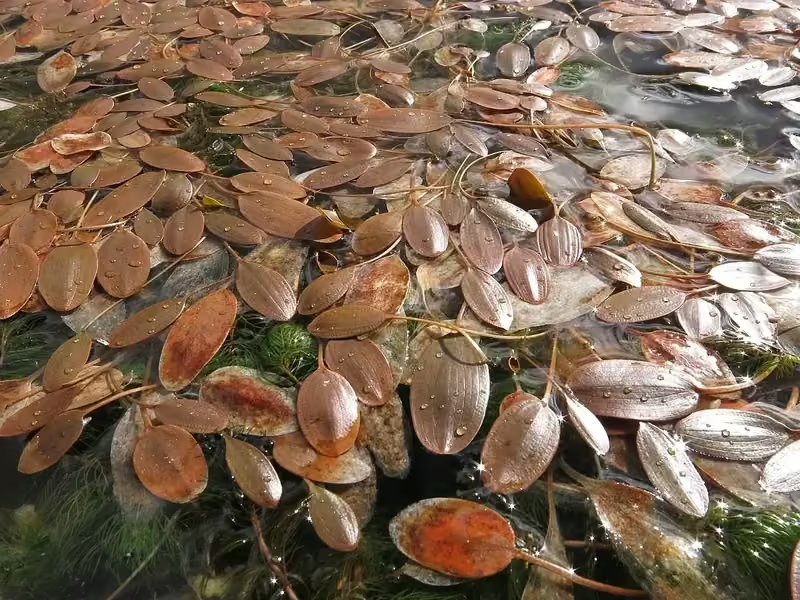
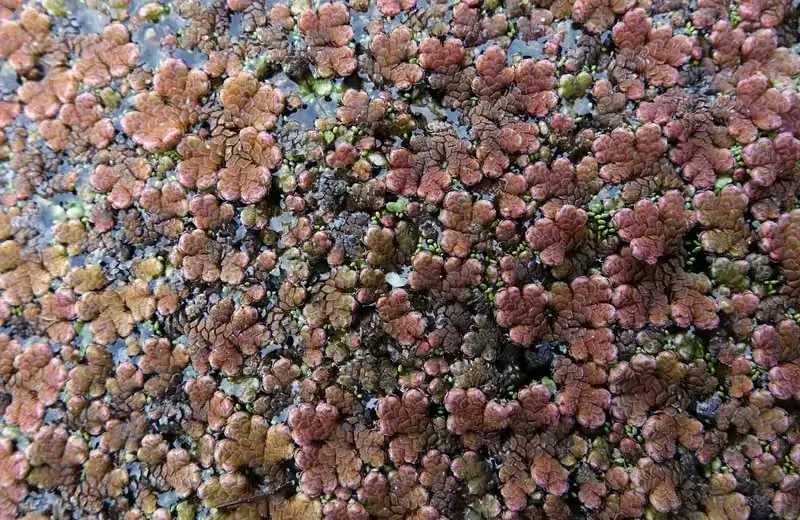
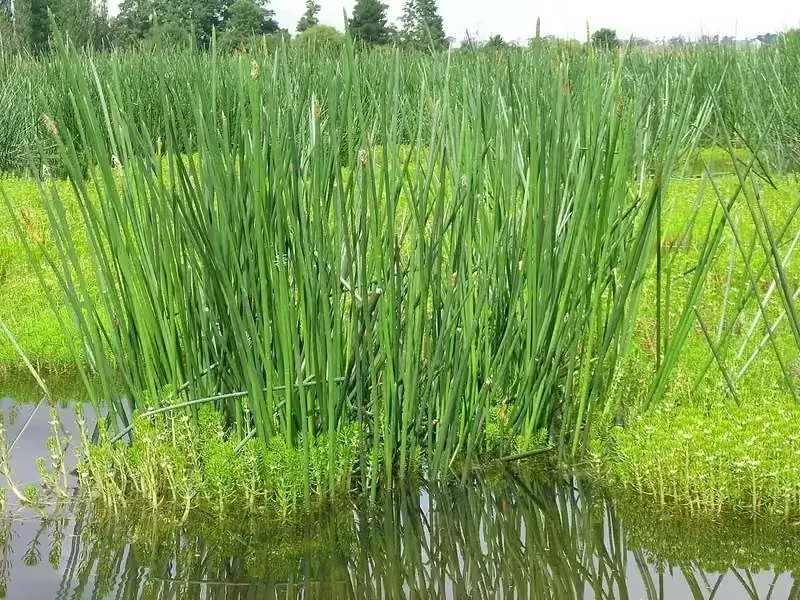
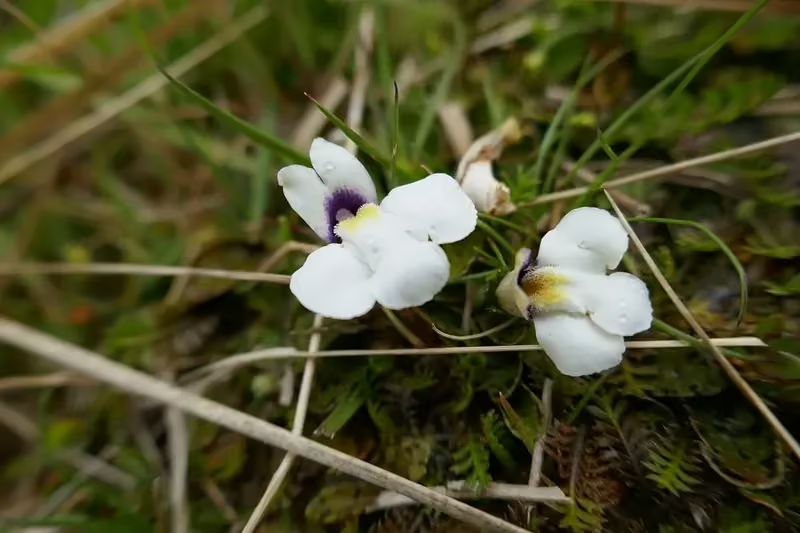
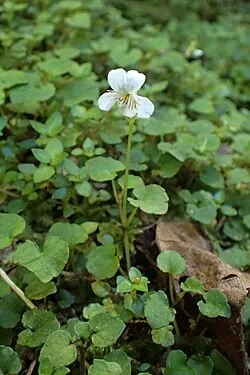
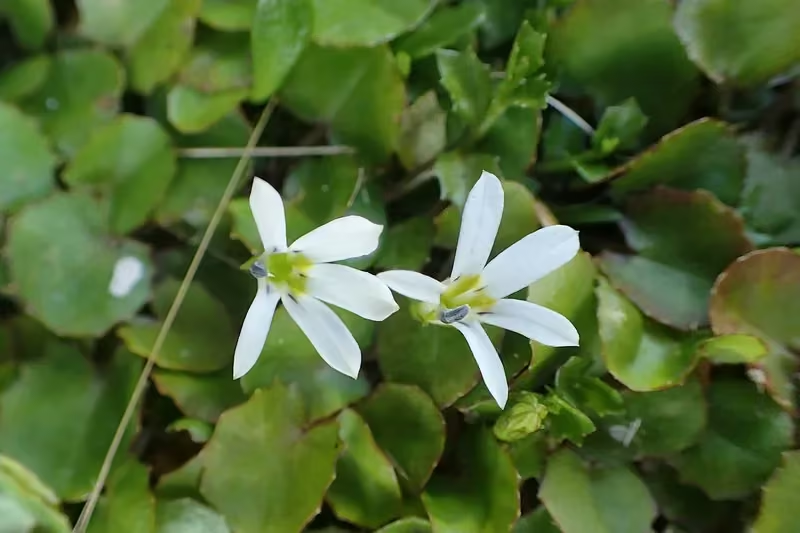
Explore other native plants that share similar characteristics or habitats with New Zealand Pennywort ( Hydrocotyle novae-zelandiae ), offering further insights into New Zealand's diverse flora. These related species provide context and opportunities for complementary planting in your garden.

Plant Conservation
Conservation Status and Threats
Hydrocotyle novae-zelandiae is widespread and abundant, classified as 'Not Threatened'. Its adaptability allows it to persist in many modified environments, including farmland and urban areas, provided there is sufficient moisture.
Frequently Asked Questions
How big does New Zealand pennywort get?
It creeps just 5 to 10 cm high but spreads indefinitely to form mats.
Where does Hydrocotyle novae-zelandiae grow?
It grows in wetlands nationwide, on pond and stream margins, swamps, bogs and damp ground.
Can it grow in water?
Yes, it can grow as an emergent aquatic in shallow water or on wet soil.
Is NZ pennywort frost hardy?
Yes, it is frost hardy and can persist in cold regions, dying back slightly in winter.
Sources and Further Reading
The botanical, growing, and conservation details for NZ Pennywort (Hydrocotyle novae-zelandiae) on this page draw on authoritative New Zealand plant references and citizen-science observation records. Consult the sources below for full technical records and the latest distribution data.