Mingimingi
Leucopogon fasciculatus
Last updated:
Mingimingi (Leucopogon fasciculatus), also known as tall mingimingi, is an open-branched, spreading evergreen shrub or small tree endemic to New Zealand. It can reach 5 to 6 metres in sheltered sites but often stays a smaller, spindly understorey shrub, with slender, wiry, often blackish stems. Its thin, narrow, sharply pointed leaves are arranged in distinctive bundles along the branchlets, and in spring it produces hanging spikes of small, sweetly scented white to greenish bell-shaped flowers followed by fleshy drupes. Found from sea level to about 1150 metres across the North Island and upper South Island, it is slow growing, hardy to frost and wind, and valued for attracting native birds and pollinators. Explore more native shrubs in our native plant guide.
Plant Description
Identification and Physical Characteristics
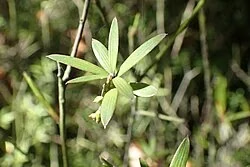
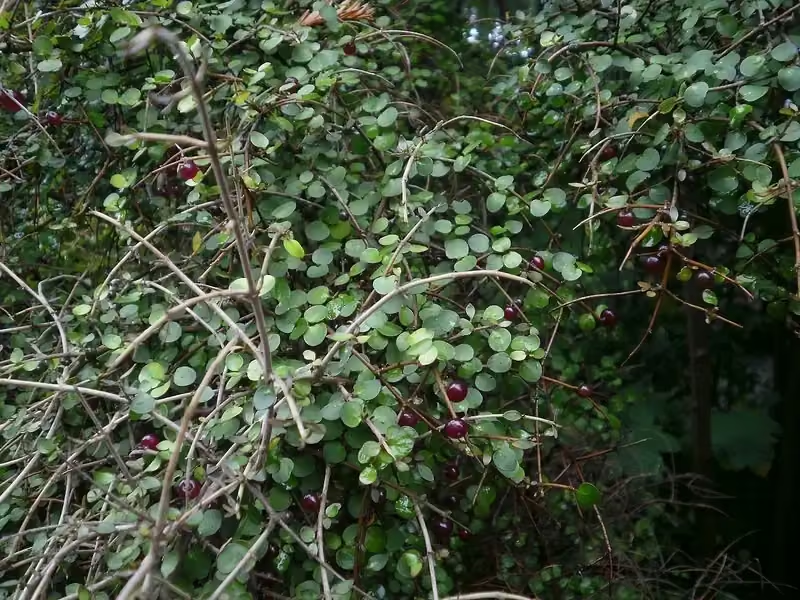
Leucopogon fasciculatus , commonly known as Mingimingi or Tall Mingimingi, is an open-branched, spreading evergreen shrub or small tree endemic to New Zealand. It is a member of the Ericaceae family and is recognized for its slender, wiry, and often blackish stems. The plant can reach impressive heights of 5 to 6 meters in sheltered environments, though it often remains a smaller, spindly shrub in the forest understory. Its foliage is highly distinctive, featuring thin, narrow, and sharply pointed leaves that are arranged in characteristic "bundles" or whorls along the branchlets. In spring, Mingimingi produces hanging spikes of small, white to greenish, bell-shaped flowers that emit a sweet fragrance. These are followed in early autumn by small, round fleshy drupes that range in colour from bright red to pale pink or white.
Quick Facts
| Scientific Name | Leucopogon fasciculatus |
|---|---|
| Height | Up to 5-6 m |
| Spread | 2-4 m |
| Water Needs | Low to moderate; drought-tolerant once established |
| Light | Full sun to partial shade |
| Frost Tolerance | High |
| Salt Tolerance | Medium |
| Growth Rate | Slow |
| Lifespan | Long-lived perennial |
Climate Best Suited to
Mingimingi is a hardy species well-suited to the temperate and montane climates of New Zealand. It is widespread throughout the North Island and the upper South Island as far south as Canterbury. It thrives in regions with moderate rainfall and can withstand significant frost and high winds. It is a frequent inhabitant of coastal forests where it handles moderate salt exposure with ease. It performs best in well-lit positions but can adapt to the dappled light of a forest margin.
Regional Suitability
| City | Climate Suitability |
|---|---|
| Auckland | High |
| Wellington | High |
| Christchurch | High |
| Dunedin | Medium |
| Invercargill | Medium |
Plant Habitat
Natural Occurrence and Ecology
In the wild, Leucopogon fasciculatus is a versatile member of New Zealand's light forest and shrubland communities. It is commonly found from sea level up to 1150 meters in altitude. Its typical habitats include coastal forest margins, rocky ridges, and open shrublands dominated by Mānuka and Kanuka. It is also a frequent understory component of Beech and podocarp forests. Its ability to grow on thin, rocky, or nutrient-poor soils allows it to colonize sites where larger forest trees might struggle to establish.
Growing Requirements
Soil Requirements
Requires well-drained soil. It is particularly adapted to dry, stony, or sandy substrates and can handle acidic conditions.
- Well-drained
- Stony/Gritty
- Acidic to Neutral
Light Requirements
Best in full sun or light dappled shade. It does not perform well in heavy, deep shade where it can become leggy.
- Full Sun
- Partial Shade
Water Requirements
Low to moderate water needs. It is remarkably drought-tolerant once mature but needs regular watering while establishing.
- Drought tolerant
- Avoid waterlogging
Planting and Establishing
Establishment Guidance
Choose a sunny, well-drained spot for your Mingimingi. If planting in a garden with heavy clay, consider raising the planting site or adding significant amounts of grit to the soil. Space plants about 1.5-2 meters apart if you want them to develop their full architectural form. Water the new plants regularly during their first summer, ensuring the soil remains moist but never waterlogged. Once established, they are low-maintenance and will slowly grow into a distinctive feature of your native landscape.
Ecological Role
Biodiversity and Ecosystem Impact
Mingimingi is an important ecological contributor, providing both food and habitat for native biodiversity. Its sweet-scented flowers attract a variety of native bees, butterflies, and moths. The fleshy drupes are a favoured food source for native birds such as silvereyes and bellbirds, as well as native skinks and geckos. Furthermore, the plant serves as a host for specialized endemic insects, including the moth Pyrgotis pyramidias . Its presence in regenerating shrublands helps facilitate the succession of larger forest species by providing ground-level shelter.
Uses & Significance
Garden Uses
In New Zealand gardens, Leucopogon fasciculatus is perfect for a native shrub border, a coastal garden, or as a structural specimen in an "arid-style" native landscape.
- Coastal landscaping
- Shrub borders
- Structural specimens
Ecological Value
Its primary value lies in its support for native pollinators and fruit-eating wildlife, making it a key species for restoration projects.
- Wildlife food source
- Pollinator support
- Regeneration facilitator
Landscaping Uses
Landscape designers value Mingimingi for its fine texture and its distinctive, often layered, branch structure. It is an excellent choice for creating a sense of "wildness" or age in a garden. Its blackish stems and bundled leaves provide a unique visual interest that differs from the more common broad-leaved natives. It is also a reliable plant for exposed sites where other shrubs might struggle to maintain their form.
Seasonal Care Calendar
Spring
The flowering season. Observe the small white bells and enjoy their fragrance. Apply a light dressing of slow-release fertilizer.
- Light fertilization
- Observe flowers
Summer
Monitor soil moisture during extended dry spells. This is the period of active growth for the wiry stems.
- Maintain watering
- Monitor growth
Autumn
The fruits ripen to red or white. This is the best time for taking semi-hardwood cuttings for propagation.
- Fruit ripening
- Take cuttings
Winter
The plant is dormant and very hardy. No specific care is needed, but check that drainage remains clear.
- Check drainage
- Minimal care
When to Prune and How Much
Pruning is generally not required for this slow-growing shrub.
- Remove dead/broken twigs
- Light shaping in winter
Only prune to remove damaged stems or to maintain a specific size in smaller gardens. Avoid heavy pruning, as the plant is slow to recover from old wood.
How to Grow Mingimingi
Cultivating Mingimingi ( Leucopogon fasciculatus ) is a rewarding way to introduce a quintessential New Zealand shrub into your garden. This species is naturally adapted to the light-filled forest margins and dry ridges of Aotearoa, making it a reliable performer once its preference for perfect drainage and ample light is met. Because it is a relatively slow-growing plant, it is often best appreciated as a long-term addition to a native landscape where its architectural form can be allowed to develop over time.
The most successful way to propagate Mingimingi is from fresh seed. The fruits should be collected in late autumn when they are fully ripe and have turned a bright red (or sometimes white/pink). Clean the fleshy pulp away from the single central seed and sow them immediately onto the surface of a gritty, acidic seed-raising mix. A light covering of fine grit or crushed stone will help keep the seeds in place. While they will germinate without pretreatment, many growers find that a 4-6 week period of cold stratification in a refrigerator can significantly speed up the process and lead to more even germination. Keep the seed tray in a cool, bright spot and ensure the medium remains moist but never waterlogged.
From Seed
Seedlings are slow-growing and require patience. They should be handled carefully to avoid damaging their delicate root systems.
- Collect ripe red fruits in autumn.
- Clean and sow on a gritty mix.
- Provide bright, cool light.
Once the seedlings have reached about 5 cm in height, they can be pricked out into individual pots filled with a well-drained, peaty potting medium. Grow them on for a full season before planting out.
From Cuttings
Semi-hardwood cuttings can also be successful. Take these in late summer, select healthy tips, and use a rooting hormone. Keep them in a very humid, shaded cutting frame.
- Select 5-10cm tips in late summer.
- Use an acidic propagation medium.
- Maintain high humidity.
Pests & Diseases
Mingimingi is generally a very resilient plant with few major disease issues. Its tough, narrow leaves are unappealing to many common garden pests. However, in poorly drained soil, it is susceptible to root rot (Phytophthora). Ensuring the site is well-drained is the best preventative measure. Occasionally, scale insects or aphids may appear on the new growth; these can be managed with organic horticultural oils if necessary.
Cultural Significance
The name "Mingimingi" is shared by several unrelated native shrubs with similar small leaves and wiry habits, reflecting a traditional Māori classification system based on form and function. Leucopogon fasciculatus represents the "tall" version of this form. Historically, it was recognized as a component of the light forest understory and was valued for its fragrance. Today, it is an important species for ecological restoration, symbolizing the intricate beauty of New Zealand's drier forest environments.
- Traditional recognition as Mingimingi
- Sweet-scented botanical heritage
- Endemic forest understory species
Bonus Tip
To truly appreciate the sweet fragrance of Mingimingi, plant it in a group near a window or an outdoor seating area. On a calm spring evening, the scent from the tiny flowers will fill the air, providing a delightful sensory experience that is uniquely New Zealand.
Related Plants
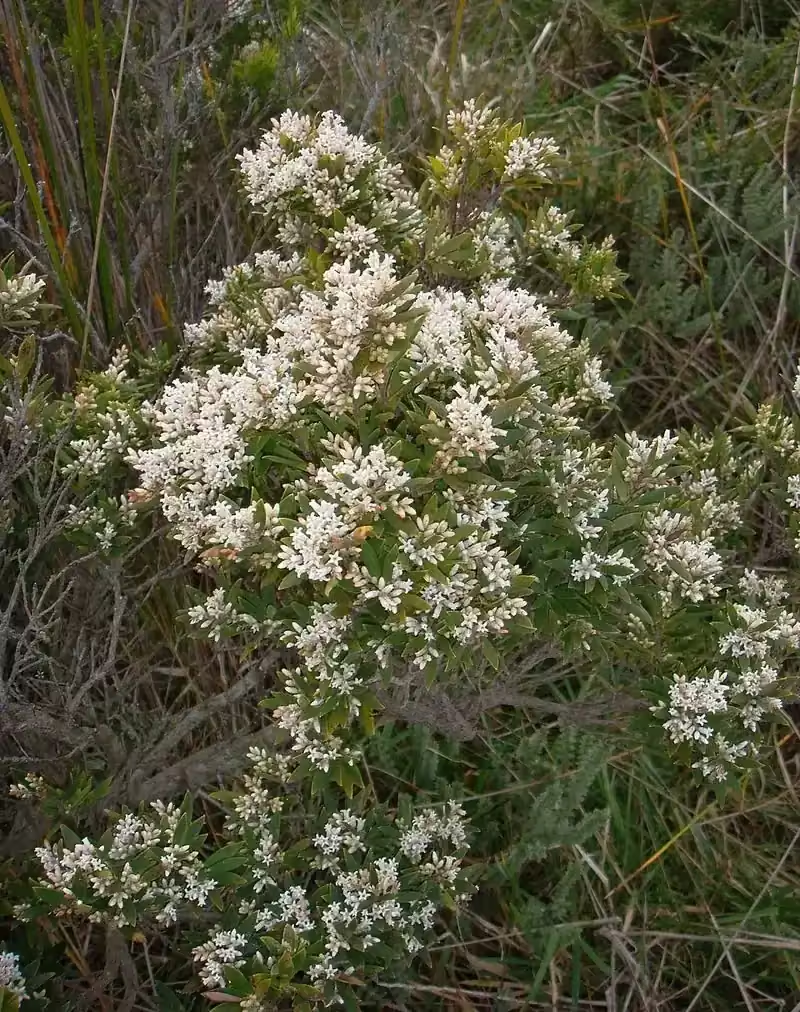
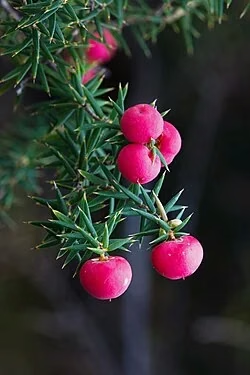
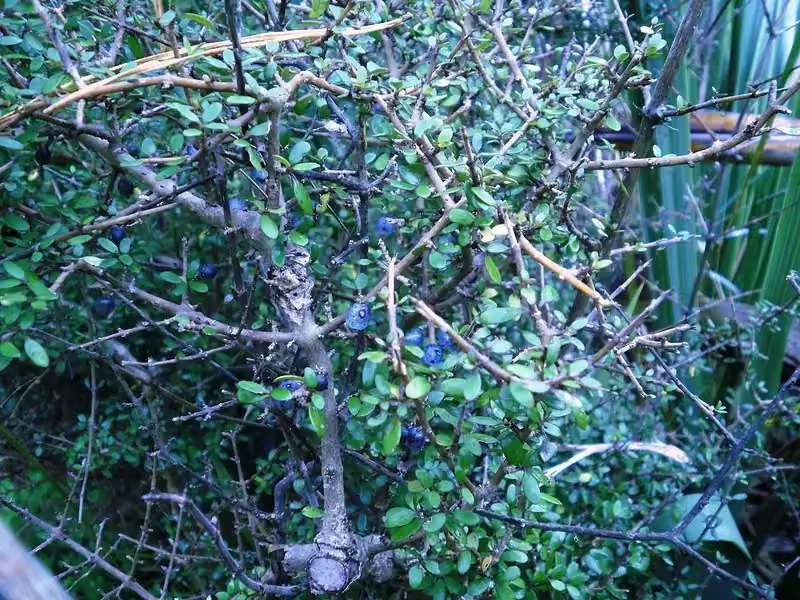
Explore other native plants that share similar characteristics or habitats with Mingimingi ( Leucopogon fasciculatus ), offering further insights into New Zealand's diverse flora. These related species provide context and opportunities for complementary planting in your garden.


Plant Conservation
Conservation Status and Threats
Currently classified as 'Not Threatened', Leucopogon fasciculatus remains a common and successful species across much of its native range. However, its survival is linked to the health of New Zealand's light forest and shrubland habitats. Continued efforts to manage invasive pests and protect regenerating native bush ensure that Mingimingi will continue to provide its essential ecological services for the future.
Frequently Asked Questions
How tall does mingimingi grow?
It can reach 5 to 6 metres in sheltered conditions but often stays a smaller understorey shrub.
How fast does mingimingi grow?
It is slow growing and slow to recover from hard pruning, so trim only lightly.
Does mingimingi tolerate frost?
Yes, it has high frost tolerance and also withstands strong winds.
Where does Leucopogon fasciculatus grow naturally?
It grows from sea level to about 1150 metres across the North Island and upper South Island to Canterbury.
Sources and Further Reading
The botanical, growing, and conservation details for Mingimingi (Leucopogon fasciculatus) on this page draw on authoritative New Zealand plant references and citizen-science observation records. Consult the sources below for full technical records and the latest distribution data.