Bronzy Willowherb
Epilobium komarovianum
Last updated:
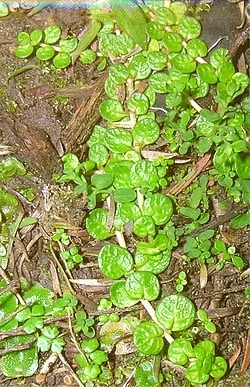
Bronzy Willowherb (Epilobium komarovianum) is a low-growing, mat-forming perennial herb native to New Zealand. Standing just 2 to 5 cm high, its slender, reddish, trailing stems spread 50 cm to 1 metre wide into dense mats. It is named for its distinctive foliage, small, rounded, coppery to dull reddish-green leaves with a dimpled, pitted upper surface. Small white four-petalled flowers emerge from the leaf axils. It grows in open, damp habitats such as seepages, lake shores, coastal turf and open riverbeds, acting as a pioneer of bare, moist ground. Fast-growing and hardy, it makes an attractive groundcover for damp garden spots. Explore more native ground covers in our native plant guide.
Plant Description
Identification and Physical Characteristics
Bronzy Willowherb is a low-growing, perennial herb that forms dense, creeping mats often extending up to one metre in diameter. Its stems are slender, trailing, and typically reddish in colour. The most striking feature of Epilobium komarovianum is its foliage; the leaves are small, rounded (orbicular) to broadly ovate, and possess a unique coppery or dull reddish-green hue. The upper surface of the leaf is distinctly "rugose-impressed," giving it a characteristic dimpled or pitted appearance. The small, white flowers emerge individually from the leaf axils, featuring four petals that are often notched at the tip. Following pollination, the plant produces slender capsules that split to release wind-dispersed seeds, each topped with a tuft of white hairs.
Quick Facts
| Scientific Name | Epilobium komarovianum |
|---|---|
| Height | 2-5 cm (Creeping) |
| Spread | 50-100 cm |
| Water Needs | Moderate to High |
| Light | Full Sun to Partial Shade |
| Frost Tolerance | Moderate |
| Salt Tolerance | Moderate |
| Growth Rate | Fast |
| Lifespan | Perennial |
Climate Best Suited to
Bronzy Willowherb is highly adaptable and can be found throughout the North, South, Stewart, and Chatham Islands of New Zealand. It thrives in temperate to cool-temperate climates and is particularly well-suited to areas with consistent moisture. While it can withstand moderate frosts, it performs best in regions where high humidity and regular rainfall maintain the damp conditions it prefers in the wild.
Regional Suitability
| City | Climate Suitability |
|---|---|
| Auckland | Suitable |
| Wellington | Highly Suitable |
| Christchurch | Suitable |
| Dunedin | Suitable |
| Queenstown | Suitable |
| Invercargill | Suitable |
Plant Habitat
Natural Occurrence and Ecology
In its natural environment, Bronzy Willowherb is typically found in open, damp habitats. It colonizes flushes, seepages, and areas with seasonally ponding water. It is also common on lake shores, in coastal turf, and among the gravel of open riverbeds. This species is a pioneer plant, often being one of the first to occupy bare or disturbed ground where moisture is available. Its ability to tolerate wet "feet" makes it a specialist of wetlands and riparian margins from sea level up to montane elevations.
Growing Requirements
Soil Requirements
Prefers moist, loamy soils but is remarkably adaptable to various substrates including gravel and heavy clay.
- Moist to wet soil
- Poorly drained tolerant
- Humus rich preferred
Light Requirements
Thrives in full sun to partial shade. In brighter light, the coppery-bronze coloration of the leaves becomes more intense.
- Full sun (best colour)
- Partial shade
- Dappled light
Water Requirements
Requires consistent moisture. It is not drought-tolerant and will rapidly decline if the soil dries out completely.
- Frequent watering
- Tolerates saturation
- High humidity benefits
Planting and Establishing
Establishment Guidance
Establishing Bronzy Willowherb is easily achieved by planting small clumps or rooted fragments into moist soil. Because it is a vigorous spreader, space plants approximately 20-30 cm apart; they will quickly knit together to form a seamless coppery carpet. Spring and autumn are the best times for planting to take advantage of natural rainfall. Ensure the planting area is free of tall, aggressive weeds that might outcompete this low-growing herb during its initial establishment phase.
Ecological Role
Biodiversity and Ecosystem Impact
Epilobium komarovianum serves as an important ground-stabilizing plant in damp, open habitats. By forming dense mats, it helps prevent soil erosion on riverbanks and lake margins. These mats also create a moist micro-environment for various soil-dwelling invertebrates. The flowers provide a nectar source for small native insects, including bees and hoverflies. As a pioneer species, it facilitates the transition of disturbed ground into more complex native plant communities.
Uses & Significance
Garden Uses
This willowherb is prized by gardeners for its unusual coppery foliage and its ability to provide a dense, colourful ground cover in damp spots. It is excellent for underplanting larger shrubs, edging pathways, or filling gaps in rock gardens and alpine displays.
- Damp ground cover
- Rock gardens
- Path edging
Ecological Value
Contributes to the biodiversity of wetland and riparian zones. It supports native insect populations and plays a role in the natural succession of New Zealand's landscapes.
- Erosion control
- Pollinator habitat
- Successional pioneer
Landscaping Uses
Landscapers utilize Bronzy Willowherb for its unique texture and colour contrast. It is a popular choice for "living mulch" in native gardens, helping to suppress weeds while providing a beautiful visual base. Its tolerance for wet soil makes it an ideal candidate for rain gardens, bioswales, and the margins of water features where other ground covers might fail due to poor drainage.
Seasonal Care Calendar
Spring
Period of rapid growth. This is the best time to divide existing mats or transplant rooted sections to new areas of the garden.
- Divide and transplant
- Mulch if needed
Summer
Flowering occurs. The main task is ensuring the plant remains well-watered during hot, dry spells to prevent browning and dieback.
- Maintain moisture
- Monitor for pests
Autumn
Seeds ripen. The foliage often deepens in colour as the weather cools, providing a rich coppery-red display.
- Collect seed capsules
- Trim edges
Winter
Growth slows. The plant is generally hardy but may lose some vigour in very cold, frost-prone regions. Minimal care is required.
- Protect from disturbance
- Dormant phase
When to Prune and How Much
Bronzy Willowherb requires very little pruning. Its naturally prostrate habit keeps it low to the ground. Trimming is mostly necessary only to control its spread or to refresh old, tired patches of the mat.
- Control lateral spread
- Refresh old mats
If the mat becomes too thin or untidy, a light shear in late winter can encourage a flush of fresh, healthy growth in the spring.
How to Grow Bronzy Willowherb
Cultivating Bronzy Willowherb ( Epilobium komarovianum ) is a straightforward and rewarding process for any gardener looking to add unique colour and texture to their landscape. This species is naturally vigorous and adapts well to garden conditions, provided its basic needs for moisture and light are met. Its ability to spread quickly makes it an efficient ground cover, and its resilience means it requires very little intervention once established. Whether you are starting from seed or using vegetative methods, success is almost guaranteed in New Zealand's temperate climate.
From Rooted Pieces
Vegetative propagation is the fastest and most reliable way to increase your stock of Bronzy Willowherb. Because the trailing stems naturally root at the nodes, established mats are essentially collections of many small, pre-rooted plants.
This method is best carried out in the cooler months of spring or autumn when moisture levels are naturally higher.
- Identify a healthy, dense section of an existing mat.
- Use a trowel or sharp knife to lift a small clump (about 5-10 cm wide), ensuring you bring the roots and attached soil with it.
- Prepare the new planting site by loosening the soil and removing any competing weeds.
- Place the clump into the new spot, pressing it firmly to ensure good root-to-soil contact.
- Water the area thoroughly immediately after planting.
- Keep the new plant moist for the first few weeks until you see signs of active new growth.
From Seed
Propagating from seed is also effective, though it takes longer to achieve a full mat. The seeds are produced in slender capsules that split when mature.
Collect the capsules just as they turn brown but before they have fully opened and released their wind-dispersed seeds.
- Place the collected capsules in a paper bag until they open and release the seeds.
- Sow the seeds onto the surface of a moist, fine seed-starting mix. Do not bury them deeply, as light helps trigger germination.
- Place the tray in a warm, humid environment out of direct sunlight.
- Once the seedlings are large enough to handle (usually with 2-3 pairs of leaves), prick them out into individual pots.
- Grow them on until they have formed a small clump before transplanting them into their final garden position.
Additional Methods
Stem cuttings can also be used if rooted pieces are unavailable. Simply snip a trailing stem and place it in a glass of water or directly into moist potting mix. The nodes will quickly produce roots, often within 10 to 14 days. This method is particularly useful for indoor propagation or for producing plants for terrariums.
Pests & Diseases
Bronzy Willowherb is generally free from major pests and diseases. Like other Epilobium species, it can occasionally be affected by powdery mildew if air circulation is extremely poor in very damp, shaded conditions. Slugs and snails might nibble on the foliage, but the plant's rapid growth usually means it outpaces any significant damage.
Cultural Significance
While specific individual legends for Bronzy Willowherb are not prominent, it is recognized as part of the diverse "clothing" of the land in Māori tradition. It is valued by modern conservationists and native plant enthusiasts as a symbol of the beauty found in New Zealand's smaller, often overlooked pioneer species. Its recent popularity in gardens worldwide has helped raise awareness of New Zealand's unique botanical heritage.
- Native pioneer recognition
- Botanical resilience symbol
Bonus Tip
The "Bronzy" in its name isn't just for show! To get the most vibrant reddish-coppery colour, plant it in a spot that receives full sun for most of the day. In deep shade, the leaves will remain a more conventional green.
Related Plants
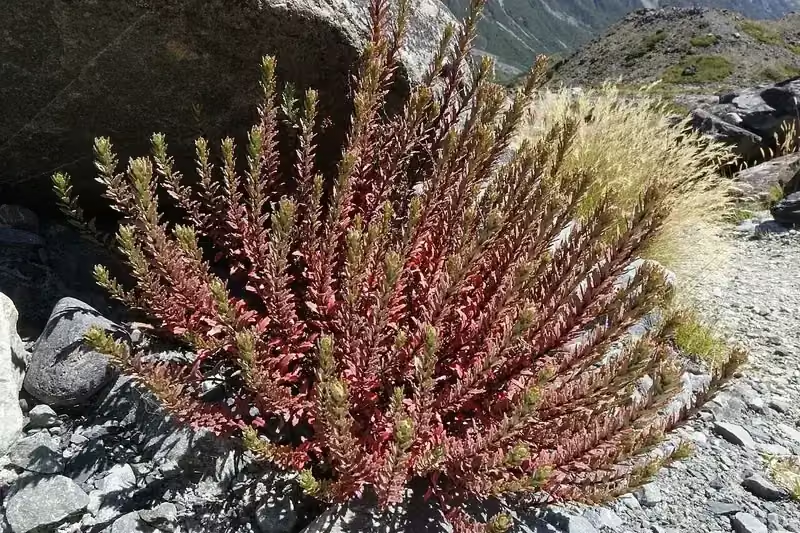
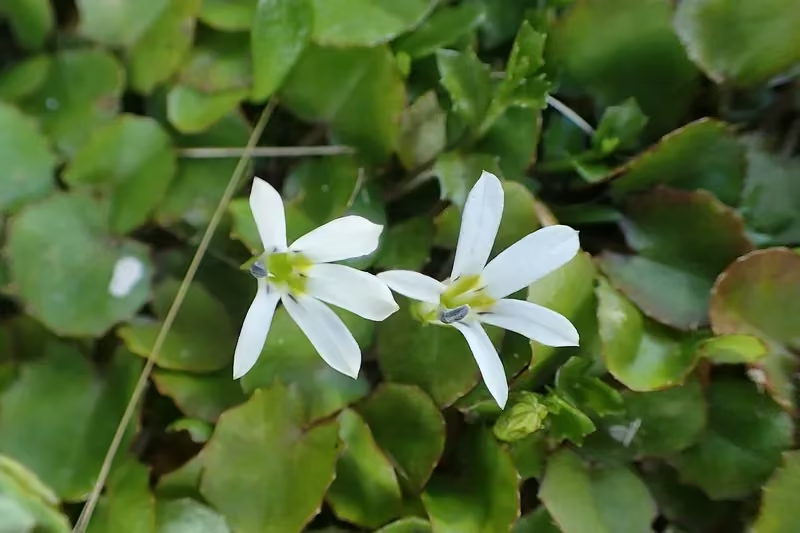
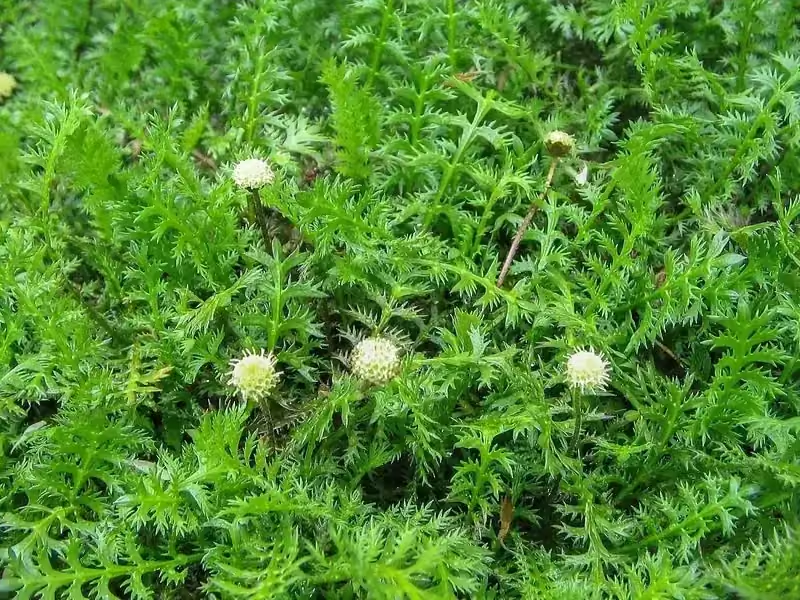
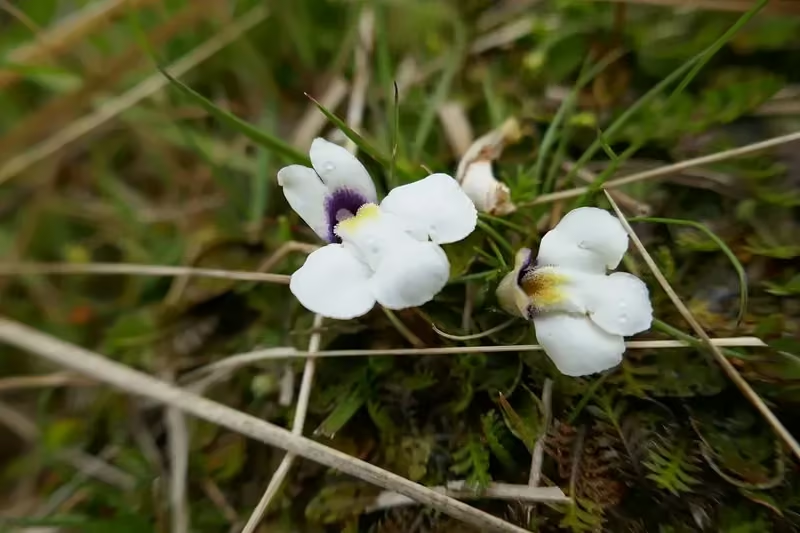
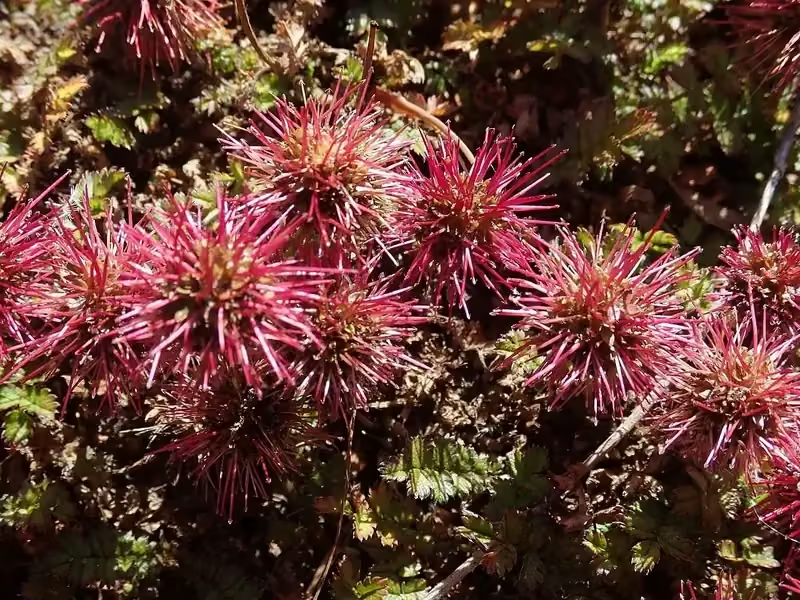
Explore other native plants that share similar characteristics or habitats with Bronzy Willowherb ( Epilobium komarovianum ), offering further insights into New Zealand's diverse flora. These related species provide context and opportunities for complementary planting in your garden.

Plant Conservation
Conservation Status and Threats
Epilobium komarovianum is currently listed as Not Threatened in New Zealand. It is a widespread species that often thrives in the wake of human activity, colonizing roadside drains, damp garden borders, and gravel paths. While it is not of immediate conservation concern, its role as a pioneer plant makes it a valuable component of many natural and modified ecosystems.
Frequently Asked Questions
How big does Bronzy Willowherb get?
It stays very low at 2 to 5 cm tall but spreads 50 cm to 1 metre wide into creeping mats.
Does Bronzy Willowherb tolerate frost?
Yes, it withstands moderate frosts, though it performs best in milder, consistently moist conditions.
Where does Bronzy Willowherb grow naturally?
It grows in open, damp habitats like seepages, lake shores, coastal turf and open riverbeds across New Zealand.
How fast does Bronzy Willowherb grow?
It is fast-growing and quickly forms dense mats as a pioneer plant.
Sources and Further Reading
The botanical, growing, and conservation details for Bronzy Willowherb (Epilobium komarovianum) on this page draw on authoritative New Zealand plant references and citizen-science observation records. Consult the sources below for full technical records and the latest distribution data.