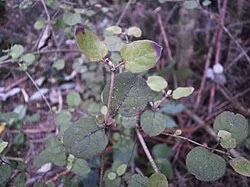
Round-Leaved Coprosma
Coprosma rotundifolia
Last updated:
Coprosma rotundifolia, the Round-Leaved Coprosma, is a versatile evergreen shrub or small tree endemic to New Zealand, reaching up to 6 metres tall with wide-angled, divaricated branches that form a dense, bushy plant. Its defining feature is its nearly circular leaves, typically 15 to 25 mm long, pale soft green and often marked with purple or brownish blotches, covered in fine hairs that give a slightly fuzzy texture. Clusters of small green flowers in spring are followed by fruit that feeds native birds and lizards. It grows across the North, South and Stewart Islands, favouring damp, fertile riparian and alluvial forest. Explore more native shrubs in our native plant guide.
Plant Description
Coprosma rotundifolia , commonly known as the Round-leaved Coprosma, is a versatile and attractive shrub or small tree endemic to New Zealand. Reaching heights of up to 6 metres, it is characterized by its wide-angled, divaricated branches that create a dense, bushy appearance. The most defining feature of this species is its nearly circular leaves, which are typically 15-25 millimetres long. These leaves are a pale, soft green, often accented with distinctive purple or brownish blotches and covered in a fine layer of tiny hairs, particularly along the margins. These hairs give the foliage a slightly fuzzy texture. In spring, clusters of small, inconspicuous green flowers appear, which later develop into small, glossy drupes that ripen to a vibrant orange or red, providing an important food source for native birds and lizards.
Quick Facts
| Scientific Name | Coprosma rotundifolia |
|---|---|
| Height | Up to 6 metres |
| Spread | 2-3 metres |
| Water Needs | Moderate to High |
| Light | Full sun to dappled shade |
| Frost Tolerance | Hardy |
| Salt Tolerance | Moderate |
| Growth Rate | Fast |
| Lifespan | 30-50 years |
Climate Best Suited to
Round-leaved Coprosma is a hardy species that thrives in temperate climates throughout New Zealand. It is well-adapted to regions with reliable rainfall and can tolerate frosty conditions once established.
Regional Suitability
| City | Climate Suitability |
|---|---|
| Auckland | Excellent |
| Wellington | Very Good |
| Christchurch | Excellent |
| Dunedin | Very Good |
| Hamilton | Excellent |
Plant Habitat
This species is found throughout the North, South, and Stewart Islands, where it thrives in a range of environments from lowland to montane regions. It has a strong preference for damp, fertile sites and is most frequently encountered in riparian forests, along stream banks, and in alluvial forest pockets. Round-leaved Coprosma is also known for its affinity for soils derived from calcareous parent materials, such as limestone. It is a common component of the forest understory and forest margins, where it successfully utilizes the dappled light and consistent moisture of these ecosystems.
Growing Requirements
Soil Requirements
Prefers fertile, moist, and well-draining soils.
- Alluvial loams
- Calcareous/limestone soils
- Rich organic soils
Light Requirements
Versatile in its lighting needs but enjoys protection from the harshest sun.
- Dappled shade (ideal)
- Full sun (if soil is moist)
- Partial shade
Water Requirements
Requires consistent moisture, particularly in the summer months.
- Regular watering during dry spells
- Thrives in moist forest conditions
- Avoid completely waterlogged sites
Planting and Establishing
To establish Coprosma rotundifolia , choose a site that offers some shelter from strong winds. Dig a planting hole that is larger than the root ball and enrich the soil with compost. Place the shrub at the same level it was in its pot and firm the soil around it. Water deeply immediately after planting. Maintaining a thick layer of mulch will help keep the roots cool and moist, which is essential for this forest-dwelling species during its initial establishment phase.
Ecological Role
Round-leaved Coprosma plays a significant role in New Zealand's biodiversity. Its prolific fruiting provides a reliable food source for many native birds, including tūī, bellbirds, and kererū. The small, colourful berries are also a favourite for native lizards. Furthermore, the shrub's dense, divaricating branches provide excellent cover and nesting sites for small birds and habitat for various native insects, contributing to a healthy forest understory.
Uses & Significance
Garden Uses
An excellent choice for adding texture and attracting wildlife to native gardens.
- Wildlife and bird gardens
- Riparian margin plantings
- Underplanting for larger forest trees
- Hedge or screen in shaded areas
Ecological Value
Supports a wide range of native fauna through its fruit and structural form.
- Important food source for native birds
- Favoured by native lizards
- Provides nesting habitat
Landscaping Uses
In landscaping, Coprosma rotundifolia is often used for its unique foliage and structural branching. Its round, blotched leaves provide a softer texture than many other Coprosmas. It is highly effective when used in mass plantings to create a lush, naturalistic forest-floor aesthetic. Its fast growth rate also makes it valuable for establishing quick cover in restoration projects or for creating a living screen in shaded parts of the garden.
Seasonal Care Calendar
Spring
Prepare for new growth by applying organic fertilizer and monitoring moisture levels.
- Apply slow-release fertilizer
- Monitor for new shoots
- Check mulch levels
Summer
Focus on maintaining consistent soil moisture during the hottest months.
- Deep water during dry periods
- Observe bird activity on ripening fruit
- Check for any pest issues
Autumn
A great time for planting and collecting seeds for future propagation.
- Planting new specimens
- Seed collection from mature drupes
- Reduce watering frequency
Winter
The plant is dormant; perform any necessary structural pruning during this time.
- Remove dead or crossing branches
- Cleanup fallen leaf debris
When to Prune and How Much
Round-leaved Coprosma typically requires minimal pruning to maintain an attractive shape.
- Remove dead or diseased wood at any time
- Lightly trim to maintain a specific size or shape
- Thin out old branches to improve air circulation
Always use clean, sharp pruning shears. If being grown as a hedge, it can be pruned more regularly to encourage dense growth. Structural pruning is best carried out in late winter while the plant is dormant.
How to Grow Round-Leaved Coprosma
Cultivating Round-leaved Coprosma ( Coprosma rotundifolia ) is a straightforward and rewarding process for New Zealand gardeners. Its hardy nature and relatively fast growth rate make it an excellent choice for those looking to establish a native garden quickly or to provide shelter and food for local wildlife. This species is particularly useful for riparian restoration projects or for planting in damp, fertile areas of the garden. Cultivating this species allows you to appreciate the subtle beauty of New Zealand's understory plants up close.
From Seed
Propagation from seed is highly effective for this species. Seeds should be collected from mature, colourful drupes in late summer or autumn.
To propagate from seed:
- Remove the fleshy pulp from the seeds by soaking in water.
- Sow clean seeds into a tray of seed-raising mix.
- Cover lightly with soil and keep moist but not saturated.
- Place in a warm, sheltered spot with indirect light.
- Germination usually occurs within a few weeks to months.
Once the seedlings have developed their second set of true leaves, they can be carefully moved into individual pots to grow on before being planted out in the garden.
From Cuttings
Vegetative propagation via semi-hardwood cuttings is another reliable method, ensuring the new plants are identical to the parent.
Take cuttings from healthy, current-season growth in late summer:
- Select 10-15cm cuttings and remove lower leaves.
- Dip the base in rooting hormone if desired.
- Insert into a free-draining potting mix.
- Keep in a warm, humid environment until roots establish.
Additional Methods
While seed and cuttings are the primary methods, larger plants can sometimes be carefully divided if they have multiple stems and a healthy root system.
Layering is also a possibility for lower-growing branches. Simply pin a healthy branch to the ground and cover a section with soil. Once roots have formed at the buried node, the new plant can be detached and moved.
- Select a flexible branch near the ground.
- Gently wound the stem at a node.
- Secure the node into the soil with a wire pin.
- Keep the area moist until roots develop.
Pests & Diseases
Coprosma rotundifolia is generally robust and pest-resistant. However, it can occasionally be affected by scale insects or aphids. In very humid or stagnant conditions, some leaf spotting or powdery mildew may occur. These issues are usually easily managed by ensuring the plant has good air circulation and is not stressed by extreme drought or poor drainage.
Cultural Significance
The Coprosma genus holds various traditional values in Māori culture. While specific historical uses for C. rotundifolia are less documented than for common species like C. robusta , the berries were well-known as a food source for forest birds, which were vital to Māori life. The plant's role in the healthy, functioning forest ecosystem was inherently respected.
- Ecological importance for native birdlife
- Traditional role in the forest understory
- Potential medicinal uses shared across the genus
Bonus Tip
For a truly stunning forest-floor effect, plant Round-leaved Coprosma alongside other shade-loving natives like ferns and Astelia. The subtle, blotched foliage of the Coprosma provides a beautiful contrast to the bold fronds of native ferns.
Related Plants
Explore other native plants that share similar characteristics or habitats with Round-leaved Coprosma ( Coprosma rotundifolia ), offering further insights into New Zealand's diverse flora. These related species provide context and opportunities for complementary planting in your garden.
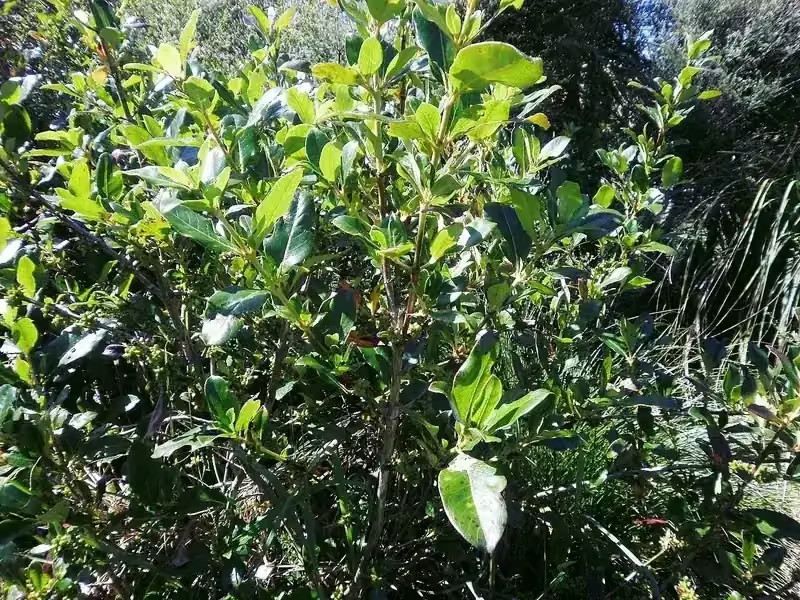
Karamū
Coprosma robusta
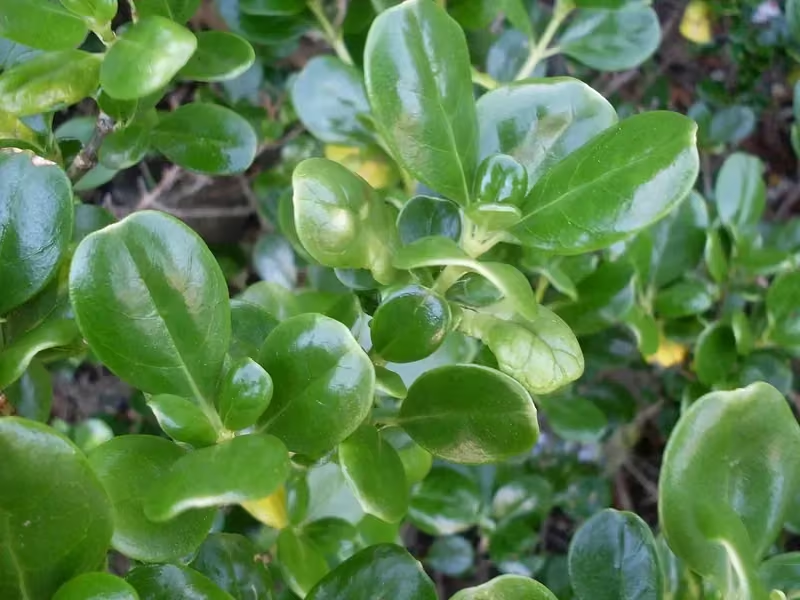
Taupata
Coprosma repens
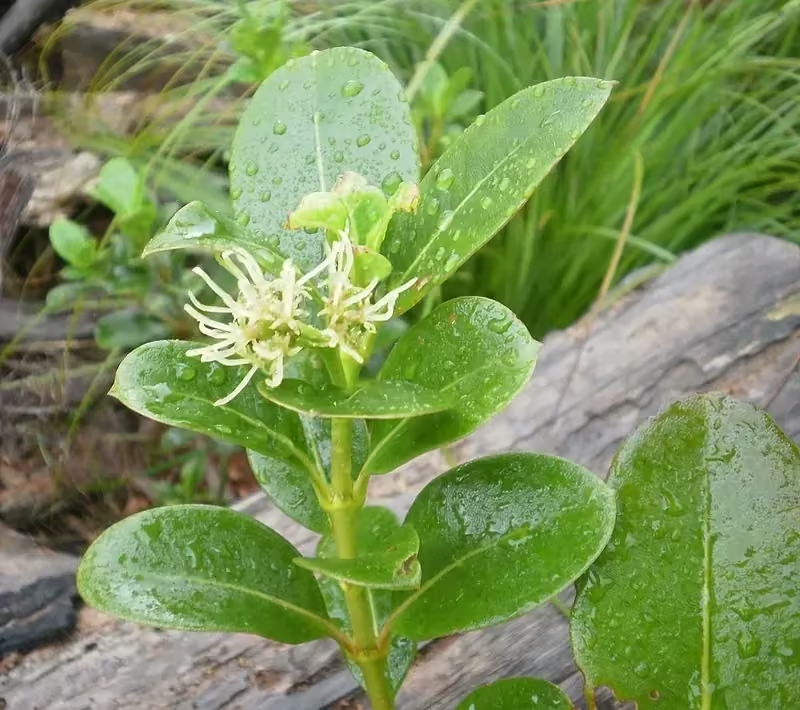
Shining Karamū
Coprosma lucida
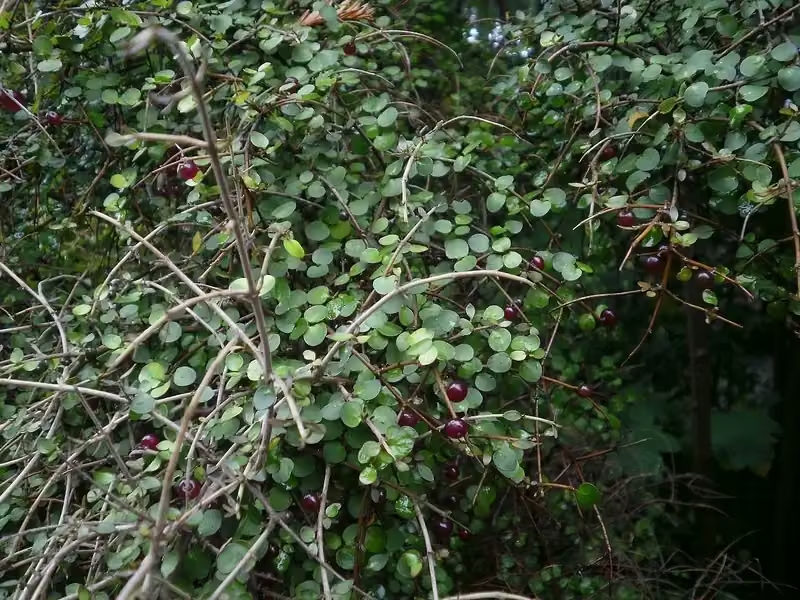
Twiggy Coprosma
Coprosma rhamnoides
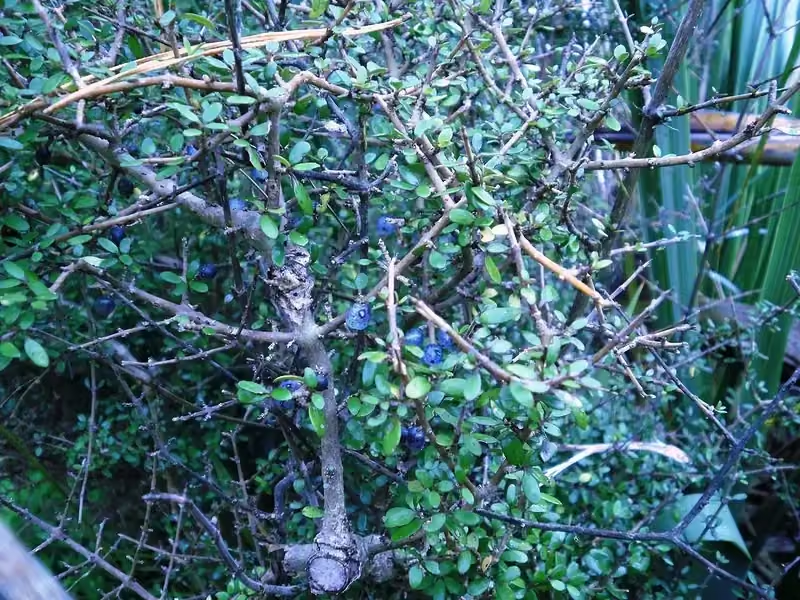
Mikoikoi
Coprosma propinqua

Kanono
Coprosma grandifolia
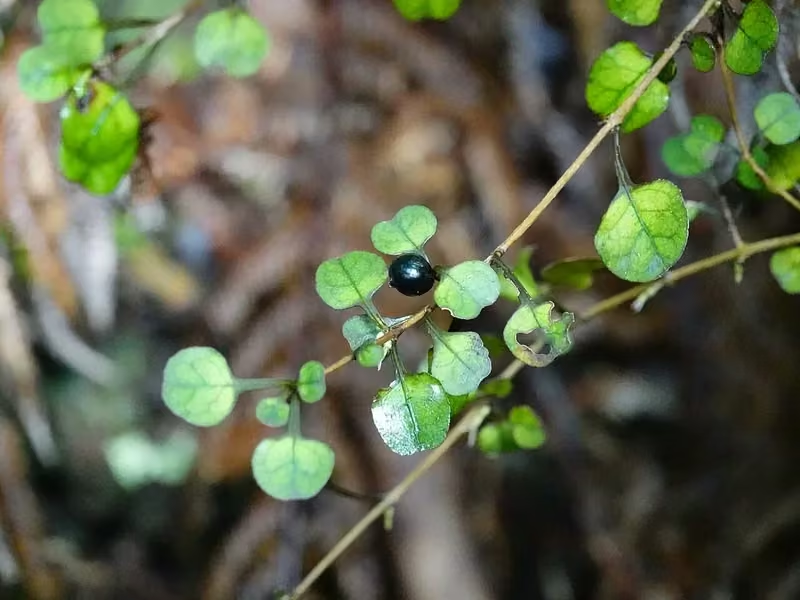
Spatulate Coprosma
Coprosma spathulata
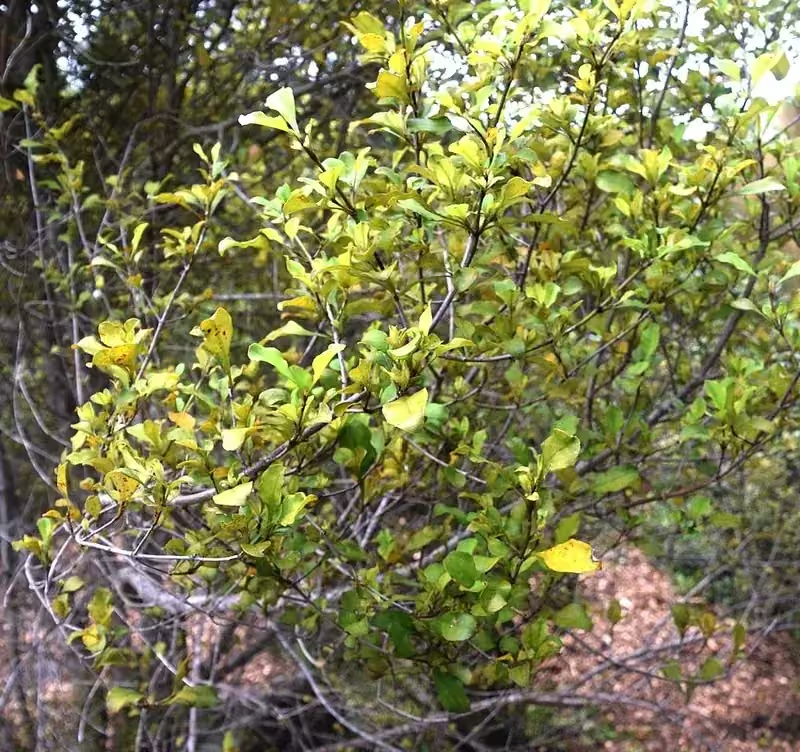
Māmāngi
Coprosma arborea
Plant Conservation
Currently classified as "Not Threatened," Coprosma rotundifolia remains common across its New Zealand range. However, habitat loss due to land clearing and modification of riparian areas remains a threat. Encouraging its use in garden settings and local restoration projects helps ensure its continued presence and supports the complex web of life that relies on our native understory shrubs.
Frequently Asked Questions
How tall does Coprosma rotundifolia grow?
It grows up to 6 metres tall with a spread of 2 to 3 metres.
Where does Coprosma rotundifolia grow naturally?
It grows in damp, fertile riparian and alluvial forest across the North, South and Stewart Islands.
How fast does Coprosma rotundifolia grow?
It is a fast-growing species that establishes readily in reliably moist sites.
Does Coprosma rotundifolia tolerate frost?
Yes, it is frost hardy and tolerates frosty conditions once established.
Sources and Further Reading
The botanical, growing, and conservation details for Round-Leaved Coprosma (Coprosma rotundifolia) on this page draw on authoritative New Zealand plant references and citizen-science observation records. Consult the sources below for full technical records and the latest distribution data.