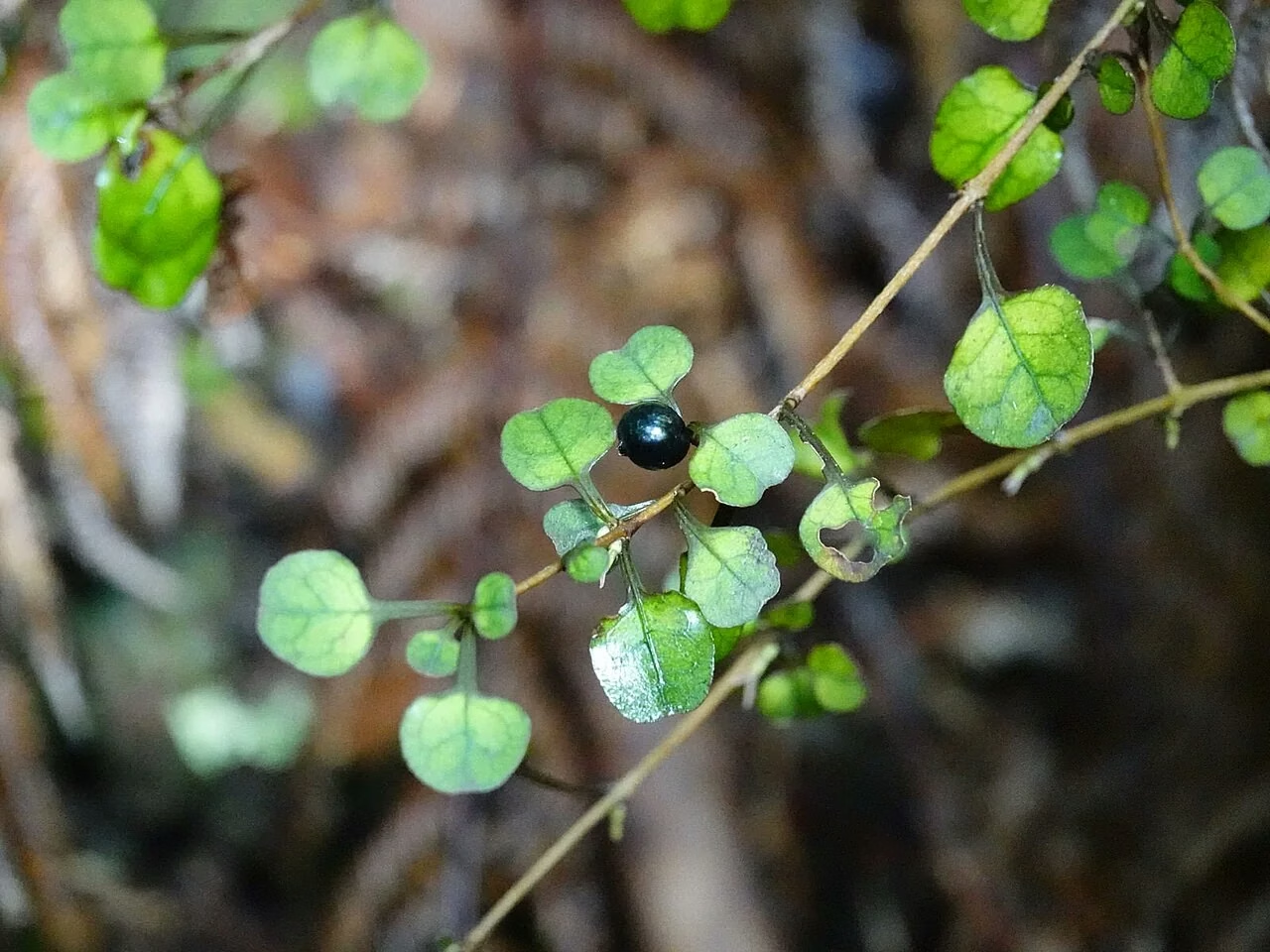
Spatulate Coprosma
Coprosma spathulata
Last updated:
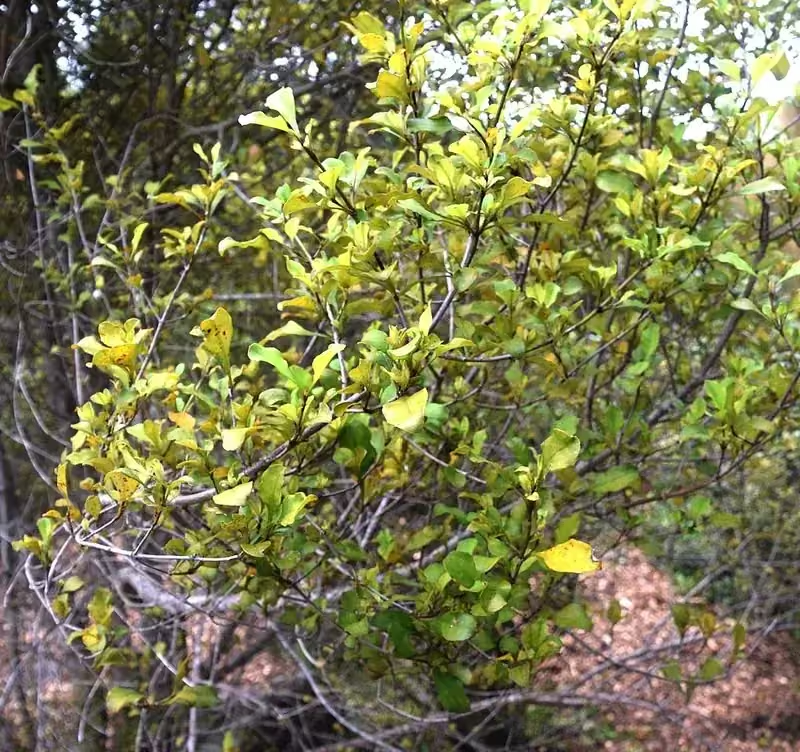
Coprosma spathulata, the spatulate coprosma, is an endemic New Zealand shrub of the Rubiaceae family that typically reaches about 2 metres tall, though some forms trail or grow prostrate. It is easily recognised by its small, thick, spoon-shaped (spathulate) leaves, which are often glossy dark green above and frequently mottled with yellow, pale green, or streaks of purple. The leaves sit on distinctive long, winged petioles, a key identification feature. Inconspicuous green or white flowers appear in summer, followed by berries. It grows naturally in the North Island and northern South Island, especially in kauri forests and secondary regrowth, favouring well-drained forested slopes. Gardeners plant it for its patterned foliage and compact, tidy habit. Explore more native shrubs in our native plant guide.
Plant Description
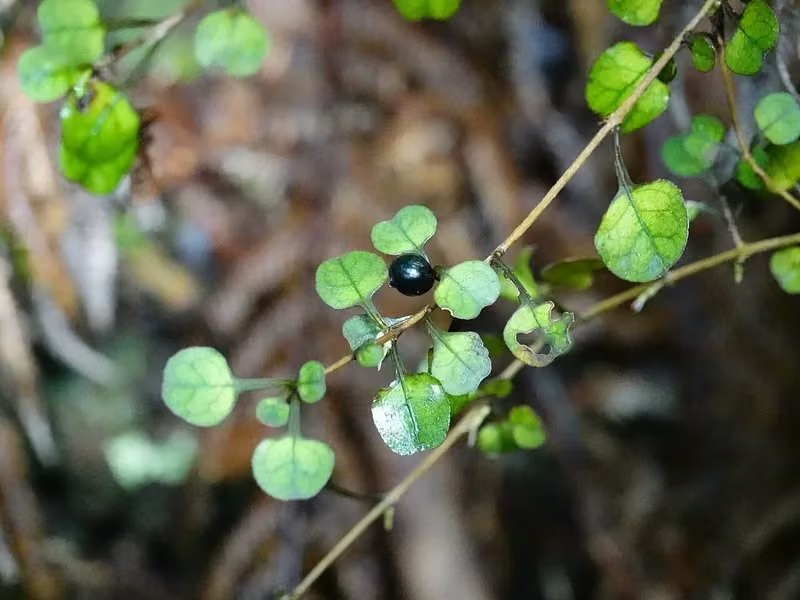
Coprosma spathulata , commonly known as the Spatulate Coprosma, is a charming and distinctive member of the Rubiaceae family. This endemic New Zealand shrub typically reaches a height of 2 metres, though some forms can exhibit a more trailing or prostrate habit. It is easily recognized by its small, spoon-shaped (spathulate) leaves, which are thick and almost fleshy. These leaves are often a dark, glossy green on the upper surface, frequently decorated with interesting mottling of yellow or pale green, and sometimes even streaks of purple. The leaves are held on relatively long, winged petioles, which is a key identification feature. In the summer, it produces inconspicuous green or white flowers, followed by attractive drupes that vary in colour from black to dark orange or red, providing a valuable food source for native lizards and birds.
Quick Facts
| Scientific Name | Coprosma spathulata |
|---|---|
| Height | Up to 2 metres |
| Spread | 1-1.5 metres |
| Water Needs | Moderate |
| Light | Full sun to dappled shade |
| Frost Tolerance | Moderate |
| Salt Tolerance | Moderate to High |
| Growth Rate | Slow to Moderate |
| Lifespan | 20-40 years |
Climate Best Suited to
Spatulate Coprosma is best suited to temperate climates. It is primarily found in the North Island and the northern South Island, where it enjoys consistent moisture and protection from extreme temperature fluctuations.
Regional Suitability
| City | Climate Suitability |
|---|---|
| Auckland | Excellent |
| Wellington | Very Good |
| Whangārei | Excellent |
| Nelson | Very Good |
| Hamilton | Good |
Plant Habitat
Spatulate Coprosma is primarily found in the North Island and the northern parts of the South Island. It is a versatile shrub that occupies a variety of forested environments, from coastal cliffs to montane forests. It is particularly common in kauri forests and secondary regrowth areas, often growing under the shade of larger trees or amongst scrub. It prefers well-drained slopes and is frequently seen in alluvial and riparian forests, where it thrives in the moist, shaded conditions of the forest floor. Its ability to grow in both shaded understories and more open coastal sites demonstrates its adaptability.
Growing Requirements
Soil Requirements
Thrives in free-draining soils that are rich in organic matter.
- Well-drained forest loam
- Enriched clay soils
- Alluvial or riparian soils
Light Requirements
Highly adaptable but performs best with some protection from intense afternoon sun.
- Dappled shade (ideal)
- Partial sun
- Full sun (with consistent moisture)
Water Requirements
Prefers consistent moisture but can tolerate occasional dry spells once established.
- Regular watering during establishment
- Keep roots cool and moist
- Good drainage is essential
Planting and Establishing
When planting Coprosma spathulata , choose a sheltered spot that reflects its natural forest-floor habitat. Dig a hole twice as wide as the root ball and mix in some high-quality compost or aged manure to enrich the soil. Set the plant at the same depth as it was in the nursery pot and fill around it with soil, tamping down lightly. Water thoroughly to settle the roots. A thick layer of organic mulch around the base will help retain moisture and suppress weeds while the plant becomes established.
Ecological Role
As a fruit-bearing shrub, Coprosma spathulata plays an important role in supporting New Zealand's native biodiversity. Its berries are a nutritious food source for native birds like tūī, bellbirds, and silvereyes, which then assist in seed dispersal. The dense, bushy habit of the shrub also provides excellent cover and nesting sites for small birds and a safe haven for native lizards and insects.
Uses & Significance
Garden Uses
Spatulate Coprosma is an excellent addition to any garden looking for interesting textures and hardy native plants.
- Underplanting for taller native trees
- Texture and colour in native shrubberies
- Shaded garden beds
- Low-maintenance landscaping
Ecological Value
Contributes significantly to the local ecosystem by providing resources for wildlife.
- Attracts native birds with its drupes
- Provides habitat for lizards and insects
- Supports forest-floor biodiversity
Landscaping Uses
In landscaping, Coprosma spathulata is often used for its unique foliage and structural form. Its spoon-shaped leaves and often mottled appearance make it a great contrast to more uniform-leaved plants. It works well when planted in groups to create a lush, layered look under a canopy or as a standalone specimen in a shaded corner. It is also useful for riparian restoration projects due to its natural affinity for stream-side environments.
Seasonal Care Calendar
Spring
Focus on preparing the plant for the growing season with nutrients and mulch.
- Apply slow-release fertilizer
- Refresh mulch layers
- Monitor for new growth
Summer
Ensuring consistent moisture is the priority during the hot, dry months.
- Deep water during dry periods
- Check for berry development
- Monitor for pests like scale
Autumn
A good time for propagation and assessing the plant's health.
- Take semi-hardwood cuttings
- Collect seeds from mature drupes
- Reduce watering frequency
Winter
The plant is dormant; minimal care is needed beyond basic maintenance.
- Protect from heavy frost if needed
- Clean up any fallen debris
When to Prune and How Much
Coprosma spathulata typically maintains a tidy habit and requires very little pruning.
- Remove dead or diseased wood at any time
- Lightly tip-prune to encourage bushiness
- Prune after fruiting to maintain shape
Always use sharp, clean tools. If you are growing a prostrate form, you may need to occasionally prune the edges to keep it within its assigned space in the garden.
How to Grow Spatulate Coprosma
Growing Coprosma spathulata in your garden is a rewarding way to add unique texture and colour to your native plantings. This shrub is remarkably hardy and easy to care for, making it suitable for gardeners of all skill levels. It is particularly valued for its interesting foliage and its ability to thrive in shaded positions where other plants might struggle. Cultivating this species allows you to appreciate the subtle beauty of New Zealand's understory plants up close.
From Seed
Propagation from seed is a reliable method for Coprosma spathulata . Seeds should be collected from mature drupes, which are typically found in late summer or autumn.
Follow these steps for sowing from seed:
- Soak mature drupes in water to remove the fleshy pulp.
- Clean the seeds thoroughly and sow them into a tray of seed-raising mix.
- Cover the seeds with a thin layer of soil and keep them moist.
- Place the tray in a warm, sheltered position with indirect light.
- Germination can be slow, sometimes taking several months.
Once seedlings are large enough to handle, transplant them into individual pots and grow them on until they are ready for the garden.
From Cuttings
Vegetative propagation via semi-hardwood cuttings is also a very effective way to produce new Coprosma spathulata plants, ensuring they retain the characteristics of the parent.
To take cuttings, select healthy, non-flowering stems from the current season's growth:
- Take 10-15cm cuttings in late summer or early autumn.
- Strip the leaves from the bottom half of the cutting.
- Dip the base in rooting hormone if desired.
- Insert into a free-draining mix of peat and sand.
- Keep in a warm, humid environment with regular misting.
Additional Methods
While seed and cuttings are the most common methods, larger established plants can sometimes be carefully divided if they have a multi-stemmed or spreading habit.
For spreading or prostrate forms, layering can also be an effective technique. Simply pin a low-growing stem to the ground and cover it with a bit of soil. Once roots have formed at the node, the new plant can be severed from the parent and moved.
- Choose a flexible, low-lying branch.
- Gently wound the stem at a node.
- Secure the wounded node into the soil.
- Water regularly until new roots establish.
Pests & Diseases
Spatulate Coprosma is generally pest-resistant but may occasionally be affected by scale insects, aphids, or mealybugs. In particularly humid or poorly ventilated conditions, powdery mildew can occur on the leaves. Most issues can be managed through good garden hygiene and ensuring the plant has adequate air circulation and drainage.
Cultural Significance
While specific historical records for Coprosma spathulata are less common than for larger species like C. robusta , the Coprosma genus as a whole has significant value in Māori culture. Various species were used for medicinal purposes, and the bright berries were recognized as a food source for birds, which were in turn important for Māori.
- General use of Coprosma for dyes
- Significance of berries for attracting birds
- Role in the traditional forest ecosystem
Bonus Tip
To enhance the purple and mottled tones in the leaves of your Spatulate Coprosma, try planting it where it receives cool morning sun but is shaded from the harsh afternoon heat. The slight stress from the sun can often bring out more vibrant leaf colours.
Related Plants
Explore other native plants that share similar characteristics or habitats with Spatulate Coprosma ( Coprosma spathulata ), offering further insights into New Zealand's diverse flora. These related species provide context and opportunities for complementary planting in your garden.
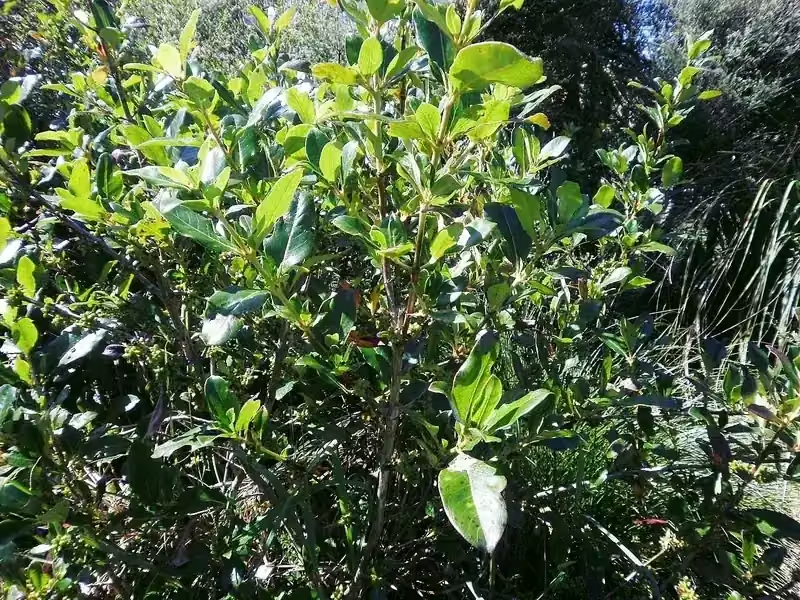
Karamū
Coprosma robusta
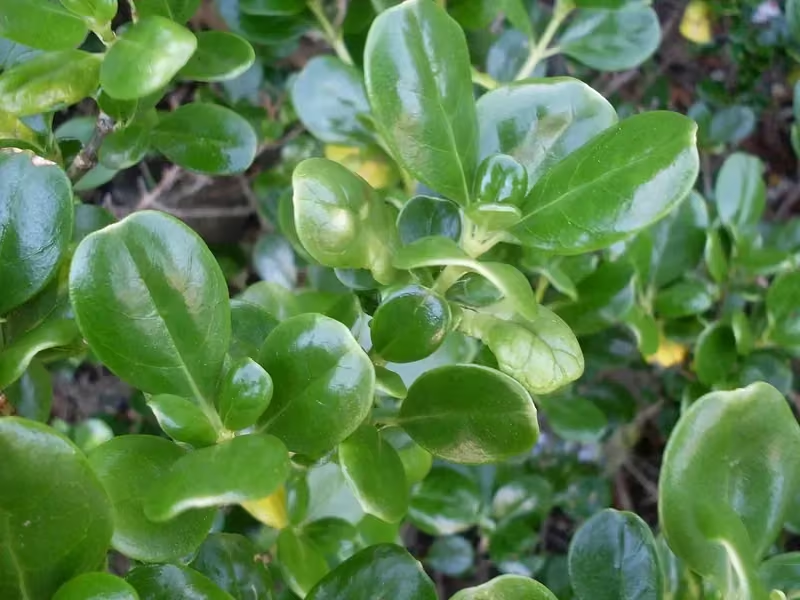
Taupata
Coprosma repens
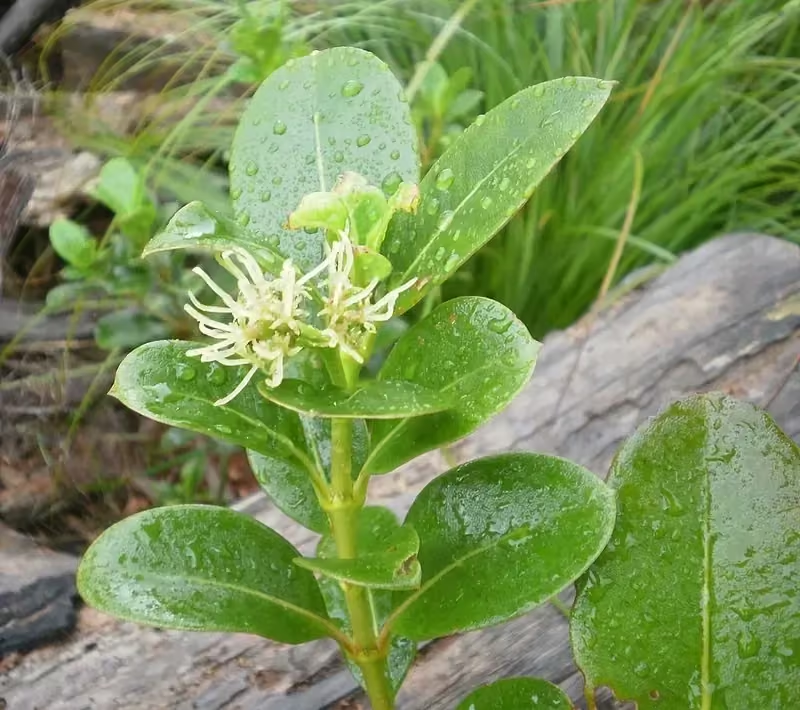
Shining Karamū
Coprosma lucida
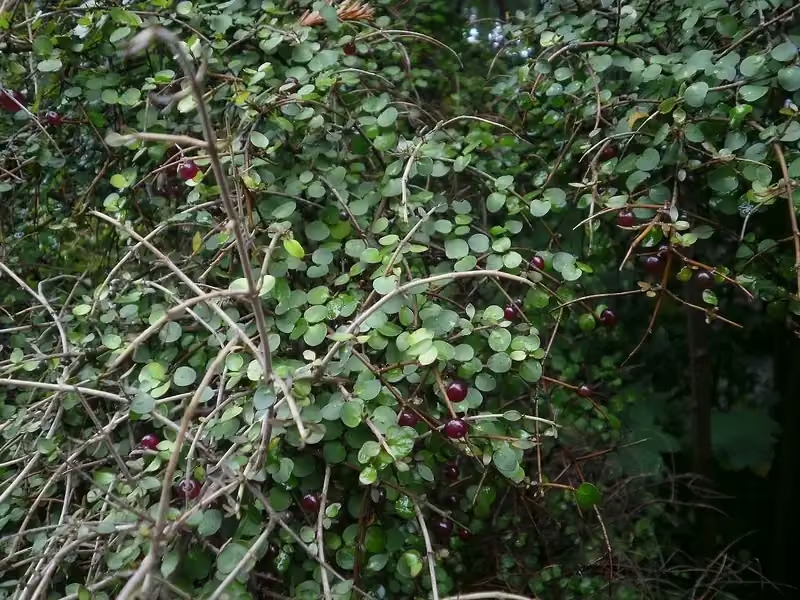
Twiggy Coprosma
Coprosma rhamnoides
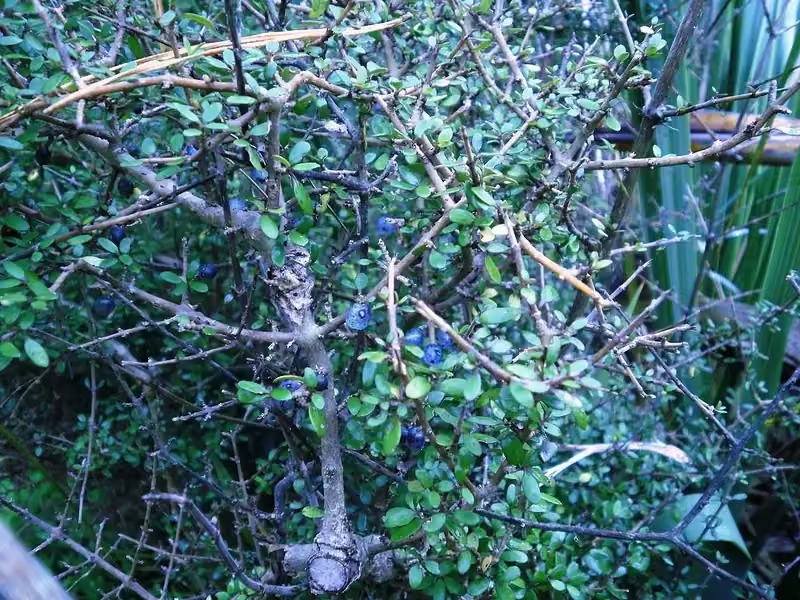
Mikoikoi
Coprosma propinqua

Kanono
Coprosma grandifolia
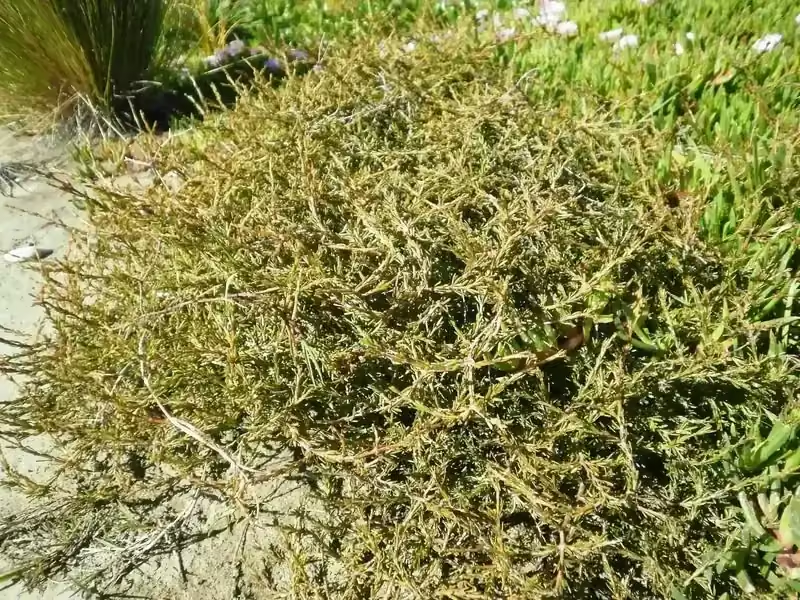
Sand Coprosma
Coprosma acerosa
Māmāngi
Coprosma arborea
Plant Conservation
Currently classified as "Not Threatened," Coprosma spathulata remains common in its natural range. However, like many native shrubs, it benefits from the protection of forest habitats and the control of browsing pests. Including it in domestic gardens and ecological restoration projects helps maintain genetic diversity and supports the local wildlife that depends on its fruit and shelter.
Frequently Asked Questions
How tall does Coprosma spathulata grow?
It grows up to about 2 metres tall, with a spread of 1 to 1.5 metres, though some forms are trailing or prostrate.
Is Coprosma spathulata suitable for coastal gardens?
It has moderate to high salt tolerance and grows naturally near coastal cliffs, so it suits many coastal gardens.
Where does Coprosma spathulata grow naturally?
It is found in the North Island and northern South Island, especially in kauri forests and secondary regrowth on well-drained slopes.
How much light does Coprosma spathulata need?
It grows in full sun to dappled shade with moderate water and a slow to moderate growth rate.
Sources and Further Reading
The botanical, growing, and conservation details for Spatulate Coprosma (Coprosma spathulata) on this page draw on authoritative New Zealand plant references and citizen-science observation records. Consult the sources below for full technical records and the latest distribution data.