Brown-Stemmed Coprosma
Coprosma brunnea
Last updated:
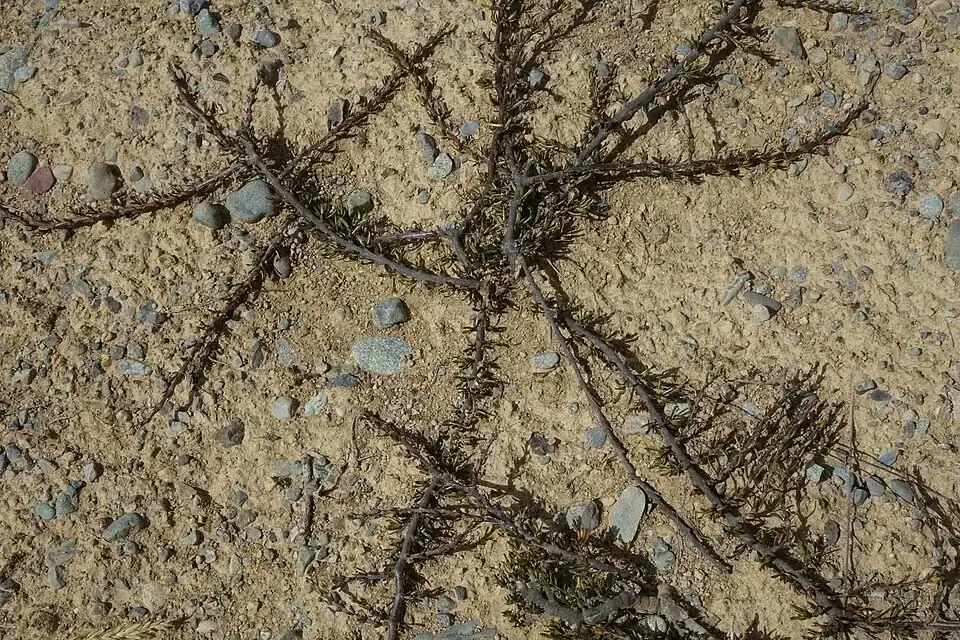
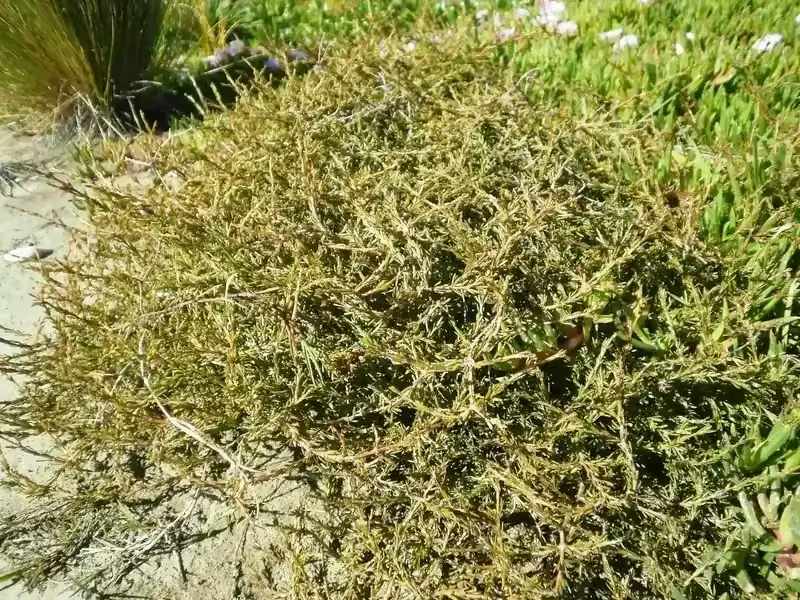
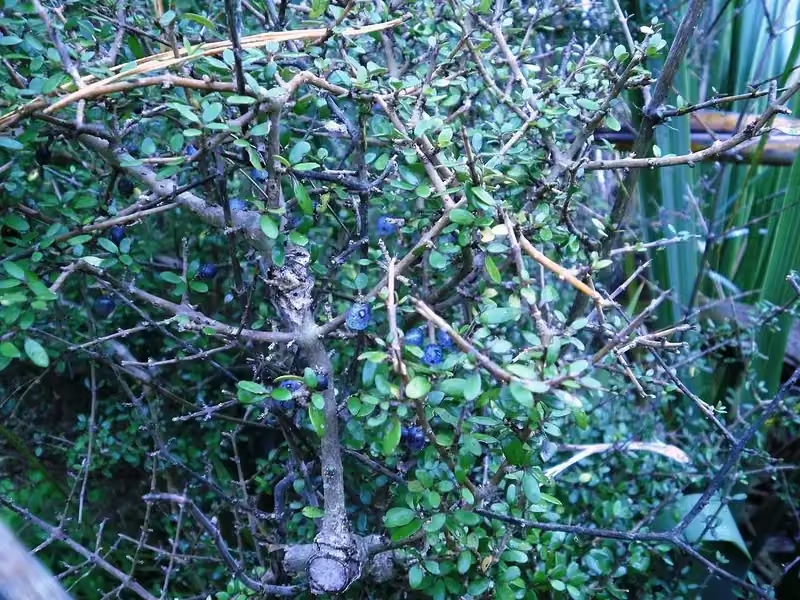
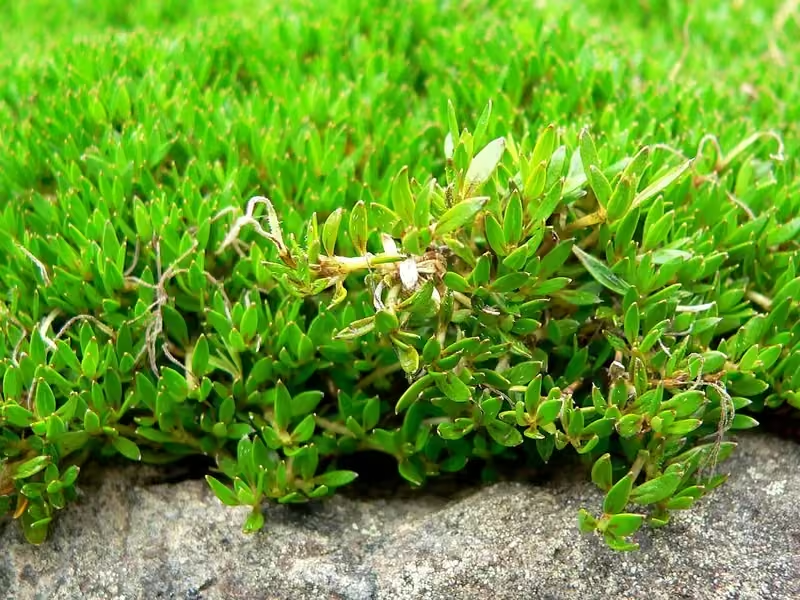
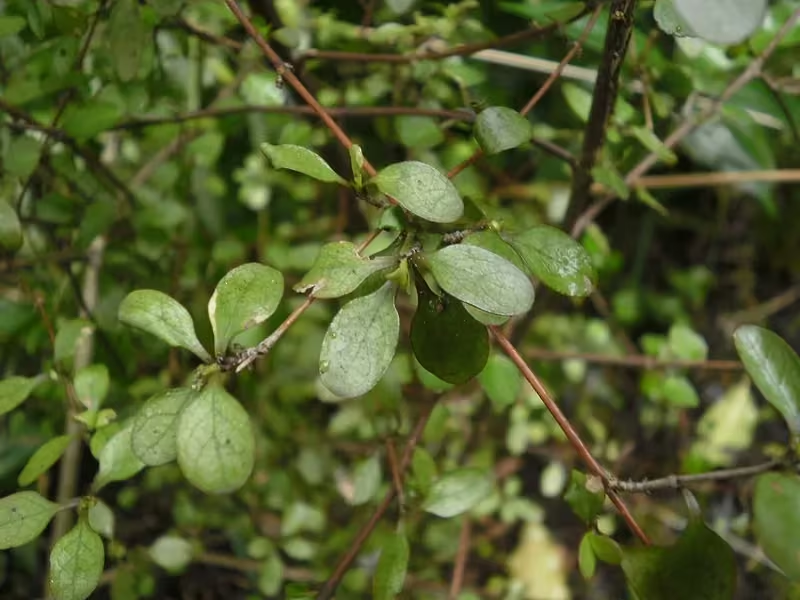
Coprosma brunnea, or brown-stemmed coprosma, is a hardy, sprawling New Zealand native shrub recognised by its wiry, chocolate-brown stems and low mat-forming habit. Growing 10 to 40 cm tall and spreading 1 to 2 metres, it carries tiny, linear, glossy leaves that can turn bronze in cold weather. Female plants bear translucent pale blue, blue-flecked berries. In the wild it is a pioneer of stony riverbeds, gravel terraces, and subalpine scrub through the South Island and Stewart Island, tolerating flooding and shifting gravels. Very frost-hardy and moderately salt-tolerant, it works well as a tough ground cover. Explore more native shrubs in our native plant guide.
Plant Description
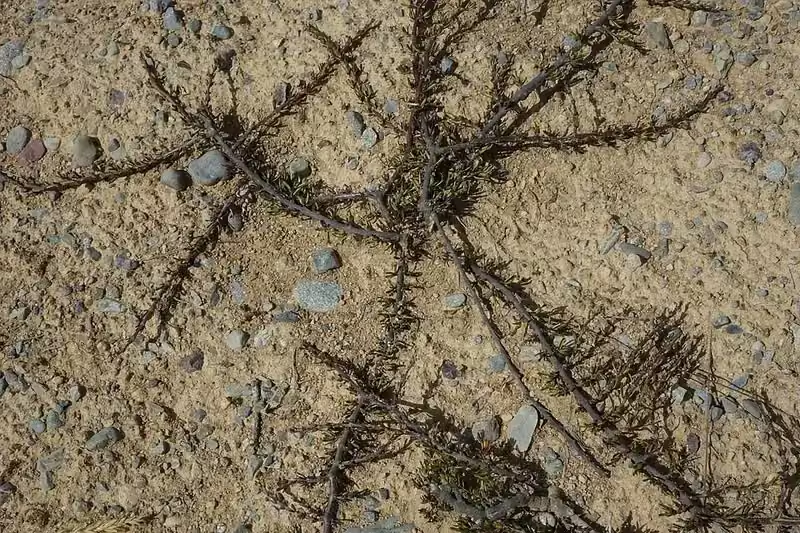
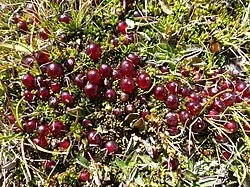
Coprosma brunnea is a distinctive and hardy New Zealand native shrub, easily recognized by its sprawling, wiry habit and chocolate-brown stems. This evergreen species forms low-growing mats that can spread extensively over stony ground. Its leaves are tiny, linear, and glossy green, sometimes taking on bronze tones in colder weather. One of its most enchanting features is the production of translucent, pale blue or blue-flecked berries on female plants, which appear like small jewels tucked among the dark stems. These fruits are a favored food source for native lizards and birds.
Quick Facts
| Scientific Name | Coprosma brunnea |
|---|---|
| Height | 0.10-0.40 metres |
| Spread | 1.0-2.0 metres |
| Water Needs | Moderate; drought tolerant once established |
| Light | Full sun to partial shade |
| Frost Tolerance | Very High (Hardy to alpine conditions) |
| Salt Tolerance | Moderate |
| Growth Rate | Moderate |
| Lifespan | 20-40 years |
Climate Best Suited to
Brown-stemmed Coprosma is a resilient plant that thrives in a variety of climates, particularly those with cool to cold winters. It is naturally adapted to the South Island's mountainous and riverbed environments, making it exceptionally frost-hardy. While it prefers the cooler conditions of the South, it can be successfully grown in many parts of New Zealand, provided it has excellent drainage and is not subjected to prolonged, stagnant humidity.
Regional Suitability
| City | Climate Suitability |
|---|---|
| Auckland | Good (needs drainage) |
| Wellington | Excellent |
| Christchurch | Excellent |
| Dunedin | Excellent |
| Invercargill | Excellent |
Plant Habitat
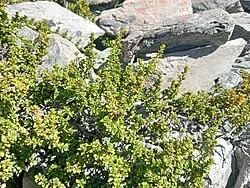
In the wild, Coprosma brunnea is most commonly found on stony riverbeds, gravelly terraces, and in subalpine scrub throughout the South Island and Stewart Island. It is a pioneer species of braided river systems, where its flexible, wiry stems allow it to withstand occasional flooding and shifting gravels. It also occurs in open rocky sites within tussock-herbfields up to 1500 metres in altitude.
Growing Requirements
Soil Requirements
This species demands very well-drained soil. It is perfectly adapted to lean, gravelly, or sandy soils and will struggle in heavy, waterlogged clay.
- Gravelly or sandy substrates
- Lean, low-nutrient soil
- Very well-drained
Light Requirements
Thrives in bright, open positions. Full sun encourages a tighter, more compact growth habit and better stem colour.
- Full sun for best form
- Partial shade tolerated
- Avoid deep shade
Water Requirements
Needs regular watering until the root system is well-established. Once mature, it can handle significant dry periods.
- Water regularly during first year
- Drought tolerant once established
- Must have sharp drainage
Planting and Establishing
To plant Brown-stemmed Coprosma, select a sunny spot with excellent drainage. A rockery, gravel garden, or a site mimicking a dry riverbed is ideal. Dig a hole slightly larger than the container and backfill with a mix of soil and fine gravel or grit. Ensure the plant is at the same depth as it was in the nursery pot. Water in well, but avoid over-watering thereafter. Mulching with river stones or pea gravel rather than bark will help maintain the right conditions for the stems and roots.
Ecological Role
Coprosma brunnea is a vital component of riverbed ecosystems. Its mat-forming growth helps stabilize gravel and creates a microhabitat for insects and lizards.
Uses & Significance
Garden Uses
Excellent for rock gardens, scree beds, or as a textured groundcover. It looks particularly effective when planted alongside contrasting foliage or spilling over stone edges.
- Rock and gravel gardens
- Low-maintenance groundcover
- Riverbed-themed landscaping
Ecological Value
The blue berries are highly attractive to native skinks and geckos, providing an important energy source in rocky habitats.
- Food for native lizards
- Berries for birds like silvereyes
- Habitat for ground-dwelling insects
Landscaping Uses
Landscapers value this plant for its unique colour and texture. It provides a "wild" New Zealand look and is perfect for mass planting in areas where a low, non-invasive cover is required.
Seasonal Care Calendar
Spring
Check for any dead wood or winter damage and trim back as needed. A light mulch of fine gravel can be refreshed to suppress weeds.
- Remove winter debris
- Trim any frost-damaged tips
- Refresh gravel mulch
Summer
In very hot, dry districts, occasional deep watering will keep the plant looking its best, although it is quite hardy.
- Monitor for extreme dryness
- Check for scale insects
- Deep water occasionally in drought
Autumn
This is a good time to tidy up the plant's edges if it is spreading beyond its desired range.
- Trim back wandering stems
- Take semi-hardwood cuttings
- Plant new specimens
Winter
Requires minimal attention during winter. Its wiry structure is resistant to snow and heavy rain, provided drainage is good.
- Ensure drainage remains clear
- Minimal maintenance required
- Resistant to snow load
When to Prune and How Much
Brown-stemmed Coprosma naturally maintains a neat, low profile. Pruning is mostly done to control its spread or to maintain a specific shape within a garden bed.
- Trim edges to keep in bounds
- Remove any revertant green shoots
- Lightly prune to encourage density
Use sharp shears for a clean cut. The wiry stems can be tough, so ensure your tools are up to the task.
How to Grow Brown-Stemmed Coprosma
Cultivating Brown-stemmed Coprosma ( Coprosma brunnea ) is a rewarding endeavor for any gardener interested in New Zealand's unique flora. This species can be propagated through several methods, each requiring specific conditions to ensure healthy growth and establishment. Successful propagation depends on mimicking the plant's natural environment and providing consistent care during the early stages of development.
From Seed
Propagation from seed is often the most effective way to produce a large number of Brown-stemmed Coprosma plants. Seeds should be collected when they are fully mature. Freshly collected seeds generally have higher germination rates than those that have been stored for long periods.
Collect the blue drupes in late summer. Extract the seeds from the fleshy pulp and wash them. Sowing fresh seeds yields the best results.
- Sow seeds on a firm bed of seed-raising mix.
- Cover with a thin layer of fine grit.
- Keep in a cool, sheltered spot.
- Germination can be slow and erratic.
- Prick out when seedlings are large enough to handle.
Patience is key when growing from seed, as they can sometimes take several months or even a year to germinate.
From Cuttings
For those wishing to replicate specific characteristics of a parent plant, vegetative propagation via cuttings is the preferred method. This technique ensures that the new plants are genetically identical to the source. Semi-hardwood cuttings taken during the appropriate season usually yield the best results for this species.
Cuttings of semi-hardwood taken in autumn are a reliable way to propagate this species.
- Take 5-10cm semi-hardwood cuttings.
- Remove the lower leaves and dip in hormone.
- Insert into a free-draining propagation mix.
- Place in a humid, shaded environment.
Additional Methods
Depending on the growth habit of Brown-stemmed Coprosma, other methods such as division or layering might also be viable options. Division is particularly suitable for plants that form dense clumps or have spreading root systems, while layering can be used for species with trailing or flexible stems.
The plant often layers itself naturally where stems come into contact with moist soil.
- Locate a rooted stem segment.
- Sever from the parent plant.
- Lift carefully and pot up individually.
Pests & Diseases
Generally very resistant to pests. Like many Coprosmas, it can occasionally host scale insects, which can be treated with horticultural oil if necessary. Root rot is the primary disease risk if the soil becomes waterlogged.
Cultural Significance
While not extensively documented in traditional uses, Coprosma brunnea is a cherished part of the New Zealand landscape, symbolizing the rugged beauty of the South Island's river valleys.
- Symbol of the braided river landscape
- Important for ecological restoration
- Valued in modern native gardening
Bonus Tip
The blue berries are most abundant on female plants. For a guaranteed display, plant several specimens to ensure a mix of male and female plants for pollination.
Related Plants
Explore other native plants that share similar characteristics or habitats with Brown-stemmed Coprosma ( Coprosma brunnea ), offering further insights into New Zealand's diverse flora. These related species provide context and opportunities for complementary planting in your garden.


Plant Conservation
Coprosma brunnea is currently classified as "Not Threatened" in the New Zealand Threat Classification System. It remains common in its natural South Island habitats. However, its riverbed environment is sensitive to land use changes, irrigation take-offs, and the spread of invasive weeds like gorse and broom, which can outcompete native pioneer species.
Frequently Asked Questions
How tall does Coprosma brunnea grow?
It is a low shrub, typically 0.10 to 0.40 metres tall, spreading 1 to 2 metres as a dense mat.
Is brown-stemmed coprosma frost-hardy?
Yes, it is very frost-hardy and adapted to alpine and cold riverbed conditions.
What do its berries look like?
Female plants bear translucent pale blue, blue-flecked berries favoured by native lizards and birds.
Where does Coprosma brunnea grow in the wild?
It grows on stony riverbeds, gravel terraces, and subalpine scrub through the South Island and Stewart Island.
Sources and Further Reading
The botanical, growing, and conservation details for Brown-Stemmed Coprosma (Coprosma brunnea) on this page draw on authoritative New Zealand plant references and citizen-science observation records. Consult the sources below for full technical records and the latest distribution data.