Purple-Berried
Coprosma atropurpurea
Last updated:
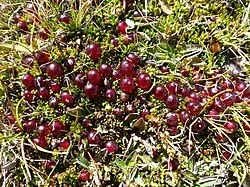
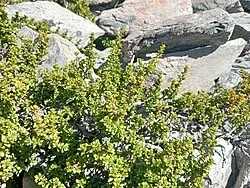
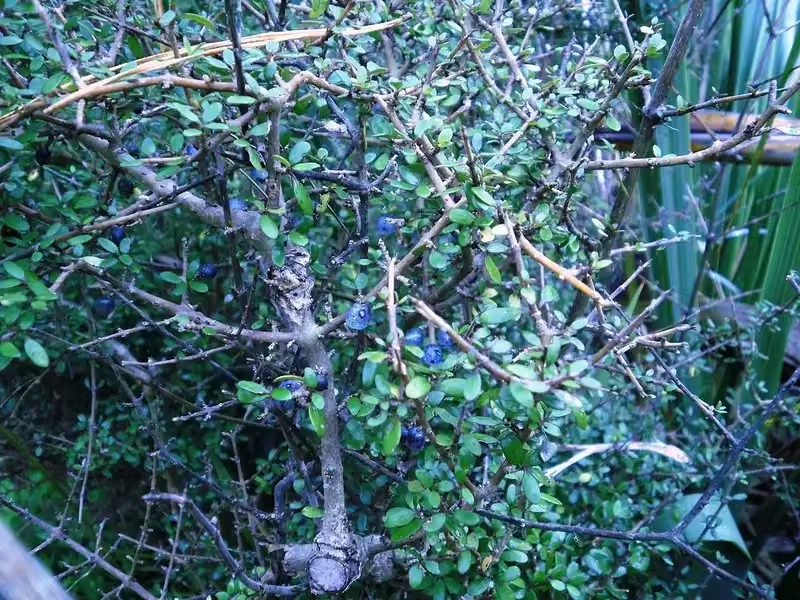
Coprosma atropurpurea, known as purple-berried coprosma, is a low, mat-forming evergreen subshrub endemic to New Zealand. It grows just 5 to 20 cm tall but can spread 1 to 2 metres, forming dense ground-hugging cushions of small, leathery leaves on creeping, dark-barked branches. Female plants produce globose, dark magenta to wine-red berries that stand out against the foliage. It is found mostly through the South Island, from lowland up to low alpine zones, in cushion bogs, stony riverbeds, and moist snow-tussock grassland. Very frost-hardy and slow-growing, it suits cool rock gardens and alpine plantings. Explore more native shrubs in our native plant guide.
Plant Description
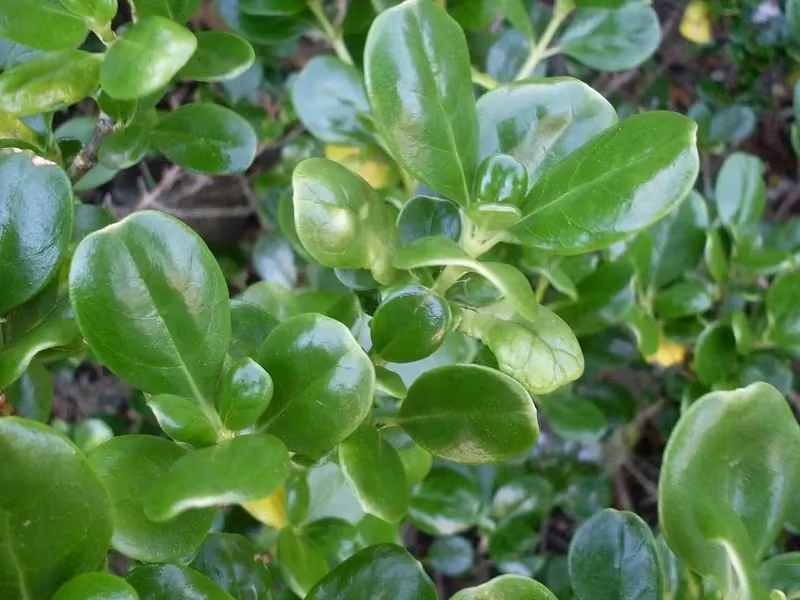
Coprosma atropurpurea is a resilient, evergreen subshrub endemic to New Zealand. It is distinguished by its low-growing, mat-forming habit, often creating dense cushions that hug the ground. The plant features slender, creeping branches with dark brown bark and small, leathery leaves that are densely packed along the stems. Its most remarkable feature is the production of globose, dark magenta or wine-red fruits on female plants. These striking berries provide a splash of deep colour in alpine and subalpine landscapes and are an important food source for native wildlife.
Quick Facts
| Scientific Name | Coprosma atropurpurea |
|---|---|
| Height | 0.05-0.20 metres |
| Spread | 1.0-2.0 metres |
| Water Needs | Moderate; prefers moist sites but can tolerate drier periods |
| Light | Full sun to light shade |
| Frost Tolerance | Very High (Alpine hardy) |
| Salt Tolerance | Low |
| Growth Rate | Slow to Moderate |
| Lifespan | 20-40 years |
Climate Best Suited to
Purple-berried Coprosma is perfectly adapted to the cooler, temperate to alpine climates of the South Island. It is exceptionally hardy against frost and cold winds. While it thrives in the South Island's mountainous regions, it can be grown in gardens across New Zealand if provided with a cool root run and consistent moisture, especially in more northern or drier districts.
Regional Suitability
| City | Climate Suitability |
|---|---|
| Auckland | Marginal (needs shade and moisture) |
| Wellington | Good |
| Christchurch | Excellent |
| Dunedin | Excellent |
| Invercargill | Excellent |
Plant Habitat
This species is primarily found throughout the South Island of New Zealand, from lowland up to low alpine zones (200 to 1500 metres). It is particularly common in the east and north. Its natural habitats include cushion bogs, stony riverbeds, and moist snow-tussock grasslands. It is a tough survivor that can often be found in open, exposed sites where few other plants can endure.
Growing Requirements
Soil Requirements
Prefers moist but well-drained soils. It is often found in silty or gravelly substrates that remain damp throughout much of the year.
- Moist, well-drained silty soil
- Tolerant of gravelly or stony sites
- Prefers slightly acidic to neutral pH
Light Requirements
Thrives in bright, open positions. Full sun is best for maintaining a compact, dense mat and encouraging a heavy crop of berries.
- Full sun for optimal berry production
- Light shade tolerated in hot districts
- Avoid deep shade
Water Requirements
Requires consistent moisture, especially during the establishment phase and during hot summer months.
- Keep soil consistently moist
- Does not like to dry out completely
- Ensure good drainage to prevent stagnation
Planting and Establishing
When planting Purple-berried Coprosma, choose a site that reflects its natural moist-yet-drained habitat. A rock garden or the edge of a pond can be ideal. Dig a hole slightly larger than the root ball and enrich the soil with some organic compost to help retain moisture. Place the plant in the hole at the same level as it was in the pot. Firm the soil around it and water deeply. A mulch of fine gravel or small stones can help keep the roots cool and moist while preventing weeds from encroaching on the mat.
Ecological Role
As a mat-forming plant in bogs and riverbeds, Coprosma atropurpurea helps stabilize the soil and provides a humid microhabitat for small invertebrates and lizards.
Uses & Significance
Garden Uses
It is an excellent choice for a native-themed rock garden, a bog garden edge, or as a textured groundcover in cooler regions. Its dark berries add unique winter interest.
- Rock and bog gardens
- Moist groundcover
- Alpine-themed containers
Ecological Value
The deep red berries are highly attractive to native skinks and birds, which consume them and help disperse the seeds across the landscape.
- Food for native lizards
- Berries for native birds
- Stabilizes moist alpine soils
Landscaping Uses
In landscaping, it is valued for its ability to create a dense, weed-suppressing carpet in moist areas. Its unique fruit colour makes it a conversation piece in any native garden.
Seasonal Care Calendar
Spring
Trim back any dead or damaged stems after the worst of the winter frosts have passed. A light application of compost can help boost new growth.
- Prune dead or damaged stems
- Apply light compost mulch
- Check moisture levels
Summer
Ensure the plant does not dry out during prolonged dry spells. Deep, regular watering is essential in warmer regions.
- Water regularly in dry weather
- Monitor for pests
- Maintain mulch layer
Autumn
This is the best time to collect berries for seed propagation or to take semi-hardwood cuttings for new plants.
- Collect ripe berries
- Take semi-hardwood cuttings
- Plant new specimens
Winter
Requires very little care in winter. It is highly resistant to snow and frost, naturally entering a dormant or semi-dormant state.
- Ensure drainage is not blocked
- Minimal maintenance required
- Resistant to heavy frost
When to Prune and How Much
Purple-berried Coprosma generally requires very little pruning. You can lightly trim the edges if it begins to spread into unwanted areas.
- Trim to control spread
- Remove dead center wood if it occurs
- Lightly prune after fruiting
Avoid heavy pruning as the plant has a relatively slow recovery rate. Light, frequent tipping is much better for maintaining its dense form.
How to Grow Purple-Berried Coprosma
Cultivating Purple-berried Coprosma ( Coprosma atropurpurea ) is a rewarding endeavor for any gardener interested in New Zealand's unique flora. This species can be propagated through several methods, each requiring specific conditions to ensure healthy growth and establishment. Successful propagation depends on mimicking the plant's natural environment and providing consistent care during the early stages of development.
From Seed
Propagation from seed is often the most effective way to produce a large number of Purple-berried Coprosma plants. Seeds should be collected when they are fully mature. Freshly collected seeds generally have higher germination rates than those that have been stored for long periods.
Collect the dark magenta drupes in late autumn when they are fully ripe and soft. Squeeze the seeds from the pulp and wash them well.
- Sow seeds in a moist, gritty seed-raising mix.
- Keep the mix in a cool, shaded spot.
- Germination usually occurs in the following spring.
- Grow on in pots before planting out.
Freshly sown seeds generally have a much higher success rate than those that have been stored and dried.
From Cuttings
For those wishing to replicate specific characteristics of a parent plant, vegetative propagation via cuttings is the preferred method. This technique ensures that the new plants are genetically identical to the source. Semi-hardwood cuttings taken during the appropriate season usually yield the best results for this species.
Semi-hardwood cuttings are a reliable method to propagate clones of a particularly good-fruiting female plant.
- Take 5-8cm cuttings in late summer or autumn.
- Dip the bases in rooting hormone.
- Insert into a mix of peat and sand.
- Keep in a humid, shaded frame until rooted.
Additional Methods
Depending on the growth habit of Purple-berried Coprosma, other methods such as division or layering might also be viable options. Division is particularly suitable for plants that form dense clumps or have spreading root systems, while layering can be used for species with trailing or flexible stems.
Division of established mats is possible in early spring, as the stems naturally root as they crawl.
- Identify a well-rooted section of the mat.
- Sever it from the main plant with a sharp spade.
- Replant immediately into moist soil.
Pests & Diseases
Coprosma atropurpurea is remarkably pest-free. Occasionally, aphids or scale might appear, which can be managed with horticultural soap or oil. Its main threat in a garden setting is excessive dryness or poor drainage leading to root rot.
Cultural Significance
While not widely known in traditional medicine, it is a significant part of the subalpine flora that defines the unique ecological character of the South Island.
- Characteristic South Island alpine species
- Important for subalpine biodiversity
- Endemic to New Zealand
Bonus Tip
For the best berry display, ensure you have multiple plants to provide a good balance of male and female flowers for pollination. Since Coprosma species are dioecious (separate male and female plants), aim for a ratio of one male to every 3-5 female plants for optimal berry production. The striking dark purple to almost black berries not only provide ornamental value but also attract native birds like silvereyes and bellbirds. These berries can also be used to produce natural dyes, traditionally used by Māori for colouring fabrics, yielding beautiful purple and grey hues. For gardeners interested in natural dyeing, harvest fully ripe berries and use fresh or freeze for later experimentation.
Related Plants
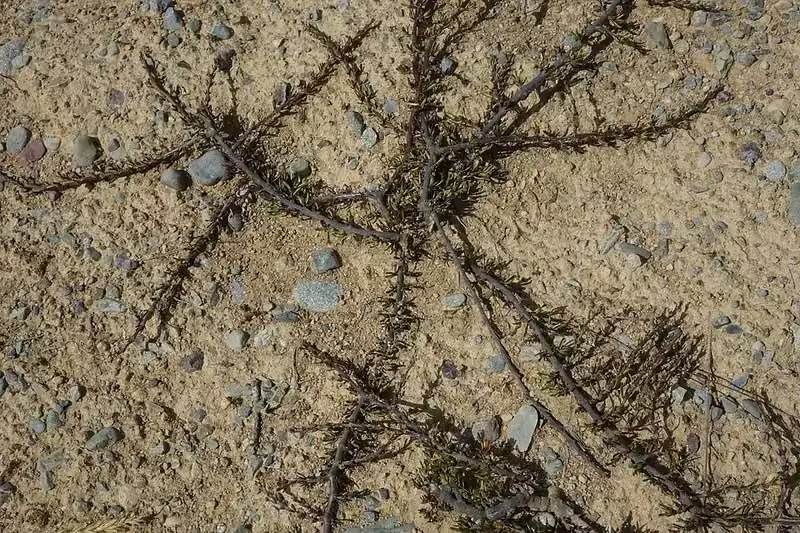
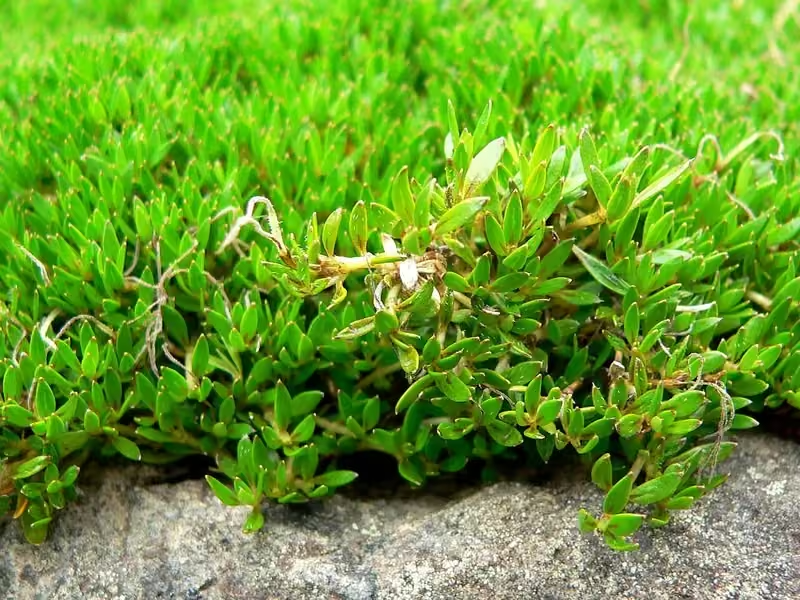
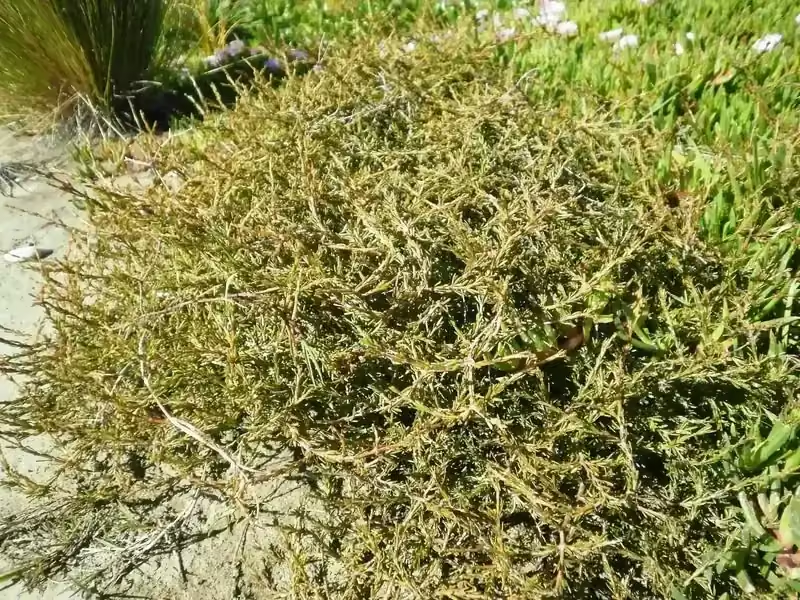
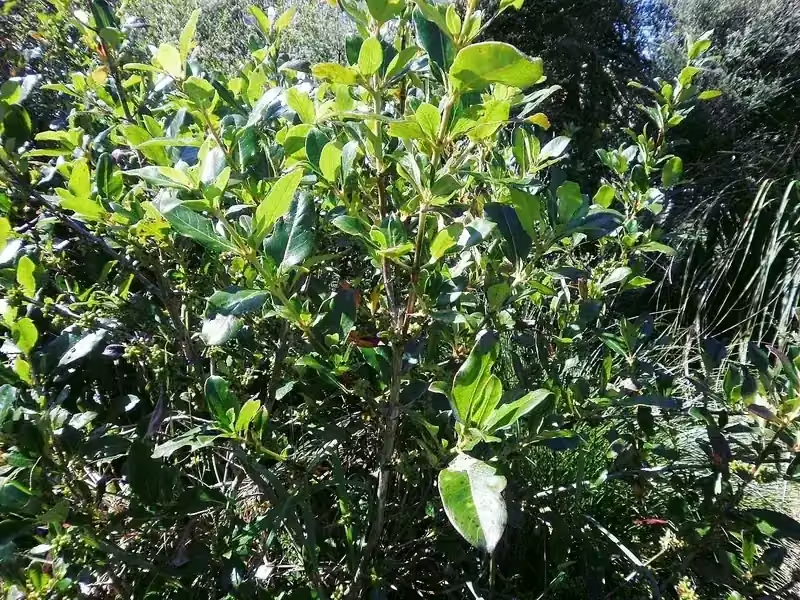
Explore other native plants that share similar characteristics or habitats with Purple-berried Coprosma ( Coprosma atropurpurea ), offering further insights into New Zealand's diverse flora. These related species provide context and opportunities for complementary planting in your garden.

Plant Conservation
Coprosma atropurpurea is currently classified as "Not Threatened" in the New Zealand Threat Classification System. It is widespread in suitable habitats across the South Island. However, like many alpine and wetland species, it remains vulnerable to habitat loss through land development, drainage of bogs, and the potential impact of invasive species.
Frequently Asked Questions
How tall does Coprosma atropurpurea grow?
It is very low-growing, reaching only about 0.05 to 0.20 metres in height while spreading 1 to 2 metres wide.
Does purple-berried coprosma tolerate frost?
Yes, it is very frost-hardy and alpine-adapted, thriving in cold South Island mountain conditions.
Where does Coprosma atropurpurea grow naturally?
It grows mainly through the South Island, from lowland to low alpine zones, in cushion bogs, stony riverbeds, and snow-tussock grassland.
What colour are its berries?
Female plants produce globose, dark magenta to wine-red berries that are eaten by native wildlife.
Sources and Further Reading
The botanical, growing, and conservation details for Purple-Berried (Coprosma atropurpurea) on this page draw on authoritative New Zealand plant references and citizen-science observation records. Consult the sources below for full technical records and the latest distribution data.