Rigid Coprosma
Coprosma rigida
Last updated:
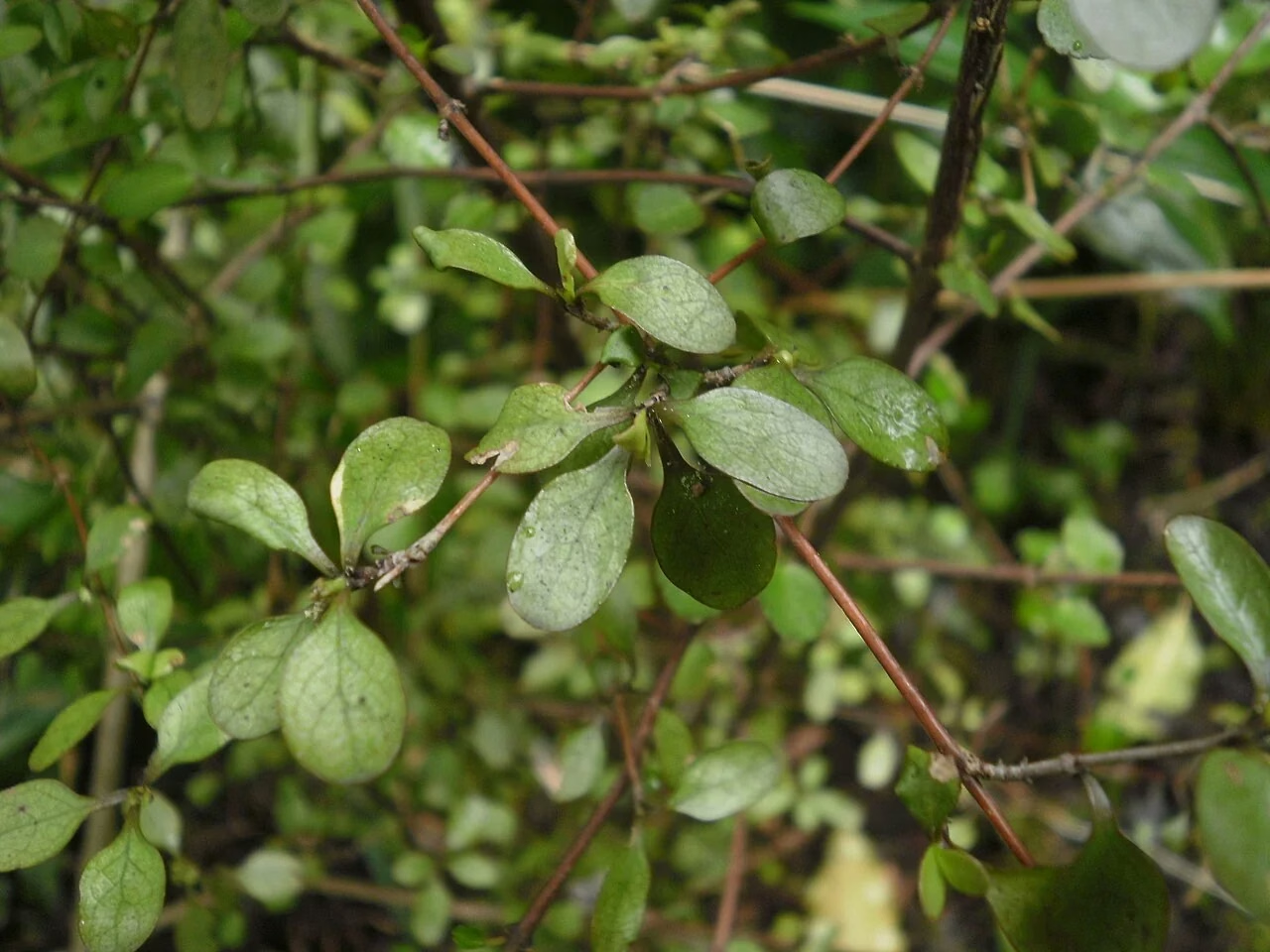
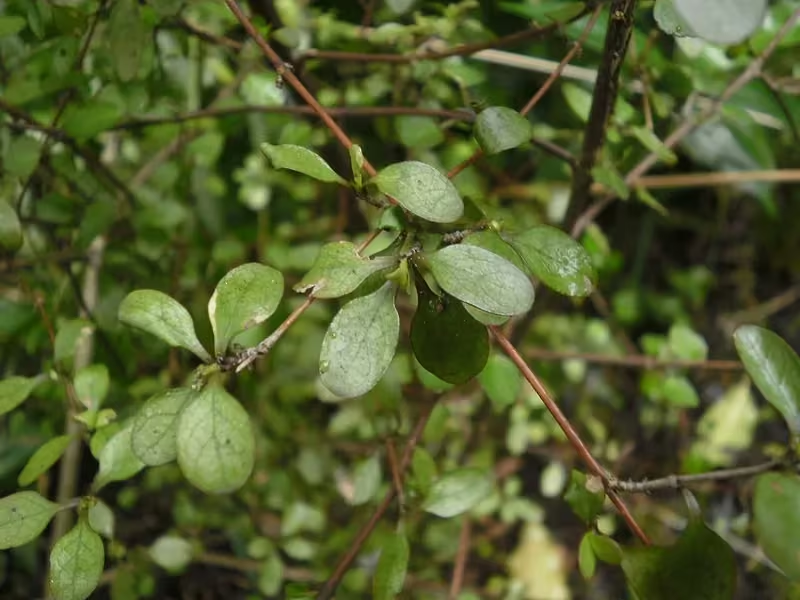
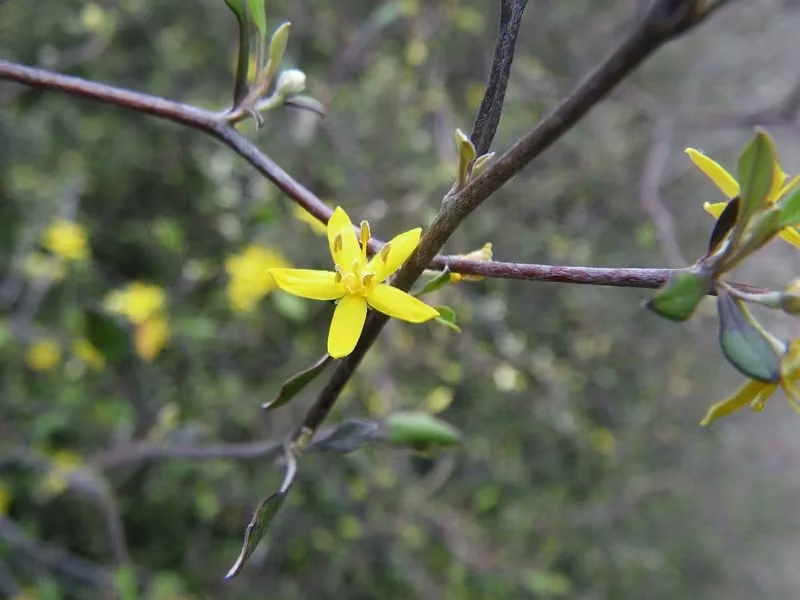
Coprosma rigida, or Rigid Coprosma, is a small to medium evergreen shrub endemic to New Zealand, growing up to 3 to 4 metres tall with dense, twiggy, zig-zagging branches that extend at right angles, sometimes giving a stiffly weeping look. Its small oval leaves, 4 to 9 mm long, can be green or purple depending on sun exposure and are edged with distinctive red margins. Tiny green flowers in late spring are followed by small, edible, pale berries. Unusually for the genus, it tolerates wet, poorly drained ground, growing in shady damp forest, on riverbanks and forest edges across the North, South and Stewart Islands. Explore more native shrubs in our native plant guide.
Plant Description
Identification and Physical Characteristics
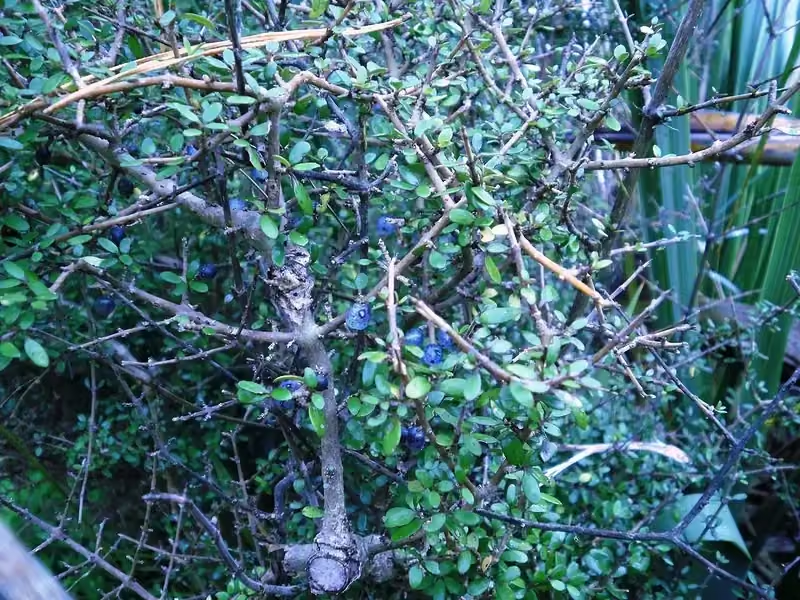
Coprosma rigida is a small to medium-sized evergreen shrub, typically growing up to 3-4 meters tall. It is easily recognized by its dense, twiggy, and often zig-zagging branches that can extend at right angles, sometimes giving it a stiffly weeping habit. The youngest branchlets are covered in short, erect white hairs over a red-brown surface, which older branches tend to lose. Its small, oval leaves, measuring 4-9mm, can be green or purple depending on sun exposure, with distinctive red margins and very small hairs at the often-dented tip. Tiny, inconspicuous green flowers appear between November and December, followed by small, edible berries that ripen from March to May, typically white, yellow, or orange, and sometimes flecked with blue or black.
Quick Facts
| Scientific Name | Coprosma rigida |
|---|---|
| Height | Up to 4 m (Shrub) |
| Spread | Up to 2 m |
| Water Needs | Moderate to High |
| Light | Full Sun to Partial Shade |
| Frost Tolerance | High |
| Salt Tolerance | Moderate |
| Growth Rate | Moderate to Fast |
| Lifespan | Perennial |
Climate Best Suited to
Rigid Coprosma is well-suited to the temperate climates found throughout New Zealand's North, South, and Stewart Islands. It is particularly prevalent in lowland and montane habitats, especially in damp forest areas with poor drainage. It tolerates a wide range of conditions, including frost, sun, shade, wetland environments, and coastal exposure, making it a versatile choice for various regions.
Regional Suitability
| City | Climate Suitability |
|---|---|
| Auckland | Highly Suitable |
| Wellington | Highly Suitable |
| Christchurch | Highly Suitable |
| Dunedin | Highly Suitable |
| Nelson | Highly Suitable |
| Invercargill | Highly Suitable |
Plant Habitat
Natural Occurrence and Ecology
The natural habitat of Coprosma rigida primarily includes shady, damp forest areas with poor drainage, often found on riverbanks and the edges of lowland and montane forests. It also grows in associated scrub and shrublands. Its ability to tolerate wet conditions distinguishes it from many other Coprosma species. This makes it a valuable plant for riparian zones and wetland margins where soil moisture is consistently high.
Growing Requirements
Soil Requirements
Prefers damp, poorly drained soils; tolerates wet conditions but can adapt to dry.
- Damp, poorly drained
- Wetland tolerant
- Adaptable to drier soils
Light Requirements
Grows well in full sun or partial shade. Full sun can enhance foliage colour.
- Full sun for colour
- Partial shade tolerated
- Minimum 50% sun
Water Requirements
Moderate to high water needs; thrives in consistently moist or wet conditions.
- Consistently moist
- Wetland adaptable
- Avoid prolonged drought
Planting and Establishing
Establishment Guidance
Establishing Rigid Coprosma is straightforward due to its hardiness and adaptability to various conditions, including poorly drained soils. Plant in spring or autumn in a location that receives full sun to partial shade. Dig a hole twice the width of the root ball and backfill with a mix of native soil and organic matter. Space plants 1-2 meters apart, depending on whether you want a dense screen or individual specimens. Water well after planting and ensure consistent moisture, especially in the first year, as it prefers damp conditions. For optimal growth, consider planting it in areas prone to consistent moisture, such as near streams or in rain gardens.
Ecological Role
Biodiversity and Ecosystem Impact
Coprosma rigida plays an important ecological role in New Zealand's lowland and montane forest ecosystems, particularly in damp and riparian areas. Its dense, twiggy branches provide excellent shelter and nesting sites for small native birds, while its small, edible berries serve as a food source for various frugivorous birds and lizards. It contributes to soil stability, especially on riverbanks and wet areas, and helps to maintain biodiversity in these sensitive habitats.
Uses & Significance
Garden Uses
An excellent choice for native gardens, particularly in damp areas, for riparian planting, or as a windbreak. Its dense form provides good shelter.
- Riparian planting
- Wetland gardens
- Shelter belt
Ecological Value
Provides food and habitat for native birds and lizards. Important for soil stabilization in damp and wetland ecosystems.
- Bird food source
- Habitat provision
- Soil stabilization
Landscaping Uses
In landscaping, Rigid Coprosma is valued for its unique dense, twiggy habit and adaptability to wet conditions. It can be used in mixed native borders, as a screening plant, or to help define riparian zones. Its ability to thrive in damp, poorly drained soils makes it particularly useful for challenging garden areas where other plants might struggle.
Seasonal Care Calendar
Spring
Active growth period. New leaves emerge. Apply a balanced slow-release fertilizer if needed.
- Light fertilization
- Monitor for pests
Summer
Fruiting season; berries develop and ripen. Ensure consistent moisture, especially during dry spells.
- Consistent watering
- Berries ripen
Autumn
Ideal time for planting new specimens. Reduce watering as temperatures cool.
- Plant new stock
- Reduce watering
Winter
Growth slows. Plant is evergreen. Winter pruning can be done to maintain shape and health.
- Winter pruning
- Minimal care
When to Prune and How Much
Rigid Coprosma responds well to pruning and can be trimmed to maintain a desired size and shape. Light pruning can be done year-round to remove dead or straggly branches.
- Prune lightly year-round
- Shape as desired
For more significant shaping or to encourage a denser habit, prune in late winter or early spring before new growth emerges. Avoid heavy pruning into old wood, as recovery can be slow.
How to Grow Rigid Coprosma
Growing Rigid Coprosma ( Coprosma rigida ) is a rewarding experience, particularly for gardeners interested in native New Zealand plants that thrive in damp or poorly drained conditions. This small to medium-sized evergreen shrub is highly valued for its dense, twiggy, and often zig-zagging branches, which can create a unique textural element in the landscape. Its adaptability to a wide range of light conditions, from full sun to partial shade, and its high frost tolerance make it a versatile choice for various garden designs. Furthermore, its ecological contributions, such as providing food and shelter for native wildlife, add to its appeal.
From Cuttings
Cuttings are an effective and widely used method for propagating Rigid Coprosma. Semi-hardwood cuttings are generally the most successful.
Take cuttings in late summer or autumn for the best results.
- Select healthy, non-flowering stems from the current season's growth. Aim for sections approximately 10-15 cm long, ensuring each cutting has several leaf nodes.
- Remove the lower leaves, leaving only 2-3 leaves at the top. Make a clean cut just below a node to encourage root development.
- Dip the base of the cutting in a rooting hormone, which can significantly improve strike rates and accelerate root formation.
- Plant into a well-draining potting mix. A blend of peat, perlite, and sand is ideal, as it provides good aeration while retaining adequate moisture.
- Place the potted cuttings in a warm, sheltered spot with indirect light, maintaining consistent moisture without waterlogging. A propagation tray with a clear lid can help maintain the high humidity levels beneficial for rooting.
- Roots should establish within 6-8 weeks, after which the new plants can be hardened off and potted individually for further growth before planting out in the garden.
From Seed
Seed propagation is also a viable method, especially for larger-scale projects or to maintain genetic diversity within your planting.
Collect ripe berries from mature female plants in late autumn or early winter.
- Process the berries by gently mashing them and thoroughly washing away the fleshy pulp to obtain clean seeds. This step is important to prevent fungal growth and inhibit germination.
- Sow the cleaned seeds onto the surface of a well-draining seed-raising mix.
- Lightly cover with a fine layer of sand or grit and water gently to settle the medium without disturbing the seeds.
- Cold stratification for 4-6 weeks (placing seeds in a moist medium in the refrigerator) can improve germination rates, though some seeds may germinate without this pre-treatment.
- Place in a protected outdoor area or a cool greenhouse; germination typically occurs in spring as temperatures rise.
- Prick out seedlings once they are large enough to handle and grow them on in individual pots until they are ready for planting in their final location.
Pests & Diseases
Rigid Coprosma is generally a robust and healthy shrub, rarely suffering from severe pest or disease issues. Occasionally, it may be susceptible to aphids or scale insects, particularly on new growth. These can typically be managed with horticultural oil or insecticidal soap. Root rot can occur in very poorly drained or waterlogged soils, so while it prefers damp conditions, ensuring some level of aeration is beneficial. Maintaining good air circulation and avoiding prolonged periods of stagnant water will help prevent most fungal issues.
Cultural Significance
Coprosma rigida , like many other Coprosma species, holds ecological significance within Māori culture due to its role in supporting native bird populations. Its berries provide a seasonal food source for various forest birds, which in turn aid in seed dispersal. The dense, twiggy branches offer valuable shelter and nesting sites for small birds and invertebrates. Its presence in damp, riparian zones contributes to the health of these sensitive ecosystems, and its resilience highlights the adaptability of native flora to challenging environments.
- Important bird food
- Shelter for fauna
Bonus Tip
To highlight the unique zig-zagging branches and dense habit of Rigid Coprosma, consider planting it as a specimen plant or along a pathway where its distinctive form can be appreciated up close, especially when it takes on purplish hues in full sun.
Related Plants
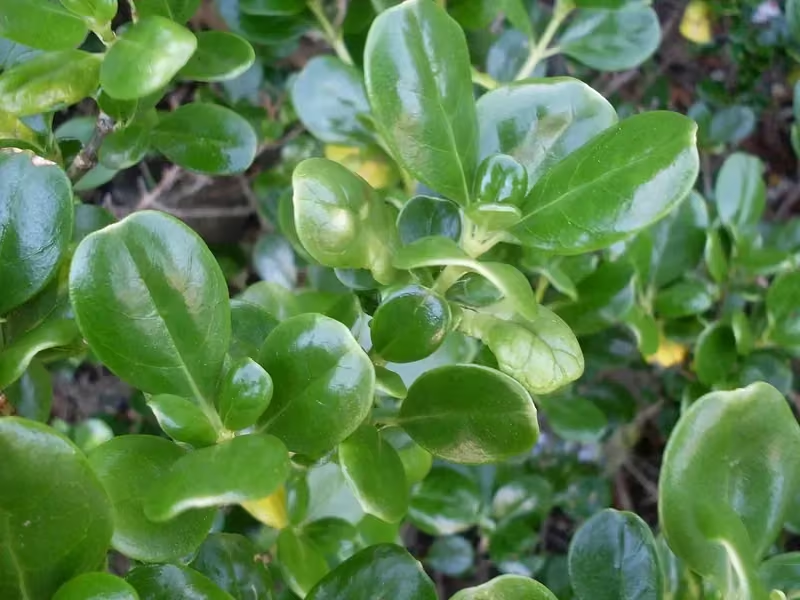
Explore other native plants that share similar characteristics or habitats with Rigid Coprosma ( Coprosma rigida ), offering further insights into New Zealand's diverse flora. These related species provide context and opportunities for complementary planting in your garden.

Plant Conservation
Conservation Status and Threats
Coprosma rigida is currently classified as Not Threatened in New Zealand. It is widespread and generally common in suitable habitats. However, local populations can be threatened by habitat destruction, browsing by introduced mammals, and competition from aggressive introduced weeds. Protecting its natural habitats, particularly damp forest areas and riverbanks, and promoting its use in appropriate restoration projects are key to ensuring its ongoing success.
Frequently Asked Questions
How tall does Coprosma rigida grow?
It grows up to about 3 to 4 metres tall with a spread of up to 2 metres.
Does Coprosma rigida tolerate wet soil?
Yes, it tolerates damp, poorly drained ground, making it useful for riparian zones and wetland margins.
Does Coprosma rigida tolerate frost?
Yes, it has high frost tolerance and suits temperate climates throughout New Zealand.
How fast does Coprosma rigida grow?
It has a moderate to fast growth rate.
Sources and Further Reading
The botanical, growing, and conservation details for Rigid Coprosma (Coprosma rigida) on this page draw on authoritative New Zealand plant references and citizen-science observation records. Consult the sources below for full technical records and the latest distribution data.