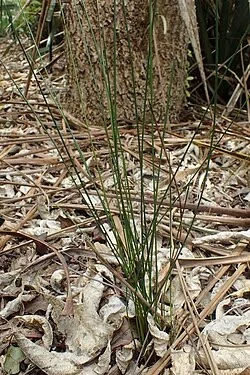
Pakihi / Nut Sedge
Machaerina teretifolia
Last updated:
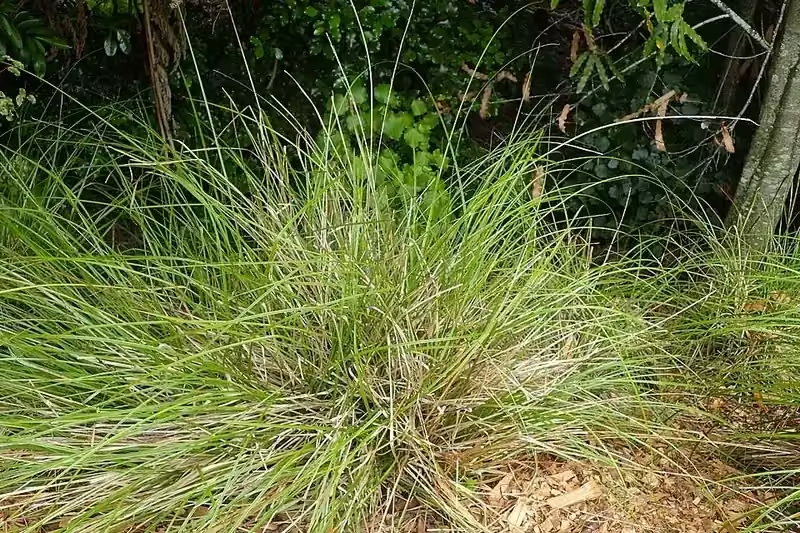
Pakihi (Machaerina teretifolia), also known as nut sedge, is a hardy perennial sedge native to New Zealand, Australia and New Guinea. It has a stiff, upright, rush-like form, spreading by creeping rhizomes into dense tufted clumps or extensive colonies. Its yellow-green, cylindrical (terete) stems reach up to about 1.1 metres, and its basal leaves are internally septate, with cross-partitions felt when a finger slides along them. Dark brown to near-black flower heads appear in late spring and summer. A specialist of acidic, nutrient-poor pakihi barrens, gumlands and peat bogs, it grows across the North and South Islands to about 900 metres. Explore more wetland native plants in our native plant guide.
Plant Description
Identification and Physical Characteristics
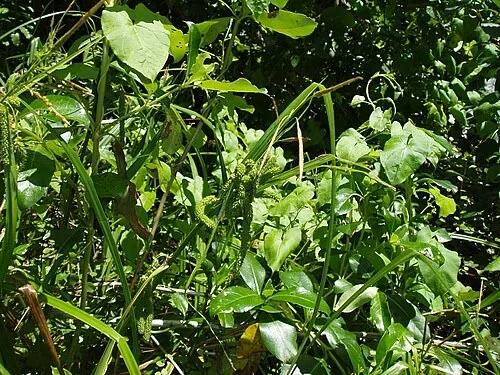
Machaerina teretifolia , commonly known as Pakihi or Nut Sedge, is a hardy perennial sedge native to New Zealand, Australia, and New Guinea. It is characterized by its stiff, upright, and rush-like appearance. The plant forms dense, tufted clumps or extensive colonies via its creeping underground rhizomes. The stems, or culms, are yellow-green, cylindrical (terete), and can reach heights of up to 1.1 meters. The leaves are primarily found at the base of the plant and are internally septate, meaning they have cross-partitions that can be felt when sliding a finger along the leaf. In late spring and summer, the plant produces distinctive, dark brown to near-black flower heads arranged in tight, erect clusters. These are followed by small, corrugated nuts that are dispersed by wind.
Quick Facts
| Scientific Name | Machaerina teretifolia |
|---|---|
| Height | 0.3-1.1 m |
| Spread | Extensive (rhizomatous) |
| Water Needs | High; requires damp to wet soil |
| Light | Full sun preferred |
| Frost Tolerance | High |
| Salt Tolerance | Medium to high |
| Growth Rate | Moderate |
| Lifespan | Perennial |
Climate Best Suited to
Pakihi is a highly resilient plant well-suited to the varied climates of New Zealand. It thrives in both the North and South Islands, from coastal marshes up to montane peat bogs at 900 meters elevation. It is particularly adapted to environments with high rainfall and high humidity. It is extremely frost-hardy and can withstand the cold, damp winters of the West Coast and southern regions. It is also tolerant of exposed, windy sites, making it an excellent choice for coastal restoration projects.
Regional Suitability
| City | Climate Suitability |
|---|---|
| Auckland | High |
| Wellington | High |
| Christchurch | High |
| Dunedin | High |
| Invercargill | High |
Plant Habitat
Natural Occurrence and Ecology
In the wild, Machaerina teretifolia is a specialist of acidic, nutrient-poor environments. It is a defining species of "pakihi" (open, swampy barrens) and gumlands. It thrives in peat bogs, particularly restiad bogs, and is frequently found along the margins of peat lakes and slow-flowing streams. Its ability to tolerate extremely acidic soils and periodic waterlogging allows it to dominate in niches where other sedges and grasses might struggle. It is an essential component of New Zealand's unique wetland ecosystems.
Growing Requirements
Soil Requirements
Requires acidic, damp, and organic-rich soil. It is perfectly adapted to peat-based mediums but can tolerate clay if kept wet.
- Acidic (pH 4.0-6.0)
- Peaty/Organic
- Consistently moist
Light Requirements
Performs best in full sun. While it can tolerate very light shade, plenty of light is needed to maintain its vibrant yellow-green stem colour.
- Full Sun
- High light levels
Water Requirements
Needs high levels of soil moisture. It is a facultative wetland plant and should never be allowed to dry out completely.
- Constantly damp
- Waterlogged tolerant
Planting and Establishing
Establishment Guidance
When planting Pakihi, select a low-lying area of the garden where water naturally collects, or create a specialized bog garden. If your soil is neutral or alkaline, incorporate plenty of untreated pine sawdust or peat moss to lower the pH. Space the plants about 50-60 cm apart; they will eventually spread to form a dense thicket. Planting is best done in autumn or early spring to allow the rhizomes to establish before the heat of summer. Ensure the area is kept weed-free during the first year, as young plants can be outcompeted.
Ecological Role
Biodiversity and Ecosystem Impact
Machaerina teretifolia plays a vital role in wetland ecology by providing structural stability to peat bogs and riparian margins. Its dense rhizome network acts as a natural filter, trapping sediment and recycling nutrients in acidic water systems. The upright stems provide nesting sites and cover for wetland birds and shelter for various aquatic invertebrates. It is an important pioneer species in the restoration of degraded peatlands and pakihi landscapes.
Uses & Significance
Garden Uses
In the garden, this sedge is ideal for pond edges, bog gardens, or as a structural element in a modern, minimalistic native landscape. Its vertical form provides a strong architectural contrast.
- Pond margins
- Bog gardens
- Architectural planting
Ecological Value
It is a primary choice for wetland restoration and revegetation, particularly in areas with poor, acidic soils or high exposure.
- Wetland restoration
- Erosion control
- Water filtration
Landscaping Uses
Landscape designers value Machaerina teretifolia for its reliability and its unique yellow-green colour. It is often used in mass plantings to create a "sea" of vertical lines that catch the light beautifully. It is also an excellent plant for stormwater treatment swales and rain gardens, where its tolerance for both inundation and occasional dry spells is a significant advantage.
Seasonal Care Calendar
Spring
The main season for new growth. Check for any aggressive weeds that may have established over winter and remove them.
- Monitor growth
- Weeding
Summer
Flowering and seed production. Ensure moisture levels remain high, especially during extended dry periods.
- Intensive watering
- Observe flowers
Autumn
A good time for dividing large clumps and replanting them to expand your wetland area.
- Clump division
- New planting
Winter
The plant is very hardy. This is the best time to trim back any old, brown stems to keep the plant looking fresh.
- Tidy up foliage
- Check drainage
When to Prune and How Much
Trimming is generally only required once a year to maintain a neat appearance.
- Remove dead/brown stems
- Trim back in late winter
You can shear the entire clump back to about 10-15 cm above the ground in late winter to encourage a flush of vibrant new yellow-green growth in spring.
How to Grow Pakihi / Nut Sedge
Cultivating Pakihi ( Machaerina teretifolia ) is a straightforward process, making it an excellent choice for anyone looking to establish a native wetland or bog garden. This species is naturally adapted to some of New Zealand's most nutrient-poor and acidic environments, which means it is remarkably robust once its basic requirement for constant moisture is met. Whether you are planting it for aesthetic reasons or as part of an ecological restoration project, Pakihi will reward you with its reliable, upright form and striking yellow-green colour.
The most efficient and common way to propagate Pakihi is through the division of established clumps. Because the plant spreads via a creeping rhizome system, it naturally forms large, interconnected mats that can be easily separated. The best time to perform division is in late winter or early spring, just before the main flush of new growth begins. Use a sharp spade to lift a section of the rhizome mat, ensuring that each division contains several healthy culms (stems) and a good portion of the underground rhizome and root system. Replant these divisions immediately into prepared, moist, and ideally acidic soil. It is vital to keep these new transplants well-watered for several weeks until they have successfully anchored themselves.
From Seed
Propagation from seed is also possible and is the preferred method for large-scale restoration work to ensure genetic diversity. Collect the Corrugated nuts in late summer once they have turned a pale brown.
Sow the seeds onto the surface of a fine, peat-based seed-raising mix. They require light to germinate, so do not cover them with soil; a very light dusting of fine grit can help keep them in place. Place the seed tray in a shallow saucer of water to ensure the medium stays constantly saturated. Keep the tray in a bright, warm position.
- Collect ripe nuts in late summer.
- Sow on surface of moist peat mix.
- Keep saturated via bottom-watering.
Germination can be slow and irregular. Once the seedlings reach about 10 cm in height, they can be pricked out into individual pots filled with a peaty medium and grown on for a season before planting out.
Pests & Diseases
Machaerina teretifolia is virtually trouble-free when grown in the correct conditions. Its tough, fibrous stems are unappealing to most common garden pests. In stagnant, poorly oxygenated water, it can occasionally be susceptible to fungal root issues, but this is rare in its preferred acidic bog environments. Regular trimming of old foliage in late winter will help prevent the buildup of decaying organic matter within the clump, which can sometimes harbor pests like slugs or snails.
Cultural Significance
Pakihi holds a significant place in the New Zealand landscape, lending its name to the vast, open, and often swampy barrens found on the West Coast of the South Island. These pakihi lands are a unique part of Aotearoa's natural heritage. Historically, these areas were difficult to traverse and utilize for agriculture, leading to the preservation of many unique wetland species. Today, Machaerina teretifolia is respected as a key indicator of these ancient, acidic ecosystems and is increasingly used in cultural restoration projects that aim to return modified lands to their original wetland states.
- Namesake of the pakihi barrens
- Indicator of ancient peat ecosystems
- Essential for wetland cultural heritage
Bonus Tip
To get the best visual impact, plant Pakihi in large groups of 10 or more. The collective effect of the vertical, yellow-green stems is much more powerful than a single specimen, especially when back-lit by the low morning or evening sun.
Related Plants
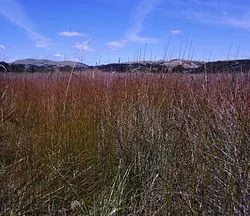
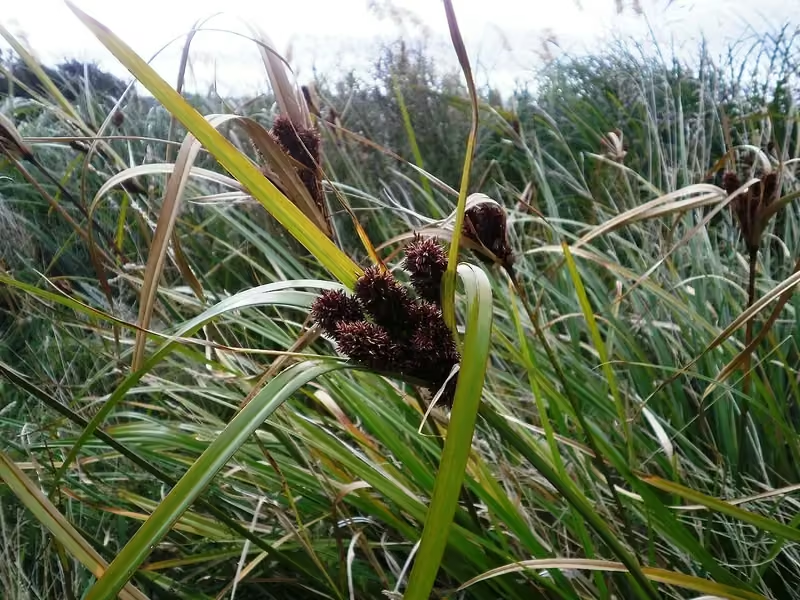
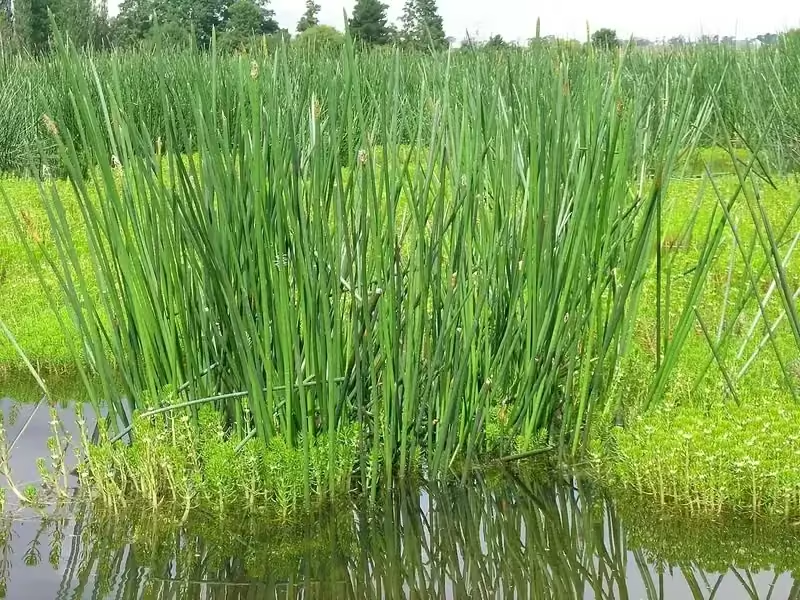
Explore other native plants that share similar characteristics or habitats with Pakihi / Nut Sedge ( Machaerina teretifolia ), offering further insights into New Zealand's diverse flora. These related species provide context and opportunities for complementary planting in your garden.



Plant Conservation
Conservation Status and Threats
Currently classified as 'Not Threatened', Machaerina teretifolia remains common in suitable wetland habitats. However, its future security is dependent on the protection of New Zealand's remaining peat bogs and pakihi barrens from drainage, agricultural conversion, and the spread of invasive woody weeds. Preserving these specialized acidic ecosystems is essential for the continued success of Nut Sedge in the wild.
Frequently Asked Questions
How tall does pakihi sedge grow?
Pakihi grows up to about 1.1 metres tall, with yellow-green cylindrical stems.
Does pakihi sedge tolerate frost?
Yes, it has high frost tolerance and grows in montane peat bogs to about 900 metres.
Where does pakihi grow naturally?
It grows in acidic pakihi barrens, gumlands and peat bogs across the North and South Islands.
What conditions does pakihi sedge prefer?
It prefers full sun and damp to wet, acidic, nutrient-poor soils.
Sources and Further Reading
The botanical, growing, and conservation details for Pakihi / Nut Sedge (Machaerina teretifolia) on this page draw on authoritative New Zealand plant references and citizen-science observation records. Consult the sources below for full technical records and the latest distribution data.