Congested Speargrass
Aciphylla congesta
Last updated:
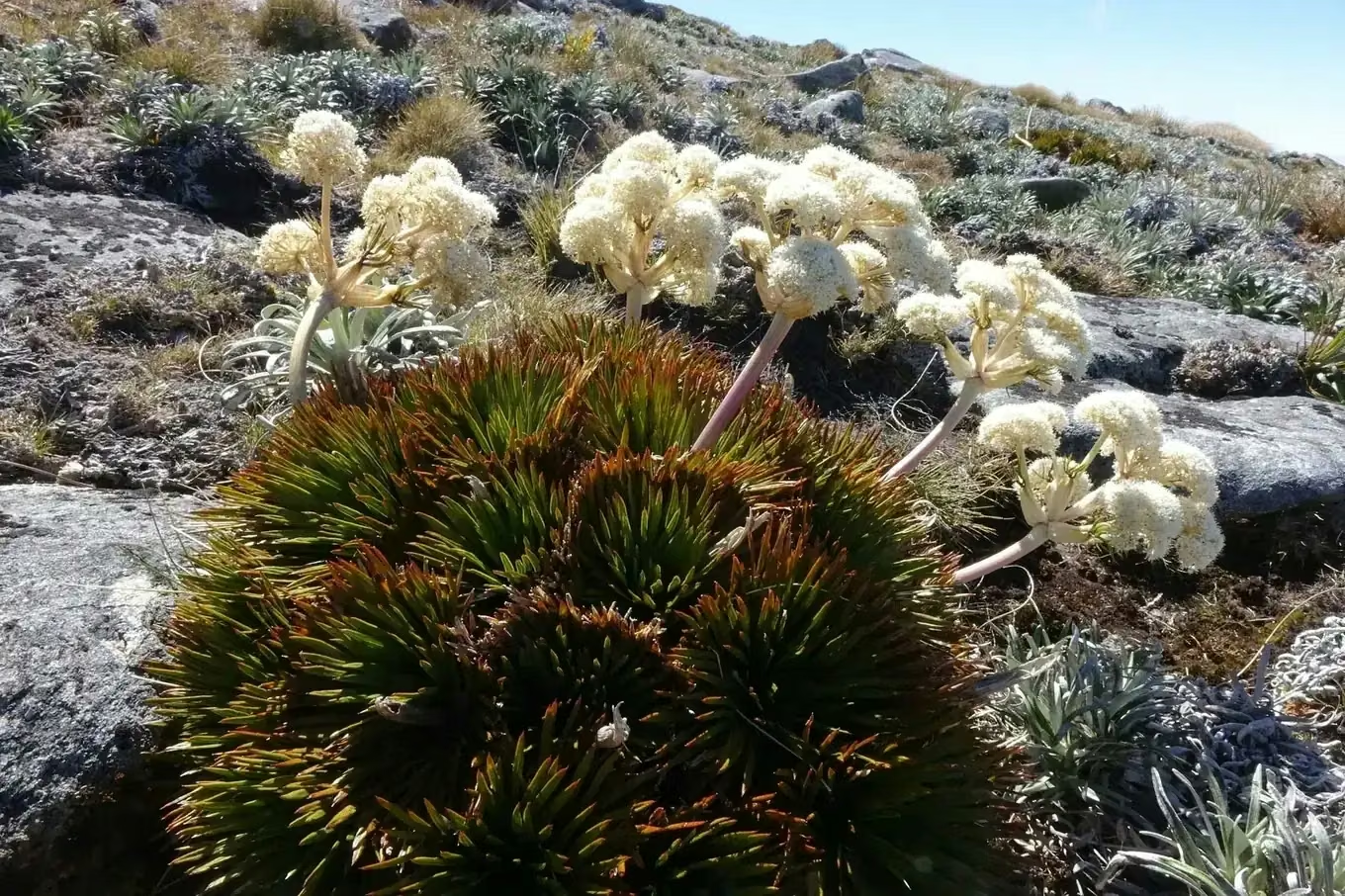
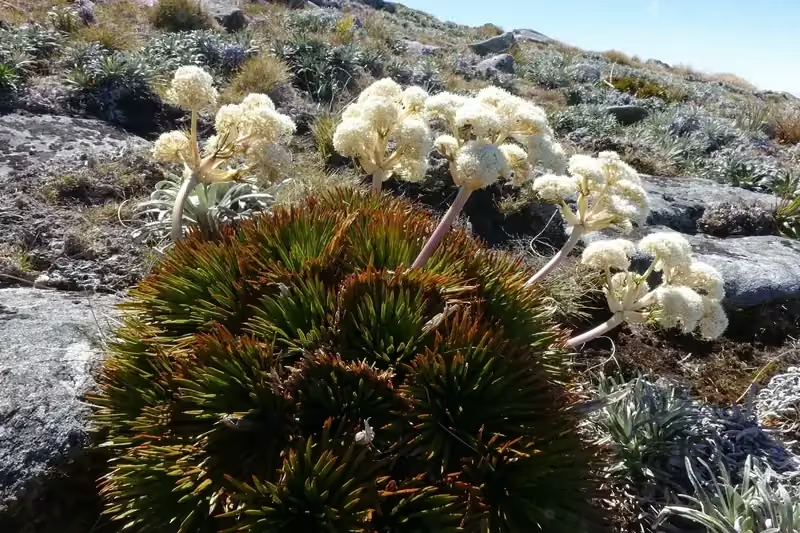
Aciphylla congesta, or congested speargrass, is a rare New Zealand alpine speargrass with a growth form unlike its relatives: instead of open rosettes it builds dense cushions or mats just 10 to 20 cm high, spreading 30 to 100 cm across as neighbouring rosettes merge. Its thick, fleshy leaves are only 2 to 5 cm long, blue-green to yellow-green with orange or reddish margins in winter, each segment tipped with a weak spine. It grows in permanently wet alpine bogs, tarn margins and seepage zones between 1200 and 2100 metres, mostly in the South Island. Classed as At Risk - Naturally Uncommon, it is a specialist of saturated high-country wetlands and expands only millimetres each year. Explore more native plants such as Anomalous Speargrass.
Plant Description
Identification and Physical Characteristics
Aciphylla congesta presents a growth form unique among speargrasses, developing as dense cushions or mats rather than distinct rosettes Discover more about native ferns. Individual rosettes are small and so tightly packed they merge into continuous mounds 10-20 cm high and spreading 30-100 cm across. The leaves are much reduced compared to typical speargrasses, only 2-5 cm long, pinnately divided into 3-5 pairs of segments, each ending in a weak spine that is sharp but not as rigid as other species.The leaves are thick and somewhat fleshy, blue-green to yellow-green with orange or reddish margins, particularly in winter. This coloration, combined with the cushion form, can make the species appear similar to some cushion plants from a distance. The congested growth traps dead leaves within the cushion, creating a thick organic layer that insulates the growing points and retains moisture.The root system is adapted to waterlogged conditions, with numerous fine roots spreading horizontally through the organic bog soils rather than the deep taproots typical of other speargrasses. This adaptation allows the plant to access nutrients in the upper soil layers while tolerating low oxygen conditions.Flowering occurs sporadically from December to February, with small inflorescences barely rising above the cushion surface. The flower heads are compact, 10-20 cm tall, with small umbels of cream to pale yellow flowers. The species is dioecious, though some populations show a bias toward one sex. Seeds are small achenes 3-4 mm long, produced in limited quantities.
Quick Facts
| Scientific Name | Aciphylla congesta |
|---|---|
| Height | 10-20 cm cushion mounds; flower stems to ~20 cm |
| Spread | 30-100 cm across as cushions slowly merge |
| Water Needs | Constant moisture - prefers saturated alpine bogs |
| Light | Full sun and unshaded alpine light |
| Frost Tolerance | Extreme; survives prolonged snow cover |
| Salt Tolerance | Low (inland wetland species) |
| Growth Rate | Very slow - cushions expand millimetres per year |
| Lifespan | Long-lived perennial (several decades) |
Climate Best Suited to
Aciphylla congesta is well adapted to various New Zealand regions.
Regional Suitability
| City | Climate Suitability |
|---|---|
| Auckland | High |
| Wellington | High |
| Christchurch | Medium |
Plant Habitat
Natural Occurrence and Ecology
Aciphylla congesta occupies a highly specialized niche in alpine wetlands between 1200 and 2100 meters elevation. Unlike other speargrasses that favour well-drained sites, this species thrives in permanently wet or seasonally waterlogged soils. It is most abundant in alpine bogs, around tarn margins, in seepage zones, and areas of late snow-lie where meltwater maintains soil moisture throughout the growing season.The species shows a strong preference for acidic, peaty soils (pH 4.5-6.0) with high organic content. These soils are typically derived from slow decomposition of plant material in cold, wet conditions. Despite the waterlogged nature of its habitat, the species requires flowing water rather than stagnant conditions, with sites typically having subsurface water movement that maintains oxygen levels.Temperature regime is critical - the species requires cold winters with snow cover and cool summers where soil temperatures rarely exceed 15°C. The cushion form and bog habitat provide insulation against temperature extremes while maintaining the consistently cool, moist conditions the species requires.Associated species form distinctive alpine wetland communities. Common companions includeDonatia novae-zelandiae,Oreobolus pectinatus,Drosera arcturi, and various cushion plants.Carex species and rushes often dominate adjacent, slightly drier areas. This community type is restricted to high-rainfall mountain areas where precipitation exceeds 2000mm annually.
Growing Requirements
Soil Requirements
Prefers well-draining soil rich in organic matter.
- Well-drained
- Loamy
Light Requirements
Grows best in partial to full sun.
- Full Sun
- Partial Shade
Water Requirements
Requires regular watering during dry periods.
- Regular
- Drought tolerant once established
Planting and Establishing
Establishment Guidance
Cultivating Bog Speargrass requires a dedicated approach that mimics its saturated alpine environment. It is not a plant for a standard garden bed; it must be grown in a specialized bog garden or a container with a highly organic, peaty soil mix that remains consistently wet. Full sun is essential for the plant to maintain its tight cushion form and healthy yellow-green coloration. When establishing new plants, ensure they are positioned where they will receive constant moisture and cool root runs. It is highly intolerant of dry soils or stagnant, poorly oxygenated water.
Ecological Role
Biodiversity and Ecosystem Impact
In its native alpine wetland ecosystems, Aciphylla congesta plays a vital role as a structural component of the bog community. Its dense cushions help regulate water flow and trap sediment, assisting in the development of peaty substrates. The plant acts as a localized 'nutrient pump,' absorbing and concentrating minerals from the surrounding meltwater. These cushions provide essential habitat and stable micro-climates for specialized alpine invertebrates, including aquatic and semi-aquatic species. During the brief summer flowering period, its globular flower heads provide a nectar source in environments where floral resources are often limited.
Uses & Significance
Garden Uses
Bog Speargrass is a prized specimen for specialized native bog gardens and alpine troughs that can provide year-round moisture. Its low, spreading cushion habit and thick, toothed leaves offer a unique textural element that represents the extreme specialization of New Zealand's wetland flora. It is an excellent choice for creating a 'miniature mountain bog' display alongside other moisture-loving alpines like Drosera and Donatia. Its resilience to extreme cold and prolonged snow cover makes it a durable feature in the right environment.
- Specialized bog gardens
- Textural ground cover
Ecological Value
Ecologically, it is an important indicator of healthy hydrological function in high-country wetlands. In restoration projects, it is used to stabilize tarn margins and seepage zones, contributing to the overall biodiversity and resilience of these sensitive alpine ecosystems.
- Alpine wetland habitat
- Nutrient cycling
Landscaping Uses
In professional landscape projects focusing on alpine or wetland themes, Bog Speargrass offers a sophisticated and highly specialized ground-level form. Its ability to create broad, uniform mats makes it perfect for softening the edges of naturalistic tarns or water features. The subtle colour variations of the foliage-from blue-green to vibrant yellow-green with red-tinted margins in winter-provide dynamic visual interest that shifts with the mountain seasons. It is ideal for large-scale ecological plantings in high-rainfall areas where a robust, moisture-adapted ground layer is required.
Seasonal Care Calendar
Spring
Ensure the surrounding soil is consistently saturated as the plant begins its active growth. Check for any signs of lifting from winter frost heave and gently firm the soil back around the edges of the cushion.
- Fertilize
- Mulch
Summer
Irregular flowering occurs from December to February. Maintaining constant moisture is critical during hot spells; the plant will quickly decline if the substrate is allowed to dry out even once.
- Water
- Check for pests
Autumn
The seeds mature and are dispersed by the wind. This is a good time to ensure that no debris from drier-land plants is blowing into and smothering the moisture-sensitive bog cushions.
- Prune lightly
- Plant new specimens
Winter
Naturally adapted to being buried under snow for several months. In a garden setting, ensure the plant is not in a position where water will freeze solidly around the crown for prolonged periods without oxygen.
- Frost protection
When to Prune and How Much
Bog Speargrass requires almost no pruning due to its extremely slow-growing cushion habit. The organic material that accumulates as old leaves die back within the cushion is a natural part of its growth and helps with insulation and nutrient retention. Maintenance is limited to very occasionally removing any debris or competing weeds that might attempt to establish within the mat. Always use clean tweezers or small scissors if any cleaning is required to avoid damaging the delicate rosettes.
- Remove dead branches
Always use clean, sharp tools.
How to Grow Congested Speargrass
Growing Bog Speargrass ( Aciphylla congesta ) is a rewarding pursuit for the experienced native gardener. This specialized perennial is primarily propagated from seed, as its mat-forming growth and sensitive root system make it difficult to divide. Success depends entirely on providing the constantly wet, peaty, and high-light conditions it experiences in its native South Island alpine bog home.
From Seed
Seeds should be collected in late summer when the flower heads turn brown and the small achenes are ripe. Sow the seeds fresh onto the surface of a peaty, grit-rich mix that is kept standing in a shallow tray of water. They require a long period of cold stratification to trigger germination. Placing the sown trays in a cold, bright outdoor position over winter is the most effective method.
Sow fresh seeds in a seed-raising mix.
- Collect seeds
- Sow in trays
Keep moist until germination.
From Cuttings
Vegetative propagation is generally not recommended for Bog Speargrass. While very large cushions might theoretically be divided in early spring, the risk of rot and fatal root damage is extremely high. Gardeners are encouraged to focus on seed propagation to ensure healthy plants that can adapt to the specific conditions of a new bog garden or trough.
Take semi-hardwood cuttings in late summer.
- Take cuttings
- Use rooting hormone
Additional Methods
Depending on the growth habit of Aciphylla congesta , other methods such as division or layering might also be viable options. Division is particularly suitable for plants that form dense clumps or have spreading root systems, while layering can be used for species with trailing or flexible stems.
Young plants are very slow-growing and must be protected from drying out at all times. They are also vulnerable to browsing by slugs and snails in lowland environments. A mulch of fine gravel or crushed quartz around the base can help keep the foliage clean while ensuring the root zone remains cool and moist, mimicking the natural mountain seepage areas.
- Divide clumps
- Replant immediately
Pests & Diseases
Bog Speargrass is generally resistant to most common garden pests, provided its moisture needs are met. The most significant threat is root and crown rot caused by stagnant water or poor air circulation. In lowland garden settings, newly emerging rosettes may be targeted by slugs or snails. Maintaining a healthy, well-oxygenated hydrological environment is the key to preventing most physiological issues.
Cultural Significance
The Bog Speargrass represents the incredible evolutionary specialization within New Zealand's high-country flora. While specific traditional Māori uses are less documented than for its larger relatives, it is an integral part of the subalpine heritage of the South Island. Today, it stands as a symbol of the fragility and unique biodiversity of our high-altitude wetland ecosystems, valued by botanists and conservationists alike for its role in maintaining healthy alpine hydrology.
- Traditional medicine
- Crafts
Bonus Tip
To create a truly authentic alpine bog display, plant Bog Speargrass alongside other South Island wetland natives like Donatia or Drosera. The contrast between the rigid, spiny speargrass and the softer moss-like cushions will create a beautiful and scientifically interesting native feature.
Related Plants
Explore other native plants that share similar characteristics or habitats with Aciphylla Congesta ( Aciphylla congesta ), offering further insights into New Zealand's diverse flora. These related species provide context and opportunities for complementary planting in your garden.



Plant Conservation
Conservation Status
Currently classified as 'At Risk - Naturally Uncommon', Bog Speargrass faces significant long-term challenges from climate change and habitat degradation. Alpine wetlands are highly sensitive to changes in hydrology and temperature. Reduced snow-lie and warmer summers could lead to the drying out of its specialized bog habitats. Protecting intact wetland systems and preventing disturbance from trampling or invasive weeds are essential conservation priorities for this unique South Island endemic.
Frequently Asked Questions
How big does Aciphylla congesta grow?
It forms low cushions 10 to 20 cm high that spread 30 to 100 cm across, with flower stems reaching about 20 cm.
Where does congested speargrass grow?
It grows in permanently wet alpine bogs, tarn margins and seepage zones between 1200 and 2100 metres, mainly in the South Island.
Is Aciphylla congesta frost hardy?
Yes, it is extremely frost tolerant and survives prolonged winter snow cover in its alpine wetland habitat.
How fast does it grow?
It is very slow growing, with cushions expanding only a few millimetres each year over several decades.
Sources and Further Reading
The botanical, growing, and conservation details for Congested Speargrass (Aciphylla congesta) on this page draw on authoritative New Zealand plant references and citizen-science observation records. Consult the sources below for full technical records and the latest distribution data.