Grey Saltbush
Atriplex cinerea
Last updated:
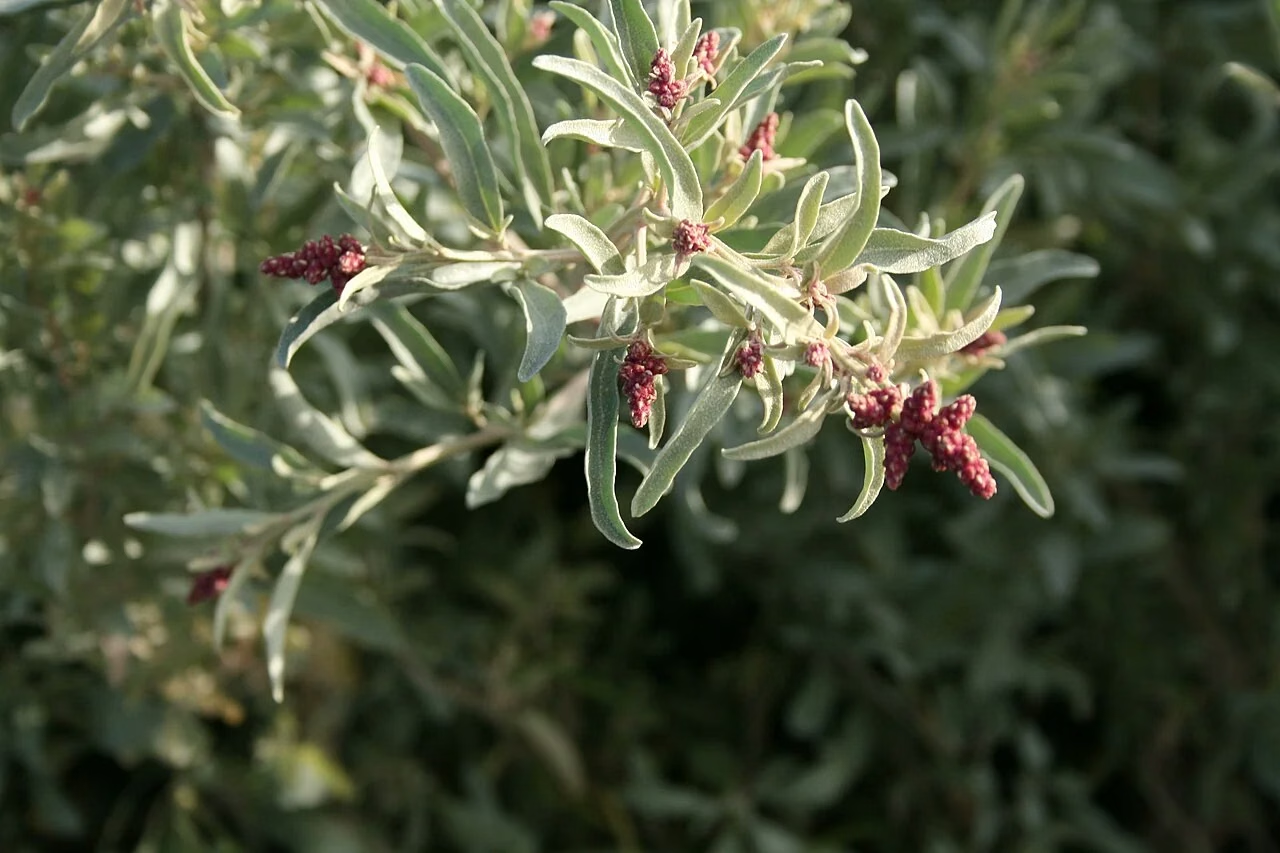
Grey saltbush (Atriplex cinerea) is a robust, heavily branched coastal shrub with a sprawling to semi-erect habit, forming dense mounds up to 1.5 metres tall and spreading as wide as 4 metres. Its semi-fleshy, linear leaves are covered in a fine mealy coating that gives them a luminous silvery-grey to greyish-white colour, reflecting sunlight and conserving water in exposed shoreline sites. Predominantly dioecious, it grows on boulder banks, gravelly estuaries, salt marshes and sandy beaches, often closer to the sea than almost any other vascular plant. It is classed as Nationally Critical in New Zealand and prized for coastal stabilisation. Explore more coastal native plants in our native plant guide.
Plant Description
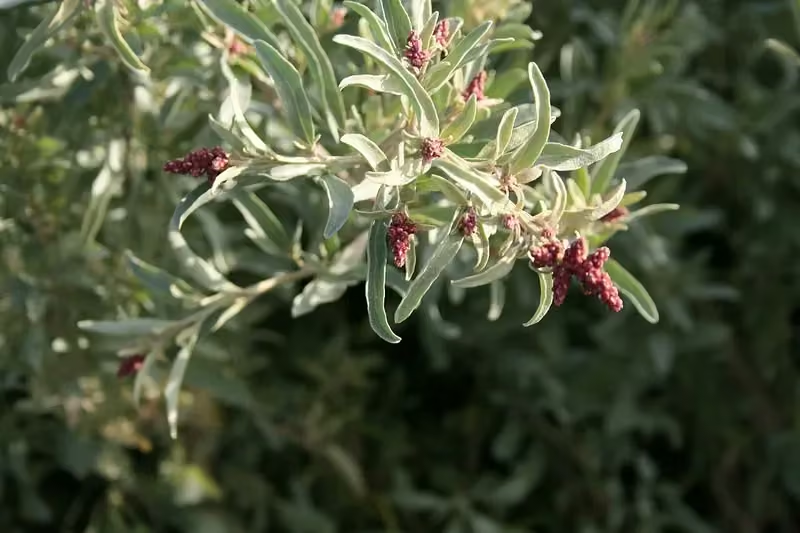
Atriplex cinerea is a robust, heavily branched shrub that typically exhibits a sprawling or semi-erect growth habit. It can form dense mounds up to 1.5 meters in height and can spread extensively, reaching widths of up to 4 meters. The most striking feature of this plant is its foliage; the leaves are semi-fleshy, linear-oblong to lanceolate, and covered in a fine, mealy or scurfy pubescence that gives them a luminous silvery-grey to greyish-white appearance. This specialized coating reflects intense sunlight and aids in water conservation, essential for its exposed coastal existence.
This species is predominantly dioecious, meaning that male and female flowers usually occur on separate individual plants. The flowers are small and relatively inconspicuous. Male flowers are typically arranged in dense, purple globular clusters at the ends of branches, while female flowers are more discrete, found in the axils of the leaves. Flowering occurs over a broad period from August through to June. When pollinated, female plants produce small, dry fruits. The stems and twigs are often reddish and may also be covered in the characteristic mealy grains, adding to the plant's unique monochromatic aesthetic.
Quick Facts
| Scientific Name | Atriplex cinerea |
|---|---|
| Height | Up to 1.5 meters |
| Spread | Up to 4 meters |
| Water Needs | Low (Highly drought tolerant) |
| Light | Full sun preferred |
| Frost Tolerance | Moderate (Tolerates coastal frosts) |
| Salt Tolerance | Exceptional (Thrives in high salt spray) |
| Growth Rate | Moderate to Fast |
| Lifespan | Perennial (Long-lived shrub) |
Climate Best Suited to
Grey Saltbush is a specialist of the maritime fringe, thriving in the temperate coastal climates of New Zealand. It is highly resilient to the harsh conditions of the shoreline, including constant salt-laden winds, intense UV exposure, and periodic inundation by salt water. It flourishes in full sun and requires excellent air circulation. While it is adapted to the relatively mild temperatures of coastal regions, it can withstand moderate frosts. However, it may struggle in excessively humid, still environments or in areas with severe, prolonged inland freezes. Its extreme drought tolerance makes it ideal for gardens where water conservation is a priority.
Regional Suitability
| City | Climate Suitability |
|---|---|
| Auckland | Highly Suitable (Exposed coastal sites are ideal) |
| Nelson | Highly Suitable (Thrives in the Waimea Inlet region) |
| Wellington | Highly Suitable (Adaptable to coastal winds and exposure) |
| Christchurch | Suitable (In coastal eastern zones) |
| Invercargill | Suitable (Hardy enough for southern maritime conditions) |
Plant Habitat
The natural habitat of Atriplex cinerea is exclusively coastal, where it occupies the most exposed and challenging niches. It is typically found on boulder banks, gravelly estuaries, and salt marshes. It also colonizes barrier bar sand spits and the upper reaches of sandy beaches, often growing closer to the sea than almost any other vascular plant. In New Zealand, its distribution is extremely restricted, with current populations primarily located in the Waimea Inlet of the South Island. Historically, it was also recorded on D'Urville Island, the Boulder Bank in Nelson, and Palliser Bay. Its preference for free-draining, often nutrient-poor sandy or gritty soils is a key characteristic of its specialization for the maritime fringe.
Growing Requirements
Soil Requirements
Requires gritty, free-draining soil. Highly adaptable to nutrient-poor and high-pH coastal substrates.
- Gritty or sandy texture preferred
- Excellent drainage is paramount
- Tolerates high salinity and alkalinity
- Can grow in lean, gravelly sites
Light Requirements
Thrives in full sun. Its silvery foliage is a natural shield against intense solar radiation.
- Maximum sun exposure
- Not suitable for shade or semi-shade
- Excellent for high-light coastal slopes
Water Requirements
Exceptionally drought-tolerant once established. Requires very little supplemental water.
- Minimal watering needed
- Avoid consistently wet or waterlogged soil
- Tolerates salt-water spray and splash
- Water only during extreme, prolonged dry spells
Planting and Establishing
When planting Atriplex cinerea , select the most exposed, sun-drenched site available, ideally one with gritty or sandy soil that drains very quickly. If your garden soil is heavy clay, consider planting in a raised bed or a large container with a specialized coastal potting mix. Dig a hole twice the width of the root ball and backfill with a mix of native soil and extra sand or fine gravel if necessary. Ensure the crown of the plant is level with the soil surface and firm in gently. Water thoroughly after planting to settle the roots, but then reduce watering significantly. In coastal restoration projects, it is often planted directly into river sand or beach gravel. To ensure successful reproduction, it is recommended to plant several individuals in close proximity, as this increases the likelihood of having both male and female plants for seed production.
Ecological Role
Grey Saltbush is a pioneering powerhouse in coastal ecosystems. Its extensive, sprawling habit and dense foliage are highly effective at trapping wind-blown sand and stabilizing loose gravel on boulder banks and estuaries. By mitigating erosion, it allows other coastal species to establish in its shelter. As a dioecious species, it supports a variety of native pollinators during its long flowering season. The dense mounds it creates provide essential refuge and nesting sites for coastal invertebrates and lizards. Its extreme salt tolerance allows it to function as a frontline defense for coastal biodiversity, growing where most other plants cannot survive. Its presence is vital for the health and resilience of New Zealand's increasingly threatened salt marsh and estuarine habitats.
Uses & Significance
Garden Uses
Grey Saltbush is a superb choice for coastal gardens, exposed banks, and "no-water" landscaping. Its luminous silvery-grey foliage provides a striking textural and colour contrast to green-leaved plants. It is particularly effective for mass planting to create low-maintenance groundcover or for stabilizing difficult sandy slopes.
- Frontline coastal landscaping
- Erosion control on sandy banks
- Architectural silver-grey accent
- Low-maintenance xeriscaping
- Large container specimen
Nutritional & Functional Value
Beyond its ornamental value, Atriplex cinerea has historical nutritional uses and functional importance in coastal management.
- Young leaves and fruit are edible (raw or cooked)
- Leaves can be boiled to remove excess salt
- Excellent for coastal restoration and dune binding
- Pest-resistant and robust in harsh conditions
Landscaping Uses
In professional landscaping, Atriplex cinerea is prized for its ability to bring structural integrity and monochromatic beauty to the most challenging seaside environments. It is ideal for defining large coastal boundaries or for creating naturalistic mounds in beach-themed designs. Its sprawling habit makes it an excellent underplanting for taller coastal trees like Pōhutukawa or Ngaio. For modern urban landscapes, mass planting of Grey Saltbush can create a sophisticated, low-profile carpet that requires almost no irrigation once established. Its ability to tolerate high-pH soils and salt spray offers landscape designers a resilient and attractive tool for sustainable coastal development.
Seasonal Care Calendar
Spring
This is the best time for light pruning to shape the shrub and remove any winter-damaged tips. Growth will increase as temperatures rise.
- Light maintenance pruning
- Monitor for new spring growth
- Minimal fertilization needed
Summer
The plant will thrive in the heat and sunlight. No watering is typically required once established. Ensure the area remains free of invasive weeds.
- Zero to minimal watering
- Ensure maximum sun exposure
- Maintain good air circulation
Autumn
Continue to monitor plant health. If seeds are present on female plants, they can be collected for propagation. The silver foliage remains vibrant.
- Optional seed collection
- Prepare for cooler coastal winds
- Maintain a tidy base
Winter
Grey Saltbush is naturally resilient to coastal winter conditions. Avoid any heavy watering during this dormant period to prevent root issues.
- Keep soil dry and free-draining
- Minimal winter protection needed
- No fertilization
When to Prune and How Much
Pruning for Atriplex cinerea is primarily used to maintain a desired shape and encourage a dense, compact habit. The best time for pruning is in early spring, just as the new growth begins to emerge. You can prune the shrub quite firmly if it has become too sprawling, as it responds well to being cut back. Focus on removing any dead or weak stems and thinning out congested areas to ensure excellent air circulation throughout the foliage. This helps prevent any fungal issues that might arise in excessively humid conditions. Regular light tip-pruning during the growing season will also help maintain its striking silvery form and prevent it from becoming too leggy.
- Prune in early spring for shape
- Remove dead or damaged wood
- Tip-prune regularly for density
- Use clean, sharp shears
Avoid pruning during excessively wet or humid weather, as the open cuts can be more vulnerable to pathogens in such conditions.
How to Grow Grey Saltbush
Propagating Grey Saltbush ( Atriplex cinerea ) is a straightforward and rewarding endeavor, essential for preserving this "Nationally Critical" New Zealand native. Whether you choose to grow it from seed or from cuttings, providing conditions that replicate its rugged coastal home is the key to success. This resilient shrub is an excellent addition to any coastal or xeriscape garden.
From Cuttings
Propagation from cuttings is the most common and reliable method for Grey Saltbush, particularly for ensuring you have a specific sex of the plant. Take 10-15 cm semi-hardwood cuttings in late summer or early autumn. Choose healthy, non-flowering stems and remove the lower leaves. Dip the base of each cutting into a rooting hormone to encourage development. Insert the cuttings into a free-draining propagating mix, such as a combination of river sand and perlite. Place the cuttings in a warm, bright location with high humidity, but protect them from direct afternoon sun. Mist regularly to keep the foliage hydrated. Roots usually establish within 4 to 8 weeks. Once a robust root system has formed, gradually acclimate the young plants to full sun before transplanting them to their permanent coastal or garden location.
- Take semi-hardwood cuttings in late summer.
- Use rooting hormone on the prepared stems.
- Insert into a gritty, free-draining mix.
- Maintain high humidity and bright indirect light.
- Wait for roots to establish (4-8 weeks).
- Harden off before final planting in full sun.
From Seed
Growing Atriplex cinerea from seed is also possible, though germination can sometimes be less predictable. Collect mature fruits from female plants in late summer or autumn. Sow the seeds directly onto the surface of a lean, sandy seed-raising mix. Do not cover the seeds deeply, as light can aid germination. Keep the soil surface moist but not waterlogged. Place the tray in a warm, sunny greenhouse or sheltered outdoor spot. Germination usually occurs within a few weeks. Once the seedlings are large enough to handle, transplant them into individual pots filled with a gritty mix. Ensure they receive maximum light during their early growth. Remember that because this species is dioecious, you will need to grow several seedlings to ensure a mix of male and female plants for future seed production.
- Collect mature seeds from female plants.
- Sow on the surface of a sandy mix.
- Keep moist and provide full sun.
- Transplant robust seedlings into gritty soil.
Additional Methods
While cuttings and seeds are the standard methods, Grey Saltbush can also be established by directly sowing seeds into suitable coastal habitats like river sand or beach gravel during restoration projects. For the home gardener, focused cutting propagation remains the most efficient way to increase your collection. Always prioritize using sterile equipment and media to ensure the health of your new plants. Consistency in light and moisture during the initial propagation phase is crucial for developing the robust, salt-tolerant specimens that this species is known for.
Pests & Diseases
Atriplex cinerea is remarkably resistant to most common garden pests and diseases, likely due to its evolution in harsh saline environments that are naturally deterrent to many pathogens. Its primary vulnerability is excessively wet, poorly drained soil or stagnant, highly humid air, which can lead to root rot or fungal leaf drop. To ensure the plant remains healthy, always prioritize a sun-drenched, well-ventilated site with gritty, free-draining soil. Occasionally, aphids may target soft new growth, but these can usually be managed with a strong jet of water or by using horticultural soap. Overall, Grey Saltbush is a low-maintenance, high-resilience species when its basic environmental needs are met.
Cultural Significance
While Grey Saltbush is relatively rare in New Zealand, its edible nature and resilience give it a place in the broader narrative of coastal plant use. Historically, species within the Atriplex genus have been valued as emergency food sources, with the semi-fleshy leaves being consumed raw or boiled. In the context of Aotearoa, its status as a "Nationally Critical" indigenous species underscores the importance of kaitiakitanga (guardianship) in preserving our rarest botanical treasures. Protecting its few remaining natural habitats, such as the Waimea Inlet, is essential for maintaining the full spectrum of New Zealand's coastal biodiversity. Its presence serves as a symbol of the unique and often overlooked life that thrives at the very edge of the sea.
Bonus Tip
For an authentic "estuary edge" look in your garden, plant Grey Saltbush alongside other silver-grey coastal specialists like Ficinia spiralis (Pīngao) or Spinifex sericeus . The contrast between the sprawling shrubby form of the saltbush and the upright tussock habit of the grasses creates a stunning, naturally resilient maritime scene that celebrates New Zealand's unique coastal heritage.
Related Plants
Explore other native New Zealand plants that share characteristics or habitats with Grey Saltbush ( Atriplex cinerea ), offering further insights into our remarkably resilient coastal flora. These related species can provide inspiration for creating a cohesive and beautiful maritime garden.

Plant Conservation
Atriplex cinerea is currently listed as "Nationally Critical" in the New Zealand Threat Classification System. While widespread in Australia, it is extremely rare in Aotearoa, with only one known surviving natural population in the Waimea Inlet. Its precarious status is compounded by its dioecious reproductive strategy, which requires both male and female plants to be present in close proximity for successful seed production. Threats to its survival include habitat loss from coastal development, competition from invasive weeds, and the impacts of sea-level rise on its low-lying estuarine niches. Active conservation efforts, including careful monitoring and habitat protection, are vital. Gardeners can play a role by cultivating Grey Saltbush in suitable coastal environments, thereby expanding its footprint and raising awareness for this strikingly beautiful and critically endangered native shrub.
Frequently Asked Questions
How big does Grey Saltbush grow?
Grey Saltbush grows up to 1.5 metres tall and can spread up to 4 metres wide.
What is the conservation status of Atriplex cinerea?
It is classed as Nationally Critical in New Zealand, making it extremely rare.
Where does Grey Saltbush grow?
It grows on coastal boulder banks, gravelly estuaries, salt marshes and upper sandy beaches.
Is Grey Saltbush salt tolerant?
Yes, it has exceptional salt tolerance and thrives in constant coastal salt spray.
Sources and Further Reading
The botanical, growing, and conservation details for Grey Saltbush (Atriplex cinerea) on this page draw on authoritative New Zealand plant references and citizen-science observation records. Consult the sources below for full technical records and the latest distribution data.