Lyall's Native Violet
Viola lyallii
Last updated:
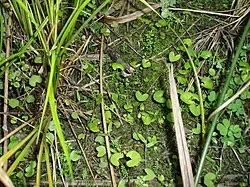
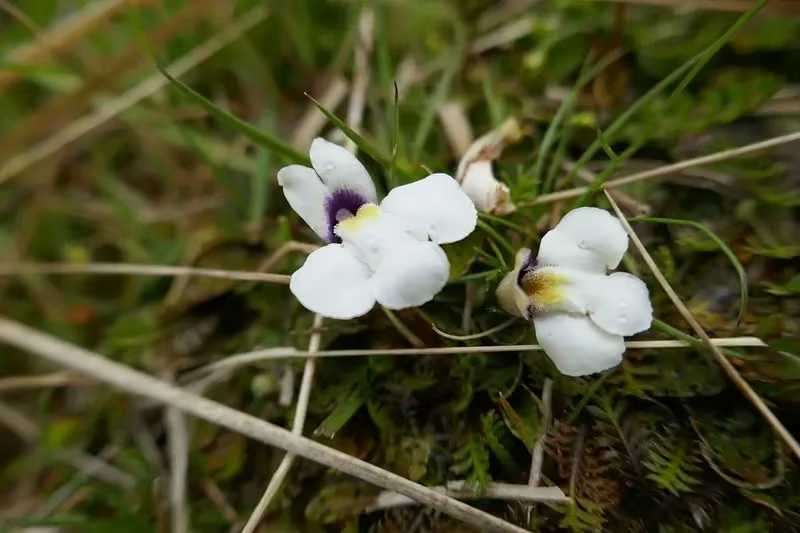
Lyall's Native Violet (Viola lyallii), known to Māori as haaka, is a small perennial herb that forms low tufts or spreading mats just 10 to 20 centimetres tall. Native to both the North and South Islands, it grows in damp, open places such as wetland margins, stream banks and seepages from the coast to subalpine zones. Its bright green, heart-shaped leaves set off delicate white flowers etched with fine purple veins, which appear from late spring into summer. Gardeners plant it as a moisture-loving ground cover for cool, shaded spots. Explore more native ground covers in our native plant guide.
Plant Description
Identification and Physical Characteristics
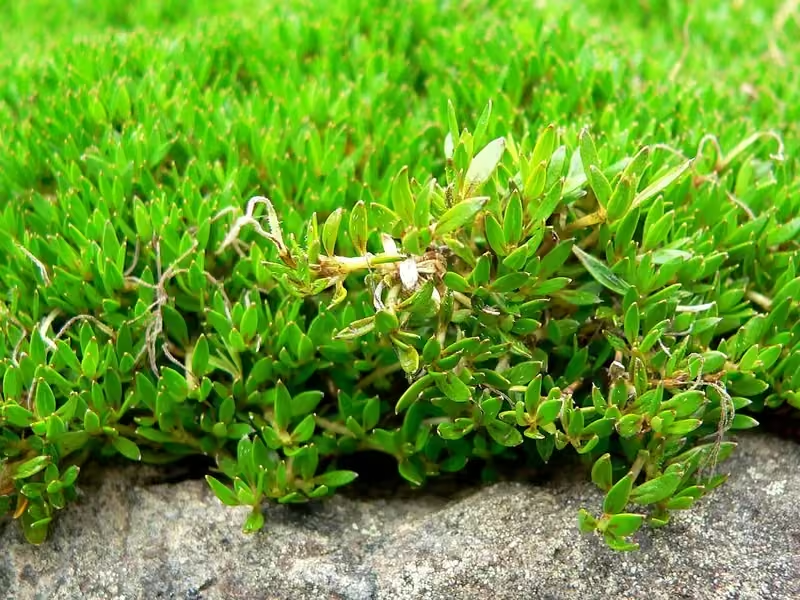
Viola lyallii , also known as haaka or the Lyall's Native Violet, is a charming perennial herb that forms low-growing tufts or spreading mats. Unlike many common garden violets, this New Zealand native is perfectly adapted to the temperate and montane environments of both the North and South Islands. It features bright green, heart-shaped or broadly ovate leaves that are often slightly glossy and have finely crenate margins. The plant's most distinctive feature is its flowers, which appear from late spring into summer. These delicate blooms are typically white, beautifully etched with fine purple veins that converge toward a pale yellow or purple throat. The flowers sit atop slender stalks, nodding gracefully above the foliage.
Quick Facts
| Scientific Name | Viola lyallii |
|---|---|
| Height | 10-20 cm |
| Spread | 20-40 cm (creeping) |
| Water Needs | High; requires consistent moisture |
| Light | Partial shade to full sun (cool roots) |
| Frost Tolerance | High |
| Salt Tolerance | Medium (coastal varieties) |
| Growth Rate | Moderate |
| Lifespan | Perennial |
Climate Best Suited to
Lyall's Native Violet thrives in temperate to cool climates. It is particularly well-suited to regions with reliable rainfall and humidity. While it can tolerate warmer temperatures in the North Island, it performs best when its roots remain cool and moist. It is highly frost-hardy and can withstand significant winter chills, making it an excellent choice for southern gardens or higher altitude landscapes.
Regional Suitability
| City | Climate Suitability |
|---|---|
| Auckland | Medium |
| Wellington | High |
| Christchurch | High |
| Dunedin | High |
| Invercargill | High |
Plant Habitat
Natural Occurrence and Ecology
In the wild, Viola lyallii is commonly found in damp, open habitats. It is a frequent inhabitant of wetland margins, stream banks, and seepages from coastal areas up to subalpine zones. It often grows in association with native sedges and mosses, where the ground remains consistently moist throughout the year. Its distribution is widespread throughout New Zealand, reflecting its adaptability to various altitudes and moisture levels.
Growing Requirements
Soil Requirements
Prefers rich, organic soil that retains moisture well. It can tolerate heavy soils if they do not become stagnant.
- Rich in organic matter
- Moisture-retentive
- Loamy or silty
Light Requirements
Best in dappled shade or partial sun. In cooler regions, it can handle full sun if the soil is kept sufficiently wet.
- Dappled shade
- Partial Sun
Water Requirements
Requires high levels of moisture. It is not drought-tolerant and will decline rapidly if allowed to dry out completely.
- Consistent moisture
- Regular watering
Planting and Establishing
Establishment Guidance
When planting Lyall's Native Violet, choose a location that mimics its natural damp environment. Incorporate plenty of well-rotted compost or leaf mould into the planting hole to improve soil structure and moisture retention. Space plants approximately 20-30 cm apart to allow them to spread and form a continuous mat. Water thoroughly immediately after planting and maintain a strict watering schedule during the first growing season to ensure successful establishment. Mulching with fine organic material can help keep the root zone cool.
Ecological Role
Biodiversity and Ecosystem Impact
Ecologically, Viola lyallii provides important ground cover in wetland and riparian zones, helping to stabilize soil and maintain humidity at the ground level. Its flowers attract small native pollinators, including bees and hoverflies. As a part of New Zealand's native herbfield communities, it contributes to the overall biodiversity of damp ecosystems, providing niche habitats for various invertebrates.
Uses & Significance
Garden Uses
In the garden, this violet is perfect for bog gardens, pond margins, or as an underplanting for taller native shrubs in shaded borders. Its delicate flowers provide a soft, naturalistic aesthetic.
- Bog gardens
- Pond margins
- Shaded ground cover
Ecological Value
It is a valuable species for restoration projects in wetland areas, where it can quickly establish and provide functional ground cover.
- Wetland restoration
- Pollinator support
- Soil stabilization
Landscaping Uses
Landscapers utilize Viola lyallii for its ability to fill damp, shaded voids where other ground covers might struggle. It is effective in woodland-style gardens or along paved paths where the overflow from irrigation keeps the soil damp. Its subtle beauty is best appreciated when planted in large drifts.
Seasonal Care Calendar
Spring
Apply a light dressing of compost. This is the best time for planting or dividing existing clumps as new growth begins.
- Divide clumps
- Mulch lightly
Summer
Peak flowering time. Monitor soil moisture closely; daily watering may be required during dry spells to prevent wilting.
- Maintain watering
- Deadhead for neatness
Autumn
Collect mature seeds if propagation is desired. Ensure the area is kept clear of heavy leaf litter from deciduous trees.
- Seed collection
- Remove debris
Winter
The plant is dormant and very hardy. No specific protection is needed, though avoiding waterlogged, stagnant conditions is beneficial.
- Minimal care
- Check drainage
When to Prune and How Much
Pruning is generally not required for this low-growing herb.
- Remove yellowing leaves
- Trim to contain spread
If the mat becomes too dense or begins to grow over paths, it can be easily trimmed back with garden shears in early spring.
How to Grow Lyall's Native Violet
Successfully growing Lyall's Native Violet ( Viola lyallii ) requires a focus on providing constant moisture and a cool root run. This species is naturally adapted to the humid, damp environments of New Zealand's wetlands and forests, and replicating these conditions is the key to a healthy garden specimen. Unlike the more common exotic pansies or violets, Lyall's Native Violet is a true perennial that will reward the gardener with years of delicate blooms if its basic needs are met.
The primary method of propagation for most home gardeners is through division. Because the plant has a creeping habit and often produces new plantlets along its short runners, it is very easy to multiply. The best time to perform division is in early spring, just as the first signs of new growth appear. Carefully lift a healthy clump with a garden fork, ensuring you retain as much of the root system as possible. You can then gently pull the clump apart into smaller sections, each with its own set of roots and leaves. Replant these sections immediately into prepared, moist soil and keep them well-watered until they show signs of new establishment.
From Seed
Propagation from seed is also possible and is a great way to produce larger quantities of plants for restoration work. The seeds are contained in small capsules that burst when ripe, so careful monitoring is required to collect them before they are dispersed.
Sow seeds into a high-quality, seed-raising mix that has been pre-moistened. The seeds should be barely covered with a fine layer of grit or vermiculite. They often benefit from a period of cold stratification, which can be achieved by placing the sown trays in a refrigerator for 4-6 weeks before moving them to a warmer spot for germination.
- Collect capsules just as they begin to brown.
- Sow on the surface of moist mix.
- Provide consistent humidity.
Germination can be slow and irregular, so patience is necessary. Once the seedlings have two sets of true leaves, they can be pricked out into individual pots.
From Cuttings
While division is more common, small vegetative cuttings can also be taken from the creeping stems. These should be placed in a very moist, shaded environment until roots have formed.
- Select a vigorous runner.
- Place in a sandy, moist medium.
- Keep under a mist or plastic cover.
Pests & Diseases
Lyall's Native Violet is relatively trouble-free but can be susceptible to slugs and snails, which enjoy the damp, shaded environments the plant prefers. Regular monitoring and physical removal or the use of pet-friendly baits can keep these at bay. In very humid conditions with poor air circulation, some powdery mildew may appear on the leaves; this can usually be managed by improving airflow around the plants.
Cultural Significance
The Lyall's Native Violet, known as haaka, holds a quiet place in New Zealand's botanical heritage. While not as prominently used in traditional Māori herbalism as some larger trees, it is recognized as a beautiful component of the 'ngahere' (forest) floor. Its name honours David Lyall, a surgeon and naturalist who made significant contributions to the botanical exploration of New Zealand in the mid-19th century.
- Traditional recognition as haaka
- Historical botanical legacy
- Endemic botanical heritage
Bonus Tip
For an extra lush appearance, plant Lyall's Native Violet among native mosses. The moss will help maintain the high humidity and constant moisture levels that the violet loves, while the white flowers will provide a stunning contrast against the deep green mossy carpet.
Related Plants
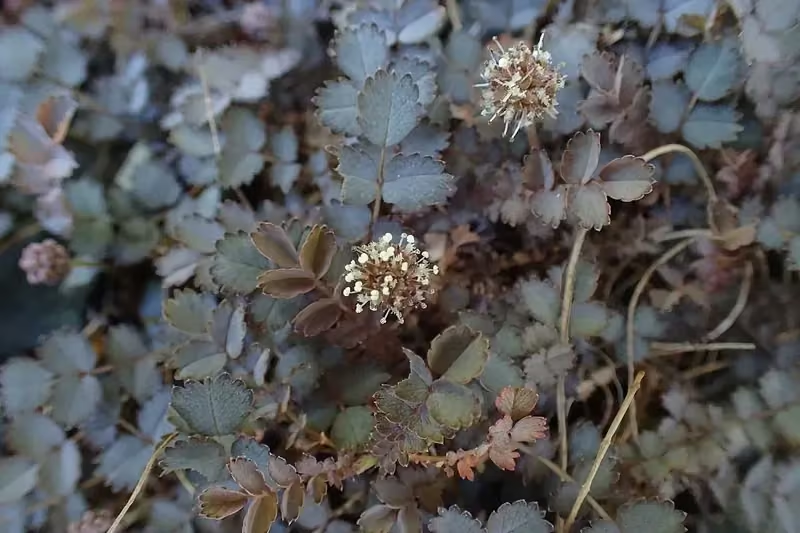
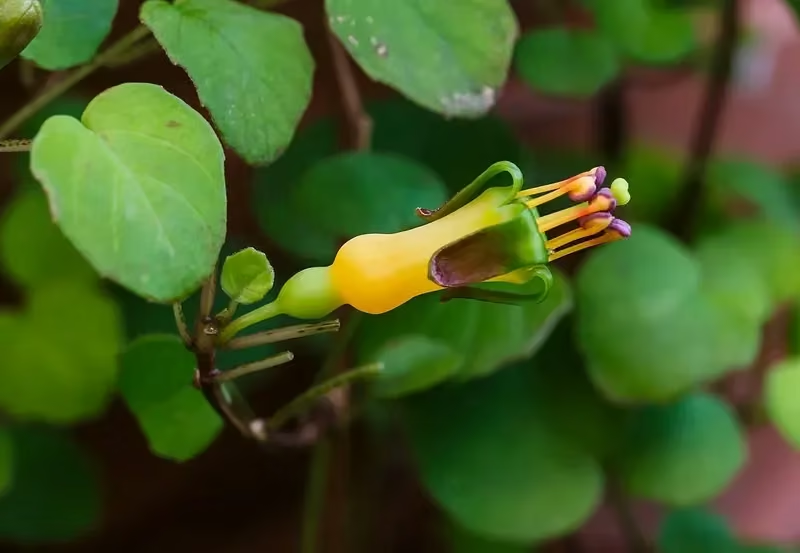
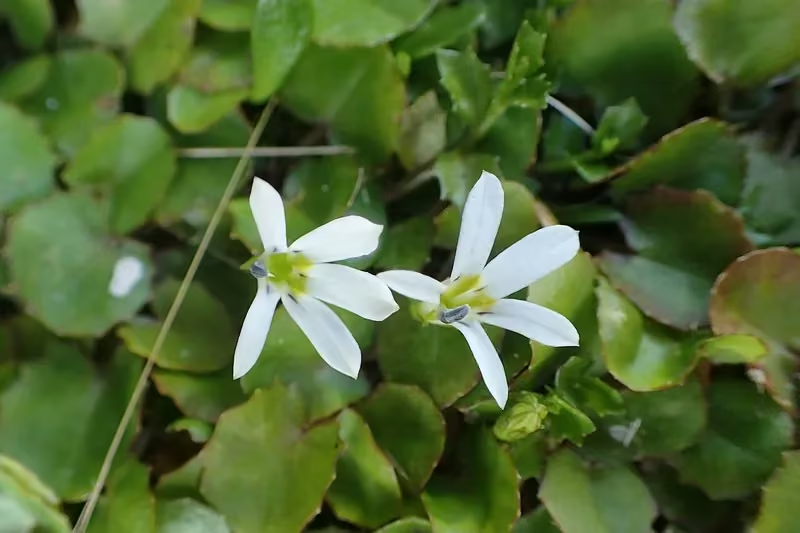
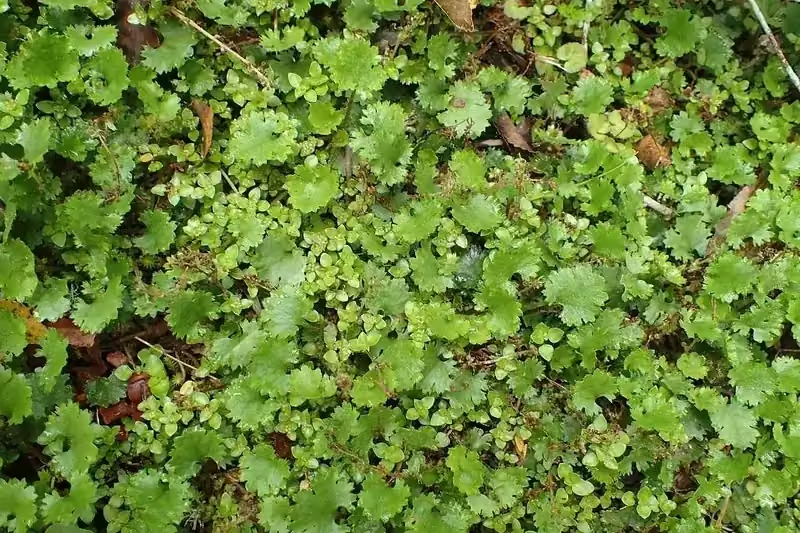
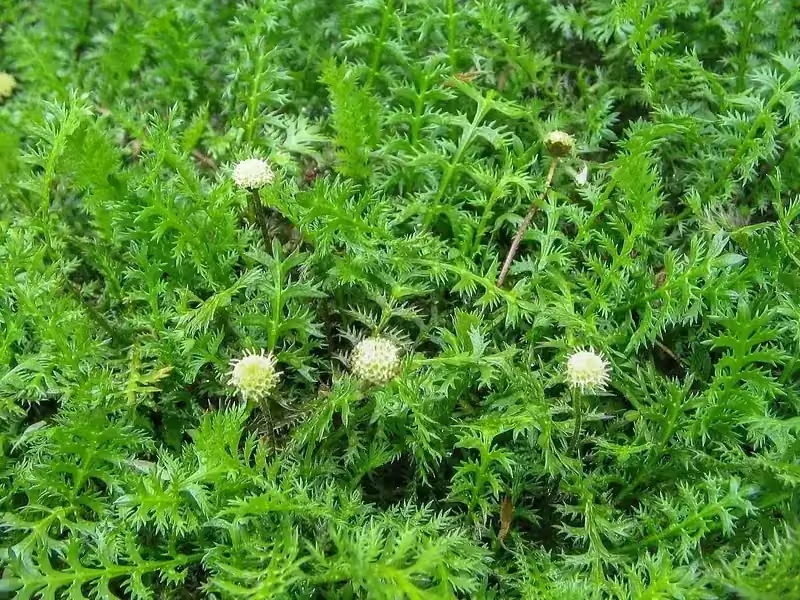
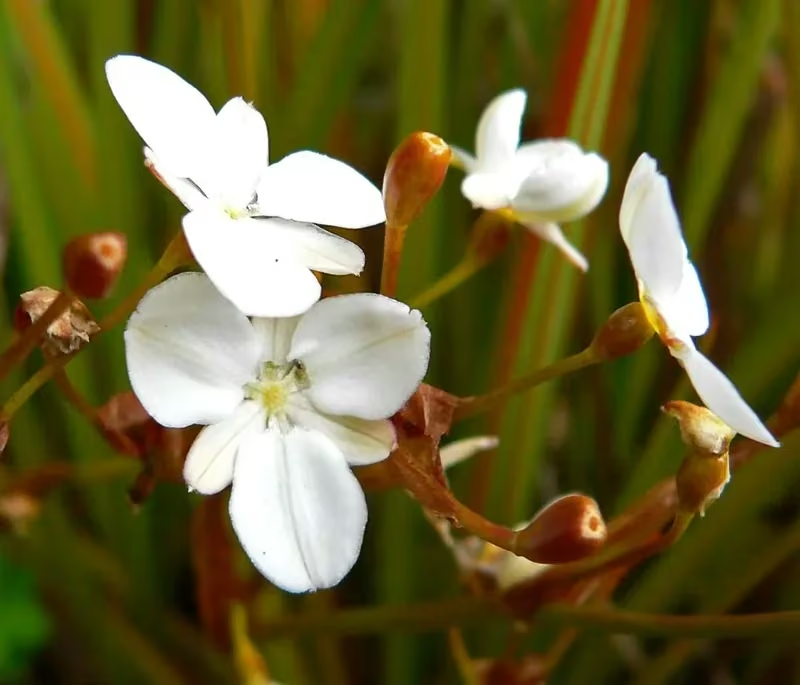
Explore other native plants that share similar characteristics or habitats with Lyall's Native Violet ( Viola lyallii ), offering further insights into New Zealand's diverse flora. These related species provide context and opportunities for complementary planting in your garden.
Plant Conservation
Conservation Status and Threats
Currently classified as 'Not Threatened', Lyall's Native Violet remains widespread and relatively common in its preferred habitats. However, like many wetland species, its future security is dependent on the continued protection and maintenance of New Zealand's freshwater ecosystems and the control of invasive weeds that can outcompete small native herbs.
Frequently Asked Questions
How tall does Lyall's Native Violet grow?
It is a low-growing herb, typically reaching only 10 to 20 centimetres in height and spreading 20 to 40 centimetres as a creeping mat.
Does Lyall's Native Violet tolerate frost?
Yes, it is highly frost-hardy and well suited to cool temperate and montane climates across New Zealand.
Where does Lyall's Native Violet grow naturally?
It grows in damp, open habitats such as wetland margins, stream banks and seepages, from coastal areas up to subalpine zones on both main islands.
What conditions does Lyall's Native Violet need in the garden?
It needs consistent moisture and cool roots, thriving in partial shade to full sun in reliably damp soil.
Sources and Further Reading
The botanical, growing, and conservation details for Lyall's Native Violet (Viola lyallii) on this page draw on authoritative New Zealand plant references and citizen-science observation records. Consult the sources below for full technical records and the latest distribution data.