Narrow-Leaved Sundew
Drosera stenopetala
Last updated:
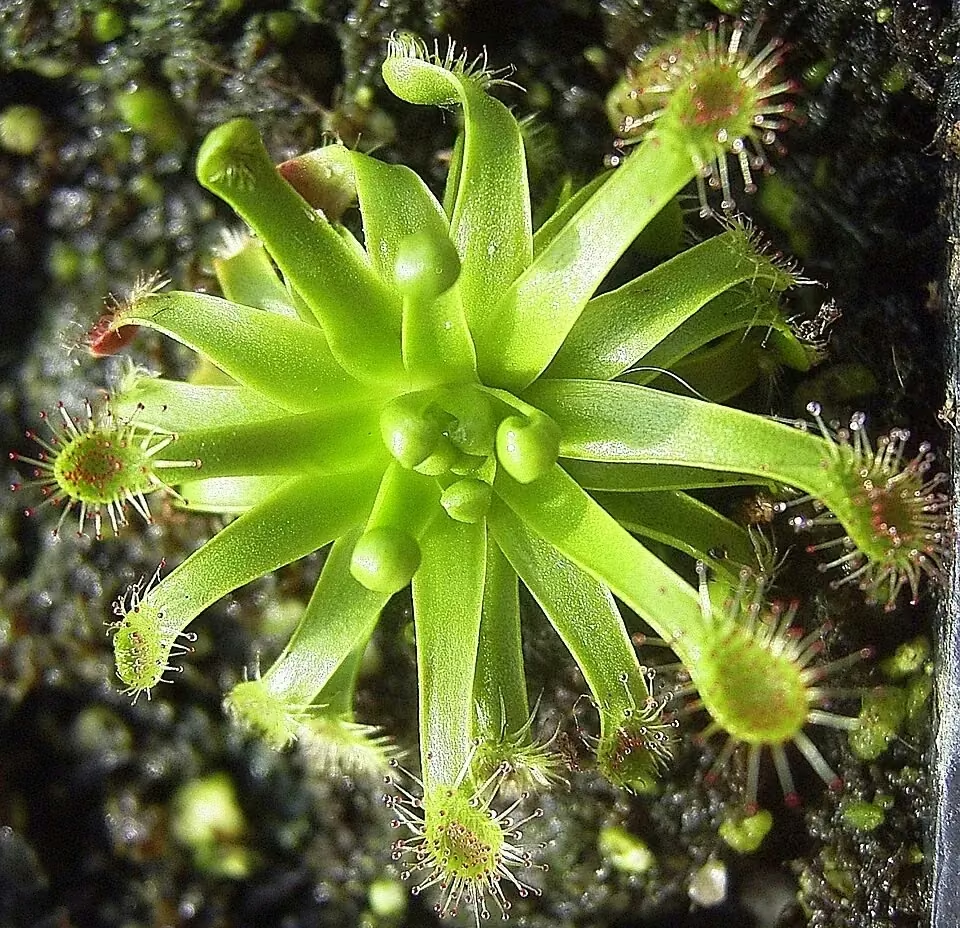
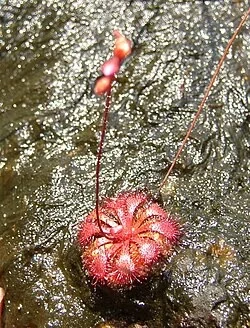
Narrow-Leaved Sundew (Drosera stenopetala) is New Zealand's only endemic sundew species, a rosette-forming carnivorous perennial of montane to alpine bogs. Growing from an underground rhizome, it shows striking seasonal change: it emerges in spring as a flat rosette of short, broad-stalked leaves, then produces more erect leaves with narrow stalks up to 80 mm long, each topped by a rounded, spoon-shaped blade densely covered in sticky glandular hairs. Flower stalks rise 10 to 20 cm high. Highly frost tolerant and slow-growing, it lives for many years in permanently saturated, acidic bogs, tarns and stream margins throughout New Zealand's mountain ranges. Explore more New Zealand alpine plants in our native plant guide.
Plant Description
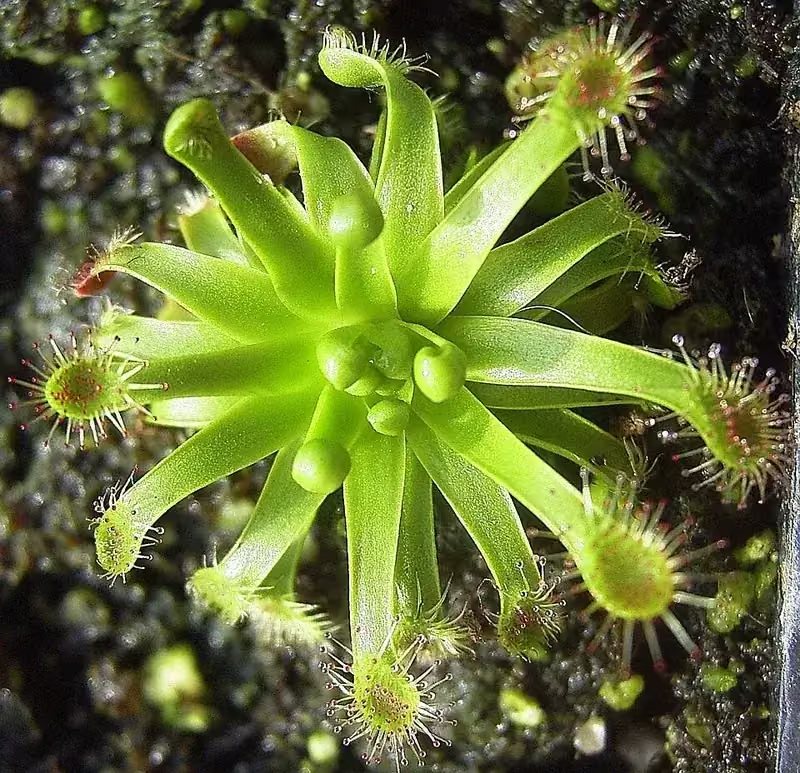
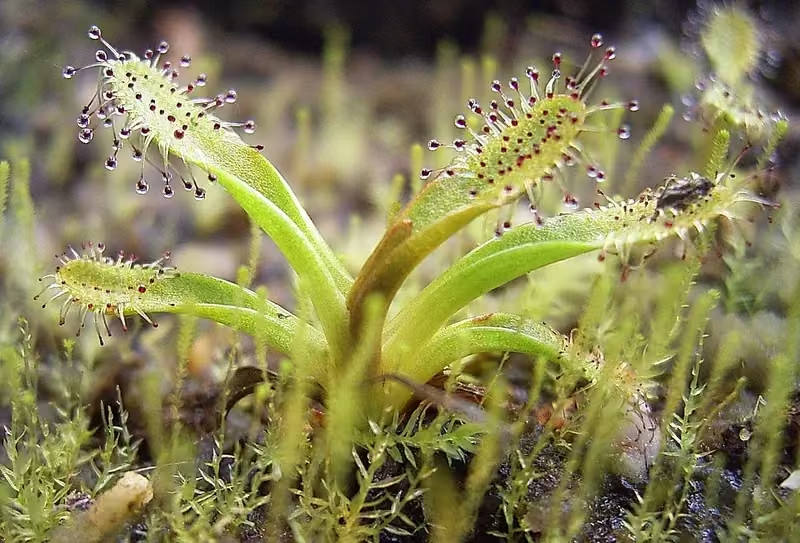
Drosera stenopetala , the Narrow-Leaved Sundew, is an endemic New Zealand carnivorous plant and the only sundew species unique to this country. This insectivorous, rosette-forming perennial is a sub-alpine or alpine herb that grows from an underground rhizome. The plant displays remarkable seasonal variation in leaf shape, emerging in spring as a flattened rosette of 10 or so short leaves with broad leaf stalks. As the season progresses toward flowering, it produces much more erect leaves with narrow, hairless leaf stalks up to 80 mm long, topped with rounded spoon-shaped leaves 15 mm long, densely covered in long glandular hairs. These glistening hairs secrete a thick, gluey substance called mucilage that traps and digests insects. The plant is winter-dormant, retreating underground as temperatures drop, and is found from the Ruahine and Tararua Ranges in the north down through the Southern Alps to Stewart Island, as well as on the Auckland and Campbell Islands.
Quick Facts
| Scientific Name | Drosera stenopetala |
|---|---|
| Height | 5-8 cm (leaves), 10-20 cm (flower stalk) |
| Spread | 5-10 cm |
| Water Needs | High - constantly moist to wet |
| Light | Full sun to partial shade |
| Frost Tolerance | High - tolerates freezing conditions |
| Salt Tolerance | Low |
| Growth Rate | Slow |
| Lifespan | Perennial (5-10+ years) |
Climate Best Suited to
Drosera stenopetala is adapted to cold, wet environments and thrives in alpine to sub-alpine conditions throughout New Zealand. It requires cool temperatures year-round and can withstand freezing conditions during winter dormancy. The plant naturally occurs from montane to alpine elevations but can grow at sea level in colder southern regions. It requires high humidity and consistent moisture, making it challenging to cultivate in warmer, drier climates. Success in cultivation requires replicating its natural habitat conditions, including cold winter dormancy periods.
Regional Suitability
| City | Climate Suitability |
|---|---|
| Auckland | Low |
| Wellington | Medium |
| Christchurch | Medium |
| Dunedin | High |
| Queenstown | High |
Plant Habitat
Drosera stenopetala is naturally found in montane to sub-alpine peat bogs, tarns, pools, and slow-flowing stream margins throughout New Zealand's mountain ranges. It is a wetland obligate, thriving in permanently saturated, acidic soils with pH levels typically between 4.0 and 6.0. The plant occurs patchily in cold environments such as montane to alpine bogs, seepages, or wet rock faces, from elevations of 600 meters up to 2000 meters, though it can occur at sea level in the colder, southerly parts of its range. These habitats are characterized by nutrient-poor conditions, which is why the plant has evolved carnivory to supplement its mineral nutrition. The species forms part of specialized bog communities alongside other adapted plants like cushion plants, alpine grasses, and moss species, contributing to these unique and fragile ecosystems.
Growing Requirements
Soil Requirements
Requires acidic, nutrient-poor substrate mimicking natural bog conditions. Use a mix of sphagnum peat moss and coarse sand or perlite in a 1:1 ratio. Never use standard potting mix or fertilizers.
- Sphagnum peat moss
- Coarse sand or perlite
- pH 4.0-6.0
- No fertilizers ever
Light Requirements
Prefers full sun to develop best coloration and dew production, but benefits from some shade during hot summer afternoons. In cultivation, provide bright light year-round.
- Full sun in cool climates
- Partial shade in hot summers
- Strong artificial light acceptable
Water Requirements
Must be kept constantly wet using only rainwater, distilled, or reverse osmosis water. Use the tray method, keeping pots standing in 1-2 cm of water during growing season.
- Rainwater or distilled water only
- Tray method recommended
- Never let dry out
- Reduce water slightly in dormancy
Planting and Establishing
Establishing Drosera stenopetala requires careful attention to its specialized needs. Plant in containers rather than garden beds to maintain proper moisture and soil conditions. Use plastic or glazed ceramic pots with drainage holes, placed in water trays. Fill pots with the recommended peat and sand mixture, pre-moistened with pure water. When planting, handle the delicate roots carefully and avoid disturbing the rhizome. Place plants at the same depth they were previously growing. After planting, maintain consistent moisture levels and provide appropriate light conditions. New plants may take several weeks to establish and begin producing dew on their leaves. During establishment, protect from extreme temperatures and ensure high humidity levels. This species is extremely difficult to cultivate successfully and is best attempted by experienced carnivorous plant growers who can provide the specific conditions it requires.
Ecological Role
Drosera stenopetala plays a unique ecological role in New Zealand's alpine and sub-alpine ecosystems as one of the few carnivorous plants adapted to these harsh environments. By capturing and digesting small insects, it helps control populations of flies, gnats, and other small invertebrates in bog habitats. The plant's carnivory allows it to thrive in nutrient-poor soils where other plants struggle, contributing to the biodiversity of specialized bog communities. Its flowers provide nectar for small alpine pollinators, while the seeds offer food for tiny invertebrates. The presence of sundews indicates healthy, undisturbed wetland habitats with good water quality. As an endemic species, it represents an important component of New Zealand's unique evolutionary heritage, demonstrating adaptation to local conditions over millions of years. The plant also serves as an indicator species for monitoring climate change impacts on alpine ecosystems.
Uses & Significance
Garden Uses
Primarily grown as a specialist collection plant by carnivorous plant enthusiasts and botanical gardens. Best suited for bog gardens, specialized containers, or terrariums where conditions can be carefully controlled.
- Specialist carnivorous plant collections
- Bog garden features
- Educational displays
- Conservation collections
Ecological Value
Provides natural insect control in bog habitats and supports specialized pollinator communities. Important for maintaining biodiversity in alpine wetland ecosystems.
- Natural insect control
- Pollinator support
- Wetland indicator species
- Endemic biodiversity value
Landscaping Uses
Due to its highly specialized requirements and extreme difficulty in cultivation, Drosera stenopetala has limited landscaping applications outside of specialist settings. It is best suited for dedicated bog gardens or carnivorous plant displays where exact conditions can be maintained. In appropriate settings, it can be combined with other New Zealand alpine plants to create authentic habitat displays. The plant works well in educational gardens demonstrating plant adaptations and New Zealand's unique flora. For most gardeners, it is better to appreciate this species in its natural habitat or in botanical garden displays rather than attempting cultivation. Those determined to grow it should gain experience with easier carnivorous plants first and be prepared for the challenges of maintaining appropriate year-round conditions including winter dormancy requirements.
Seasonal Care Calendar
Spring
Plants emerge from dormancy as temperatures rise. Resume normal watering levels and watch for new leaf growth. This is the beginning of active growth.
- Increase water levels
- Monitor for new growth
- Provide full sun
Summer
Peak growing and flowering season. Maintain high moisture levels and provide some afternoon shade in hot climates. Watch for white flowers on tall stalks.
- Keep constantly wet
- Provide afternoon shade if needed
- Allow flowering
Autumn
Growth slows as plants prepare for dormancy. Gradually reduce water levels but never allow to dry completely. Leaves will begin to die back.
- Reduce watering slightly
- Remove dead leaves
- Prepare for dormancy
Winter
Plants are dormant underground. Keep soil just moist but not waterlogged. Provide cold conditions essential for breaking dormancy in spring.
- Minimal watering
- Cold stratification required
- Protect from extreme freezing
When to Prune and How Much
Drosera stenopetala requires minimal pruning. Remove only dead or dying leaves to prevent fungal issues. Never trim healthy carnivorous leaves as they are essential for the plant's nutrition.
- Remove dead leaves in autumn
- Cut spent flower stalks after seed collection
- Never trim healthy leaves
- Use sterile tools to prevent disease
Dead leaf removal should be done carefully to avoid disturbing the rhizome or emerging growth points. During the growing season, gently remove any leaves that have turned brown or black, as these can harbor pathogens in the humid conditions the plant requires. Flower stalks can be removed after flowering unless seeds are desired. If collecting seeds, allow the capsules to ripen and dry before harvesting. Always use clean, sharp scissors or tweezers to minimize damage to the plant. Remember that the sticky leaves are delicate and easily damaged, so work carefully around active growth.
How to Grow Narrow-Leaved Sundew
Cultivating Narrow-Leaved Sundew ( Drosera stenopetala ) is a rewarding endeavor for any gardener interested in New Zealand's unique flora. This species can be propagated through several methods, each requiring specific conditions to ensure healthy growth and establishment. Successful propagation depends on mimicking the plant's natural environment and providing consistent care during the early stages of development.
From Seed
Propagation from seed is often the most effective way to produce a large number of Narrow-Leaved Sundew plants. Seeds should be collected when they are fully mature. Freshly collected seeds generally have higher germination rates than those that have been stored for long periods.
Seeds require 8 weeks of cold stratification at near-freezing temperatures to break dormancy. Sow on the surface of moist peat and sand mixture.
- Mix seeds with moist sand in a sealed bag
- Refrigerate for 8 weeks at 2-4°C
- Sow on surface of growing medium
- Keep in bright light and high humidity
- Germination occurs in 2-6 weeks after stratification
Maintain seedlings in consistently moist conditions with pure water only. Young plants are extremely delicate and slow-growing.
From Cuttings
For those wishing to replicate specific characteristics of a parent plant, vegetative propagation via cuttings is the preferred method. This technique ensures that the new plants are genetically identical to the source. Semi-hardwood cuttings taken during the appropriate season usually yield the best results for this species.
Leaf cuttings can be taken during active growth, though success rates are lower than with seeds.
- Select healthy mature leaves
- Cut leaves at the base including petiole
- Lay flat on moist sphagnum moss
- Cover with plastic to maintain humidity
- New plantlets may form in 4-8 weeks
Additional Methods
Depending on the growth habit of Narrow-Leaved Sundew, other methods such as division or layering might also be viable options. Division is particularly suitable for plants that form dense clumps or have spreading root systems, while layering can be used for species with trailing or flexible stems.
Division of established clumps can be done in early spring as plants emerge from dormancy.
- Carefully lift dormant rhizomes
- Separate into sections with growing points
- Replant immediately in appropriate medium
- Keep moist and cool until new growth appears
Pests & Diseases
Drosera stenopetala is generally resistant to most pests due to its carnivorous nature, but can be susceptible to fungal diseases in cultivation. The main threat is gray mold (Botrytis) which can develop in overly humid conditions with poor air circulation. Aphids occasionally attack flower stalks but rarely affect the carnivorous leaves. Fungus gnats may breed in the constantly moist soil but ironically become food for the plant. Root rot can occur if drainage is poor or if plants are kept too wet during dormancy. Prevention through proper cultural conditions is the best approach: ensure good air circulation, avoid overhead watering, and maintain appropriate seasonal moisture levels. If fungal issues arise, improve ventilation immediately and remove affected parts. Chemical treatments should be avoided as sundews are sensitive to most pesticides and fungicides.
Cultural Significance
While Drosera stenopetala does not have documented traditional uses in Māori culture like some other native plants, it holds significance as New Zealand's only endemic sundew species, representing a unique part of the country's natural heritage. The plant has captured the imagination of botanists and nature enthusiasts since its discovery, with its carnivorous nature challenging conventional ideas about plant nutrition. In modern times, it has become important for scientific research into plant evolution, adaptation to nutrient-poor environments, and carnivory mechanisms. The species serves as an ambassador for New Zealand's alpine flora in botanical gardens worldwide, though few successfully maintain it long-term due to its challenging requirements. Its presence in the wild indicates pristine alpine wetland habitats, making it valuable for conservation monitoring and ecosystem health assessment.
- Scientific research subject
- Conservation indicator species
- Educational value for plant adaptations
- Symbol of New Zealand's unique biodiversity
Bonus Tip
Never feed your sundew with fertilizer or dead insects - let it catch its own prey naturally. If growing indoors, the plant may benefit from occasional feeding with tiny live insects like fruit flies, but this is not essential if the plant receives adequate light. The key to success with this challenging species is patience and maintaining stable conditions year-round, including the critical cold dormancy period that many growers overlook.
Related Plants
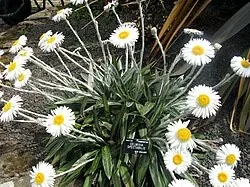
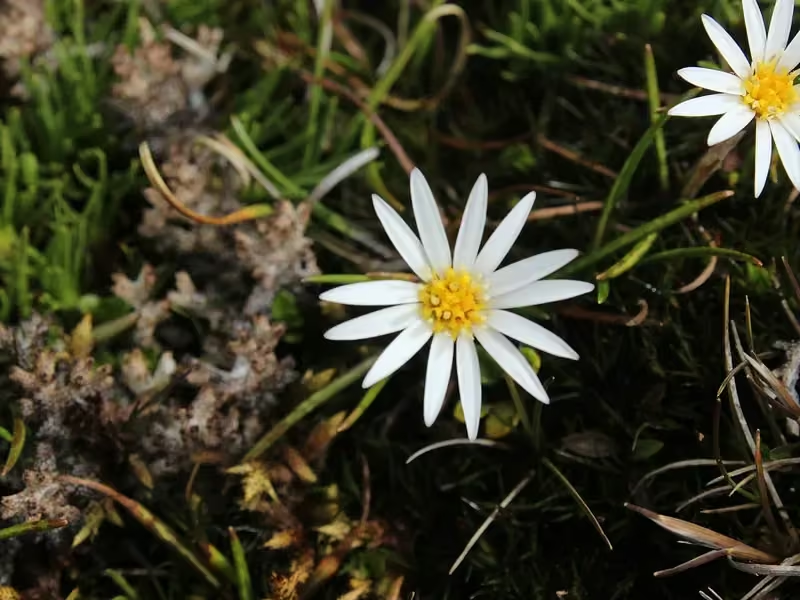
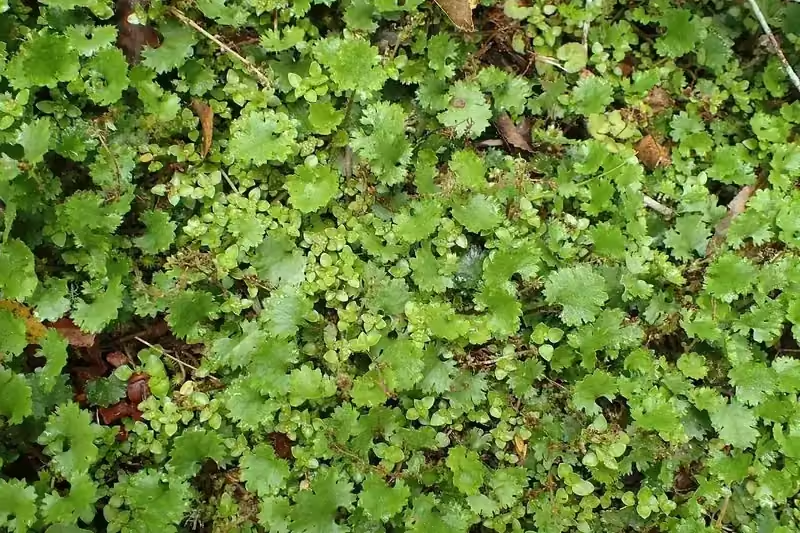
Explore other native plants that share similar characteristics or habitats with Narrow-Leaved Sundew ( Drosera stenopetala ), offering further insights into New Zealand's diverse flora. These related species provide context and opportunities for complementary planting in your garden. For another flowering native plant, explore Star Cudweed.
Plant Conservation
Drosera stenopetala is currently classified as "Not Threatened" according to the New Zealand Threat Classification System, most recently assessed in 2023. This stable conservation status reflects the species' wide distribution across New Zealand's mountain ranges from the Ruahine and Tararua Ranges to Stewart Island, as well as the subantarctic Auckland and Campbell Islands. Despite its secure status, the species faces potential long-term threats from climate change, which could alter the alpine and sub-alpine habitats it depends upon. Wetland drainage and modification, though less common in alpine areas, remain concerns in some locations. The plant's specialized habitat requirements make it vulnerable to environmental changes, and populations should be monitored as indicator species for ecosystem health. Conservation efforts focus on protecting alpine wetland habitats and preventing the introduction of invasive species that could alter bog ecosystems. For cultivation purposes, plants should never be collected from the wild; seeds or plants should only be obtained from reputable cultivated sources.
Frequently Asked Questions
Is Drosera stenopetala endemic to New Zealand?
Yes, Drosera stenopetala is the only sundew species endemic to New Zealand.
Does Narrow-Leaved Sundew tolerate frost?
It is highly frost tolerant and withstands freezing conditions during winter dormancy.
Where does Drosera stenopetala grow naturally?
It grows in montane to subalpine peat bogs, tarns and stream margins throughout New Zealand's mountains.
How big does Narrow-Leaved Sundew get?
It is slow-growing, with leaves 5 to 8 cm long and flower stalks reaching 10 to 20 cm.
Sources and Further Reading
The botanical, growing, and conservation details for Narrow-Leaved Sundew (Drosera stenopetala) on this page draw on authoritative New Zealand plant references and citizen-science observation records. Consult the sources below for full technical records and the latest distribution data.