Cranwell's Sponge Seaweed
Codium cranwelliae
Last updated:
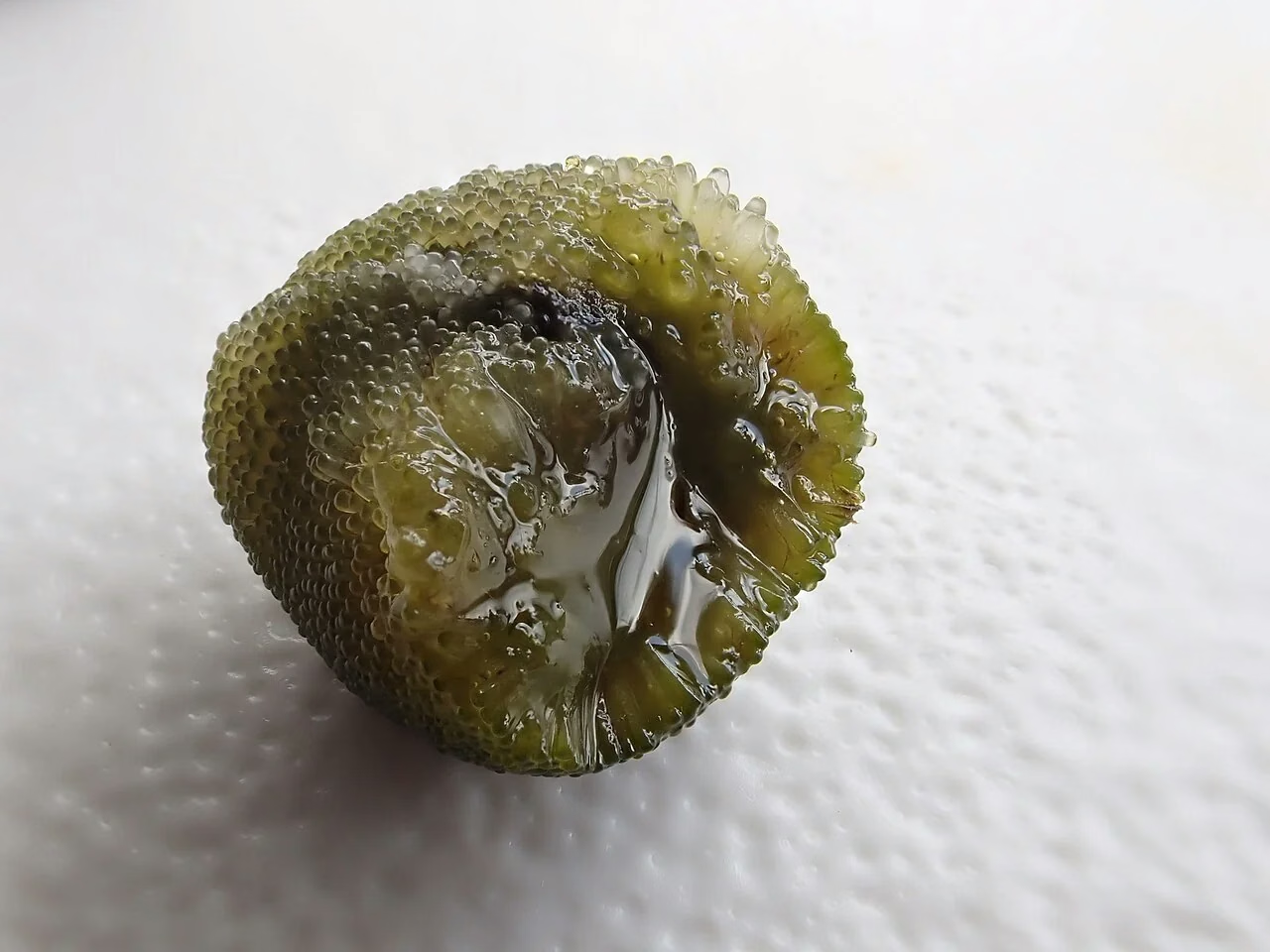
Codium cranwelliae is a macroscopic green alga native to New Zealand, recognised by its distinctive spongy or felt-like texture. It forms compact, cushion-like mounds or irregularly lobed masses of dark green to olive green, ranging from a few centimetres up to more than 20 cm in diameter. The thallus is built from a complex network of interwoven filaments that give it its characteristic spongy feel, and unlike many seaweeds it lacks a holdfast, attaching directly by the base of its body. It grows on rocks, shells and other hard surfaces in the intertidal and shallow subtidal zones of sheltered and semi-exposed coasts, in rock pools and on reef platforms. Its distribution is patchy but widespread around the New Zealand coast. Explore more coastal native plants in our native plant guide.
Plant Description
Identification and Physical Characteristics
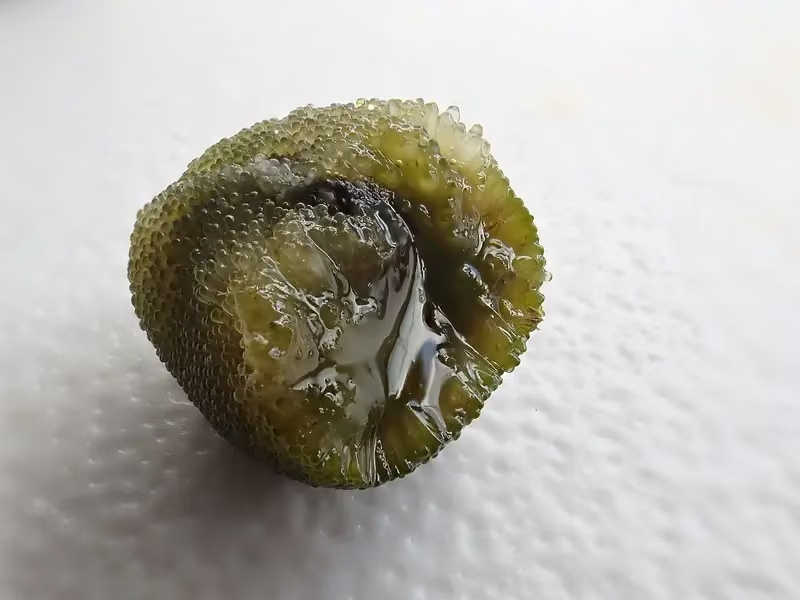
Codium cranwelliae is a macroscopic green alga that forms a thallus (body) with a distinctive spongy or felt-like texture Discover more about native ferns. It typically grows as compact, cushion-like mounds or irregularly lobed masses, ranging from a few centimeters to over 20 cm in diameter. The colour is usually a dark green to olive green. The thallus is composed of a complex network of interwoven filaments (utricles) that give it its characteristic spongy feel. Unlike many other seaweeds, it lacks a holdfast, attaching itself to hard surfaces directly by the base of its thallus.
Quick Facts
| Scientific Name | Codium cranwelliae |
|---|---|
| Height | Forms cushions up to 20 cm diameter |
| Spread | Spreading masses |
| Water Needs | Marine environment |
| Light | Full sun to partial shade (underwater) |
| Frost Tolerance | Not applicable (marine environment) |
| Salt Tolerance | High |
| Growth Rate | Moderate |
| Lifespan | Perennial (potentially) |
Climate Best Suited to
Codium cranwelliae is well adapted to various New Zealand regions.
Regional Suitability
| City | Climate Suitability |
|---|---|
| Auckland | High |
| Wellington | High |
| Christchurch | Medium |
Plant Habitat
Natural Occurrence and Ecology
Codium cranwelliae is typically found attached to rocks, shells, or other hard substrates in the intertidal and shallow subtidal zones of sheltered and semi-exposed coasts around New Zealand. It often grows in rock pools, on reef platforms, or in areas with moderate currents. Its distribution is patchy but widespread throughout the country.
Growing Requirements
Soil Requirements
Prefers well-draining soil rich in organic matter.
- Well-drained
- Loamy
Light Requirements
Grows best in partial to full sun.
- Full Sun
- Partial Shade
Water Requirements
Requires regular watering during dry periods.
- Regular
- Drought tolerant once established
Planting and Establishing
Establishment Guidance
Plant Codium cranwelliae in a hole twice the width of the root ball.
Proper establishment is key to long-term success. Ensure the planting hole is twice as wide as the root ball and backfill with a mix of native soil and organic compost. Initial watering should be thorough, followed by regular monitoring during the first two growing seasons to ensure the plant becomes well-anchored and resilient to local climate fluctuations.
Ecological Role
Biodiversity and Ecosystem Impact
Provides habitat and food for native fauna.
This species plays a vital role in its local ecosystem, providing essential habitat and food sources for native biodiversity. Its presence supports complex ecological interactions, contributing to the overall health and stability of the environment. By planting this native, you help maintain the intricate web of life that defines New Zealand's unique natural heritage.
Uses & Significance
Garden Uses
Ideal for rock gardens and native borders.
- Rock gardens
- Ground cover
Ecological Value
Supports local pollinators.
- Birds
- Insects
The versatility of this plant makes it a valuable addition to many New Zealand gardens. Beyond its aesthetic appeal, it offers practical benefits such as soil stabilization and shelter for smaller plants. Its historical and modern uses highlight its enduring importance in both traditional practices and contemporary landscape design, making it a thoughtful choice for any restoration or gardening project.
Landscaping Uses
Adds texture and form to modern landscapes.
In a landscape setting, this plant provides excellent structure and year-round interest. Its unique form and foliage can be used to create focal points or as a cohesive element in a larger native planting scheme. It pairs well with other New Zealand natives, allowing for the creation of diverse and resilient garden environments that reflect the natural beauty of Aotearoa.
Seasonal Care Calendar
Spring
Mulch and apply balanced fertilizer.
- Fertilize
- Mulch
Summer
Water deeply during dry spells.
- Water
- Check for pests
Autumn
Tidy up any dead foliage.
- Prune lightly
- Plant new specimens
Winter
Protect from heavy frosts if necessary.
- Frost protection
When to Prune and How Much
Minimal pruning required to maintain shape.
- Remove dead branches
Always use clean, sharp tools.
Regular maintenance through careful pruning ensures the plant remains healthy and maintains its desired shape. Focus on removing dead or diseased wood to promote better air circulation and prevent the spread of pathogens. Proper pruning techniques help the plant direct its energy toward new growth, resulting in a more robust and aesthetically pleasing specimen in your garden.
How to Grow Cranwell's Sponge Seaweed
Cultivating Codium cranwelliae ( Codium cranwelliae ) is a rewarding endeavor for any gardener interested in New Zealand's unique flora. This species can be propagated through several methods, each requiring specific conditions to ensure healthy growth and establishment. Successful propagation depends on mimicking the plant's natural environment and providing consistent care during the early stages of development.
From Seed
Propagation from seed is often the most effective way to produce a large number of Codium Cranwelliae plants. Seeds should be collected when they are fully mature. Freshly collected seeds generally have higher germination rates than those that have been stored for long periods.
Sow fresh seeds in a seed-raising mix.
- Collect seeds
- Sow in trays
Keep moist until germination.
From Cuttings
For those wishing to replicate specific characteristics of a parent plant, vegetative propagation via cuttings is the preferred method. This technique ensures that the new plants are genetically identical to the source. Semi-hardwood cuttings taken during the appropriate season usually yield the best results for this species.
Take semi-hardwood cuttings in late summer.
- Take cuttings
- Use rooting hormone
Additional Methods
Depending on the growth habit of Codium cranwelliae , other methods such as division or layering might also be viable options. Division is particularly suitable for plants that form dense clumps or have spreading root systems, while layering can be used for species with trailing or flexible stems.
Division can be done in early spring.
- Divide clumps
- Replant immediately
Pests & Diseases
Generally resistant to major pests.
While generally resilient, maintaining optimal growing conditions is the best defense against pests and diseases. Regular monitoring allows for early detection of any issues, which can often be managed through cultural practices or organic interventions. Ensuring good air circulation and appropriate watering will significantly reduce the plant's susceptibility to common environmental stresses and pathogens.
Cultural Significance
As an endemic component of New Zealand's marine flora, Codium cranwelliae contributes to the country's unique biodiversity. Its distinctive appearance makes it a recognizable species for coastal naturalists. While specific traditional Māori uses of this particular seaweed may not be widely documented, seaweeds (rimurimu) in general were important resources for Māori, used for food, medicine, and other purposes.
- Traditional medicine
- Crafts
Bonus Tip
Excellent for low-maintenance gardens.
For an extra boost, consider applying a thin layer of high-quality organic mulch around the base of the plant. This helps retain soil moisture, suppresses weeds, and gradually improves soil structure as it breaks down. This simple step can make a significant difference in the plant's overall vigor and resilience, especially during periods of extreme weather.
Related Plants
Explore other native plants that share similar characteristics or habitats with Codium Cranwelliae ( Codium cranwelliae ), offering further insights into New Zealand's diverse flora. These related species provide context and opportunities for complementary planting in your garden.

Broad-Leaved Snow Tussock
Chionochloa flavescens

Mountain Astelia
Astelia graminea
Holloway's Orache
Atriplex hollowayi

Tongariro Moss
Dendroligotrichum tongariroense
Chatham Islands Astelia
Astelia chathamica
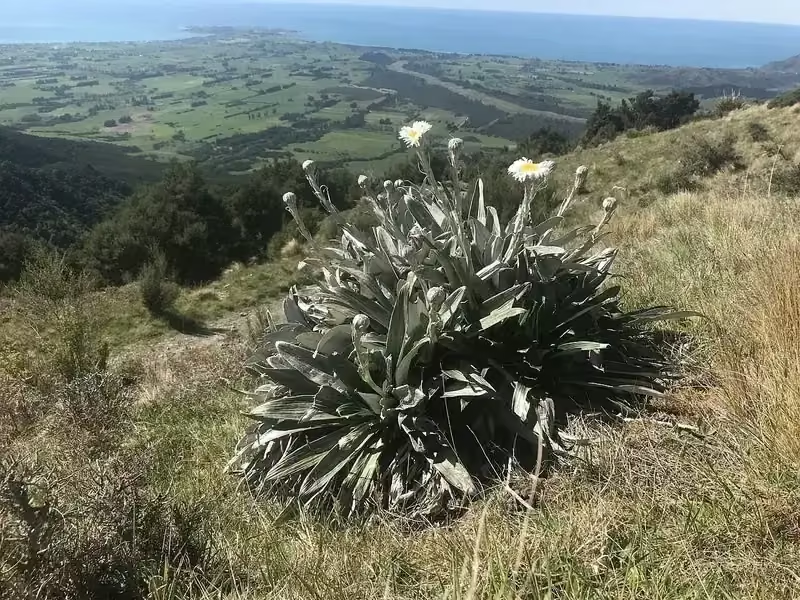
Monro's Mountain Daisy
Celmisia monroi
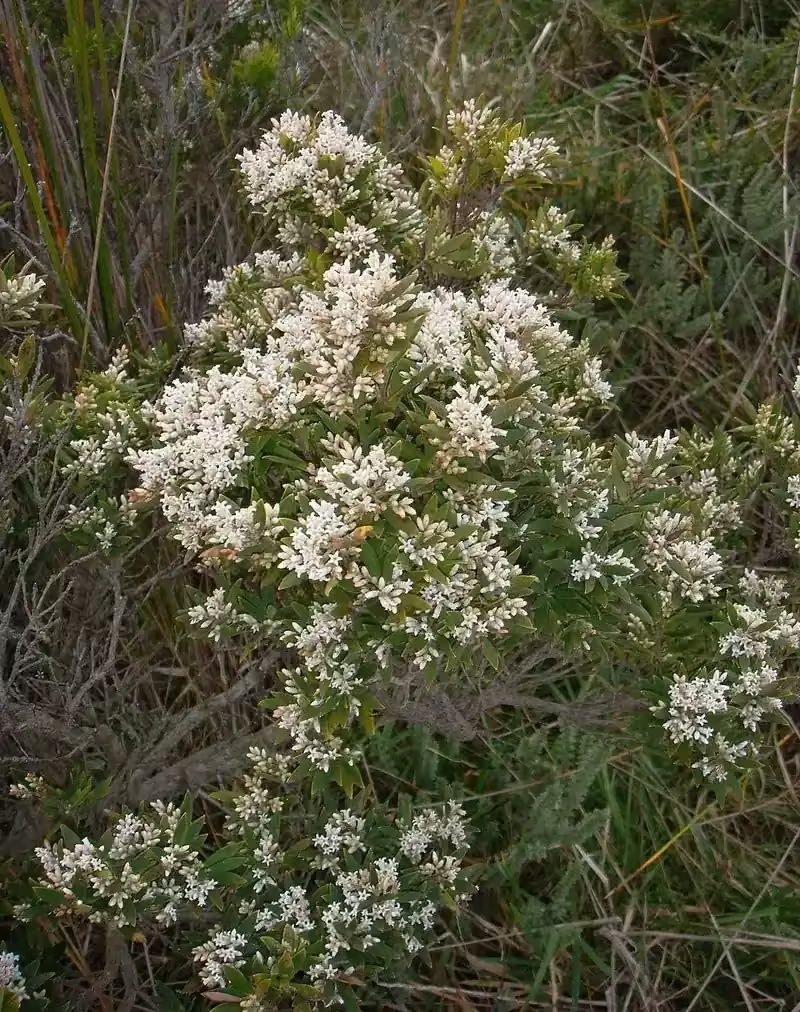
Coast Beard-Heath
Leucopogon parviflorus
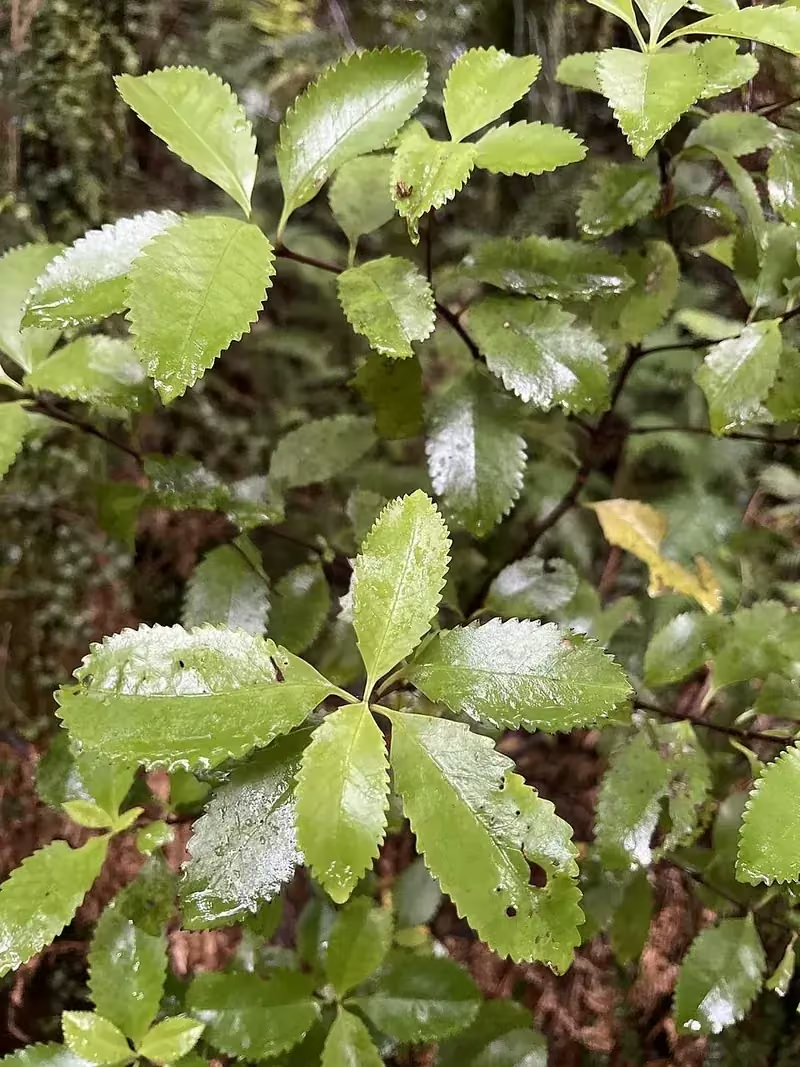
Hutu
Ascarina lucida
Plant Conservation
Conservation Status
Codium cranwelliae is currently classified as "Not Threatened" in New Zealand. While specific data on its population trends is limited, it is considered widespread in suitable habitats. However, like all marine species, it is vulnerable to coastal development, habitat destruction, pollution, and climate change impacts such as ocean warming and acidification. Monitoring of local populations is important.
Frequently Asked Questions
What is Codium cranwelliae?
It is a native New Zealand green seaweed forming spongy, cushion-like dark green masses on rocky coasts.
How big does Codium cranwelliae grow?
It forms cushions up to about 20 cm in diameter, spreading as irregular masses.
Where does Codium cranwelliae grow?
It grows attached to rocks and shells in intertidal and shallow subtidal zones around New Zealand.
Does Codium cranwelliae tolerate salt?
Yes, it is a fully marine alga with high salt tolerance living in seawater.
Sources and Further Reading
The botanical, growing, and conservation details for Cranwell's Sponge Seaweed (Codium cranwelliae) on this page draw on authoritative New Zealand plant references and citizen-science observation records. Consult the sources below for full technical records and the latest distribution data.