Hutu
Ascarina lucida
Last updated:
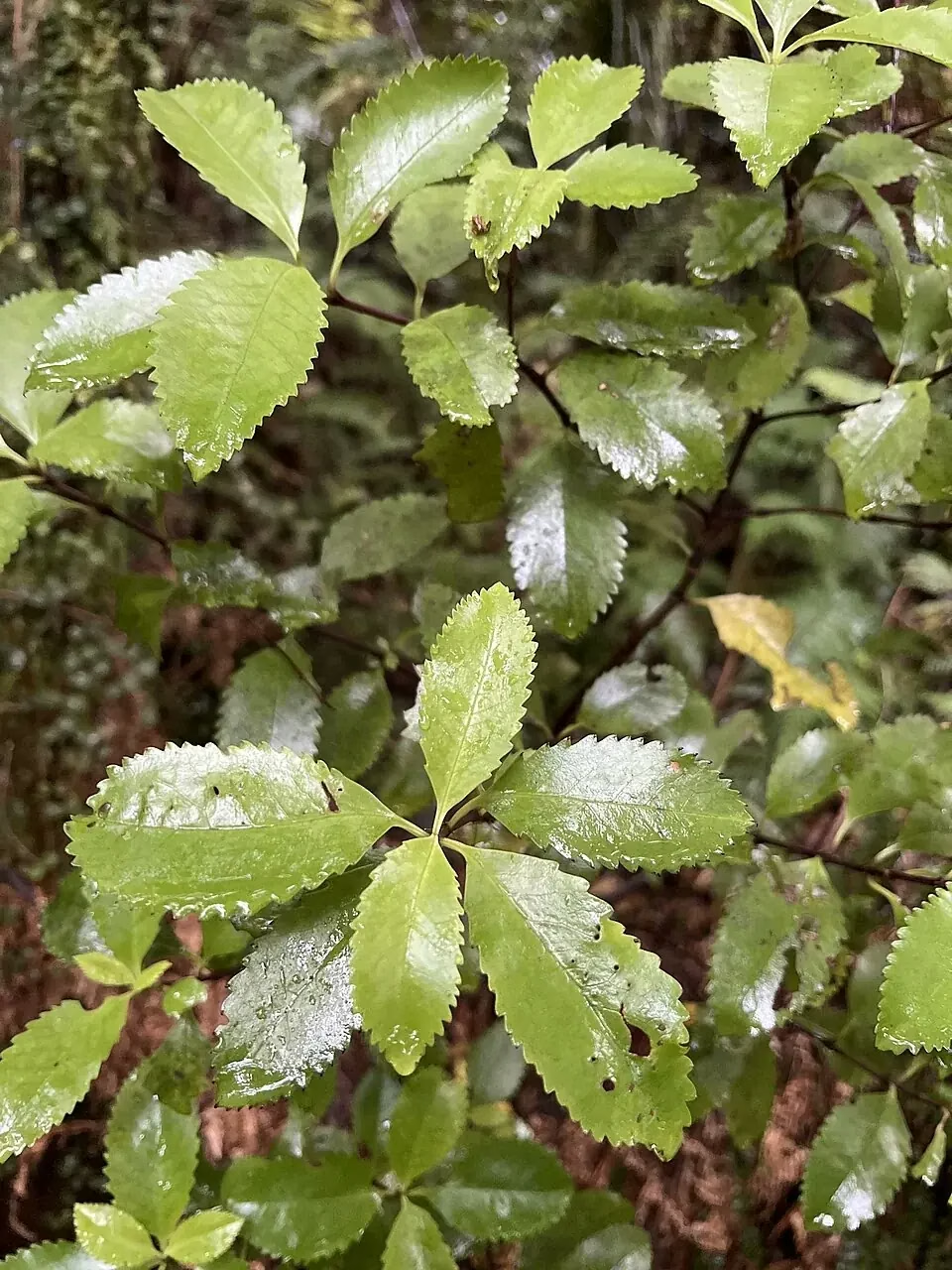
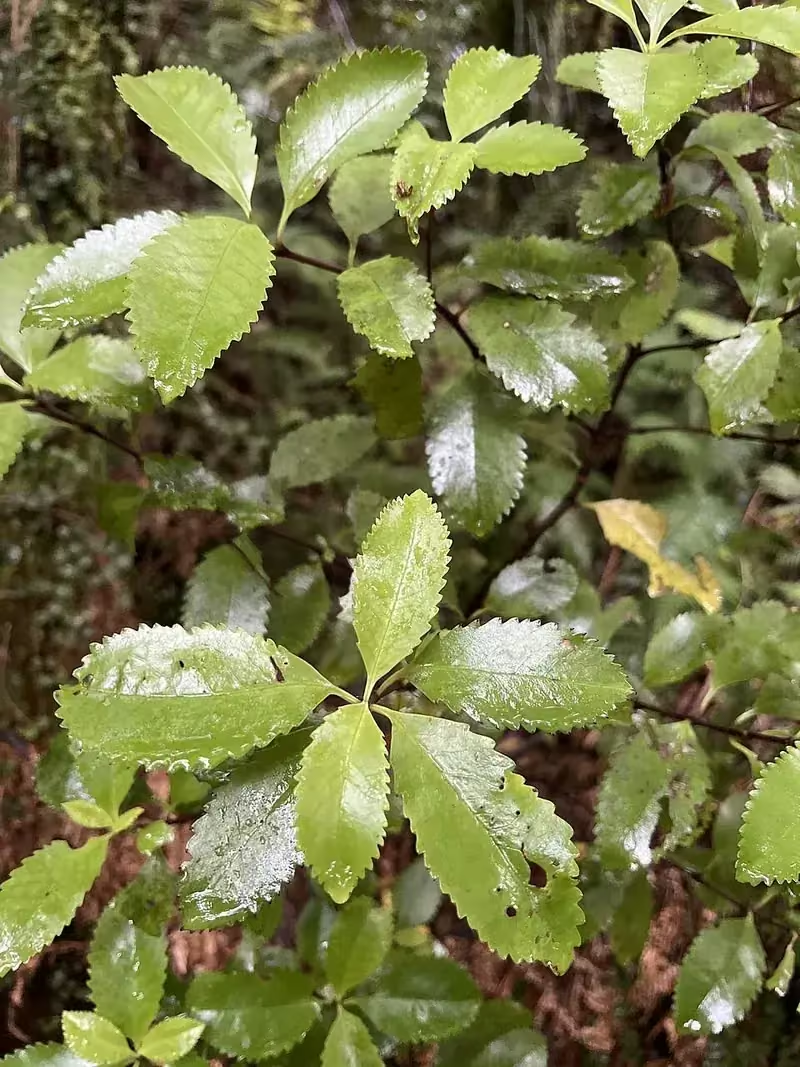
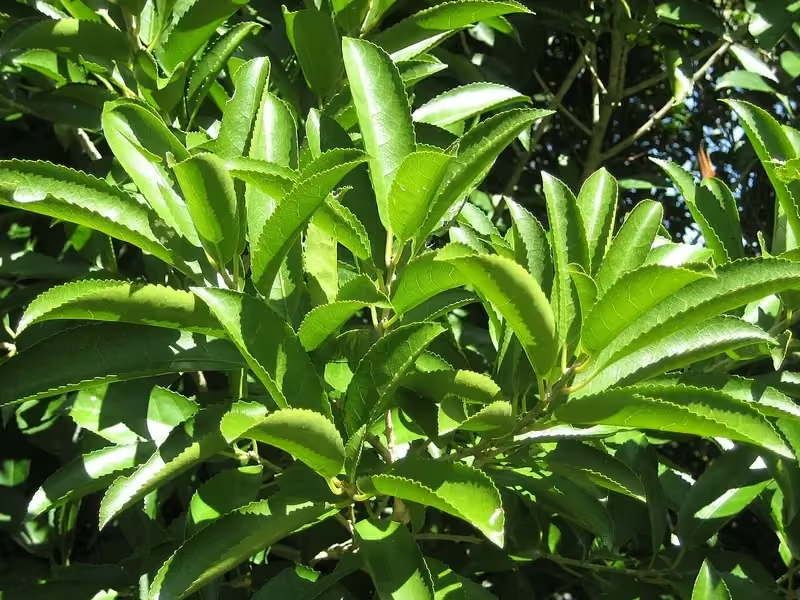
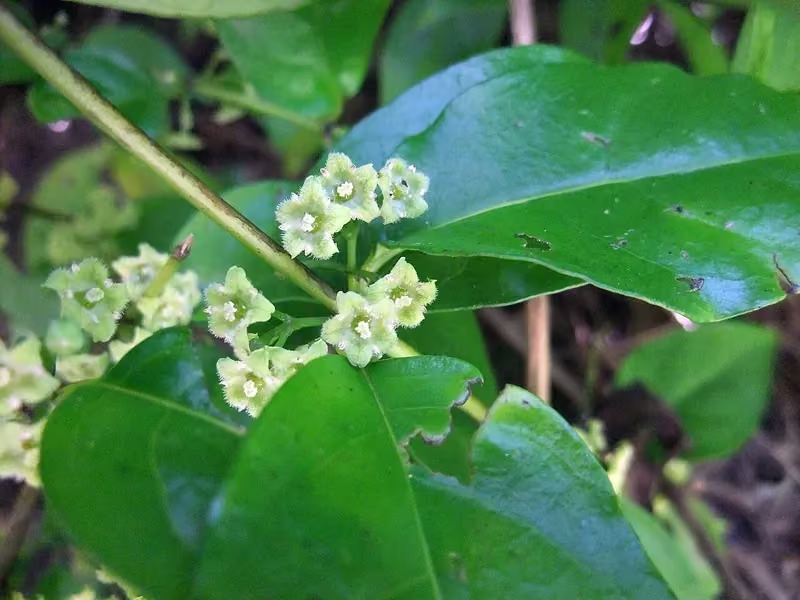
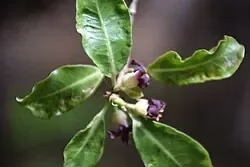
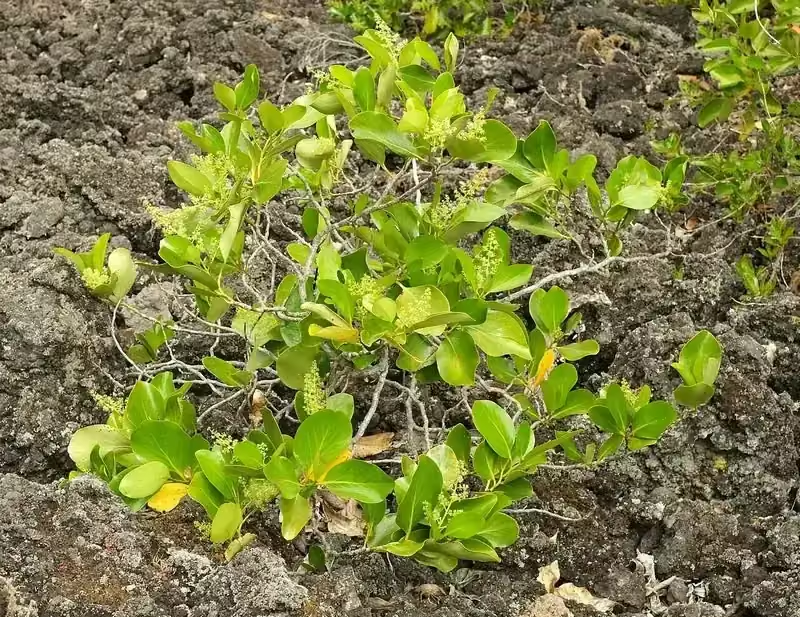
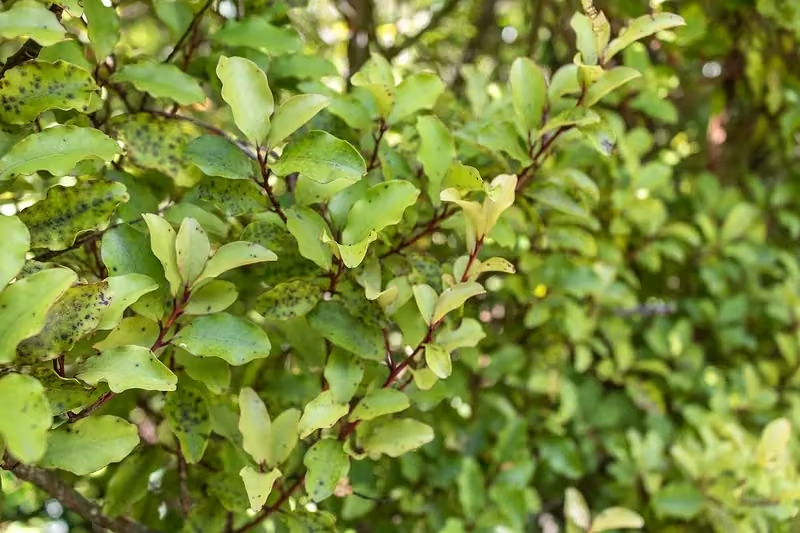
Hutu (Ascarina lucida) is an ancient native New Zealand shrub or small tree, usually 2-8 metres tall and occasionally reaching 10 metres. It is distinguished by exceptionally glossy, yellow-green leathery leaves edged with fine maroon or purple-black serrations, set off by attractive purple-red stems and branchlets. In spring it produces small greenish or red-tinged catkin-like flowers in terminal spikes, followed in late summer and autumn by fleshy white or purple-red drupes. Growing along forest margins, stream banks and clearings in coastal and montane forest, it favours moist, humus-rich, free-draining soils and mild, humid conditions. It is best suited to northern and western regions with high rainfall and shelter from hard frost. Explore more New Zealand alpine plants in our native plant guide.
Plant Description
Identification and Physical Characteristics
Ascarina lucida typically grows to heights between 2 and 8 meters, occasionally reaching 10 meters in favorable conditions. It is characterized by its exceptionally glossy, yellow-green leathery leaves that feature fine maroon or purple-black serrations along the margins. The plant is further distinguished by its attractive purple-red stems and branchlets. During the spring, it produces small greenish or red-tinged catkin-like flowers in terminal spikes. These are followed in late summer and autumn by fleshy, broadly ovoid white or purple-red drupes (berries), which add significant ornamental and ecological value to this ancient and sophisticated native New Zealand species.
Quick Facts
| Scientific Name | Ascarina lucida |
|---|---|
| Height | 2-8 m (up to 10m) |
| Spread | 2-4 m |
| Water Needs | High; prefers moist, well-drained soil |
| Light | Partial shade to filtered light |
| Frost Tolerance | Moderate; needs shelter from hard frost |
| Salt Tolerance | Low to moderate |
| Growth Rate | Moderate |
| Lifespan | Perennial Shrub/Tree |
Climate Best Suited to
Hutu is best adapted to the mild, temperate maritime climates of New Zealand, flourishing in northern and western regions where high rainfall and consistent humidity are available.
Regional Suitability
| City | Climate Suitability |
|---|---|
| Auckland | High |
| Wellington | High |
| Nelson | High |
| Christchurch | Low |
Plant Habitat
Natural Occurrence and Ecology
In its natural environment, Hutu is primarily found in the specialized ecosystems of coastal and montane forests throughout New Zealand. It has evolved to occupy niches along forest margins, stream banks, and in forest clearings where light is dappled but humidity is high. It prefers moist, free-draining, and humus-rich soils that are characteristic of stable forest understories. This species is often a pioneering member of early successional communities, particularly on the West Coast of the South Island, highlighting its adaptation to high-rainfall environments where it can colonize disturbed sites and contribute to the natural regeneration of our unique native temperate rainforests.
Growing Requirements
Soil Requirements
Prefers moist, well-draining soil rich in organic humus.
- Well-drained
- High organic content
Light Requirements
Grows best in partial shade to filtered sun; avoid direct midday light.
- Partial Shade
- Filtered Light
Water Requirements
Requires regular watering; soil must not be allowed to dry out completely.
- Regular
- Moisture-loving
Planting and Establishing
Establishment Guidance
To successfully establish Ascarina lucida , choose a position that is sheltered from strong, drying winds and provides dappled sunlight. Dig a hole twice the width of the root ball and enrich the ground with plenty of organic compost or leaf mold before planting. Ensuring the site remains moist and free-draining is critical to prevent root rot or drought stress. Best results are achieved by planting in the cooler months of autumn or spring, allowing the shrub to establish its root system before extreme weather. Applying a thick layer of organic mulch around the base will help conserve the soil moisture this ancient forest species prefers for healthy healthy growth.
Ecological Role
Biodiversity and Ecosystem Impact
Hutu plays a vital role in forest ecosystems as a significant food source for native wildlife. Its fleshy white and purple berries provide abundant nutrition for native birds, particularly the Silvereye (Tauhou), which in turn assists in seed dispersal throughout the forest canopy. By colonizing disturbed margins and forest clearings, it acts as an important nurse plant, creating the sheltered micro-habitats necessary for secondary forest regeneration. Its presence as the sole native representative of an ancient plant family highlights its unique evolutionary importance and contributes to the overall structural diversity and resilience of New Zealand's diverse lowland and montane forest communities.
Uses & Significance
Garden Uses
In a garden setting, Ascarina lucida is a beautiful choice for native borders, riparian plantings, or as a graceful specimen tree. Its glossy foliage and attractive purple-red stems provide high ornamental value year-round. Due to its bushy habit, it can be used as an effective background screen or as part of a soft, naturalistic understory planting in partially shaded areas. It is highly valued by native plant enthusiasts wishing to create authentic forest displays that showcase the lush and sophisticated beauty of New Zealand's unique shrub species, offering both aesthetic rewards and a connection to our botanical heritage.
- Specimen tree
- Riparian planting
- Background screen
Ecological Value
Beyond its ornamental appeal, this species is important for supporting local forest biodiversity. It provides a micro-habitat for specialized fauna and supports native bird populations with its seasonal berry display. Historically, branches of the Hutu were utilized in traditional Māori ceremonies, particularly rituals performed after childbirth to remove tapu and impart strength to newborns. This deep spiritual connection highlights the plant's significant cultural heritage as a respected resource within the historical and ongoing cultural tapestry of Aotearoa's native forest lore.
- Bird attractant
- Traditional ceremonial use
Landscaping Uses
Modern landscaping can utilize Ascarina lucida to create naturalistic understory layers in specialized native or contemporary designs. Its architectural foliage and graceful habit make it a perfect softening element for the edges of forest paths or as a lush focal point in a cool, shaded courtyard garden. Designers often use it to add a sense of permanence and regional identity to a project, where its upright form and unique berries can be highlighted. Its ability to maintain a neat habit while providing year-round structural interest makes it a reliable and decorative performer for high-impact native landscaping projects in cooler, sheltered regions.
Seasonal Care Calendar
Spring
As new growth resumes, ensure the soil remains consistently moist. This is the optimal time for light maintenance pruning to remove any winter damage and to apply a light dressing of organic compost around the base to support new growth.
- Monitor growth
- Spring fertilizing
Summer
Enjoy the small catkin-like flowers. Provide regular deep watering during prolonged dry spells to maintain the lushness of the foliage and prevent leaf scorch. Ensure the plant remains sheltered from strong, drying summer winds.
- Deep watering
- Shelter from wind
Autumn
The fleshy drupes will mature and attract native birds. Tidy up the area by removing any large fallen leaves that might smother smaller neighboring plants. Ensure the site remains sharply drained as the weather becomes wetter and cooler.
- Berry enjoyment
- Check drainage
Winter
Naturally quite hardy but sensitive to severe frosts. Minimal intervention is needed during the dormant winter months; simply ensure the area stays free of heavy organic debris that could trap stagnant moisture around the base.
- Frost protection
- Clear debris
When to Prune and How Much
Ascarina lucida requires very little pruning to stay healthy. Maintenance is primarily limited to removing any dead, diseased, or winter-damaged branches in early spring before the new growth commences. To maintain a bushier habit, light tip-pruning can be done after the fruiting season has finished. Thinning out dense areas can also improve air circulation and reduce the potential for fungal issues in humid conditions. Always use sharp, sterilized tools to ensure clean cuts and to minimize the risk of introducing infection to the central trunk of this ancient and specialized native ornamental shrub.
- Remove dead wood
- Maintenance thinning
Always use clean, sharp tools.
How to Grow Hutu
Cultivating Hutu ( Ascarina lucida ) is a rewarding endeavor for any gardener interested in New Zealand's unique forest flora. This resilient species is best grown from fresh seed, which is the most reliable method for producing new plants. Replicating its natural well-drained, organic-rich and humid forest margin habitat is the most critical factor for ensuring long-term success and maintaining its healthy, glossy foliage in a garden setting.
From Seed
Propagation from seed is highly successful using fresh material collected in late autumn. For the best germination rates, clean the fleshy pulp from the mature drupes and sow the seeds immediately onto the surface of a moist, well-drained, organic-rich seed-raising mix. They require bright, indirect light and cool temperatures to sprout effectively. Germination can be slow and erratic, so patience is required. Keep the medium consistently moist but never waterlogged during the germination phase, and ensure there is good air circulation to prevent any fungal issues with the young and delicate native seedlings as they develop.
Sow fresh seeds in an organic mix.
- Collect mature drupes
- Clean pulp from seeds
Keep moist until germination occurs.
From Cuttings
Vegetative propagation via semi-hardwood cuttings is possible and is best performed in late spring or early summer. Select healthy, semi-ripe stems and place them in a moist, well-draining potting medium. Using a rooting hormone and providing a humid environment can significantly improve the success rate for this species. Keep the cuttings in a cool, bright spot out of direct sunlight until signs of new growth are observed, indicating that they have successfully established their own root systems and are ready for potting on before being moved to their permanent permanent garden positions.
Cuttings are best taken in late spring.
- Select healthy stems
- Maintain high humidity
Additional Methods
Ensuring the right growing environment is often more critical than complex propagation techniques for this species. It thrives when its roots are kept cool and moist within an organic substrate, making it perfect for woodland gardens or sheltered native borders. Avoid areas subject to intense midday heat or prolonged drought, which can cause the glossy foliage to decline and scorch. Once established, the plant is relatively low-maintenance, requiring only regular watering during dry periods and protection from cold winds to maintain its healthy form and vibrant evergreen presence throughout its lifespan.
Once planted, it requires very little intervention.
- Monitor soil moisture
- Mulch with organic matter
Pests & Diseases
This species is remarkably resistant to most common garden pests, though it may occasionally attract scale insects or aphids if grown in overly sheltered or humid spots without good airflow. The primary risk in cultivation is root or crown rot, which occurs if the soil remains stagnant or poorly drained. To prevent this, ensure that the planting site has high organic content but remains sharply drained. Maintaining excellent air circulation and avoiding over-fertilizing are the best ways to ensure the long-term health and resilience of this hardy native forest tree in your native plant collection.
Cultural Significance
Known by the Māori name Hutu, Ascarina lucida holds significant historical and spiritual importance in New Zealand. Traditionally, its branches were utilized in specific ceremonies, such as rituals performed after childbirth to remove tapu and impart strength to the newborn child. This species represents the deep connection between Māori and the native flora, where the unique properties of forest trees were understood and respected within traditional knowledge systems. Today, it stands as a symbol of our botanical heritage, valued by both conservationists and gardeners for its resilience and its links to the ancient forest traditions of Aotearoa.
- Ceremonial heritage
- Ancient botanical lineage
Bonus Tip
To truly showcase the glossy beauty of the Hutu, plant it where its leaves can catch the filtered sunlight. The shimmering effect of the vibrant yellow-green foliage against its dark purple-red stems creates a sophisticated and lush textural accent that brings a touch of ancient New Zealand forest elegance directly into your own shaded garden landscape design.
Related Plants
Explore other native plants that share similar characteristics or habitats with Hutu ( Ascarina lucida ), offering further insights into New Zealand's diverse flora. These related species provide context and opportunities for complementary planting in your garden.


Plant Conservation
Conservation Status
Currently classified as 'Not Threatened' nationally, Ascarina lucida remains a stable and characteristic part of New Zealand's forest biodiversity. However, its populations in some northern regions like Auckland are considered 'Regionally Endangered' due to habitat loss and urban development. Ensuring that natural forest margins and riparian habitats remain protected from excessive human disturbance and the spread of invasive weeds is key to maintaining the healthy populations of Hutu that currently thrive across its natural range on both the North and South Islands.
Frequently Asked Questions
How tall does Hutu grow?
Ascarina lucida usually grows 2-8 metres tall and can occasionally reach up to 10 metres in favourable conditions.
Does Hutu tolerate frost?
It has moderate frost tolerance and needs shelter from hard frost, preferring mild, humid maritime climates.
What conditions does Hutu prefer?
It prefers moist, well-drained, humus-rich soils in partial shade with high humidity and consistent rainfall.
What wildlife does Hutu support?
Its fleshy white and purple-red berries feed native birds, especially the silvereye (tauhou), which disperses its seed.
Sources and Further Reading
The botanical, growing, and conservation details for Hutu (Ascarina lucida) on this page draw on authoritative New Zealand plant references and citizen-science observation records. Consult the sources below for full technical records and the latest distribution data.