Gaimardia
Gaimardia setacea
Last updated:
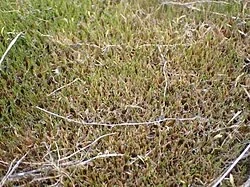
Gaimardia setacea is a tiny, cushion-forming alpine plant that builds compact, moss-like mats only 2 to 8 cm tall but spreading up to 90 cm across. Its erect, wiry stems are packed tightly together and clothed in small, stiff leaves that range from brownish-green to blue-green. An obligate wetland species, it grows in water-saturated peat, sphagnum bogs and wet alpine herbfields, often submerged at the edges of tarns and pools. In New Zealand it is restricted to the South Island and Stewart Island, where the cool, wet, high-rainfall climate suits it. Its minute false flowers appear from November to January. It is classed as Not Threatened. Explore more New Zealand alpine plants in our native plant guide.
Plant Description
Identification and Physical Characteristics
Gaimardia setacea forms compact, moss-like cushions that can spread up to 90 cm across. Its stems are erect and wiry, typically 2-8 cm long, packed tightly together. The leaves are small (5-20 mm), stiff, and arranged in alternate rows, often tipped with tiny hair-like points. The foliage colour ranges from a deep, brownish-green to a blue-green (glaucescent) hue. Unlike many flowering plants, its reproductive structures are minute and inconspicuous pseudanthia (false flowers) hidden among the upper leaves, appearing from November to January.
Quick Facts
| Scientific Name | Gaimardia setacea |
|---|---|
| Height | 2-8 cm |
| Spread | 20-90 cm |
| Water Needs | Very High / Aquatic |
| Light | Full Sun |
| Frost Tolerance | High |
| Salt Tolerance | Low |
| Growth Rate | Slow |
| Lifespan | Perennial |
Climate Best Suited to
This species is adapted to cold, wet, subalpine to alpine climates. It thrives in areas with high rainfall, frequent mist, and cool temperatures year-round. It is restricted to the South Island and Stewart Island, indicating an intolerance for the warmer, drier conditions of the north.
Regional Suitability
| City | Climate Suitability |
|---|---|
| Auckland | Not Suitable |
| Wellington | Not Suitable |
| Christchurch | Challenging (needs bog conditions) |
| Dunedin | Suitable (in specialised habitat) |
| Invercargill | Suitable (in specialised habitat) |
Plant Habitat
Natural Occurrence and Ecology
Gaimardia setacea is an obligate wetland plant, meaning it is almost always found in water-saturated soils. Its primary habitats are sphagnum bogs, peat bogs, and wet alpine herbfields. It often grows submerged or at the water level in tarns and pools, anchoring itself in the peat. On Stewart Island, it descends to lower elevations due to the cooler climate, but in the South Island, it is strictly montane to alpine.
Growing Requirements
Soil Requirements
Strictly requires acidic, wet peat.
- Sphagnum moss or peat base
- Must be permanently saturated
- Acidic pH
- Low nutrient levels
Light Requirements
Needs an open, sunny position.
- Full sun exposure
- Intolerant of shade
- Requires high light levels
Water Requirements
Essentially an aquatic bog plant.
- Constant saturation essential
- Intolerant of drying out
- Rainwater or distilled water only
Planting and Establishing
Establishment Guidance
Note: Gaimardia setacea is notoriously difficult to cultivate and is generally not available in the nursery trade. It requires specialized bog conditions that are hard to replicate in a garden. It should absolutely not be removed from the wild. Conservation of its natural habitat is the only way to ensure its survival.
Ecological Role
Biodiversity and Ecosystem Impact
As a cushion-forming plant in alpine bogs, Gaimardia plays a role in peat formation. Its dense growth habit helps to modify the local hydrology by retaining water and can provide a substrate for other specialized alpine plants to colonize.
Uses & Significance
Garden Uses
Due to its specialized requirements, it has no general garden use.
- Strictly a botanical curiosity
- Not suitable for general cultivation
Ecological Value
Component of sensitive alpine bog ecosystems.
- Peat formation
- Habitat structure in bogs
The versatility of this plant makes it a valuable addition to many New Zealand gardens. Beyond its aesthetic appeal, it offers practical benefits such as soil stabilization and shelter for smaller plants. Its historical and modern uses highlight its enduring importance in both traditional practices and contemporary landscape design, making it a thoughtful choice for any restoration or gardening project.
Landscaping Uses
There are no landscaping uses for this species outside of ecological restoration in specific high-altitude wetland sites. It is an indicator of pristine, undisturbed alpine bog environments.
In a landscape setting, this plant provides excellent structure and year-round interest. Its unique form and foliage can be used to create focal points or as a cohesive element in a larger native planting scheme. It pairs well with other New Zealand natives, allowing for the creation of diverse and resilient garden environments that reflect the natural beauty of Aotearoa.
Seasonal Care Calendar
Spring
Growth resumes with snowmelt.
- Water levels rise
Summer
Flowering period.
- Must remain wet despite heat
Autumn
Seed dispersal via water.
- Prepare for freezing
Winter
Dormancy under snow/ice.
- Plant is often frozen
When to Prune and How Much
No pruning is required or possible for this compact cushion plant. Nature takes its course with the shedding of old leaves into the peat beneath.
Regular maintenance through careful pruning ensures the plant remains healthy and maintains its desired shape. Focus on removing dead or diseased wood to promote better air circulation and prevent the spread of pathogens. Proper pruning techniques help the plant direct its energy toward new growth, resulting in a more robust and aesthetically pleasing specimen in your garden.
How to Grow Gaimardia
Attempting to grow Gaimardia setacea is a task reserved for the most dedicated specialist growers or botanical researchers, as it is exceptionally challenging to maintain outside of its natural alpine bog habitat. Unlike standard garden plants, it does not tolerate soil, tap water, or drying out. Its survival depends on a precise combination of acidity, constant moisture, and cool temperatures.
By Division
In the wild, the plant reproduces by seed which is dispersed by water movement within the bog, and by vegetative spread as the cushions expand. Artificial propagation is rarely attempted and documentation is scarce. Division of established clumps would theoretically be the primary method, but the shock of disturbance and the difficulty of re-establishing the delicate root system in a new environment often leads to failure.
Additional Methods
To have any chance of success, one would need to create an artificial bog environment. This would involve a watertight container or lined pit filled with pure sphagnum peat or live sphagnum moss. The water used must be free of lime and chlorine-rainwater is essential. The setup would need to be kept outdoors in a cool climate, exposed to full sun but protected from excessive heat that would warm the stagnant water and encourage rot. Given these extreme requirements and its "Not Threatened" status in the wild, it is best admired in situ during a hike in the mountains.
Conservation Focus
Rather than cultivation, the focus for this species is conservation of its fragile habitat. Alpine bogs are sensitive to trampling, drainage, and nutrient pollution. Protecting these areas ensures that Gaimardia and its associated species continue to thrive.
Pests & Diseases
In its natural environment, it is relatively free of pests. The main threats are environmental: drought, drainage of bogs, and damage from introduced animals such as deer or pigs wallowing in wetlands.
Cultural Significance
There are no specific recorded Māori uses for Gaimardia setacea . It represents a unique element of the Gondwanan flora, with close relatives in Tasmania and New Guinea, highlighting New Zealand's ancient botanical connections.
- Gondwanan distribution link
- Alpine bog specialist
Bonus Tip
The best way to see this plant is to visit the alpine tarns of the South Island, such as those in Arthur's Pass or Fiordland National Park, where it forms distinct dark patches in the wettest areas.
Related Plants
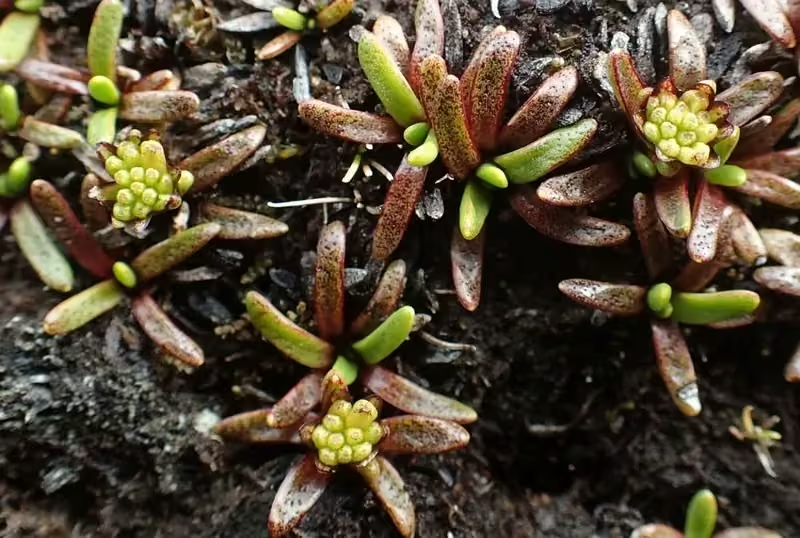
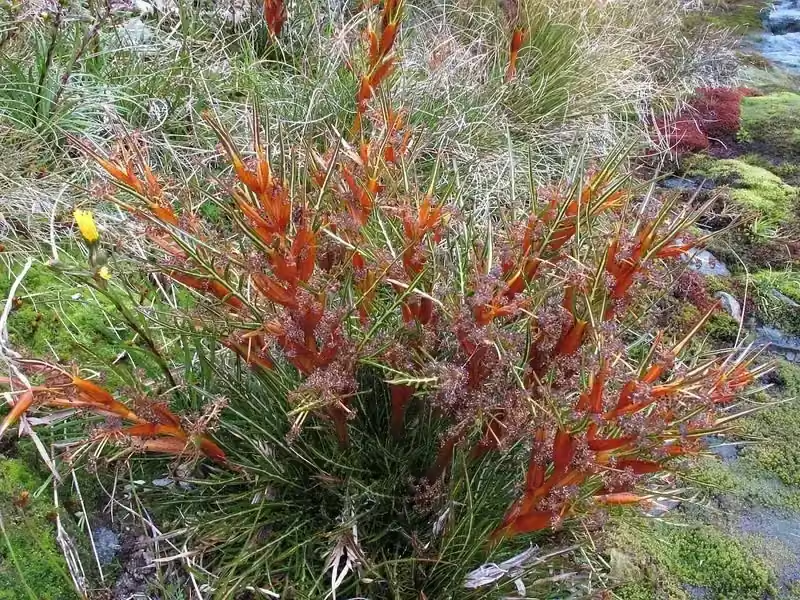
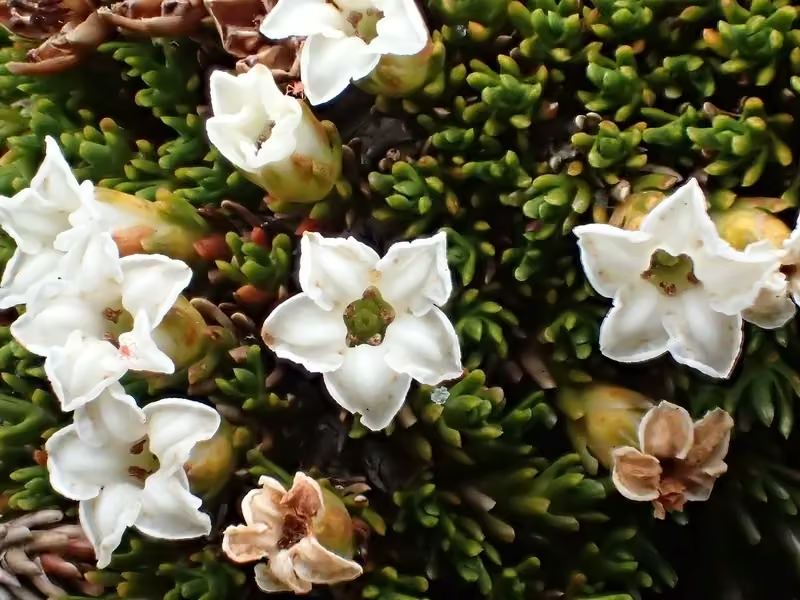
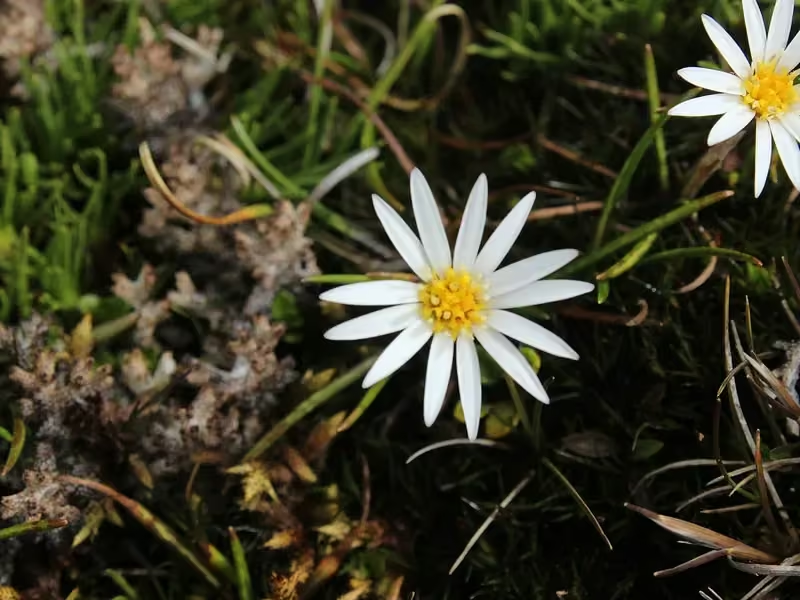
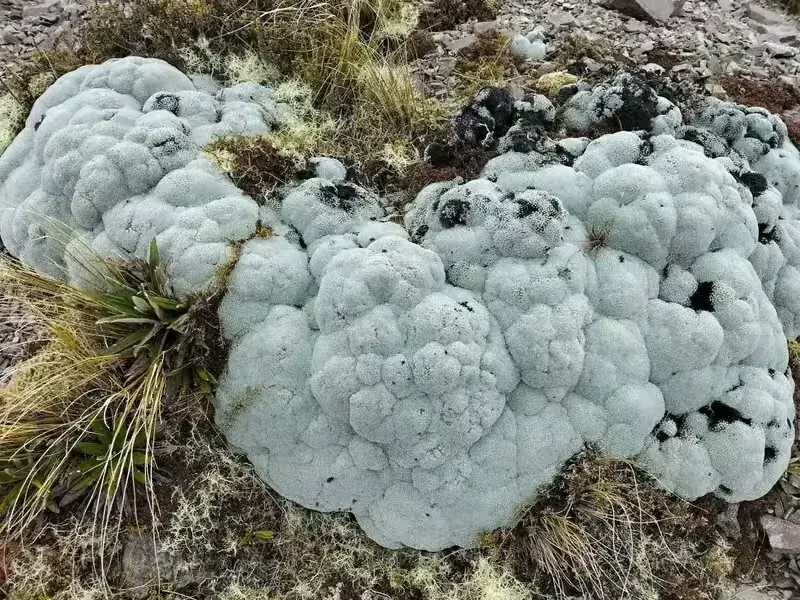
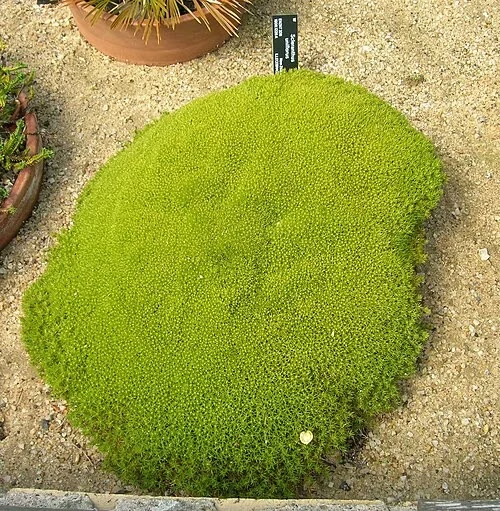
Explore other native plants that share similar characteristics or habitats with Gaimardia ( Gaimardia setacea ), offering further insights into New Zealand's diverse flora. These related species provide context and opportunities for complementary planting in your garden.

Plant Conservation
Conservation Status and Threats
Gaimardia setacea is widespread and common within its specialized habitat range, hence its classification as Not Threatened. However, alpine bogs are fragile ecosystems vulnerable to climate change and physical damage.
Frequently Asked Questions
How big does Gaimardia setacea get?
It grows only 2 to 8 cm tall but can spread up to 90 cm across.
Where does Gaimardia setacea grow in New Zealand?
It is restricted to the South Island and Stewart Island, in alpine bogs and tarns.
Is Gaimardia setacea frost hardy?
Yes, it has high frost tolerance and thrives in cold subalpine to alpine climates.
What conditions does Gaimardia setacea need?
It is an obligate wetland plant needing permanently wet, peaty, water-saturated soils.
Sources and Further Reading
The botanical, growing, and conservation details for Gaimardia (Gaimardia setacea) on this page draw on authoritative New Zealand plant references and citizen-science observation records. Consult the sources below for full technical records and the latest distribution data.