Hector's Tree Daisy
Brachyglottis hectorii
Last updated:
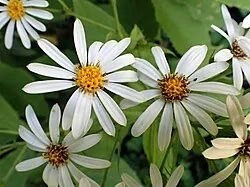
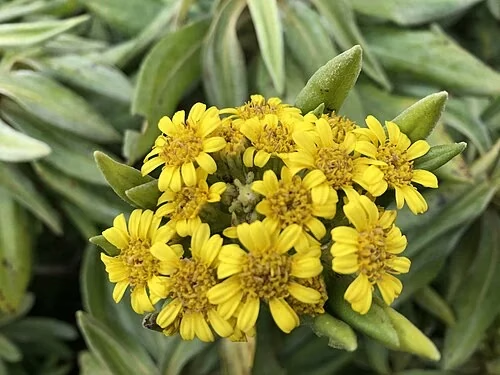
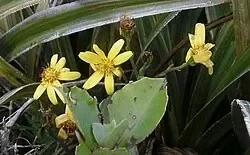
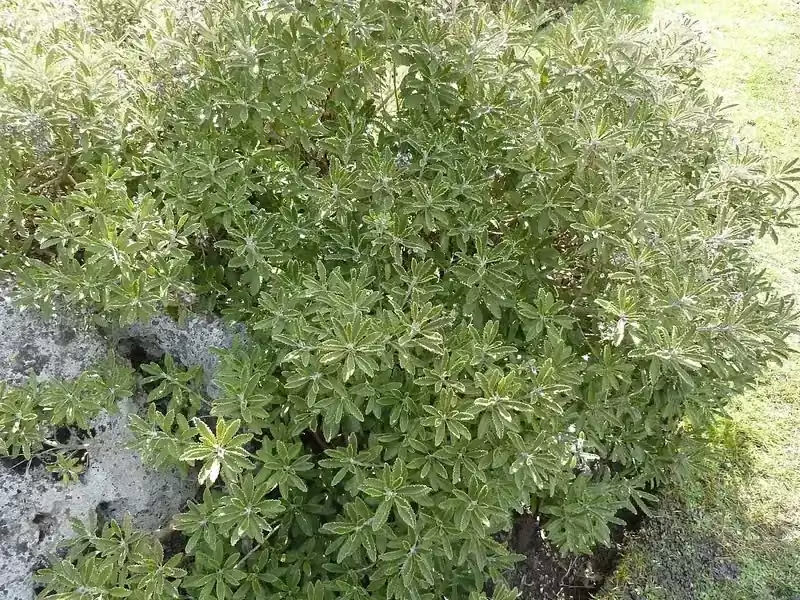
Brachyglottis hectorii, known as Hector's Tree Daisy or Kohuhurangi, is a striking large shrub reaching up to 4 metres tall, with stout, spreading, somewhat brittle branches clothed in woolly white down. Its broad, coarsely toothed leaves cluster near the branch tips and measure 10 to 25 cm long. Most distinctive are the large, conspicuous white daisy flowers, about 5 cm across, each with 8 to 12 broad, spreading white rays. Endemic to the South Island, it grows in lowland to montane stream-sides and forest margins, often on rocky ground, at roughly 300 to 1500 m. It is classed Not Threatened. Explore more native shrubs in our native plant guide.
Plant Description
Brachyglottis hectorii is a striking large shrub that can reach up to 4 meters in height. It is characterized by its stout, spreading, and somewhat brittle branches, which are densely covered in a woolly or cottony down (tomentose). The leaves are clustered towards the tips of the branchlets, are broadly oblanceolate, and measure between 10-25 cm long and 4-12 cm wide. They have a slightly rough upper surface and a thin layer of cottony white hairs on the underside when young. The margins are coarsely toothed, and the base is pinnatifid to pinnate, tapering to a short petiole. The plant produces large, conspicuous white daisy-like flowers, about 5 cm wide, with 8-12 broad, spreading white ray-florets and a vibrant yellow center of disk florets. These flowers are borne in large, terminal, lax clusters, primarily from December to February.
Quick Facts
| Scientific Name | Brachyglottis hectorii |
|---|---|
| Height | Up to 4 meters (13 feet) |
| Spread | 2-3 meters (estimated) |
| Water Needs | Moderate (Drought Tolerant) |
| Light | Full Sun to Partial Shade |
| Frost Tolerance | Moderate to High |
| Salt Tolerance | Low (estimated) |
| Growth Rate | Moderate |
| Lifespan | Medium to Long |
Climate Best Suited to
Hector's Tree Daisy is endemic to the South Island of New Zealand, thriving in lowland to montane stream-sides and forest margins. It is well-adapted to environments with consistent moisture, good drainage, and exposure to sunlight, often found at altitudes between 300 and 1500 meters. Its natural habitat suggests a preference for climates that experience distinct seasons, including cooler periods, but it is not considered hardy in very cold, exposed conditions like those found in some parts of the UK.
Regional Suitability
| City | Climate Suitability |
|---|---|
| Best suited to regions of the South Island with moderate temperatures, good rainfall, and well-drained soils, particularly in lowland to montane areas; less suitable for very hot, dry, or extremely cold environments. | |
Plant Habitat
Brachyglottis hectorii is found exclusively in the South Island of New Zealand, from North-west Nelson to the Rapahoe Range in Westland, and extending to North Canterbury and Southland. It naturally occurs in lowland to montane stream-sides and forest margins, often establishing itself in rocky areas. It thrives in well-drained, moist environments with access to sunlight, at altitudes typically ranging from 300 to 1500 meters. The plant's presence in these diverse habitats underscores its adaptability, provided the conditions of drainage and moderate moisture are met.
Growing Requirements
Soil Requirements
This species requires well-drained soil to prevent root rot, mimicking its natural rocky habitats. It can tolerate various soil types, including loamy or sandy compositions, as long as good drainage is ensured. Incorporating organic matter can improve soil structure and moisture retention without compromising drainage.
- Well-drained
- Prefers moist but not waterlogged conditions
- Tolerates a range of soil types
Light Requirements
Brachyglottis hectorii thrives in full sun but can also tolerate partial shade. Full sun encourages denser growth and more prolific flowering, while partial shade might be beneficial in hotter climates to prevent stress during the peak of summer.
- Full Sun to Partial Shade
Water Requirements
Hector's Tree Daisy prefers moderate watering, requiring consistent moisture without being waterlogged. It exhibits high drought tolerance once established, meaning it can withstand periods of dryness. Allow the soil to dry out between watering sessions, typically once every 2-3 weeks, depending on climate and soil type. Sharp drainage around the crown is crucial.
- Moderate watering
- High drought tolerance (once established)
- Sharp drainage essential
Planting and Establishing
When planting Hector's Tree Daisy, select a site that provides full sun to partial shade and, most importantly, excellent drainage. This is crucial for its long-term health, especially in areas prone to heavier rainfall or humidity. Dig a planting hole that is twice as wide as the root ball and of the same depth. If your soil is heavy clay, amend it generously with coarse grit, pumice, or sand to enhance drainage. Position the plant so the top of the root ball is level with the surrounding soil surface. Water thoroughly immediately after planting to settle the soil around the roots. During its first season, maintain consistent moisture to aid establishment, but avoid overwatering. Minimal fertilization is usually sufficient, as the plant is adapted to diverse natural conditions.
Ecological Role
As an endemic species, Brachyglottis hectorii plays an important role in the unique ecosystems of New Zealand's South Island, particularly in stream-sides and forest margins. Its large, prominent flowers attract a variety of pollinators, contributing to local biodiversity. The dense growth habit of mature shrubs can offer shelter and microhabitats for smaller native fauna. Its presence helps define the natural character of these specific habitats and supports the overall health of the New Zealand flora. Its "Not Threatened" conservation status indicates a stable population, which is vital for ecosystem resilience.
Uses & Significance
Garden Uses
Hector's Tree Daisy is highly valued as an ornamental plant in gardens due to its striking appearance, especially its large white daisy-like flowers. Its robust nature and adaptability to well-drained, sunny or partially shaded positions make it suitable for various landscape designs, including native plant gardens, mixed borders, or as a specimen shrub. Its distinctive foliage and flowering period add significant visual interest.
- Ornamental Shrub
- Native Plant Gardens
- Specimen Plant
- Mixed Borders
- Wildlife Attraction (pollinators)
Ecological Value
The ecological value of Brachyglottis hectorii lies in its endemism and its contribution to the biodiversity of New Zealand's South Island. It provides a nectar source for native insects and potentially shelter for small animals. Its adaptability to challenging environments helps maintain the ecological integrity of stream-sides and forest margins, supporting the unique natural heritage of the region.
- Endemic Species
- Pollinator Food Source
- Habitat Provider
- Ecological Indicator
Landscaping Uses
Brachyglottis hectorii is an excellent choice for landscaping, particularly in designs that aim to highlight native New Zealand flora. It can be used effectively as a prominent feature plant, in mass plantings for visual impact, or integrated into mixed native shrub borders. Its preference for well-drained soils and tolerance for sun to partial shade make it versatile. The plant's substantial size and attractive flowering habit provide structure and beauty, enhancing the natural aesthetic of larger gardens and public spaces.
Seasonal Care Calendar
Spring
As new growth emerges, ensure adequate moisture and consider a light application of a balanced native plant fertilizer if the soil is poor. Monitor for any signs of pests or diseases and address promptly.
- Monitor new growth
- Ensure moderate moisture
- Light fertilization (if needed)
- Pest/disease inspection
Summer
This is the peak flowering period (December-February). Maintain consistent moisture, especially during dry spells, but ensure good drainage. Minimal care is needed beyond admiring the blooms.
- Peak flowering
- Maintain moderate soil moisture
- Avoid waterlogging
Autumn
After flowering, perform any necessary light pruning to maintain shape and remove spent flower heads. Reduce watering as temperatures cool and natural rainfall increases. Ensure the plant is well-drained to prepare for winter.
- Light pruning after flowering
- Reduce watering
- Ensure excellent drainage
Winter
Hector's Tree Daisy is moderately frost-tolerant. Ensure good drainage to prevent waterlogged conditions, which are more damaging than cold. Provide minimal to no supplemental water unless conditions are unusually dry.
- Moderately frost-tolerant
- Avoid waterlogged soil
- Minimal watering
When to Prune and How Much
Light pruning of Brachyglottis hectorii is best performed after its main flowering period in late summer to early autumn. This helps maintain a desirable shape, encourages bushiness, and removes spent flowers.
- Prune lightly after summer flowering to shape and tidy.
- Remove spent flower heads to encourage new growth and maintain appearance.
- Trim back any leggy or straggly stems.
- Remove any dead, damaged, or diseased wood as observed throughout the year.
Avoid heavy cutting into old, woody stems, as regeneration from such cuts may be slow or poor. Regular, light tip-pruning is generally sufficient to keep the plant vigorous and attractive.
How to Grow Hector's Tree Daisy
Cultivating Hector's Tree Daisy ( Brachyglottis hectorii ) can be a rewarding experience for gardeners seeking a distinctive New Zealand native shrub. While it is considered not difficult to grow, providing the right conditions-especially excellent drainage and appropriate sunlight-is key to its success. Propagation can be achieved through both seed and cuttings, offering flexibility for growers.
From Seed
Propagating Brachyglottis hectorii from seed is a viable method, allowing for genetic diversity among new plants.
- Collect seeds from mature plants after the fruiting period, typically from January to April.
- Clean the seeds to remove any surrounding plant material.
- Cold stratification for several weeks can improve germination rates, though it may not always be strictly necessary.
- Sow seeds thinly on the surface of a well-draining seed-raising mix in late winter or early spring. Lightly cover with a fine layer of mix.
- Keep the seed tray consistently moist but avoid waterlogging. Maintain a bright, cool environment.
- Germination can be variable, sometimes taking a few weeks.
- Once seedlings are large enough to handle and have developed a few true leaves, transplant them into individual pots with a gritty, well-draining potting mix.
- Grow on in a sheltered, well-lit location, gradually hardening them off before planting out.
From Cuttings
Propagation from semi-ripe cuttings is an effective method for Hector's Tree Daisy, ensuring new plants are true to type.
- Take semi-ripe cuttings (approximately 10-15 cm long) from healthy, non-flowering stems during spring or early summer.
- Remove the leaves from the lower two-thirds of the cutting.
- Dip the cut end into a rooting hormone powder or gel to stimulate root development.
- Insert the cuttings into a well-draining propagation mix, such as a blend of perlite and coarse sand.
- Place the cuttings in a warm, humid environment, ideally under a propagation dome or covered with a clear plastic bag to maintain humidity.
- Keep the rooting medium consistently moist but not saturated.
- Roots typically form within 4-8 weeks. Once a healthy root system has developed, pot the new plants into individual containers.
- Gradually acclimate the new plants to outdoor conditions before final planting.
Additional Methods
While less common, it may also be possible to propagate Brachyglottis hectorii via division for very large, established clumps, though its woody nature makes this less straightforward than for herbaceous perennials. Air layering could be another option for established plants, but seed and cutting methods are generally more practical and successful.
Pests & Diseases
Brachyglottis hectorii is generally a robust plant with good resistance to pests and diseases when grown in suitable conditions. The most common issues arise from improper cultivation, particularly poor drainage, which can lead to root rot. Ensuring the plant is in well-drained soil is the primary preventative measure. Good air circulation also helps minimize fungal problems. While no specific major pests are commonly associated with this species, general garden pests can occasionally affect it. Regular inspection allows for early detection and management of any potential issues, ideally using organic pest control methods.
Cultural Significance
Known by the Māori name Kōhūhūrangi, Brachyglottis hectorii holds cultural significance as an endemic New Zealand plant. Its scientific name honours Sir James Hector, a prominent 19th-century New Zealand geologist and botanist, acknowledging his contributions to the study of the country's natural history. As an integral part of the South Island's natural flora, particularly in stream-side and forest margin habitats, it contributes to the unique biodiversity and ecological heritage of New Zealand. Its distinctive flowers and form add to the aesthetic and biological richness of its native environment.
- Māori name: Kōhūhūrangi
- Named after Sir James Hector
- Endemic to New Zealand
- Contributes to unique biodiversity
Bonus Tip
For an impressive display, plant Hector's Tree Daisy where its large white flowers can be admired against a darker green backdrop, such as native forest undergrowth or a hedge. Ensure it has ample space to grow into its large, spreading form.
Related Plants
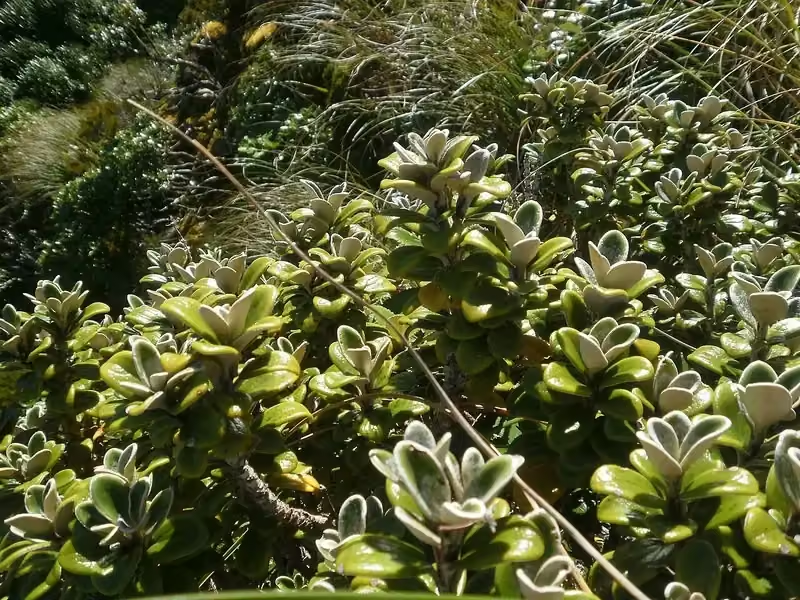
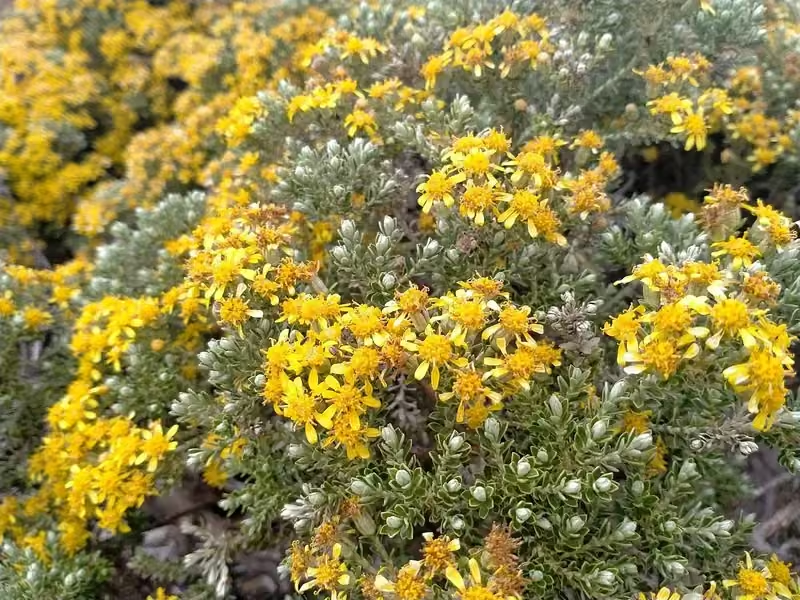
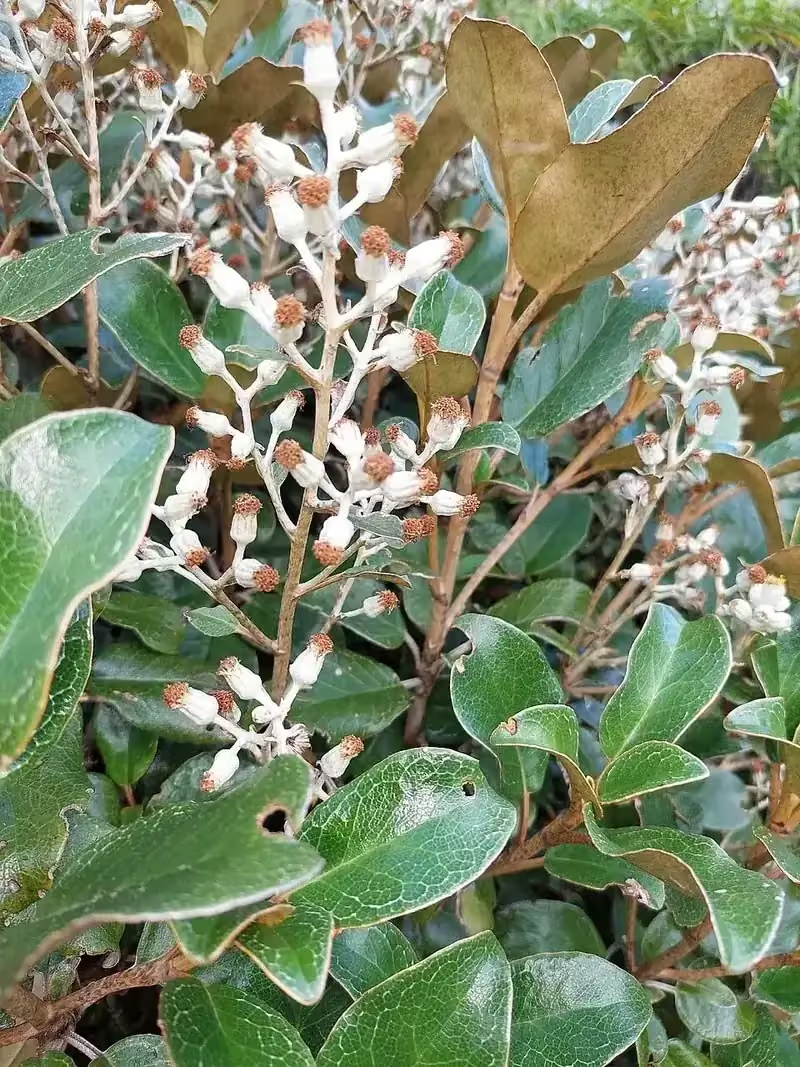
Explore other native plants that share similar characteristics or habitats with Hector's Tree Daisy ( Brachyglottis hectorii ), offering further insights into New Zealand's diverse flora. These related species provide context and opportunities for complementary planting in your garden.


Plant Conservation
Brachyglottis hectorii is classified as "Not Threatened" under the New Zealand Threat Classification System. This status reflects a healthy and stable population within its natural range across parts of the South Island. The species contributes significantly to the biodiversity of lowland to montane stream-sides and forest margins. Continued responsible land management and protection of its native habitats are essential to ensure the ongoing success and conservation of this distinctive native shrub.
Frequently Asked Questions
How tall does Brachyglottis hectorii grow?
It is a large shrub reaching up to about 4 metres tall, with an estimated spread of 2 to 3 metres.
What do Hector's Tree Daisy flowers look like?
It bears large white daisy-like flowers about 5 cm wide, each with 8 to 12 broad, spreading white rays.
Where does Brachyglottis hectorii grow naturally?
It is endemic to the South Island, in lowland to montane stream-sides and forest margins at about 300 to 1500 m.
Does Hector's Tree Daisy tolerate frost?
Yes, it has moderate to high frost tolerance suited to its montane habitat.
Sources and Further Reading
The botanical, growing, and conservation details for Hector's Tree Daisy (Brachyglottis hectorii) on this page draw on authoritative New Zealand plant references and citizen-science observation records. Consult the sources below for full technical records and the latest distribution data.