Parsley Fern
Botrychium australe
Last updated:
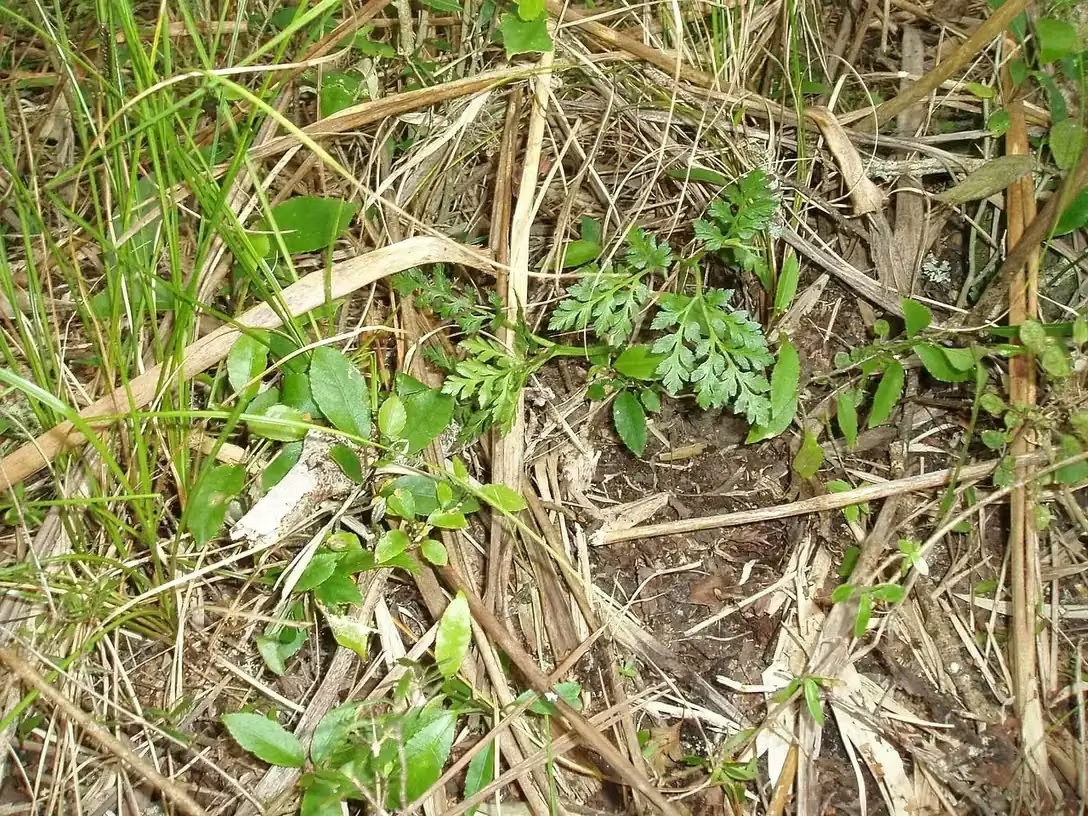
Botrychium australe, the Parsley Fern or Patotara, is a small, fleshy perennial fern growing 5 to 60 cm tall from a short, erect rhizome. Each season it sends up a single frond split into two parts: a broadly triangular, three-to-five-times-divided sterile blade that looks succulent and parsley-like, and a separate spore-bearing stalk. The foliage ranges from bright green to a bronze or red-green tint, and the whole plant dies down completely in winter before re-emerging in spring. Indigenous and widespread across both the North and South Islands, it grows from sea level to alpine herbfields in tussock grassland, forest clearings and river flats. It is classed At Risk - Declining. Explore more native ferns in our native plant guide.
Plant Description
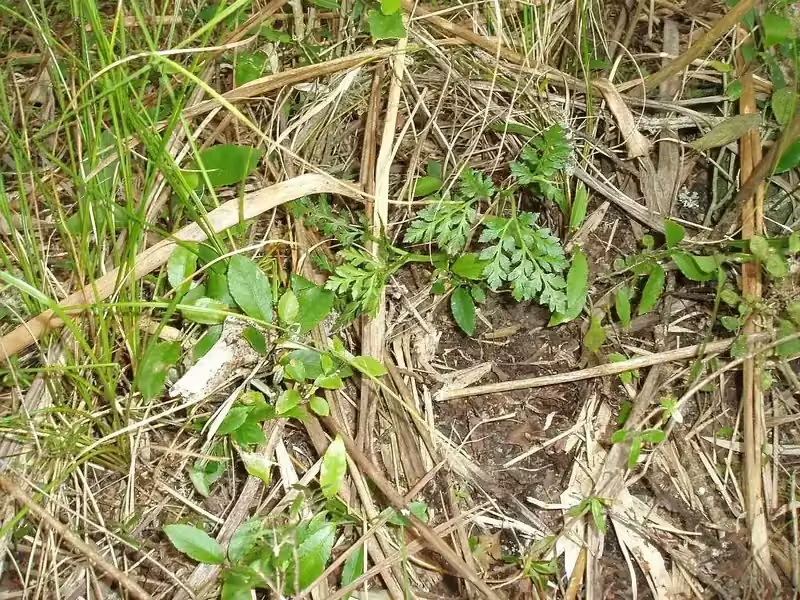
Botrychium australe is a small to medium-sized, fleshy perennial fern that typically reaches heights of 5 to 60 cm. It possesses a short, erect rhizome and thick, fleshy, distinctly ridged roots. The species is characterized by its seasonal growth habit, dying down completely in winter and re-emerging in spring. Each year, it produces a single frond divided into two distinct parts: a sterile, leaf-like lamina and a fertile, spore-bearing sporophore. The sterile lamina is broadly ovate to 5-angled and highly divided 3-5 times, giving it its characteristic succulent, parsley-like appearance. Its coloration ranges from a vibrant bright green to a distinctive bronze or red-green hue.
The fertile portion, or sporophore, is borne on a narrower and often longer stalk that emerges from the base of the sterile lamina. This stalk carries numerous spherical, yellow-brown sporangia (spore cases) that are approximately 1 mm in diameter. Flowering (spore maturation) occurs from late spring through to autumn. This fern is often confused with Botrychium biforme , but it can be distinguished by its less finely divided pinnae with blunt-ended ultimate segments and its uniquely contracted, ridged root system. Its succulent texture and architectural form make it one of New Zealand's most biologically interesting and aesthetically unique ground ferns.
Quick Facts
| Scientific Name | Botrychium australe |
|---|---|
| Height | 5 - 60 cm |
| Spread | 10 - 20 cm |
| Water Needs | Moderate (Tolerates seasonal flooding) |
| Light | Full sun to semi-shade |
| Frost Tolerance | High (Dormant during winter) |
| Salt Tolerance | Low (Primarily inland species) |
| Growth Rate | Slow (Seasonal) |
| Lifespan | Perennial (Long-lived rhizome) |
Climate Best Suited to
Parsley Fern is exceptionally hardy and well-adapted to the varied temperate climates of New Zealand, from lowland regions up to subalpine and alpine zones. It flourishes in areas with high rainfall but is remarkably resilient to extreme cold due to its deciduous nature-it survives the winter as an underground rhizome. It prefers sites that remain moist during the growing season but can tolerate periods of seasonal flooding. It is most frequently found in cooler high-country climates but succeeds in lowland areas where competition from more aggressive plants is minimal. Its distribution throughout the North and South Islands demonstrates its broad environmental tolerance within New Zealand's temperate and subalpine zones.
Regional Suitability
| City | Climate Suitability |
|---|---|
| Auckland | Suitable (In localized cool, open spots) |
| Wellington | Highly Suitable (Temperate and moist) |
| Christchurch | Highly Suitable (Thrives in tussock and river flats) |
| Dunedin | Highly Suitable (Cooler conditions are ideal) |
| Invercargill | Highly Suitable (Hardy enough for the southern conditions) |
Plant Habitat
Botrychium australe is an indigenous species widespread across the North and South Islands of New Zealand. It occupies an exceptionally broad range of habitats from sea level up to alpine herbfields. Its primary habitats include open ground, short and tall tussock grasslands, and forest clearings. It is frequently observed on river flats, in shrublands, and within reverting pastures. It also colonizes seasonally flooded ground and has been recorded on the margins of peat bogs. Despite this wide range, it is generally uncommon and exhibits a sporadic, unpredictable distribution. Its presence is often tied to sites with low competition from taller vegetation, where its seasonal growth strategy allows it to capture resources during the spring and summer.
Growing Requirements
Soil Requirements
Requires consistently moist, fertile, and well-drained soil. Adaptable to silty and sandy river substrates.
- High organic matter content
- Tolerates seasonal waterlogging
- Must be free-draining to prevent rhizome rot
- Neutral to slightly acidic pH
Light Requirements
Performs best in full sun to semi-shade. Requires high light levels during the growing season.
- Full sun in cool climates
- Light shade in warmer lowland regions
- Thrives in open clearings and grasslands
Water Requirements
Moderate to high water needs. Growing season soil must remain damp.
- Regular watering during spring and summer
- Tolerates winter wetness when dormant
- Ideal for riparian or river-flat restoration
- Sensitive to prolonged summer drought
Planting and Establishing
Parsley Fern is notoriously difficult to propagate and establish in garden settings, and it should never be removed from its natural habitat. For those involved in sanctioned restoration or specialist native gardening, select a location that remains naturally moist but well-drained, such as an open meadow area or a cool, damp rockery. Enrich the soil with plenty of well-rotted leaf mold or compost. If using container-grown specimens, plant in spring as the new growth emerges. Dig a hole twice the size of the root ball, position the fern so the crown is level with the soil surface, and backfill gently. Water thoroughly and maintain high moisture levels during the first year. Because it is deciduous, ensure the planting site is clearly marked to avoid disturbing the rhizome during its winter dormancy.
Ecological Role
Parsley Fern plays a subtle but important role in New Zealand's biodiversity. As a seasonal herb, it contributes to the complex biomass of tussock grasslands and forest clearings. Its succulent fronds provide foraging grounds for a variety of small native invertebrates. The species' sporadic distribution and sensitivity to environmental change make it a useful indicator of healthy, low-competition ecosystems. By occupying niches such as seasonally flooded ground and river flats, it helps stabilize soil in dynamic riparian zones. Its presence is a measurement of the botanical richness of our natural landscapes, particularly in the high-country and forest margin communities that are increasingly threatened by land conversion and invasive species.
Uses & Significance
Garden & Landscape Uses
While rare in cultivation, Botrychium australe is highly prized by native plant enthusiasts for its succulent texture and architectural form. It is an ideal plant for specialized native alpine gardens, cool-climate meadow designs, or as a seasonal feature in a shaded rockery. Its unique appearance provides a striking point of interest in high-end native collections.
- Alpine-themed rock gardens
- Native meadow and grassland restoration
- Architectural seasonal groundcover
- Specialized native plant collections
- Moist, cool-climate garden niches
Scientific & Conservation Significance
An "At Risk - Declining" species that represents the unique evolutionary path of New Zealand's succulent ferns.
- At Risk status due to habitat loss and sporadic range
- Example of seasonal fern dormancy
- Indicator of healthy tussock and riparian ecosystems
- Named Pātotara in Māori, reflecting its ground-level habit
Landscaping Uses
Professional landscapers in cool temperate regions use Botrychium australe to bring a sense of rare, botanical sophistication to shaded or open meadow projects. It is an excellent choice for naturalizing damp embankments or for providing seasonal interest in rock features. Its succulent, parsley-like fronds provide a unique texture that contrasts beautifully with fine-leaved native grasses or structural shrubs. In restoration projects, its use can help recreate the complex botanical diversity of original river-flat or subalpine communities. Because it dies down in winter, it is often paired with evergreen groundcovers or structural elements to maintain year-round aesthetic appeal. Its extreme frost tolerance and preference for low-competition niches offer landscape designers a specialized tool for creating authentic and sustainable high-country native landscapes.
Seasonal Care Calendar
Spring
As the first succulent fronds emerge from the rhizome, ensure the soil remains consistently moist. This is the best time for light maintenance and clear marking of the site.
- Monitor for new growth emergence
- Maintain high soil moisture
- Clear away any winter debris
Summer
The peak growth and spore maturity period. Regular, deep irrigation is essential, especially in drier regions. Maintain high ambient humidity around the plant.
- Regular deep irrigation
- Monitor for spore development
- Protect from extreme midday heat
Autumn
The fronds will begin to yellow and eventually die back. This is an ideal time for potential seed (spore) collection if propagation is planned. Reduce watering frequency.
- Reduce watering
- Allow fronds to die back naturally
- Mark the site for winter
Winter
The plant is completely dormant and survives as an underground rhizome. Minimal intervention is required other than ensuring the root zone remains undisturbed.
- Zero maintenance required
- Avoid all soil disturbance
- Protect from severe winter drainage issues
When to Prune and How Much
Pruning for Botrychium australe is essentially unnecessary due to its annual lifecycle. The plant naturally tidies itself by dying back completely every winter. Do not cut or remove the green fronds during the growing season, as they are essential for providing the energy required for the rhizome to survive and re-emerge the following spring. In autumn, once the fronds have turned completely yellow or brown, they can be gently removed if desired for aesthetic reasons, but leaving them in place allows the nutrients to return to the soil naturally. Avoid any pruning during the emergence phase in spring to prevent damage to the delicate new growth.
- No pruning during the growing season
- Tidy dead foliage in late autumn
- Avoid disturbing the central crown
Always ensure that any maintenance is carried out with extreme care to avoid damaging the fleshy, shallow roots of this specialized fern.
How to Grow Parsley Fern
Propagating the Parsley Fern ( Botrychium australe ) is widely considered to be an exceptionally difficult task, and it is rarely successful outside of its natural habitat. This species relies on a complex symbiotic relationship with soil mycorrhizal fungi, which is difficult to replicate in garden conditions. For this reason, the best approach to its cultivation is to support its natural populations and avoid any removal from the wild. For those involved in authorized research or conservation, propagation is primarily attempted through spore culture.
From Spores
Spore culture is the only known method for increasing Parsley Fern populations, but it is a slow and delicate process. Spores are collected from the mature, yellow-brown sporangia on the fertile sporophore in late summer. These fine spores are sown onto the surface of a sterile, organic-rich mix that has been inoculated with local soil from a healthy Parsley Fern site to provide the necessary mycorrhizae. The tray must be kept in a consistently warm, humid, and shaded environment. Germination leads to the development of a subterranean prothallus, which can remain underground for several years before the first sterile frond emerges. This lengthy and unpredictable process highlights the specialized nature of the species.
- Collect mature spores in late summer.
- Sow on sterile, mycorrhizae-inoculated soil.
- Maintain high humidity and stable warmth.
- Provide deep shade during initial phases.
- Wait for subterranean development (can take years).
- Monitor for the first emergence of new growth.
Additional Considerations
Given the extreme difficulty of propagation, focus should be placed on protecting existing plants and their habitats. Maintaining the soil integrity and the low-competition environments they thrive in is the most effective way to ensure their long-term survival. If you are fortunate enough to have Parsley Fern on your property, ensure that the area is not grazed, sprayed, or heavily modified. Understanding its complex relationship with the soil and its seasonal dormancy is key to its preservation. Always prioritize conservation over collection when dealing with this unique and declining native.
Pests & Diseases
Botrychium australe is generally resistant to most common garden pests, although its succulent fronds may occasionally attract slugs or snails during the early spring emergence. These can be managed with environmentally friendly barriers. Its primary vulnerabilities are environmental rather than biological; excessively dry soil during the growing season or root disturbance can be fatal. Occasionally, if the air is extremely stagnant and humid, mildews may appear, but this is rare in its preferred open clearings. Providing the correct environmental conditions-stable moisture and appropriate light-is the most effective way to ensure this specialized native remains healthy and vigorous during its active seasonal phase.
Cultural Significance
Known as Pātotara in Māori, reflecting its ground-level habit, Botrychium australe is a recognized part of New Zealand's traditional botanical landscape. While it may not have as many documented medicinal uses as some larger native plants, it is an integral part of the ecological tapestry that has sustained indigenous knowledge for centuries. Its resilience in extreme high-country conditions and its unique succulent form make it a symbol of the diverse and specialized life found within Aotearoa. Protecting its remaining habitats ensures that the full botanical complexity of New Zealand is preserved for future generations to learn from and appreciate. Its presence serves as a reminder of the intricate beauty found in our most overlooked native herbs.
Bonus Tip
If you are establishing Parsley Fern in a specialist native collection, plant it alongside Poa cita (Silver Tussock). The fine, upright stems of the tussock grass provide the perfect amount of dappled shade and structural protection for the succulent fern, mimicking its natural grassland haunts. This combination creates a beautiful and ecologically authentic high-country scene.
Related Plants
Explore other native New Zealand ferns and herbs that share characteristics or habitats with the Parsley Fern ( Botrychium australe ), offering further insights into our remarkably diverse alpine and grassland flora. These related species can provide inspiration for creating a cohesive and beautiful high-country garden.


Plant Conservation
Botrychium australe is currently classified as "At Risk - Declining" in the New Zealand Threat Classification System. This status reflects its naturally sporadic and unpredictable distribution, combined with the ongoing loss of its specialized grassland and open-ground habitats. Threats include land development, intensive agriculture, and the encroachment of more aggressive invasive weeds that can easily smother this small, seasonal fern. Protecting the integrity of our remaining tussock grasslands and river-flat clearings is essential for its survival. Gardeners can contribute to its conservation by supporting restoration projects and by promoting the value of New Zealand's often-overlooked high-country biodiversity. Sourcing information and plants from ethical nurseries ensures that our unique and vulnerable native herbs continue to play their part in our natural narrative.
Frequently Asked Questions
How tall does the Parsley Fern grow?
It grows from 5 to 60 cm tall, with a spread of about 10 to 20 cm.
Does Botrychium australe tolerate frost?
Yes, it has high frost tolerance because it dies down and stays dormant through winter.
Where does the Parsley Fern grow in New Zealand?
It is widespread across the North and South Islands, from sea level to alpine herbfields, in grasslands, forest clearings and river flats.
How fast does Botrychium australe grow?
It is a slow, seasonal grower that re-emerges from a long-lived rhizome each spring.
Sources and Further Reading
The botanical, growing, and conservation details for Parsley Fern (Botrychium australe) on this page draw on authoritative New Zealand plant references and citizen-science observation records. Consult the sources below for full technical records and the latest distribution data.