Common Wheat Grass
Anthosachne scabra
Last updated:
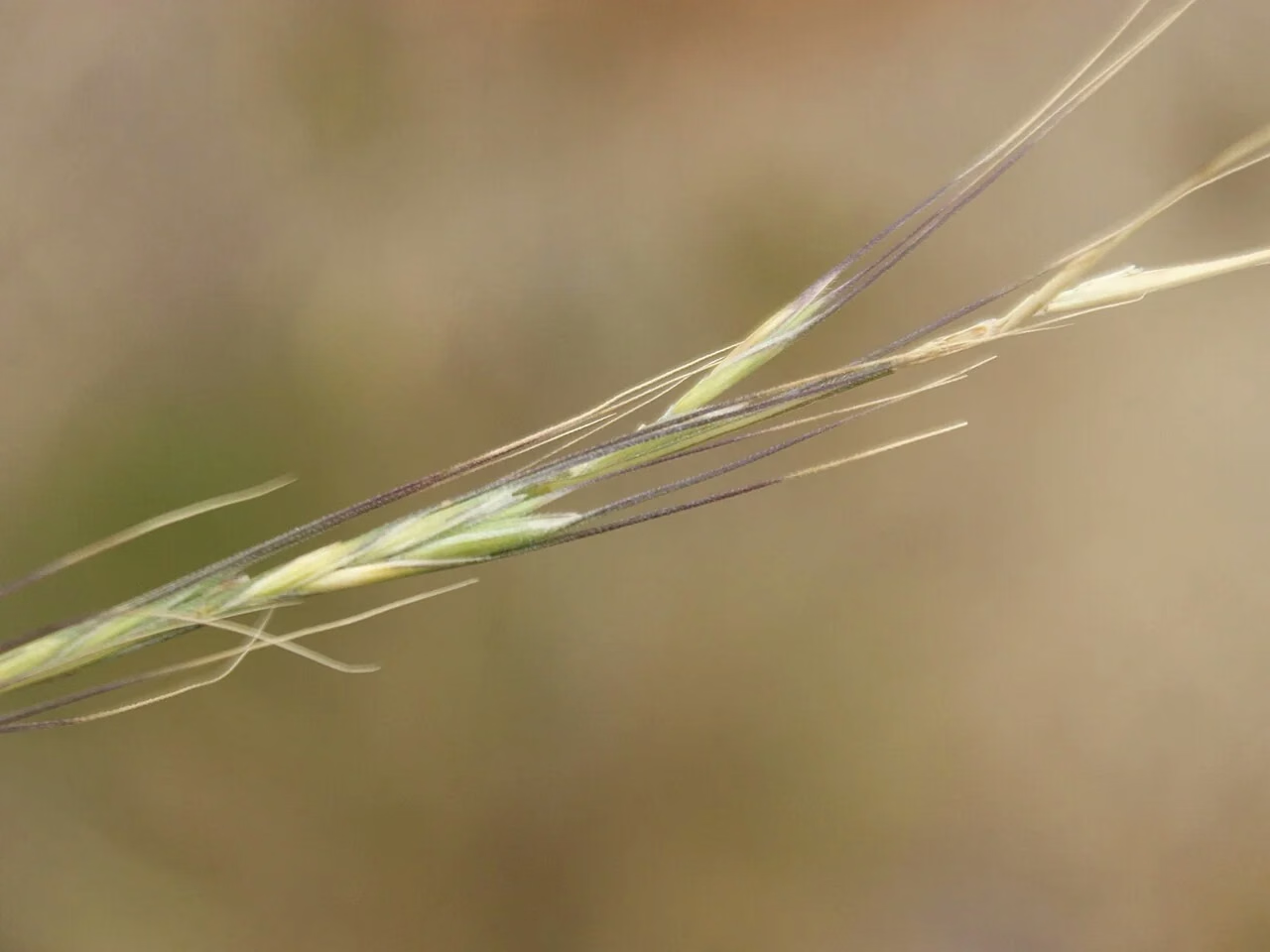
Anthosachne scabra, commonly known as Common Wheat Grass, is a tufted perennial grass found widely across New Zealand. It grows between about 30 and 100 cm tall, with narrow, year-round green leaf blades that often carry a half-twist and rough, scabrid edges. In late spring and summer it sends up long seed heads that can reach 1.5 metres and arch gracefully, the awned seeds spreading on the wind. Fast growing and tough, it colonises dry, open, low-fertility ground from coastal dunes and rocky bluffs to roadsides and depleted pasture. Highly salt and frost tolerant, it stays green through summer dry spells where enough soil moisture remains. Explore more native plants such as Blue Wheat Grass.
Plant Description
Identification and Physical Characteristics
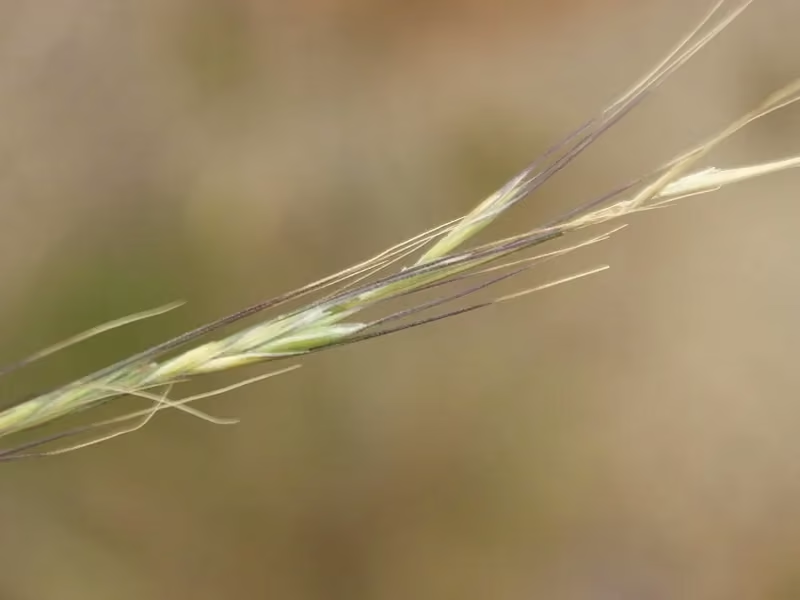
Anthosachne scabra is a tufted perennial grass that typically grows between 30 and 100 cm in height. It is distinguished by its narrow, all-year-green leaf blades that often possess a unique half-twist and feature rough (scabrid) edges. During late spring and summer, the plant produces long, conspicuous seed heads that can reach up to 1.5 meters in length, often becoming lax and gracefully arching. The individual seeds are equipped with long awns, another common adaptation among the Anthosachne genus that aids in wind dispersal across open habitats. The overall habit is one of rugged persistence, remaining green even through summer dry spells if sufficient soil moisture is available.
Quick Facts
| Scientific Name | Anthosachne scabra |
|---|---|
| Height | 0.3-1 m (seedheads to 1.5m) |
| Spread | 20-40 cm |
| Water Needs | Low; highly drought tolerant |
| Light | Full sun to partial shade |
| Frost Tolerance | High; very cold hardy |
| Salt Tolerance | High; found in coastal dunes |
| Growth Rate | Fast |
| Lifespan | Perennial |
Climate Best Suited to
Anthosachne scabra is well adapted to various New Zealand regions, particularly dry and exposed environments where it can tolerate intense sun and periodic drought.
Regional Suitability
| City | Climate Suitability |
|---|---|
| Auckland | High |
| Wellington | High |
| Christchurch | High |
| Napier | High |
Plant Habitat
Natural Occurrence and Ecology
In New Zealand, Common Wheat Grass is widespread across a variety of dry and open habitats. It has evolved to successfully colonize environments ranging from coastal dunes and rocky bluffs to roadsides and depleted pastures. It is particularly common in low-fertility, free-draining soils where it can withstand significant exposure to wind and sun. While frequently seen in modified or urban landscapes, it also establishes itself in natural habitats like riverbeds and rocky outcrops. Its broad ecological amplitude allows it to flourish across both islands, often acting as a pioneer species in areas where other more sensitive vegetation might struggle to find a foothold.
Growing Requirements
Soil Requirements
Prefers well-draining, lean or low-fertility soils.
- Well-drained
- Tolerates poor soil
Light Requirements
Grows best in full sun but tolerates partial shade.
- Full Sun
- High Light
Water Requirements
Requires low watering; exceptionally drought tolerant.
- Low
- Drought resistant
Planting and Establishing
Establishment Guidance
To successfully establish Anthosachne scabra , choose a position that receives full sun and has good drainage. It is one of the easier native-style grasses to establish and can tolerate a range of soil types, including sandy or gravelly substrates. Dig a hole slightly larger than the root ball and ensure the central crown is not buried too deep. Planting in early autumn to winter is ideal, as it allows the seeds to germinate within 7-10 days under moist conditions and establish a strong root system before the summer heat. Providing consistent moisture during the initial weeks is helpful, but once established, it requires minimal intervention to thrive.
Ecological Role
Biodiversity and Ecosystem Impact
Common Wheat Grass plays a critical role in modified and natural ecosystems by stabilizing dry, erodible soils on banks and cuttings where other vegetation struggles. Its extensive root system helps bind the soil and reduce surface erosion. Ecologically, it provides valuable cover and seed resources for various native birds and invertebrates, particularly in modified pastures and urban habitats. As a drought-resistant and frost-tolerant species, it is often one of the first grasses to show green growth in spring, contributing to early-season primary productivity and supporting the overall biodiversity and health of dryland botanical communities.
Uses & Significance
Garden Uses
In a garden setting, Anthosachne scabra is an excellent choice for rock gardens, alpine collections, or dry native borders. Its upright habit and textural foliage provide an attractive architectural element that contrasts well with broader-leaved plants. Due to its toughness, it is also ideal for xeriscaping or roadside plantings where low maintenance is a priority. It is highly valued for creating a naturalistic, wild look in landscapes that mimic New Zealand's dryland and rocky environments, offering year-round structure and a sense of rugged, enduring beauty to the garden space.
- Rock gardens
- Xeriscaping
- Soil stabilization
Ecological Value
Beyond its ornamental appeal, this species is important for supporting local biodiversity in areas with poor soil quality. It is frequently used in revegetation and restoration projects due to its high seedling vigor and rapid establishment. Its ability to provide early green feed and stable cover makes it a useful component of dryland plant communities, where it acts as both a stabilizer of fragile ground and a seasonal resource for native pollinators and ground-dwelling fauna that rely on these open and exposed habitats.
- Invertebrate habitat
- Erosion control
Landscaping Uses
Modern landscaping can utilize Anthosachne scabra to create naturalistic ground layers in specialized dryland or contemporary designs. Its architectural foliage makes it a perfect softening element for the edges of gravel paths or between large paving stones in a sunny courtyard. Designers often use it to add a sense of detail and 'wildness' to a project, where its upright form and wheat-like seed heads can be highlighted. Its ability to maintain a neat profile while tolerating extreme exposure makes it a reliable and decorative performer for high-impact landscaping in dry, sun-drenched coastal or inland regions.
Seasonal Care Calendar
Spring
As new growth commences, monitor the plant for new shoots. This is the optimal time for maintenance pruning to remove any dead or winter-damaged foliage. Apply a light dressing of mineral-rich mulch if the soil is particularly poor.
- Spring pruning
- Monitor growth
Summer
Peak flowering and seed production occur during this season. While highly drought-tolerant, providing occasional deep watering during extreme dry periods will help maintain the health of the foliage and prevent premature dormancy.
- Occasional watering
- Enjoy seed heads
Autumn
This is an ideal time for seed collection and sowing. Tidy up the area by removing any large fallen leaves that might smother the dense growth. Ensure the site remains sharply drained as the weather becomes wetter and cooler.
- Seed collection
- Tidy debris
Winter
Naturally very frost-hardy and adapted to cool conditions. Minimal intervention is required during the dormant winter months; simply ensure the area stays free of heavy organic debris that could trap stagnant moisture around the base.
- Frost protection
- Clear debris
When to Prune and How Much
Anthosachne scabra requires very little pruning to stay healthy. Maintenance is primarily limited to removing any dead or damaged foliage in late winter or early spring before new growth begins. If the plant becomes slightly untidy after seed dispersal, the spent flower stalks can be carefully snipped back near the base. For older, thatch-filled clumps, a harder pruning can help rejuvenate the plant and stimulate fresh, vigorous new growth. Always use sharp, clean tools to ensure clean cuts and to maintain the plant's neat and attractive architectural form throughout the year.
- Remove spent stalks
- Trim dead leaves
Always use clean, sharp tools.
How to Grow Common Wheat Grass
Cultivating Common Wheat Grass ( Anthosachne scabra ) is a straightforward endeavor for any gardener interested in durable native-style grasses. This resilient species is best grown from fresh seed, which is the most reliable method for producing new plants. Replicating its natural well-drained, lean habitat is the most critical factor for ensuring long-term success and maintaining its healthy, upright architectural form in a garden setting.
From Seed
Propagation from seed is highly effective and often more successful than division. Seeds should be collected when the seed heads turn brown and are fully mature. For the best results, clip the seed heads into individual florets, each containing one seed. Sow these in autumn to winter at a depth of approximately 10 mm into a moist, well-draining seed-raising mix. Under moist conditions, germination typically occurs within seven to ten days. Young seedlings exhibit high vigor and can be pricked out into individual containers as soon as they are large enough to handle without disturbing the developing root systems.
Sow fresh seeds in a gritty mix.
- Collect mature seeds
- Sow in autumn/winter
Keep moist until germination occurs.
From Cuttings
Vegetative propagation via division is possible but must be handled with care to avoid excessive root disturbance. If a healthy clump has become sufficiently large, it can be carefully divided in early spring just as new growth commences. Each new section should have at least one or two active buds and a substantial portion of the original root system. These divisions should be replanted immediately into a gritty, well-drained medium and kept in a cool, bright spot until signs of new growth are observed, indicating that they have successfully re-established themselves and are ready for the garden.
Division is best attempted in early spring.
- Carefully separate sections
- Replant in gritty soil
Additional Methods
Ensuring the correct environmental conditions is often more critical than complex propagation techniques for this species. It thrives when its roots are kept cool and well-drained within a mineral-rich substrate, making it perfect for specialized dryland rockeries or xeriscaping. Avoid areas subject to high humidity or stagnant soil moisture, which can cause the plant to decline. Once established, the plant is relatively low-maintenance, requiring only occasional deep watering during extreme dry periods to maintain its healthy, tufted architectural form.
Once planted, it requires very little intervention.
- Monitor soil drainage
- Replant divisions immediately
Pests & Diseases
This species is remarkably resistant to most common garden pests. The primary risk in cultivation is root or crown rot, which occurs if the plant is grown in heavy, poorly drained, or excessively fertile soils. To prevent this, ensure that the planting site has excellent drainage and avoid over-fertilizing, which can lead to soft growth that is more susceptible to disease. Young plants should be protected from browsing animals such as rabbits or hares, which may target the tender foliage in their natural habitats. Maintaining good air circulation is the best way to ensure the long-term health of this hardy grass.
Cultural Significance
As a naturalized species, Anthosachne scabra is a common component of New Zealand's open and dry landscapes. While not a native *taonga* species, it represents the ongoing evolution of Aotearoa's flora through naturalization and adaptation. Its name 'scabra', derived from the Latin for 'rough', reflects its characteristic textured foliage. Its role in stabilizing erodible ground and providing resources for wildlife demonstrates its practical value in modern conservation and restoration efforts. It stands as a symbol of the resilience required to thrive in New Zealand's most exposed and sun-drenched environments.
- Dryland persistence
- Naturalized heritage
Bonus Tip
To truly highlight the architectural beauty of Common Wheat Grass, plant it in a position where its long seed heads can be backlit by the morning or evening sun. The light catch the fine awns and airy structure of the spikes, creating a dramatic and glowing effect that brings a touch of wild high-country elegance to any garden landscape or native collection.
Related Plants
Explore other native plants that share similar characteristics or habitats with Anthosachne Scabra ( Anthosachne scabra ), offering further insights into New Zealand's diverse flora. These related species provide context and opportunities for complementary planting in your garden.




Plant Conservation
Conservation Status
As a naturalized and widespread species, Anthosachne scabra is not considered threatened in New Zealand. Its successful colonizing strategy has allowed it to become a stable part of the landscape, particularly in modified and sun-exposed habitats. Its primary conservation value lies in its role as a stabilizer of erodible soils and a provider of cover for native fauna in disrupted ecosystems. Protecting the diverse range of open habitats where Common Wheat Grass thrives ensures that this hardy and practical species continues to contribute to the overall resilience and structural complexity of the country's native and naturalized dryland plant communities.
Frequently Asked Questions
How tall does Anthosachne scabra grow?
The plant grows between about 0.3 and 1 metre tall, with arching seed heads reaching up to 1.5 metres.
How fast does Common Wheat Grass grow?
It has a fast growth rate, quickly colonising dry, open and disturbed ground.
Is Common Wheat Grass suitable for coastal gardens?
Yes, it has high salt tolerance and is found on coastal dunes and rocky bluffs.
Where does Anthosachne scabra grow naturally?
It is widespread across New Zealand in dry, open habitats from coastal dunes to roadsides and depleted pastures.
Sources and Further Reading
The botanical, growing, and conservation details for Common Wheat Grass (Anthosachne scabra) on this page draw on authoritative New Zealand plant references and citizen-science observation records. Consult the sources below for full technical records and the latest distribution data.