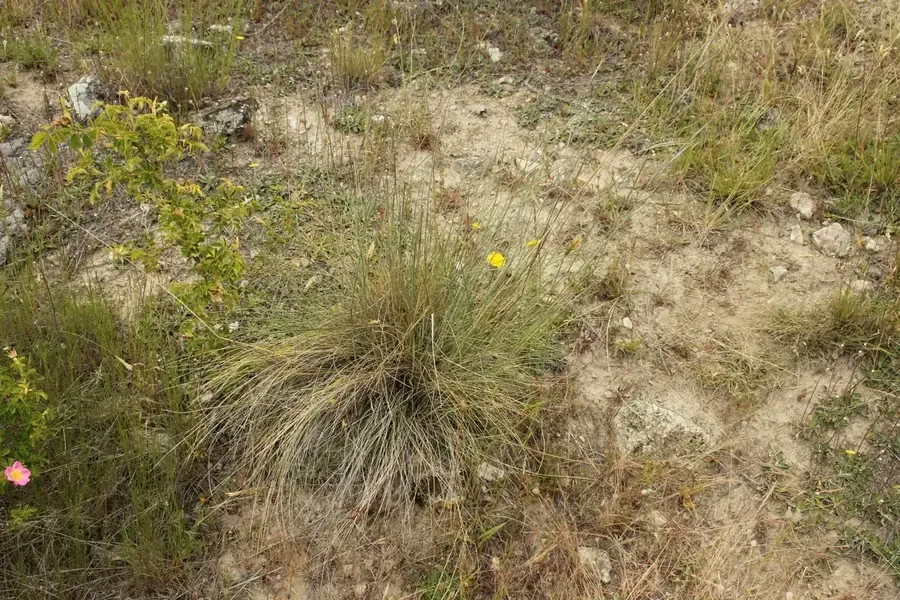
Blue Wheat Grass
Anthosachne aprica
Last updated:
Anthosachne aprica, commonly known as Blue Wheat Grass, is a robust perennial grass endemic to New Zealand's South Island. It forms dense, tufted clumps 0.5 to 1 metre tall, with narrow blue-green leaves up to 300 mm long. Its stiff, erect flower heads carry 3 to 7 spreading spikelets whose florets have long recurved awns up to 45 mm, and anthers often flushed yellow or violet-purple. It grows in the specialised drylands of Central Otago, in short tussock grasslands between about 150 and 500 metres on thin, fast-draining soils. Highly drought tolerant and very cold hardy, it is well suited to hot, dry, exposed inland sites. Explore more native plants such as Marlborough Grass.

Plant Description
Identification and Physical Characteristics
Anthosachne aprica is a robust perennial grass that typically grows in dense, tufted clumps between 0.5 and 1 meter tall. It is characterized by its narrow, blue-green leaves that can be either flat or ribbed, typically measuring up to 300 mm in length. During the flowering season, the plant produces conspicuous, stiff, erect flower heads that bear 3 to 7 spreading spikelets. Each spikelet contains multiple florets distinguished by long, recurved or straight awns that can reach 45 mm in length. The anthers often display vibrant yellow or violet-purple hues, adding subtle colour to the plant's structural and architectural form in its native dryland habitat.
Quick Facts
| Scientific Name | Anthosachne aprica |
|---|---|
| Height | 0.5-1 m |
| Spread | 30-50 cm |
| Water Needs | Low; highly drought tolerant |
| Light | Full sun to bright light |
| Frost Tolerance | High; very cold hardy |
| Salt Tolerance | Moderate to High |
| Growth Rate | Moderate |
| Lifespan | Perennial |
Climate Best Suited to
Anthosachne aprica is well adapted to various New Zealand regions, particularly the dry, continental climates of Central Otago where it experiences intense sun and cold winters.
Regional Suitability
| City | Climate Suitability |
|---|---|
| Auckland | Low |
| Wellington | Medium |
| Christchurch | High |
| Alexandra | High |
Plant Habitat
Natural Occurrence and Ecology
In its natural environment, Blue Wheat Grass is primarily found in the specialized dryland ecosystems of New Zealand's South Island, specifically within the inland basins of Central Otago. It has evolved to occupy niches within short tussock grasslands, typically at elevations between 150 and 500 meters. It prefers exposed slopes, screes, or fellfields with thin, rapidly drained mineral soils. Its ability to tolerate intense radiation, frequent wind, and severe freeze-thaw cycles allows it to persist in challenging habitats where soil nutrients are low and environmental conditions are extreme throughout the year.
Growing Requirements
Soil Requirements
Prefers well-draining, lean sandy or gravelly soil.
- Well-drained
- Low fertility
Light Requirements
Grows best in full sun to very bright indirect light.
- Full Sun
- High Light
Water Requirements
Requires low to moderate watering; highly drought tolerant.
- Low
- Avoid waterlogging
Planting and Establishing
Establishment Guidance
To successfully establish Anthosachne aprica , choose a position that mimics its dryland heritage: full sun and excellent drainage are essential. It requires lean, well-drained soil, ideally a sandy or gravelly substrate, and will not tolerate heavy clay or overly fertile soils. Dig a hole slightly larger than the root ball and water thoroughly after planting to settle the soil. Maintain consistent moisture during the initial establishment period, but once settled, this grass is highly drought-tolerant. Applying a layer of coarse mineral mulch like gravel can help keep the central crown dry and healthy.
Ecological Role
Biodiversity and Ecosystem Impact
Blue Wheat Grass plays a vital role in fragile dryland ecosystems by providing structure and shelter for specialized native invertebrates. Its showy flower heads provide a seasonal nectar source, while its seeds offer a food resource for various native fauna. By forming dense clumps in exposed and rocky habitats, it contributes to the stabilization of thin soils and enhances small-scale habitat diversity. Its ability to tolerate harsh environmental stresses makes it a critical component of the Central Otago grasslands, supporting the overall biodiversity and resilience of New Zealand's unique inland dryland communities.
Uses & Significance
Garden Uses
In a garden setting, Anthosachne aprica is an excellent choice for rock gardens, alpine collections, or specialized gravel gardens. Its striking blue-green foliage provides a bold textural accent that contrasts beautifully with darker-leaved plants or coarser landscaping elements. Due to its upright habit, it is particularly suited for creating architectural interest in water-wise designs. It is highly valued by native plant enthusiasts wishing to create authentic dryland displays that reflect the rugged and unique character of the Central Otago high-country and its specialized inland basin ecosystems.
- Rock gardens
- Gravel gardens
- Water-wise design
Ecological Value
Beyond its ornamental appeal, this species is important for supporting local biodiversity. It provides a micro-habitat for ground-dwelling fauna and supports native pollinator networks with its seasonal flower display. As an endemic species classified as 'At Risk', it is increasingly used in dryland restoration projects aimed at repairing damaged grasslands and protecting the unique evolutionary history of New Zealand's inland basins from the impacts of land development and agricultural intensification across the southern landscape.
- Pollinator support
- Soil stabilization
Landscaping Uses
Modern landscaping can utilize Anthosachne aprica to create naturalistic ground layers in specialized dryland or contemporary designs. Its architectural foliage makes it a perfect softening element for the edges of gravel paths or as a striking textural accent in a minimalist garden. Designers often use it to add a sense of detail and 'wildness' to a project, where its geometric form and unique colour can be highlighted. Its ability to maintain a neat, upright profile while tolerating extreme exposure makes it a reliable and decorative performer for specialized high-impact landscaping in dry, sunny regions.
Seasonal Care Calendar
Spring
As new growth emerges, monitor soil moisture but avoid over-watering. This is the best time to apply a very light dressing of mineral mulch. Check the central crown for any signs of winter damage or excessive organic debris that could cause rot.
- Monitor growth
- Light mulching
Summer
Peak flowering occurs during the warmer months. Provide occasional deep watering only during prolonged, extreme dry spells to maintain the health of the foliage. Enjoy the stiff, erect flower heads that rise gracefully above the blue-green clumps.
- Occasional watering
- Enjoy flowers
Autumn
The winged seeds will mature and be dispersed by the wind. Tidy up the area by removing any large fallen leaves that might smother the dense growth. Ensure the site remains sharply drained as the weather becomes wetter and cooler.
- Seed dispersal
- Check drainage
Winter
Naturally very frost-hardy and adapted to cool conditions. Minimal intervention is required during the dormant winter months; simply ensure the area stays free of heavy organic debris that could trap stagnant moisture around the base.
- Frost protection
- Clear debris
When to Prune and How Much
Anthosachne aprica requires very little pruning to maintain its health and form. Maintenance is primarily limited to removing any dead or damaged outer leaves in late winter or early spring before the new growth cycle begins. If the plant becomes slightly untidy after seed dispersal, the spent flower stalks can be carefully snipped back near the base. Always use sharp, sterilized tools to ensure clean cuts and to minimize the risk of introducing disease to the sensitive crown. Proper maintenance ensures the plant remains a neat and attractive architectural feature in the garden year-round.
- Remove spent umbels
- Trim dead leaves
Always use clean, sharp tools.
How to Grow Blue Wheat Grass
Cultivating Blue Wheat Grass ( Anthosachne aprica ) is a rewarding endeavor for any gardener interested in New Zealand's specialized dryland flora. This resilient species is best grown from fresh seed or through the careful division of established clumps. Replicating its natural well-drained, gritty habitat is the most critical factor for ensuring long-term success and maintaining its striking glaucous foliage in a garden setting.
From Seed
Propagation from seed is often the most reliable method for producing new plants. Seeds should be collected when they are fully mature and brown. For the best germination rates, a period of cold stratification (chilling for several weeks) is recommended to mimic the natural mountain winter and break seed dormancy. Sow the seeds onto the surface of a moist, well-drained, sandy or grit-heavy seed-raising mix. They require bright light and cool temperatures to sprout effectively. Keep the medium consistently moist but never waterlogged during the germination phase, and protect the young seedlings from excessive humidity.
Sow fresh seeds in a grit-based mix.
- Collect mature seeds
- Cold stratification
Keep moist until germination occurs.
From Cuttings
Vegetative propagation via division is possible but must be handled with care to avoid excessive root disturbance. If a healthy clump has become sufficiently large, it can be carefully divided in early spring just as new growth commences. Each new section should have at least one or two active buds and a substantial portion of the original root system. These divisions should be replanted immediately into a gritty, well-drained medium and kept in a cool, bright spot until new growth is observed, indicating that they have successfully re-established their own root systems.
Division is best attempted in early spring.
- Carefully separate sections
- Replant in gritty soil
Additional Methods
Ensuring the correct environmental conditions is often more critical than complex propagation techniques for this species. It thrives when its roots are kept cool and well-drained within a mineral-rich substrate, making it perfect for specialized rock gardens or xeriscaping. Avoid areas subject to high humidity or stagnant soil moisture, which can cause the plant to decline. Once established, the plant is relatively low-maintenance, requiring only occasional deep watering during extreme dry periods to maintain its healthy, tufted architectural form.
Once planted, it requires very little intervention.
- Monitor soil drainage
- Replant divisions immediately
Pests & Diseases
This species is remarkably resistant to most common garden pests. The primary risk in cultivation is root or crown rot, which occurs if the plant is grown in heavy, poorly drained, or excessively fertile soils. To prevent this, ensure that the planting site has excellent drainage and avoid over-fertilizing, which can lead to soft, weak growth that is more susceptible to disease. Young plants should be protected from browsing animals like rabbits, which may target the tender new foliage. Maintaining good air circulation is key to ensuring the long-term health of this hardy native grass.
Cultural Significance
As an endemic South Island dryland species, Anthosachne aprica is considered a taonga (treasure) within New Zealand's botanical heritage. Honoring its whakapapa (ancestry) and practicing kaitiakitanga (guardianship) involves protecting its specialized inland basin habitats from land disturbance and invasive weeds. The species name 'aprica', derived from the Latin for 'open' or 'sunny', reflects its ecological preference for the exposed, sun-drenched landscapes of Central Otago. It stands as a symbol of the resilience and unique evolutionary adaptations required to survive in the harsh, beautiful dryland environments of Aotearoa.
- Dryland heritage
- Botanical treasure
Bonus Tip
To truly showcase the striking blue-green colour of Anthosachne aprica , plant it in small groupings surrounded by dark-coloured gravel or schist mulch. The neutral, dark backdrop highlights the glaucous foliage and makes it a dramatic focal point in any contemporary or native-themed dryland garden collection.
Related Plants
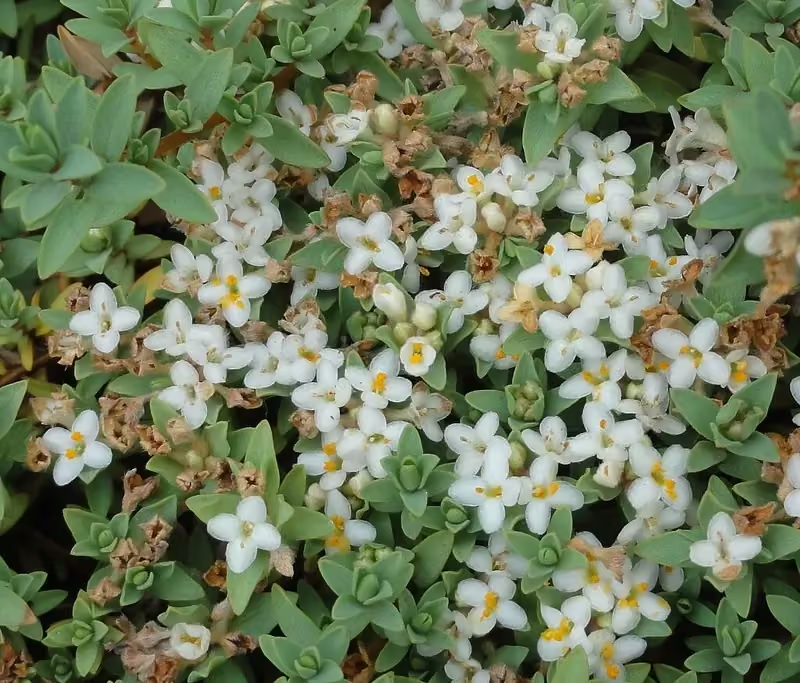
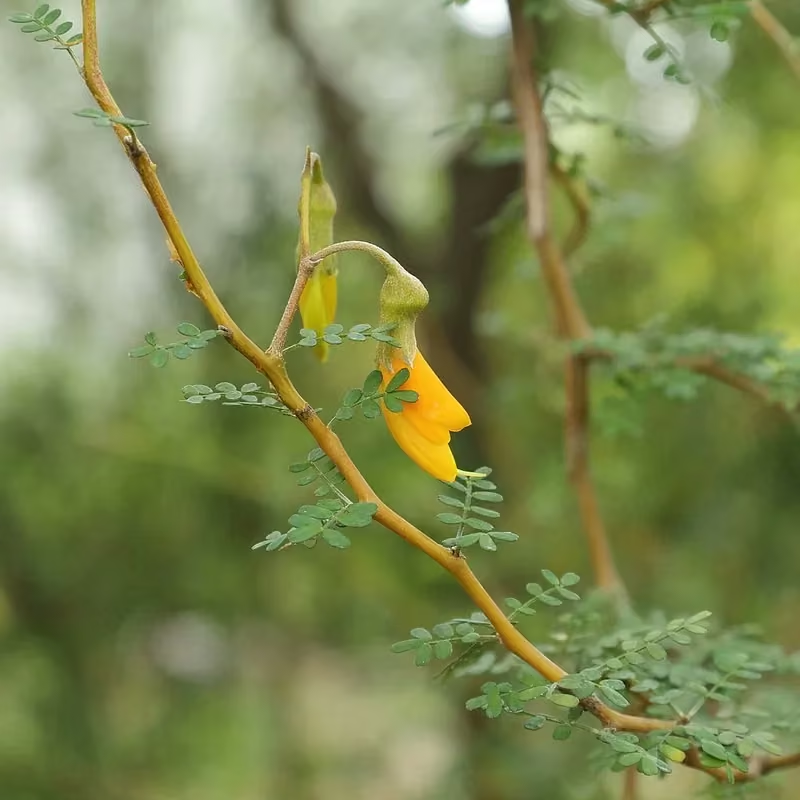
Explore other native plants that share similar characteristics or habitats with Anthosachne Aprica ( Anthosachne aprica ), offering further insights into New Zealand's diverse flora. These related species provide context and opportunities for complementary planting in your garden.



Plant Conservation
Conservation Status
Currently classified as 'At Risk - Naturally Uncommon' nationally, Anthosachne aprica remains a characteristic part of New Zealand's South Island dryland biodiversity. However, wild populations in the Central Otago basins face ongoing threats from land development, agricultural intensification, and the expansion of the wine industry. Protecting the remaining natural grasslands and ensuring that these unique habitats are preserved from excessive human disturbance is key to maintaining the healthy populations of Blue Wheat Grass that currently thrive across its restricted natural range.
Frequently Asked Questions
How tall does Anthosachne aprica grow?
Blue Wheat Grass forms tufted clumps typically between 0.5 and 1 metre tall.
Where does Blue Wheat Grass grow naturally?
It grows in the dryland tussock grasslands of Central Otago on the South Island, at around 150 to 500 metres elevation.
Is Anthosachne aprica drought tolerant?
Yes, it has low water needs and is highly drought tolerant, adapted to dry, free-draining mineral soils.
Does Blue Wheat Grass tolerate frost?
Yes, it is very cold hardy with high frost tolerance, suiting Central Otago's cold winters.
Sources and Further Reading
The botanical, growing, and conservation details for Blue Wheat Grass (Anthosachne aprica) on this page draw on authoritative New Zealand plant references and citizen-science observation records. Consult the sources below for full technical records and the latest distribution data.