Silver Pine
Manoao colensoi
Last updated:
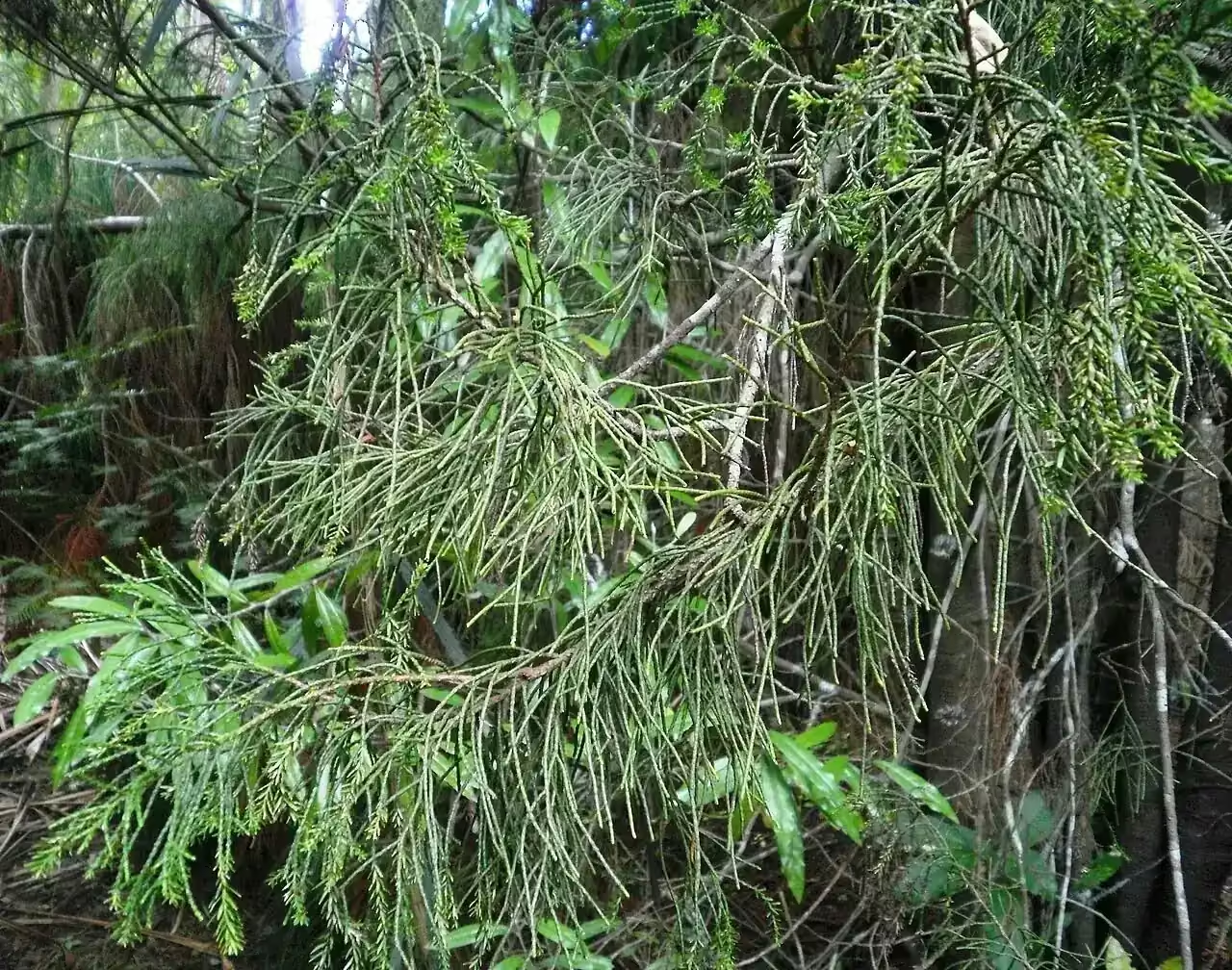
Silver Pine (Manoao colensoi), or manoao, is an evergreen New Zealand conifer and the only species in its genus. It typically grows 10-15 m tall, occasionally to 20 m, with yellow-green scale-like foliage and branch tips that weep gracefully. Extremely slow-growing and very long-lived, it favours consistently moist, high-rainfall western sites from North Cape to South Westland, where it colonises boggy ground and stabilises bog margins. Frost-hardy to about -12 degrees C, it prefers partial shade and wet soil. Māori and early settlers prized its exceptionally durable, decay-resistant timber for construction where longevity mattered. Explore more New Zealand native trees in our native plant guide.
Plant Description
Identification and Physical Characteristics
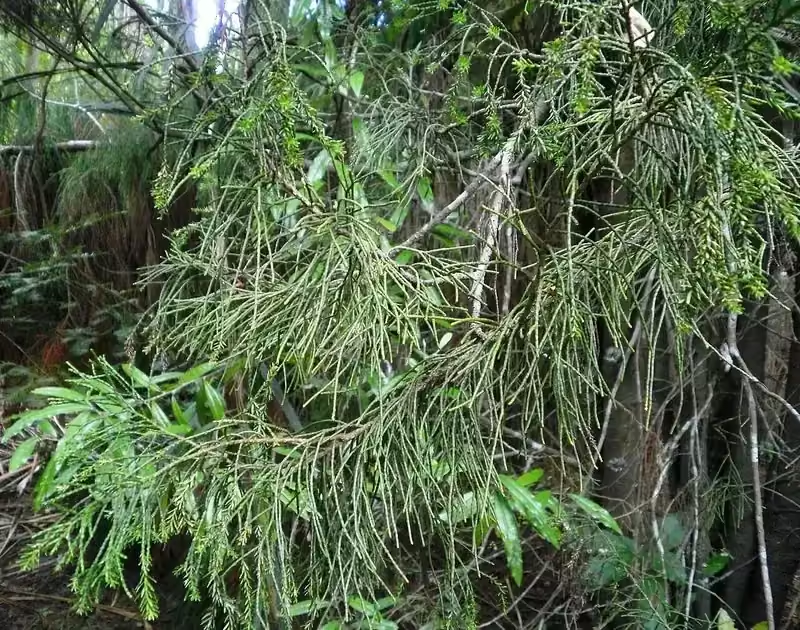
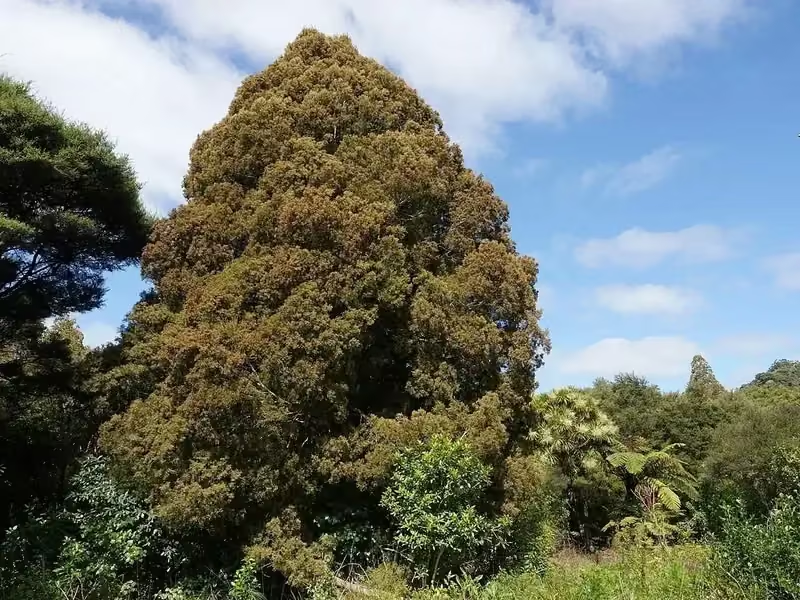
Manoao colensoi , commonly known as Silver Pine, Westland Pine, or Manoao in te reo Māori, is the sole species in the monotypic genus Manoao, making it truly unique among New Zealand's conifers. This evergreen conifer grows to heights of 15 meters tall with a trunk diameter up to 1 meter at breast height. Young trees display a distinctive cone shape, while mature specimens develop a tall, moderately spreading crown with yellow-green foliage and branches that weep gracefully at their ends. The juvenile plants exhibit limp needle-like leaves that gradually transform into overlapping yellowish-green scale-like leaves with a prominent ridge or keel on the lower outer surface. The bark is grey-brown and flakes off in thick scales, revealing reddish-brown patches underneath. One of the most remarkable features of this species is its extremely rare ability among conifers to spread via underground stems that produce suckers, ultimately giving rise to new trees; a trait shared only occasionally with another New Zealand genus, Phyllocladus.
Quick Facts
| Scientific Name | Manoao colensoi |
|---|---|
| Height | 10-15 m (occasionally up to 20 m) |
| Spread | 3-5 m (can form groves via suckers) |
| Water Needs | High; prefers consistently moist conditions |
| Light | Partial shade to filtered sun |
| Frost Tolerance | Good; hardy to -12°C |
| Salt Tolerance | Low |
| Growth Rate | Very slow (0.6-1.7 mm diameter annually) |
| Lifespan | Very long-lived (several centuries) |
Climate Best Suited to
Manoao colensoi thrives in high-rainfall temperate climates typical of New Zealand's western regions. It requires consistent moisture with mean annual precipitation around 3700 mm in its natural habitat. The species tolerates mean annual temperatures of about 11°C and can withstand winter minimums down to -12°C. While naturally occurring in very wet environments, it actually grows faster on well-drained sites with adequate moisture rather than waterlogged soils.
Regional Suitability
| City | Climate Suitability |
|---|---|
| Auckland | Medium |
| Wellington | High |
| Christchurch | Low |
| Dunedin | Medium |
| Hamilton | Medium |
| Tauranga | Medium |
| Nelson | Medium-High |
| Greymouth | High |
Plant Habitat
Natural Occurrence and Ecology
Manoao colensoi is found from North Cape to South Westland and Lake Te Anau, though it is notably absent from large parts of the North Island, eastern South Island, Fiordland, and Stewart Island. In the North Island, it occurs from Te Paki southward, being uncommon in the north but mainly concentrated around the mountains of the Central Volcanic Plateau. In the South Island, it predominantly inhabits westerly areas with high rainfall. The species typically grows in shady situations on older, poorly drained surfaces with leached, infertile soils, particularly in acid swamps and peats, notably the distinctive 'pakihi' lands of the western South Island. As a pioneer species of infertile bogs, it has adapted to thrive where few other trees can compete, though paradoxically it grows best on deep, fertile, well-drained soils when given the opportunity. The species forms part of the complex mosaic of New Zealand's temperate rainforests and plays an important ecological role in colonizing and stabilizing wetland margins.
Growing Requirements
Soil Requirements
Adaptable to various soil types but prefers acidic to neutral pH with good organic content. While naturally found in poorly drained, infertile soils, it performs best in deep, fertile, well-drained conditions with consistent moisture.
- Acidic to neutral pH (4.5-7.0)
- Rich in organic matter
- Well-drained but moisture-retentive
- Tolerates poor, peaty soils
Light Requirements
Naturally occurs in shady forest situations. Seedlings are notably shade-tolerant, allowing them to establish under forest canopy. Mature trees benefit from filtered sunlight or partial shade.
- Partial shade preferred
- Filtered sunlight
- Tolerates deep shade when young
- Avoid full sun exposure
Water Requirements
Evolved in high-rainfall districts receiving around 3700 mm annually. Requires consistent moisture but not waterlogging. Once established, shows some drought tolerance but grows best with regular water supply.
- High water needs
- Keep soil consistently moist
- Good drainage essential
- Mulch to retain moisture
Planting and Establishing
Establishment Guidance
When planting Manoao colensoi , select a sheltered site with partial shade and protection from strong winds. Prepare a planting hole twice the width of the root ball and amend heavy clay soils with organic matter to improve drainage. Plant at the same depth as the nursery container, ensuring the root collar sits at soil level. Water thoroughly after planting and maintain consistent moisture during establishment. Apply a thick layer of organic mulch around the base, keeping it away from the trunk to prevent rot. Young plants benefit from shade cloth or companion planting with faster-growing natives that provide initial shelter. Due to its very slow growth rate, patience is essential; consider planting multiple specimens to create the grove effect that occurs naturally through suckering. Protect from browsing animals, particularly possums and deer, which can damage young growth. Regular monitoring during the first three years ensures successful establishment, after which the plant becomes remarkably resilient and requires minimal maintenance beyond ensuring adequate moisture during dry periods.
Ecological Role
Biodiversity and Ecosystem Impact
Manoao colensoi plays a specialized ecological role as a pioneer species in New Zealand's wetland and forest ecosystems. Its ability to colonize infertile, waterlogged soils makes it crucial for stabilizing bog margins and initiating forest succession in challenging environments. The tree provides important habitat structure in pakihi lands and swamp forests, where its persistent canopy offers shelter for epiphytes, including native orchids and ferns. Birds such as kākā and parakeets feed on its seeds, while the dense foliage provides nesting sites for smaller forest birds. The unique suckering habit creates interconnected grove systems that increase structural complexity and microhabitat diversity. As one of only twenty native conifer species in New Zealand, and the sole representative of its genus, Silver Pine contributes unique genetic diversity to the country's flora. Its slow growth and longevity mean individual trees become increasingly valuable ecological anchors over centuries, supporting complex communities of associated species including lichens, mosses, and invertebrates that depend on stable, long-lived host trees.
Uses & Significance
Garden Uses
Silver Pine makes an exceptional specimen tree for gardens with suitable conditions. Its distinctive yellow-green foliage, weeping branch tips, and unique growth form create year-round interest. Ideal for woodland gardens, bog gardens, and as a feature in native plant collections.
- Specimen tree for large gardens
- Woodland and forest gardens
- Bog garden feature
- Native restoration projects
- Conservation plantings
Ecological Value
Provides critical ecosystem services including soil stabilization in wetlands, carbon sequestration over centuries, and habitat for specialized wetland fauna. Seeds provide food for native birds, while the tree supports diverse epiphytic communities.
- Seed source for kākā and parakeets
- Host for native epiphytes
- Wetland stabilization
- Long-term carbon storage
- Microhabitat provider
Landscaping Uses
In landscape design, Manoao colensoi offers unique aesthetic and ecological value for projects emphasizing native biodiversity and long-term sustainability. Its distinctive form with weeping branch tips and yellow-green foliage provides textural contrast against darker-leaved natives. The tree works exceptionally well in naturalistic woodland plantings, where its slow growth allows for long-term garden stability without frequent maintenance. Consider using it as a focal point in rain gardens or bioswales, where its adaptation to moist conditions proves advantageous. The suckering habit can be utilized to create naturalistic groves over time, providing screening and habitat complexity. For heritage or botanical gardens, Silver Pine represents an important conservation specimen, being one of New Zealand's rarest conifers in cultivation. Partner with other moisture-loving natives like kahikatea, pukatea, and tree ferns to recreate authentic New Zealand forest associations. Its tolerance of shade makes it valuable for underplanting established trees, gradually adding mid-story complexity to developing forest gardens.
Seasonal Care Calendar
Spring
Apply slow-release native plant fertilizer sparingly. Check for new growth and sucker development. Refresh mulch layer to conserve moisture for the growing season ahead.
- Light fertilization if needed
- Monitor new growth
- Refresh organic mulch
- Check for pest damage
Summer
Maintain consistent moisture during dry periods. Monitor for stress signs like yellowing foliage. Provide additional shade for young plants during extreme heat.
- Deep watering weekly
- Monitor soil moisture
- Check for heat stress
- Maintain mulch cover
Autumn
Ideal planting time for new specimens. Collect seeds if available for propagation. Prepare plants for winter by ensuring good drainage around root zone.
- Plant new specimens
- Collect ripe seeds
- Reduce watering gradually
- Clear debris from base
Winter
Silver Pine is frost-hardy but young plants benefit from wind protection. Avoid fertilizing. Monitor drainage to prevent waterlogging during wet weather.
- Protect young plants from wind
- Ensure good drainage
- No fertilization needed
- Minimal maintenance required
When to Prune and How Much
Manoao colensoi requires minimal pruning due to its naturally attractive form and slow growth rate. Any necessary pruning should be done in late winter or early spring before new growth begins.
- Remove only dead or damaged branches
- Avoid heavy pruning which can spoil natural form
- Thin crowded suckers if grove management needed
- Clean cuts with sharp, sterilized tools
- Never top or severely reduce main leader
The tree's slow growth means pruning decisions have long-lasting consequences. Focus on maintaining the natural weeping character of branch tips and the overall pyramidal to columnar shape. If managing suckering growth, selectively remove unwanted shoots at ground level rather than attempting to control through pruning. Remember that each cut on this slow-growing species may take years to heal completely, so conservative pruning approaches work best. For specimen trees, the goal should be to enhance rather than alter the natural form, removing only what is necessary for tree health and structural integrity.
How to Grow Silver Pine
Cultivating Silver Pine ( Manoao colensoi ) is a rewarding endeavor for any gardener interested in New Zealand's unique flora. This species can be propagated through several methods, each requiring specific conditions to ensure healthy growth and establishment. Successful propagation depends on mimicking the plant's natural environment and providing consistent care during the early stages of development.
From Seed
Propagation from seed is often the most effective way to produce a large number of Silver Pine plants. Seeds should be collected when they are fully mature, typically in autumn when cones begin to open. Freshly collected seeds generally have higher germination rates than those that have been stored for long periods. Germination can be very slow and erratic, sometimes taking several months, so patience is essential. The seeds benefit from a period of cold stratification to break dormancy.
Sow fresh seeds in a well-draining, acidic seed-raising mix kept consistently moist but not waterlogged. Use containers with excellent drainage.
- Collect ripe seeds from female cones in autumn
- Cold stratify for 2-3 months at 4°C
- Sow in acidic seed-raising mix
- Maintain in cool, shaded conditions
- Keep consistently moist using rain or distilled water
- Be patient; germination may take 3-12 months
Once germinated, seedlings are slow-growing and should remain in containers for at least two years before transplanting.
From Cuttings
For those wishing to replicate specific characteristics of a parent plant, vegetative propagation via cuttings is the preferred method. This technique ensures that the new plants are genetically identical to the source. Hardwood cuttings taken during winter dormancy usually yield the best results for this species.
Take hardwood cuttings in winter from current season's growth. Use rooting hormone specifically formulated for difficult-to-root conifers.
- Select healthy hardwood shoots in winter
- Cut 10-15 cm lengths with a heel if possible
- Remove lower foliage carefully
- Dip in IBA rooting hormone (3000-8000 ppm)
- Insert in pumice or perlite mix
- Maintain high humidity with bottom heat
Additional Methods
The unique suckering ability of Manoao colensoi offers another propagation opportunity. Root suckers can be carefully separated from the parent plant and grown on independently. This natural characteristic makes it one of the few conifers that can be propagated through division.
Division of root suckers should be done in early spring when the plant is beginning active growth.
- Locate healthy suckers with their own root system
- Carefully excavate around the sucker
- Sever connection to parent with sharp spade
- Lift with as much root system as possible
- Pot immediately in suitable growing medium
- Keep shaded and moist until established
Pests & Diseases
Manoao colensoi is generally resistant to major pests and diseases, benefiting from its adaptation to New Zealand's native conditions. However, young plants can be vulnerable to browsing damage from possums, deer, and goats, which find the foliage palatable. Root rot can occur in poorly drained soils, particularly Phytophthora species, emphasizing the importance of good drainage despite the plant's preference for moist conditions. Scale insects occasionally infest stressed plants, appearing as small brown bumps on stems and foliage. Fungal needle blights may develop in overly humid conditions with poor air circulation. Prevention through proper siting, adequate spacing, and maintaining plant vigor provides the best defense. If pest issues arise, use targeted organic interventions rather than broad-spectrum chemicals that could harm beneficial organisms. Regular monitoring allows early detection and intervention before problems become severe. The slow growth rate means recovery from damage takes considerable time, making prevention particularly important for this species.
Cultural Significance
Manoao colensoi holds important cultural and historical significance in New Zealand. Before European colonization, Māori recognized manoao as exceptionally durable timber, using it for specialized construction where longevity was paramount. The wood's resistance to decay made it valuable for whare (house) foundations and posts in contact with soil. The species is named after William Colenso (1811-1899), a British missionary, printer, botanist, and explorer who collected the type specimen and contributed significantly to documenting New Zealand's flora. The timber gained commercial importance during the colonial period for its strength, durability, and beautiful grain, leading to extensive harvesting. The wood was particularly prized for furniture making, flooring, and weather-exposed construction. Today, with native trees fully protected by law, manoao represents both natural and cultural heritage. Its rarity in cultivation (found in only ten botanical gardens globally according to recent surveys) highlights the importance of conservation efforts. The tree's unique biological characteristics, including its rare suckering ability among conifers, make it scientifically valuable for understanding conifer evolution and adaptation strategies.
- Traditional Māori construction material
- Historical timber for furniture and building
- Scientific importance as monotypic genus
- Conservation symbol for wetland forests
- Educational value in botanical collections
Bonus Tip
Take advantage of Silver Pine's unique suckering ability by allowing it space to form a natural grove over time. This creates a spectacular landscape feature that mimics its natural growth pattern.
For an authentic forest garden effect, underplant your Manoao colensoi with native ferns like crown fern (Blechnum discolor) and filmy ferns (Hymenophyllum species), along with native sedges that thrive in similar moist, shaded conditions. This combination not only looks natural but also helps maintain the humid microclimate that Silver Pine prefers. Consider installing a rain garden or bog feature nearby to provide the consistent moisture levels that promote optimal growth. Remember that while this tree grows slowly, its longevity means you're creating a legacy planting that will be enjoyed for generations; a true investment in New Zealand's botanical heritage.
Related Plants
Explore other native plants that share similar characteristics or habitats with Silver Pine ( Manoao colensoi ), offering further insights into New Zealand's diverse flora. These related species provide context and opportunities for complementary planting in your garden. For another native tree, explore Townsons Tree Daisy.




Plant Conservation
Conservation Status
Manoao colensoi is currently classified as "Not Threatened" according to the New Zealand Threat Classification System. However, this status doesn't fully reflect the species' conservation challenges. While not immediately threatened with extinction, Silver Pine faces ongoing habitat loss through wetland drainage, conversion of pakihi lands, and climate change impacts on its specialized bog habitats. The species' very slow growth rate and specific habitat requirements make population recovery challenging. Its extreme rarity in cultivation (present in only ten botanical collections worldwide) represents a missed opportunity for ex-situ conservation. The tree's unique biological characteristics, including being the sole species in its genus and one of the few conifers capable of suckering, make it irreplaceable from both ecological and evolutionary perspectives. Conservation efforts should focus on protecting remaining pakihi and wetland forest habitats, establishing ex-situ populations in botanical gardens, and promoting its use in appropriate restoration projects. Home gardeners can contribute by growing this species where conditions permit, helping to maintain genetic diversity outside its natural range.
Frequently Asked Questions
How tall does Silver Pine grow?
Silver Pine usually reaches 10-15 m tall, and occasionally grows up to 20 m.
How fast does Manoao colensoi grow?
It grows very slowly, adding only about 0.6-1.7 mm of trunk diameter each year.
Is Silver Pine frost tolerant?
Yes, it has good frost tolerance and is hardy to around -12 degrees C.
Where does Silver Pine grow naturally?
It grows in moist, high-rainfall areas from North Cape to South Westland and Lake Te Anau, favouring boggy ground and forest margins.
Sources and Further Reading
The botanical, growing, and conservation details for Silver Pine (Manoao colensoi) on this page draw on authoritative New Zealand plant references and citizen-science observation records. Consult the sources below for full technical records and the latest distribution data.