Dancing Spider Orchid
Corybas acuminatus
Last updated:
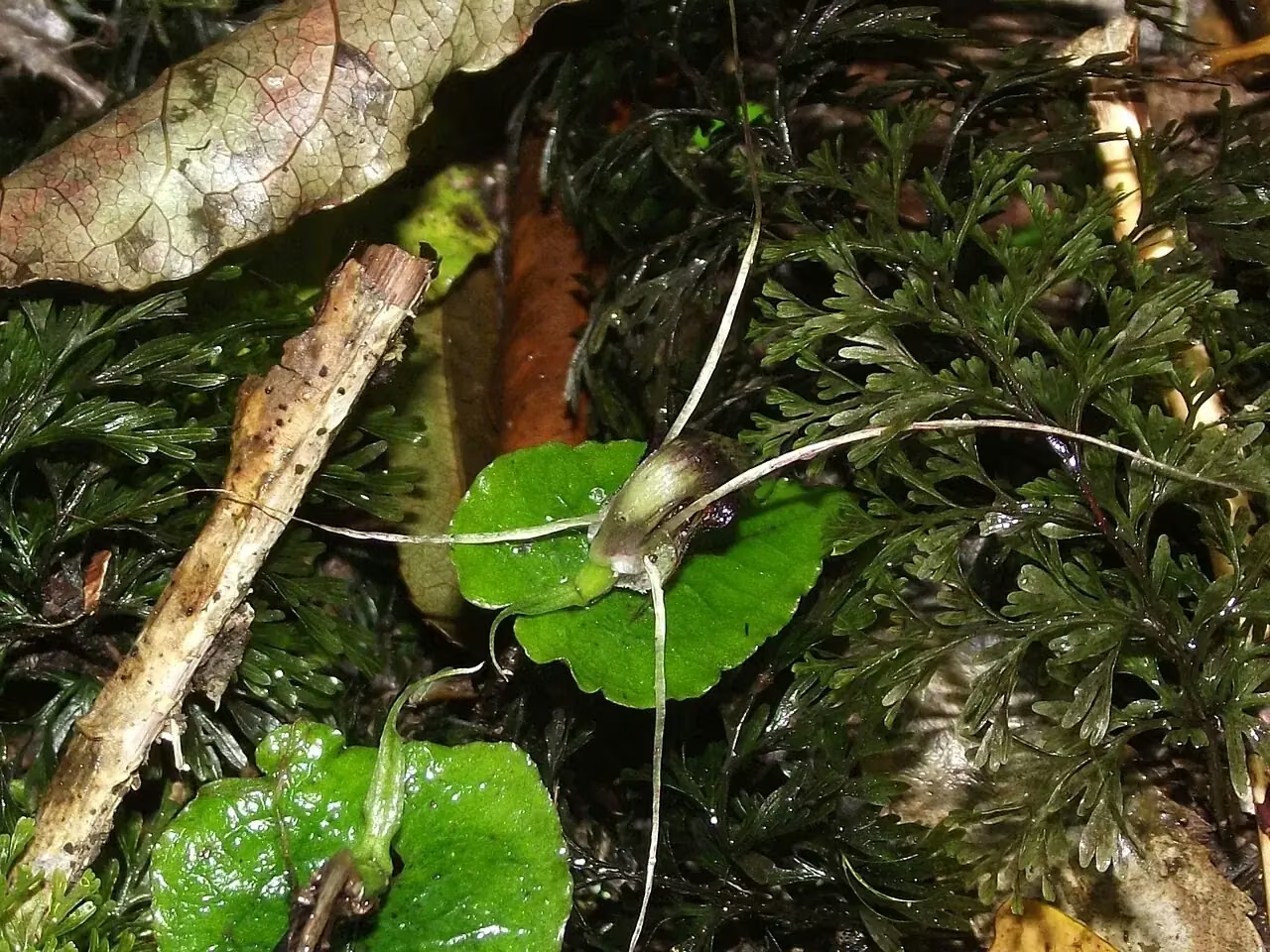
The dancing spider orchid (Corybas acuminatus) is a small, deciduous terrestrial orchid that grows only up to 60 mm tall when flowering. It produces a single triangular to heart-shaped leaf up to 40 mm long, light green with striking reddish veins and a silvery underside. Its translucent flower is flecked with dull red and dominated by a long dorsal sepal and even longer, thread-like lateral sepals that can extend 60 mm, giving it a dramatic spidery look. A specialist of moist, shaded forest floors, deep leaf litter, scrub and subalpine mires, it ranges from the North Island to the subantarctic Auckland Islands and is prized by orchid enthusiasts as an indicator of undisturbed native forest. Explore more native flowering plants in our native plant guide.
Plant Description
Identification and Physical Characteristics
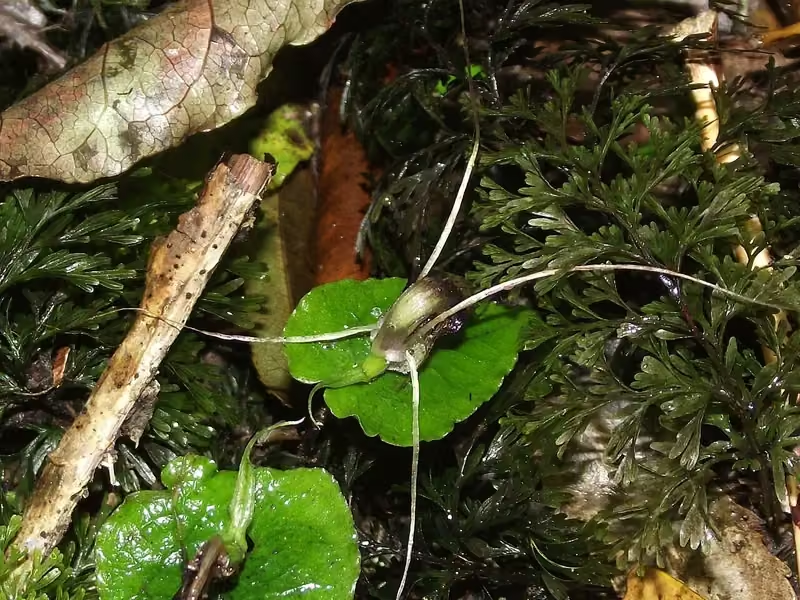
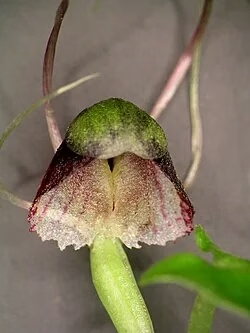
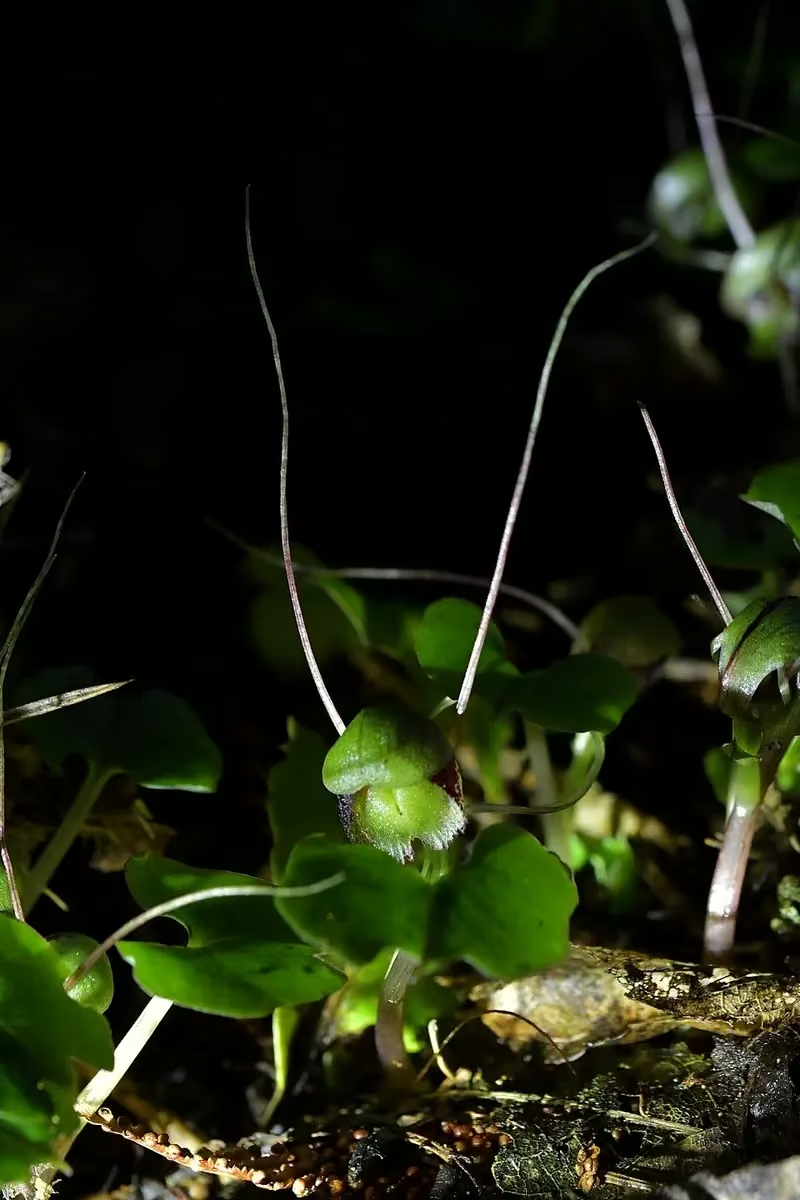
Corybas acuminatus is a small, deciduous, terrestrial orchid that can grow up to 60 mm tall when in flower. It typically produces a single, triangular to heart-shaped leaf that measures up to 40 mm in length. The leaf is light green on top with very noticeable reddish veins and a silvery underside, often with wavy or undulating margins. The solitary flower is more or less translucent, adorned with dull red stripes or flecks. Its most striking feature is the dorsal sepal, which can reach up to 40 mm in length and terminates in a long, horizontal, thread-like tip. The lateral sepals are even longer, erect, and thread-like, sometimes extending 60 mm beyond the flower body, creating a dramatic and elegant silhouette.
Quick Facts
| Scientific Name | Corybas acuminatus |
|---|---|
| Height | 4-6 cm (Small Herb) |
| Spread | 2-4 cm |
| Water Needs | Moderate to High (Moist Forests) |
| Light | Deep Shade to 70% Shade |
| Frost Tolerance | High (Found in subalpine zones) |
| Salt Tolerance | Low |
| Growth Rate | Seasonal (Late winter to summer) |
| Lifespan | Perennial (Tuberous) |
Climate Best Suited to
The Dancing Spider Orchid is well-adapted to the cool, temperate, and moist climates of New Zealand. It is widely distributed, found from the North Island down to the subantarctic Auckland Islands. It thrives in regions with high rainfall and consistent humidity, particularly where the forest canopy or dense scrub provides a stable, protected microclimate. It is exceptionally hardy, capable of surviving the cold conditions of subalpine mires and tarn margins during its growing season.
Regional Suitability
| City | Climate Suitability |
|---|---|
| Auckland | Highly Suitable |
| Wellington | Highly Suitable |
| Christchurch | Suitable (In moist gardens) |
| Dunedin | Highly Suitable |
| Nelson | Highly Suitable |
| Invercargill | Highly Suitable |
Plant Habitat
Natural Occurrence and Ecology
In its natural environment, Corybas acuminatus is a specialist of the moist, shaded forest floor. It is most frequently found in tall indigenous forests where it grows in deep, undisturbed leaf litter. However, its habitat range is broad, encompassing dense scrubland, the margins of alpine tarns, and subalpine mires. It prefers sites that remain perpetually damp, often growing alongside mosses and other small ferns. It is a plant of the "micro-niche," seeking out the humid air and stable temperatures provided by the lowest layers of the forest or scrubland ecosystem.
Growing Requirements
Soil Requirements
Requires a highly organic, loose medium that mimics forest humus and leaf litter.
- Composted leaf mold
- Weathered sawdust/wood
- Granulated bark and sand
Light Requirements
Thrives in low-light environments. It requires at least 50-70% shade to prevent the delicate flowers from scorching.
- Deep shade
- Cool shade-house sites
- No direct midday sun
Water Requirements
Needs consistent moisture during the spring and summer growing season. Requires a drier rest period in late summer.
- Weekly spring watering
- High humidity (50-70%)
- Dormant summer rest
Planting and Establishing
Establishment Guidance
Establishing the Dancing Spider Orchid in a garden is considered very difficult and is generally only successful for dedicated native plant enthusiasts. They should never be removed from the wild. For those with nursery-raised stock, the best way to establish them is by planting their tiny tubers into a dedicated "orchid trough" or a protected spot under a mature native canopy. Plant tubers approximately 1-2 cm deep in late winter. Mulch the surface with a thin layer of fine native leaf litter to maintain high surface humidity. Success is indicated by the emergence of the single veined leaf in late winter or early spring. Avoid any physical disturbance to the soil, as the plant relies on a delicate network of soil fungi.
Ecological Role
Biodiversity and Ecosystem Impact
Corybas acuminatus plays a vital, though subtle, role in the biodiversity of the New Zealand forest floor. Like many native orchids, it has a complex symbiotic relationship with mycorrhizal fungi in the soil, which helps in the cycle of nutrients. The flowers are specifically adapted to attract small forest insects, particularly fungus gnats, which are its primary pollinators. By supporting these insect populations, the orchid contributes to the wider forest food web. Its presence is often an indicator of a healthy, intact forest ecosystem with an undisturbed leaf litter layer and high ambient humidity.
Uses & Significance
Garden Uses
Due to its size and sensitivity, it is not used in general gardening. it is primarily a subject for specialized botanical education and conservation gardens where its intricate flowers can be appreciated.
- Specialist shade houses
- Conservation education
- Botanical photography
Ecological Value
Supports specialized pollinator communities and represents the incredible diversity of New Zealand's terrestrial orchid flora.
- Fungal biodiversity
- Pollinator support
- Indicator of forest health
Landscaping Uses
It has no place in conventional landscaping. However, it is an essential component of professional forest restoration projects that aim to restore the full spectrum of forest floor biodiversity, including the specialized "micro-flora" of the understory.
Seasonal Care Calendar
Spring
Peak growth and flowering season from August to December. Maintain high humidity and consistent moisture.
- Mist frequently
- Protect from snails
Summer
Plant enters dormancy as temperatures rise. The leaf naturally withers. Stop all additional watering.
- Stop watering
- Keep cool and shaded
Autumn
Tubers remain dormant underground. No action is required other than ensuring the area remains undisturbed.
- Zero intervention
- Maintain mulch layer
Winter
Tubers begin to activate. Ensure the soil medium is slightly moist as the first sign of growth may appear late in the season.
- Check moisture
- Avoid any digging
When to Prune and How Much
Pruning is not applicable to Corybas acuminatus . The plant naturally withers and dies back to the underground tuber after its short growing season.
- No pruning needed
- Natural seasonal cycle
Attempting to remove dead leaves prematurely can damage the tiny tuber and should be avoided. Let the foliage wither and disappear naturally into the mulch.
How to Grow Dancing Spider Orchid
Cultivating the Dancing Spider Orchid ( Corybas acuminatus ) is a formidable challenge that should only be undertaken by those with experience in terrestrial orchid management. These plants are not typical garden subjects; they are part of a delicate symbiotic relationship with mycorrhizal fungi in the soil. Without these specific fungi, the orchid cannot take up nutrients and will eventually fail. Therefore, "growing" this orchid is actually about managing a complex, soil-based micro-ecosystem. The most critical factors are maintaining high ambient humidity, deep shade, and a soil medium that replicates the organic-rich, moist, and undisturbed conditions of a mature native forest floor.
From Tubers
Tuber propagation is the most feasible method for specialist orchid growers. Tubers must always be sourced from ethical, registered native plant nurseries.
The tubers are tiny and brittle, often smaller than a pea, and must be handled with extreme care.
- Repotting should only occur during the peak of summer dormancy when no above-ground parts are visible.
- Use a medium composed of 2 parts coarse sand, 2 parts leaf mold, 1 part weathered sawdust, and 1 part granulated bark.
- The medium should be acidic and airy to support fungal growth and prevent tuber rot.
- Place tubers approximately 1-2 cm below the surface and cover with a very light layer of forest floor mulch.
- Keep the containers in a cool, deep-shade environment where the humidity remains consistently high.
- Water only with rainwater to avoid the buildup of chemicals that could harm the delicate soil fungi.
- Watch for the leaf emergence in late winter, which signals the start of the active watering cycle.
From Seed
Propagation from seed is a high-level technical process usually conducted in sterile laboratory environments. The seeds are microscopic and contain no stored energy.
They will only germinate if they come into contact with the specific mycorrhizal fungus the species requires.
- Collect the seed capsules just as they begin to split open in late spring or early summer.
- In laboratories, seeds are sown on specialized nutrient agar plates that have been pre-inoculated with the correct fungus.
- For non-laboratory attempts, "symbiotic sowing" involves scattering the seeds onto the soil surface around healthy, established parent colonies.
- The process from seed to a flowering-sized tuber can take several years of meticulous monitoring.
Group Expansion
The best way to increase your population of Dancing Spider Orchids is to allow established plants to form a natural colony. In a healthy and undisturbed environment, a healthy tuber will often produce offsets, leading to a small cluster of orchids over time. The key to this natural increase is zero disturbance-the more the soil, moss, and leaf litter are left alone, the more the colony will expand and thrive.
Pests & Diseases
The primary threat to Corybas acuminatus is snails and slugs, which can consume the entire plant in a single night. Tuber rot is also a major risk if the soil medium becomes waterlogged or anaerobic during the summer dormancy. Maintain good air circulation to prevent foliage rots in the spring while keeping humidity levels high.
Cultural Significance
In Māori culture, spider orchids (pekapeka) are often regarded as indicators of forest purity and the health of the 'ngahere' (forest). Corybas acuminatus , with its long, elegant sepal tips, represents the incredible detail and beauty of the smallest members of our native flora. It is a symbol of the complex interdependencies that exist within our primary forests and a reminder of the importance of protecting these delicate and often hidden ecosystems.
- Hidden treasure of the forest
- Symbol of ecosystem purity
Bonus Tip
If you are looking for these in the wild, check for them in late winter or early spring! The long, thread-like sepal tips often catch the light even in the deep shade, making them look like tiny white spiders "dancing" just above the leaf litter.
Related Plants
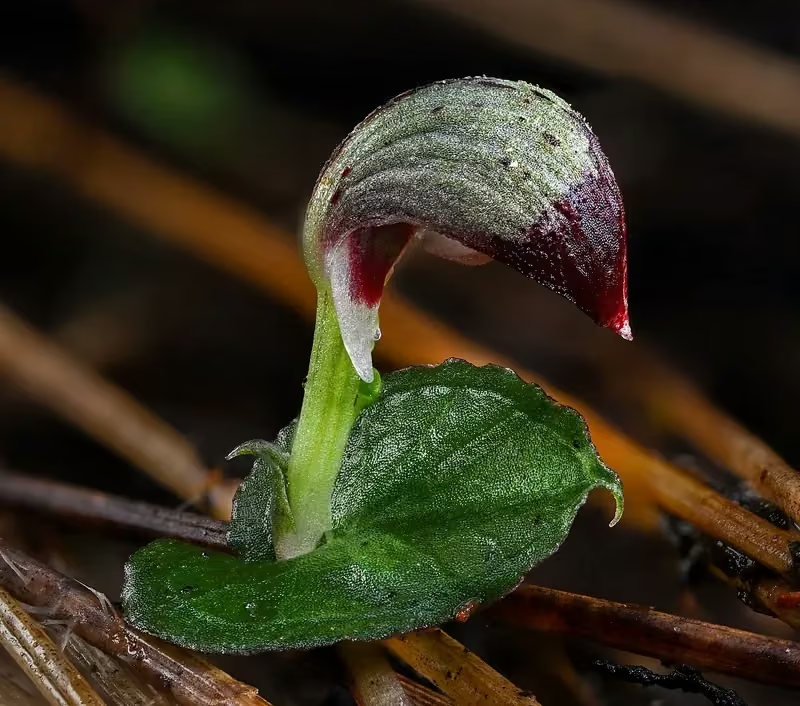
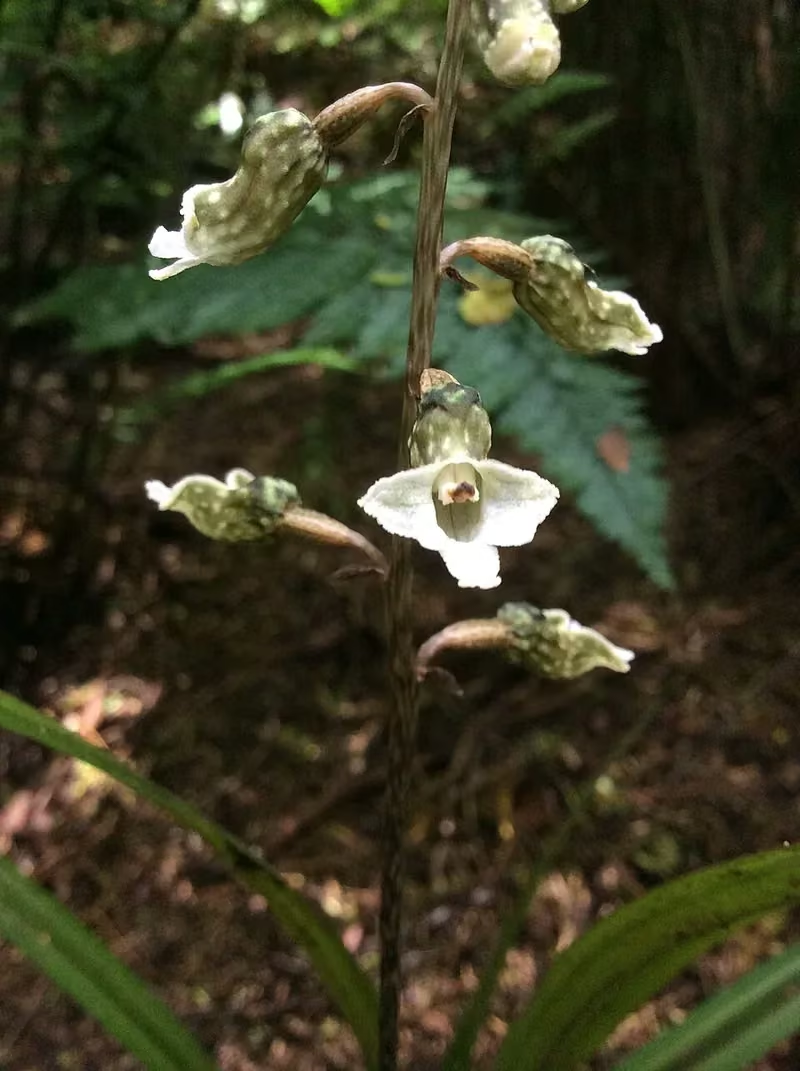
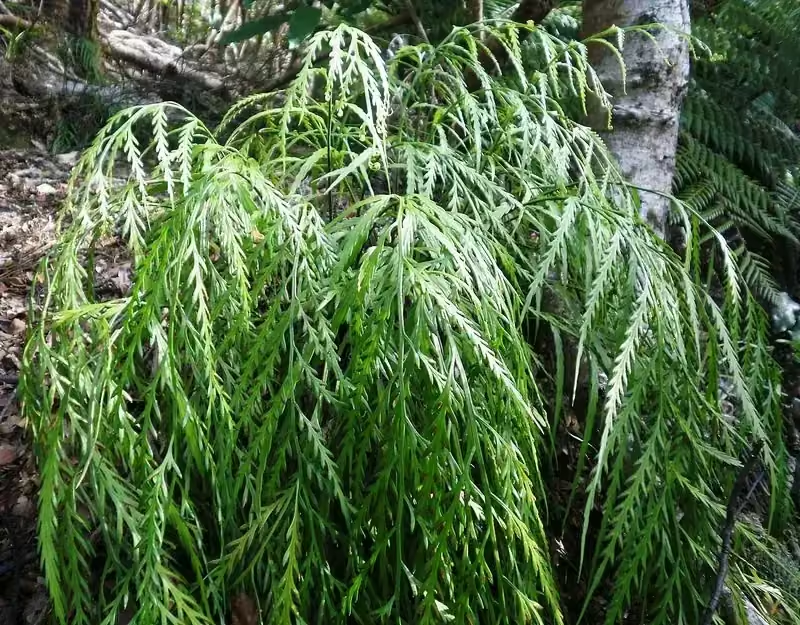
Explore other native plants that share similar characteristics or habitats with Dancing Spider Orchid ( Corybas acuminatus ), offering further insights into New Zealand's diverse flora. These related species provide context and opportunities for complementary planting in your garden.
Plant Conservation
Conservation Status and Threats
Corybas acuminatus is currently classified as Not Threatened. It is relatively widespread across New Zealand's main islands and several offshore groups. However, like all specialized forest floor plants, it is sensitive to large-scale habitat loss and the degradation of the native forest understory. Maintaining the integrity of our primary forests, controlling invasive species that disturb the leaf litter, and protecting local forest hydrology are all essential for the long-term health of Dancing Spider Orchid populations.
Frequently Asked Questions
How tall does the dancing spider orchid grow?
Corybas acuminatus grows only up to about 60 mm tall when in flower, making it a tiny herb.
Where does Corybas acuminatus grow naturally?
It grows on moist, shaded forest floors and subalpine mires from the North Island to the Auckland Islands.
Does Corybas acuminatus tolerate frost?
Yes, it has high frost tolerance and is found even in subalpine zones.
How much light does the dancing spider orchid need?
It prefers deep to roughly 70 percent shade in perpetually damp, undisturbed leaf litter.
Sources and Further Reading
The botanical, growing, and conservation details for Dancing Spider Orchid (Corybas acuminatus) on this page draw on authoritative New Zealand plant references and citizen-science observation records. Consult the sources below for full technical records and the latest distribution data.