Teasel Sedge
Carex dipsacea
Last updated:
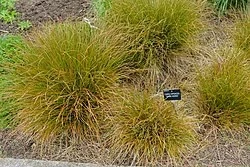
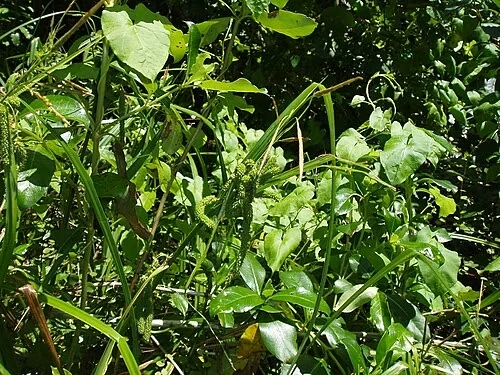
The Teasel Sedge (Carex dipsacea) is a robust, clump-forming evergreen sedge native to both the North and South Islands of New Zealand, reaching 0.75 m to 1 metre in height and spread. Its narrow leaves are deep olive-green, often flushing copper, bronze or reddish in full sun or cold, and in summer flowering culms rise above the foliage bearing dark, almost black, teasel-like seed heads that persist into autumn. Found naturally in damp habitats along rivers, lakes and ponds and in swampy dune, forest and shrubland ground, it is exceptionally hardy, withstanding heavy frost and strong wind. Fast-growing with moderate salt tolerance, it suits wetland restoration and textured garden plantings. Explore more native plants such as Carex testacea.
Plant Description
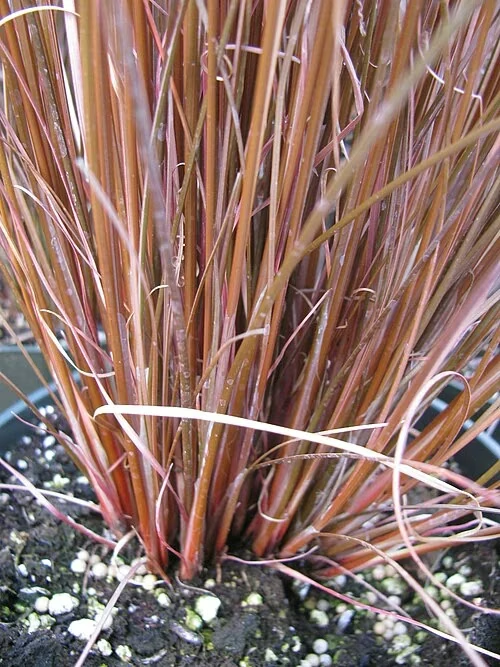
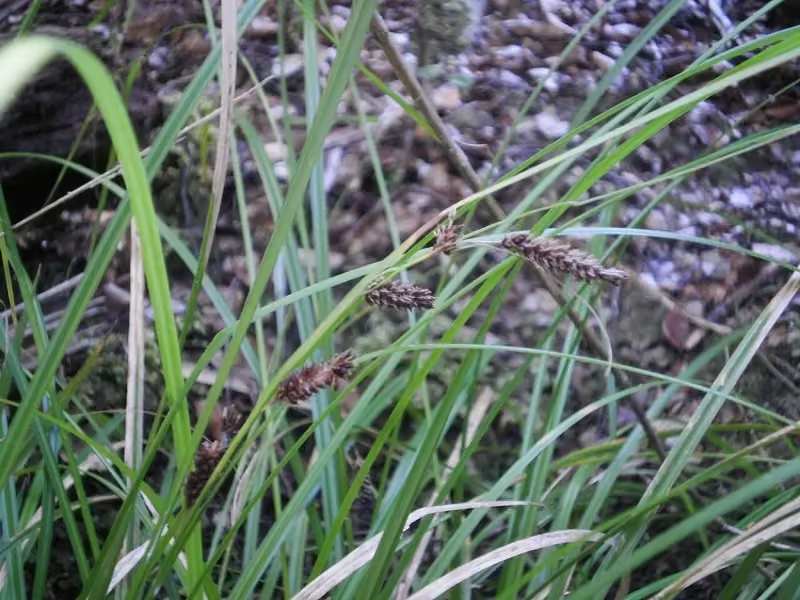
Carex dipsacea is a robust, clump-forming evergreen sedge that typically reaches heights and spreads of 75 cm to 1 metre. Its foliage is composed of long, narrow leaves that are roughly 1.5-2.5 mm wide. The colour of the leaves is a key feature; while often a deep olive-green, they frequently take on copper, bronze, or reddish tints, especially when grown in full sun or exposed to cold temperatures. The leaves are sharply scabrid (rough) along the margins. In summer, the plant produces numerous flowering culms that overtop the foliage. These culms bear terminal, compound spikes that develop into dark, almost black, teasel-like seed heads. These seed heads persist into autumn, providing a beautiful contrast against the arching green or bronze leaves.
Quick Facts
| Scientific Name | Carex dipsacea |
|---|---|
| Height | 0.75-1.0 metres |
| Spread | 0.75-1.0 metres |
| Water Needs | Moderate to High |
| Light | Full Sun to Partial Shade |
| Frost Tolerance | Very High |
| Salt Tolerance | Moderate |
| Growth Rate | Fast |
| Lifespan | Perennial |
Climate Best Suited to
This species is indigenous to both the North and South Islands of New Zealand, found from coastal lowlands to subalpine regions. It is an exceptionally hardy plant that can withstand a wide range of climatic conditions, including heavy frosts and strong winds. While it naturally prefers cooler, moister environments, it is surprisingly tolerant of heat provided it has some root moisture. In very hot, dry northern regions, it benefits from a position that offers some afternoon shade to prevent the foliage from bleaching too severely.
Regional Suitability
| City | Climate Suitability |
|---|---|
| Auckland | Good |
| Hamilton | Excellent |
| Wellington | Excellent |
| Christchurch | Excellent |
| Dunedin | Excellent |
| Invercargill | Excellent |
Plant Habitat
Carex dipsacea is naturally found in a variety of damp habitats. It is a common inhabitant of wetlands, growing along the margins of rivers, lakes, and ponds. It is also frequently found in swampy areas within sand dunes, tall forests, and shrublands. In the wild, it often occupies the "middle ground"-areas that are seasonally wet or boggy but may dry out during the summer months. This natural adaptation makes it one of the more resilient sedges for varied garden conditions.
Growing Requirements
Soil Requirements
Adapts well to most soil types, including clay and gritty soils, but thrives in soils that are rich in organic matter and retain moisture.
- Moist, well-drained loam
- Heavy clay tolerant
- Acidic to neutral pH
- Boggy/Wet soil tolerant
Light Requirements
Will grow in a range of light conditions from full sun to partial shade. The best bronze colour is achieved in full sun.
- Full Sun (for best colour)
- Partial Shade
- Dappled Sunlight
Water Requirements
Prefers consistently moist conditions but is moderately drought-tolerant once it has established a deep root system.
- Regular watering during establishment
- Tolerates periodic waterlogging
- Maintain moisture in summer
Planting and Establishing
For the best results, plant Carex dipsacea in autumn or spring when the soil is naturally moist. Space plants approximately 40 cm to 60 cm apart if you are looking for a mass-planted, ground-covering effect, or 1 metre apart for individual specimens. When planting, ensure the hole is deep enough to accommodate the roots without crowding. Adding a layer of organic mulch around the base of the plant will help retain moisture and suppress weeds during the critical establishment phase. Water thoroughly after planting and continue regular watering during its first summer.
Ecological Role
The Teasel Sedge is an important plant for biodiversity in New Zealand. Its dense, arching foliage provides excellent cover and nesting sites for native birds and refuge for insects and skinks. The dark seed heads are a food source for various native birds. In wetland restoration, it helps stabilize banks and filter runoff before it enters waterways. Its ability to grow in both wet and semi-dry conditions makes it a valuable "connector" species between aquatic and terrestrial habitats.
Uses & Significance
Garden Uses
Highly ornamental and useful for a variety of garden styles. Excellent for adding texture and year-round colour to borders and water features.
- Mass planting for erosion control
- Pond and stream edges
- Native borders and rockeries
- Contrast plant in contemporary designs
Ecological Value
Supports a healthy ecosystem by providing food and shelter for native fauna.
- Bank stabilization
- Pollinator habitat
- Seed source for birds
- Water filtration
Landscaping Uses
In modern landscaping, Carex dipsacea is often used in large groups to create a "sea" of bronze and green that moves with the wind. It is an ideal choice for rain gardens and swales where water levels may fluctuate. Because of its height, it works well as a mid-tier plant in layered native plantings. Its hardy nature makes it suitable for public spaces, schools, and commercial developments where low-maintenance yet attractive greenery is required.
Seasonal Care Calendar
Spring
Apply a slow-release native fertilizer and refresh mulch layers.
- Fertilize in early spring
- Divide large established clumps
- Watch for new growth
Summer
Ensure the plant receives enough water during long dry spells.
- Regular deep watering
- Enjoy the dark seed heads
- Check for minor pests
Autumn
Best time for planting new specimens and collecting seeds.
- Plant new sedges
- Sow fresh seed
- Reduce watering
Winter
The plant remains evergreen and cold-hardy throughout the winter.
- Tidy up old foliage
- Perform hard pruning if needed
- Maintenance pruning
When to Prune and How Much
Teasel Sedge is generally low-maintenance, but periodic grooming will keep it looking its best.
- Remove dead or damaged leaves in late winter
- "Comb" through the foliage with your fingers to remove loose brown leaves
- Can be cut back hard (to about 10 cm) every few years to rejuvenate old, messy clumps
Avoid pruning during the hottest part of summer, as this can stress the plant. Late winter or early spring is the ideal window for any major tidy-ups.
How to Grow Teasel Sedge
Cultivating Teasel Sedge ( Carex dipsacea ) is a highly rewarding project for any gardener, whether you are looking to create a lush wetland or a dramatic dry garden border. This New Zealand native is known for its resilience and fast growth rate, making it an excellent choice for those who want quick results. To ensure success, it is important to understand that while this plant can adapt to many environments, it will always perform best when its natural preference for moisture is respected. Propagation can be achieved through two primary methods: sowing seeds or dividing existing clumps.
From Seed
Growing Teasel Sedge from seed is relatively straightforward and is the best method if you require a large number of plants for a restoration project or mass planting. Seeds should be collected in late summer or early autumn when the teasel-like heads have turned a dark chocolate-brown and the seeds are easily released.
Fresh seeds of Carex dipsacea do not typically require any complex pre-treatments like stratification to germinate. Simply sow them onto the surface of a moist, well-draining seed-raising mix. It is often recommended to sow them in autumn, allowing them to sit through the winter and germinate naturally as temperatures rise in spring.
- Collect dark, mature seeds in late summer.
- Sow seeds thinly onto a tray of moist potting mix.
- Cover with a very light layer of fine grit or sand.
- Place the tray in a sheltered, outdoor spot or a cold frame.
- Keep the mix consistently moist but never soggy.
Germination usually occurs in early spring. Once the seedlings have reached about 5 cm in height and have a strong root system, they can be pricked out into individual small pots. Grow them on until they are large enough to be planted into their permanent garden home.
From Cuttings
Like most sedges and grasses, Teasel Sedge is not grown from traditional stem cuttings. Instead, the preferred method of vegetative propagation is division. This technique is ideal for home gardeners who want to expand their collection using plants they already have.
Division is best performed in late winter or early spring, just before the new season's growth starts. This allows the new sections to establish their roots in the cool, moist soil before the heat of summer arrives. Using a sharp spade or garden fork, lift a large, healthy clump from the ground. Shake off excess soil and use a sharp knife or spade to slice the clump into smaller sections, ensuring each piece has a generous amount of roots and several healthy shoots.
- Lift a mature clump in late winter.
- Divide into 3 or 4 smaller sections using a sharp blade.
- Trim the foliage back by about half to reduce water loss.
- Re-plant immediately and water in thoroughly.
Additional Methods
Because Teasel Sedge is a prolific seeder in ideal conditions, you may often find "volunteer" seedlings appearing around the base of parent plants. These can be carefully dug up and moved to new locations. This natural self-seeding is a testament to the plant's vigor but rarely becomes a nuisance in a managed garden environment.
When establishing your Carex dipsacea , remember that while it can tolerate dry periods once mature, it needs regular water during its first year. Applying a slow-release fertilizer in spring will help the foliage maintain its vibrant colour and encourage the development of those beautiful dark seed heads that give the plant its name.
Pests & Diseases
Carex dipsacea is generally very healthy and pest-resistant. However, like many sedges, it can occasionally be affected by aphids or scale insects, particularly if the plant is stressed or growing in a very sheltered, poorly ventilated spot. These can usually be controlled with a blast of water or an application of neem oil. Root rot can occur if the plant is grown in waterlogged soil that completely lacks oxygen, though this species is more tolerant of "wet feet" than most. Ensure good air circulation and avoid over-fertilizing with nitrogen, which can lead to soft growth that is more attractive to pests.
Cultural Significance
The Māori name for Carex dipsacea is Tahoata. While not as famous for weaving as the Harakeke (flax), many native sedges were historically used for various purposes, including as lining for traditional garments or for floor coverings in temporary shelters.
- Traditional use in wetland management
- Ecological marker for damp, fertile ground
- Source of habitat for traditional food sources (mahinga kai)
Bonus Tip
To get the most dramatic look from your Teasel Sedge, plant it where the low afternoon sun can shine through the foliage. The light will catch the bronze and copper tips of the leaves, making the whole plant appear to glow. It looks particularly stunning when paired with silver-foliaged plants or dark green ferns.
Related Plants
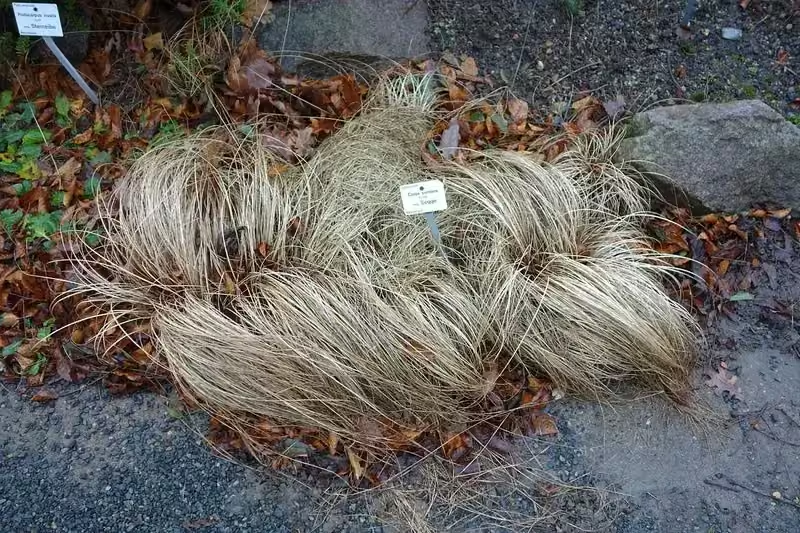
Explore other native plants that share similar characteristics or habitats with Teasel Sedge ( Carex dipsacea ), offering further insights into New Zealand's diverse flora. These related species provide context and opportunities for complementary planting in your garden.




Plant Conservation
Carex dipsacea is classified as "Not Threatened" in New Zealand and is widespread throughout the country. However, like all native wetland species, it benefits from the protection of its natural habitats. Its frequent use in restoration and landscaping projects across New Zealand helps ensure its continued presence and supports the wider biodiversity of the regions where it is planted.
Frequently Asked Questions
How tall does the Teasel Sedge grow?
Carex dipsacea reaches 0.75 m to 1 metre in both height and spread.
How fast does Carex dipsacea grow?
It is a fast-growing sedge that establishes quickly in suitable damp conditions.
Is the Teasel Sedge frost hardy?
Yes, it has very high frost tolerance and also withstands strong wind and heavy frosts.
What are the dark seed heads on Carex dipsacea?
In summer it produces dark, almost black, teasel-like seed heads that persist into autumn.
Sources and Further Reading
The botanical, growing, and conservation details for Teasel Sedge (Carex dipsacea) on this page draw on authoritative New Zealand plant references and citizen-science observation records. Consult the sources below for full technical records and the latest distribution data.