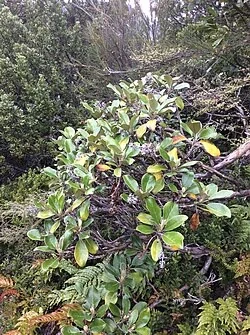
Mutton-Bird Scrub
Brachyglottis rotundifolia
Last updated:
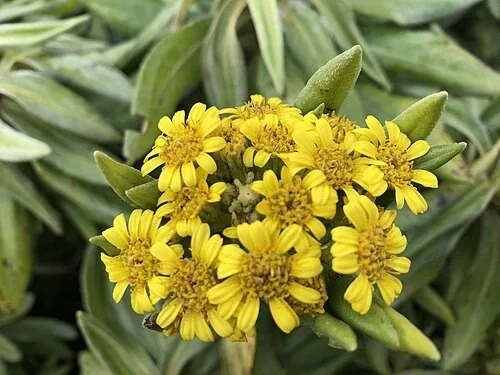
Mutton-bird scrub (Brachyglottis rotundifolia) is a large, hardy evergreen shrub that can reach 6 metres or more, endemic to New Zealand's South and Stewart Islands. It is easily recognised by its thick, leathery, rounded to broadly oblong leaves, 40 to 100 mm long, which are green above and clad in dense silvery-white felt beneath. In late spring to early summer it produces clusters of bright yellow, daisy-like flowers. Growing from exposed coastal scrub and cliffs up to about 1000 metres inland, it thrives in full sun and free-draining soils. Highly tolerant of maritime exposure, wind and drought, it is a robust, long-lived choice for coastal and open gardens. Explore more native shrubs in our native plant guide.
Plant Description
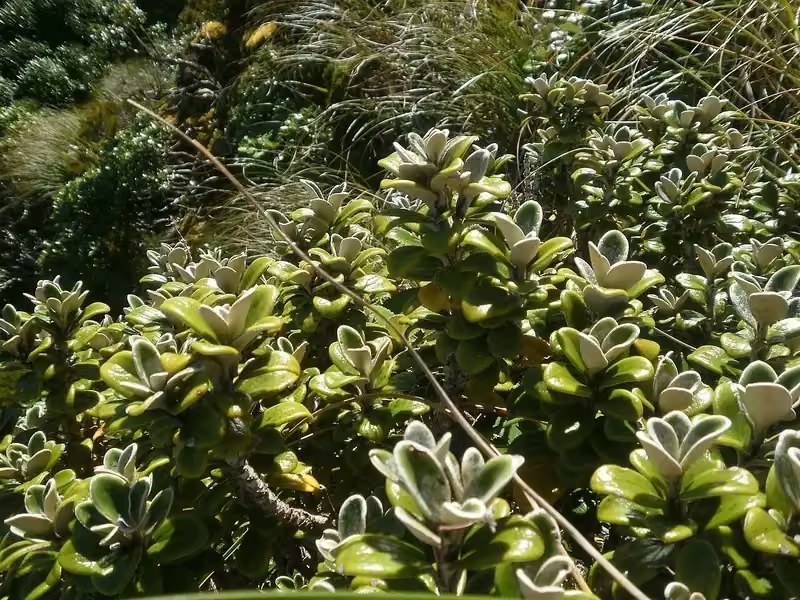
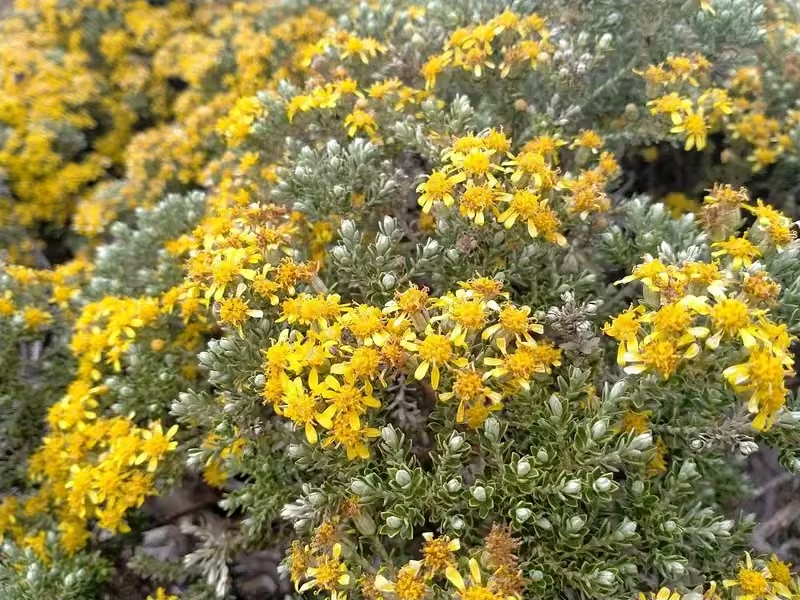
Brachyglottis rotundifolia , commonly known as Mutton-bird Scrub, is a large, hardy evergreen shrub that can reach heights of 6 meters or more. It is notable for its thick, leathery, and distinctly rounded to broadly oblong leaves, which typically measure 40-100 mm long by 40-90 mm wide. The upper surface of the leaves is green, while the underside is covered in a dense, silvery-white, appressed tomentum, creating a striking contrast. Prominent midribs and main veins are visible on the underside. In late spring to early summer, the plant produces attractive clusters of bright yellow, daisy-like flowers, which are both insect-pollinated and contribute to its ornamental appeal. The species is robust and well-adapted to exposed conditions.
Quick Facts
| Scientific Name | Brachyglottis rotundifolia |
|---|---|
| Height | Up to 6 meters or more |
| Spread | 2 to 4 meters (estimated) |
| Water Needs | Low to Moderate (Drought Tolerant) |
| Light | Full Sun |
| Frost Tolerance | Moderate to High (down to -5°C) |
| Salt Tolerance | High (very tolerant of maritime exposure) |
| Growth Rate | Moderate to Fast |
| Lifespan | Long |
Climate Best Suited to
Mutton-bird Scrub is endemic to New Zealand, found from coastal scrub environments up to 1000 meters in elevation on the South and Stewart Islands. It is highly tolerant of maritime exposure, wind, and drought, making it ideal for exposed coastal and open environments. It prefers full sun and well-drained soils, adapting to a range of soil types and pH levels. Its hardiness extends to moderate frost tolerance, suitable for many temperate climates.
Regional Suitability
| City | Climate Suitability |
|---|---|
| Best suited to coastal and exposed regions of the South and Stewart Islands, tolerating maritime conditions, wind, and moderate frosts; ideal for full sun and well-drained locations. | |
Plant Habitat
Brachyglottis rotundifolia is an endemic New Zealand shrub found exclusively on the South and Stewart Islands. Its habitat ranges widely from exposed coastal scrub and cliffs to inland areas up to 1000 meters above sea level, reaching the treeline. It thrives in full sun and well-drained conditions, often in sandy or nutrient-poor soils. Its resilience to maritime exposure, wind, and drought allows it to colonize harsh environments where other plants may struggle.
Growing Requirements
Soil Requirements
Mutton-bird Scrub is highly adaptable and thrives in most well-drained soils, including light (sandy), medium (loamy), and heavy (clay) types. It tolerates mildly acidic, neutral, and mildly alkaline pH levels. It can even grow in sandy or nutrient-poor soils, reflecting its natural habitat. Good drainage is essential to prevent root rot.
- Well-drained (essential)
- Adaptable to various soil types (sandy, loamy, clay)
- Tolerates mildly acid, neutral, and basic pH
Light Requirements
Brachyglottis rotundifolia requires full sun exposure for optimal growth and flowering. It is well-adapted to open, exposed environments and performs best when not shaded by other plants.
- Full Sun (essential)
Water Requirements
Regular watering is important during the establishment phase. Once mature, Mutton-bird Scrub is drought-hardy and benefits from occasional deep watering during extended dry periods. It is crucial to ensure good drainage to prevent waterlogging, especially in cooler months.
- Low to Moderate (drought-tolerant once established)
- Good drainage essential
- Occasional deep watering during dry spells
Planting and Establishing
When planting Mutton-bird Scrub, select a site that provides full sun and ensures excellent drainage. It is ideally suited for coastal gardens, exposed banks, or as a windbreak hedge, where its hardiness and tolerance to maritime conditions can be fully utilized. Dig a planting hole twice as wide as the root ball and ensure the top of the root ball is level with the surrounding soil. Amend heavy soils with grit or coarse sand to improve drainage. Water thoroughly after planting to settle the soil. During its first season, maintain consistent moisture to encourage robust root development, but avoid overwatering. Minimal fertilization is usually sufficient, as the species is adapted to less fertile soils.
Ecological Role
As an endemic New Zealand shrub, Brachyglottis rotundifolia plays a significant ecological role in the coastal and subalpine environments of the South and Stewart Islands. Its dense growth provides shelter for various native fauna, including nesting sites for seabirds (hence its common name). Its yellow flowers attract insects, contributing to local pollination. The plant's robust root system helps stabilize soils on exposed cliffs and banks, preventing erosion. Being classified as "Not Threatened," it represents a healthy and vital component of New Zealand's unique biodiversity.
Uses & Significance
Garden Uses
Mutton-bird Scrub is highly valued in gardens for its architectural form, robust nature, and attractive foliage. Its tolerance to maritime exposure and wind makes it an excellent choice for coastal gardens, as a windbreak hedge, or for planting on exposed banks. The thick, leathery leaves with silvery undersides provide year-round visual interest, complemented by bright yellow flowers in late spring to early summer.
- Windbreak Hedge
- Coastal & Exposed Gardens
- Erosion Control
- Specimen Shrub
- Wildlife Attraction (shelter for birds)
Ecological Value
The ecological value of Brachyglottis rotundifolia is substantial, particularly in coastal ecosystems. It provides crucial shelter and nesting habitats for seabirds, especially mutton-birds, contributing to the local avian biodiversity. Its dense growth and robust roots assist in soil stabilization on vulnerable coastal cliffs and banks. As an endemic and "Not Threatened" species, it is a healthy indicator of functional coastal and subalpine ecosystems in its native range.
- Endemic Species
- Habitat Provider (seabirds)
- Soil Stabilizer
- Coastal Ecosystem Contributor
Landscaping Uses
Brachyglottis rotundifolia is an ideal choice for landscaping in challenging, exposed environments. It excels as a tough, informal hedge, a screen plant, or a mass planting for erosion control on slopes and coastal areas. Its bold foliage and yellow flowers create a strong visual statement. It can also be used as a large specimen shrub where its architectural form and hardiness can be appreciated. Its versatility makes it suitable for a range of landscape designs, particularly those focused on low-maintenance, native, or coastal themes.
Seasonal Care Calendar
Spring
As new growth appears, ensure adequate moisture. A moderate prune in early spring can rejuvenate older plants and encourage bushiness. Apply a balanced native plant fertilizer if soil is poor.
- Monitor new growth
- Moderate rejuvenation prune (early spring)
- Light fertilization (if needed)
Summer
Peak flowering occurs in late spring to early summer. Established plants are drought-tolerant, but occasional deep watering during extended dry spells is beneficial. Light pruning after flowering can help maintain shape.
- Peak flowering
- Occasional deep watering (if dry)
- Light pruning (after flowering)
Autumn
Reduce watering as temperatures cool. Ensure good drainage to prepare for winter. Any final shaping or tidying can be done, but avoid heavy pruning too late in the season.
- Reduce watering
- Ensure excellent drainage
- Final light shaping
Winter
Brachyglottis rotundifolia is moderately to highly frost-tolerant. Ensure that the plant is not in waterlogged conditions, which are more damaging than cold. Very little supplemental watering is needed.
- Moderately frost-tolerant
- Avoid waterlogged soil
- Minimal watering
When to Prune and How Much
Light pruning of Brachyglottis rotundifolia can be done after its main flowering period in late spring to early summer to maintain shape and promote bushiness. A more substantial, moderate prune in early spring can rejuvenate older plants and encourage strong new growth.
- Light pruning after summer flowering to shape and tidy.
- Moderate rejuvenation prune in early spring for older plants.
- Remove any dead, damaged, or diseased wood throughout the year.
This species generally responds well to pruning, allowing for good control over its size and form, especially when used in hedges or screens.
How to Grow Mutton-Bird Scrub
Cultivating Mutton-bird Scrub ( Brachyglottis rotundifolia ) is straightforward due to its robust nature and adaptability to a wide range of conditions, particularly exposed, sunny environments. This endemic New Zealand shrub can be successfully propagated from both seeds and cuttings, offering reliable methods for gardeners to introduce this resilient native into their landscapes. Its ease of growth makes it an excellent choice for a variety of garden settings, especially those replicating coastal or open New Zealand landscapes.
From Seed
Propagating Brachyglottis rotundifolia from seed is a common and effective method, allowing for the natural genetic variation within the species.
- Collect fresh seeds as they mature, typically in late summer to autumn after the flowering period.
- Clean the seeds thoroughly to remove any debris or pulp.
- Sow seeds thinly on the surface of a well-draining seed-raising mix in spring. Lightly cover with a fine layer of mix or vermiculite.
- Keep the seed tray consistently moist but ensure good drainage to prevent waterlogging.
- Maintain a bright, warm environment for germination.
- Germination typically occurs within a few weeks, though it can sometimes be erratic.
- Once seedlings have developed a few true leaves and are large enough to handle, prick them out into individual pots containing a gritty, well-draining potting mix.
- Grow on in a sheltered, well-lit position, gradually acclimating them to outdoor conditions before planting out after the last expected frosts.
From Cuttings
Propagation from semi-hardwood cuttings is a reliable method to ensure new plants are genetically identical to the parent.
- Take semi-hardwood cuttings (approximately 10-15 cm long) from healthy, non-flowering stems in late spring to early summer.
- Remove the leaves from the lower two-thirds of the cutting.
- Dip the cut end into a rooting hormone powder or gel to encourage root development.
- Insert the cuttings into a well-draining propagation mix, such as a blend of perlite and coarse sand.
- Place the cuttings in a warm, humid environment, ideally under a propagation dome or covered with a clear plastic bag to maintain humidity.
- Maintain consistent moisture in the rooting medium, ensuring it remains damp but not saturated.
- Roots generally form within 4-8 weeks. Once a good root system has developed, pot up the new plants into individual containers.
- Harden off new plants gradually before planting them into their final outdoor location.
Additional Methods
Given its shrubby growth habit, division is not a suitable propagation method for Brachyglottis rotundifolia . Air layering could theoretically be an option for established plants, but it is generally more complex and time-consuming than the highly effective seed and cutting methods. These two methods are recommended for efficient and successful propagation of Mutton-bird Scrub.
Pests & Diseases
Brachyglottis rotundifolia is a remarkably robust and healthy shrub, rarely troubled by significant pests or diseases when grown in appropriate conditions. The most critical factor for its health is excellent drainage; prolonged waterlogging can lead to root rot. Good air circulation is also beneficial in preventing fungal issues, such as powdery mildew, which might occur in overly humid conditions. While not severely susceptible, occasional infestations by common garden pests like aphids or scale can happen. These are usually minor and can be managed with organic pest control methods or by simply hosing them off. Regular inspection of the plant will ensure early detection and intervention, maintaining its vigor and appearance.
Cultural Significance
Mutton-bird Scrub ( Brachyglottis rotundifolia ) holds cultural significance in New Zealand, particularly for Māori, due to its association with nesting sites of the tītī (mutton-bird, or Sooty Shearwater). These birds nest in burrows beneath dense coastal vegetation, including this shrub, on the South and Stewart Islands. Its presence is vital for the survival of these birds, making it an important part of indigenous traditions and food gathering practices. As an endemic species, it also contributes to the unique biodiversity and natural heritage of New Zealand. Its scientific name, rotundifolia , refers to its rounded leaves, a distinctive botanical feature.
- Māori name: Tītī (associated with nesting sites)
- Culturally significant for mutton-bird harvesting
- Endemic to New Zealand (South and Stewart Islands)
- Contributes to unique biodiversity
Bonus Tip
When planting Mutton-bird Scrub, consider its mature size and choose a location where its robust growth can be accommodated. Its large, rounded leaves and silvery undersides make it an excellent choice for providing strong architectural interest and textural contrast in the landscape.
Related Plants
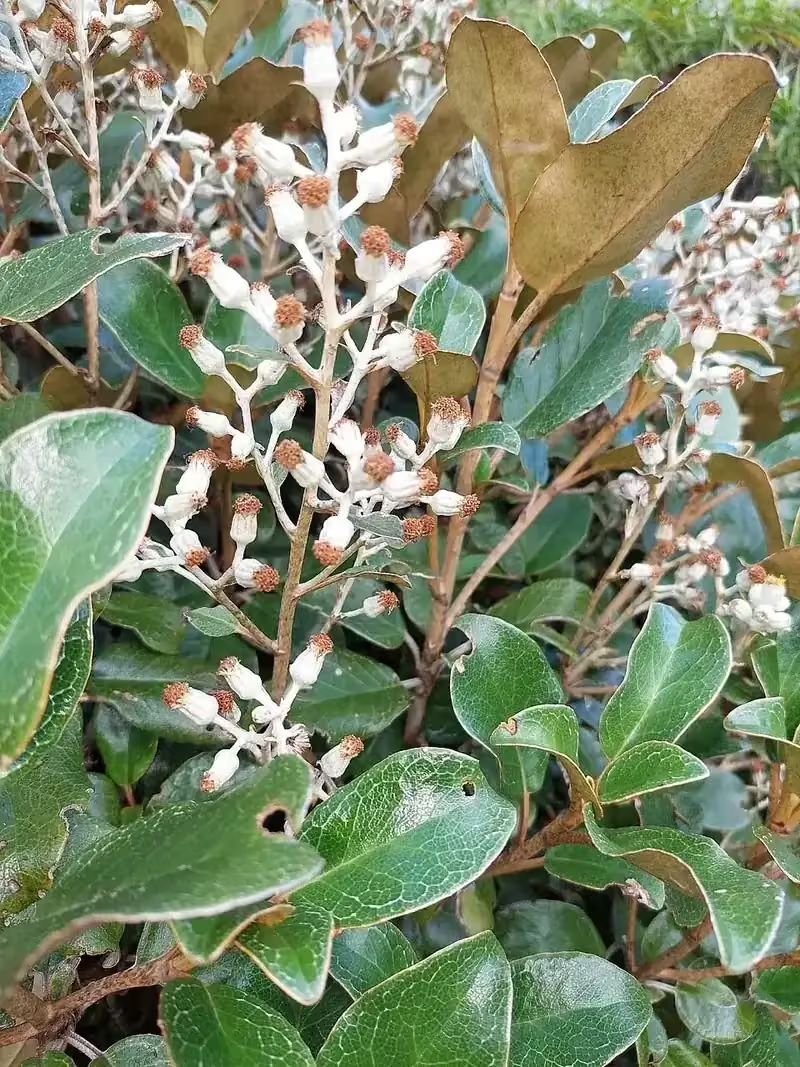
Explore other native plants that share similar characteristics or habitats with Mutton-bird Scrub ( Brachyglottis rotundifolia ), offering further insights into New Zealand's diverse flora. These related species provide context and opportunities for complementary planting in your garden. For another coastal species, explore Lindsay's Mountain Daisy.


Plant Conservation
Brachyglottis rotundifolia is classified as "Not Threatened" under the New Zealand Threat Classification System. This status indicates that the species has a healthy and stable population within its natural range across the South and Stewart Islands. Its resilience to challenging coastal and subalpine environments contributes significantly to the biodiversity of these unique ecosystems. Continued responsible land management and appreciation of its hardiness will ensure its sustained ecological role and conservation success.
Frequently Asked Questions
How tall does mutton-bird scrub grow?
It can reach 6 metres or more, spreading 2 to 4 metres wide.
Is Brachyglottis rotundifolia salt tolerant?
Yes, it is very tolerant of maritime exposure and coastal conditions.
Where does mutton-bird scrub grow naturally?
It is endemic to the South and Stewart Islands, from coastal scrub up to about 1000 metres.
Does Brachyglottis rotundifolia tolerate frost?
It has moderate to high frost tolerance, down to about -5C.
Sources and Further Reading
The botanical, growing, and conservation details for Mutton-Bird Scrub (Brachyglottis rotundifolia) on this page draw on authoritative New Zealand plant references and citizen-science observation records. Consult the sources below for full technical records and the latest distribution data.