Ground Spleenwort
Asplenium appendiculatum
Last updated:
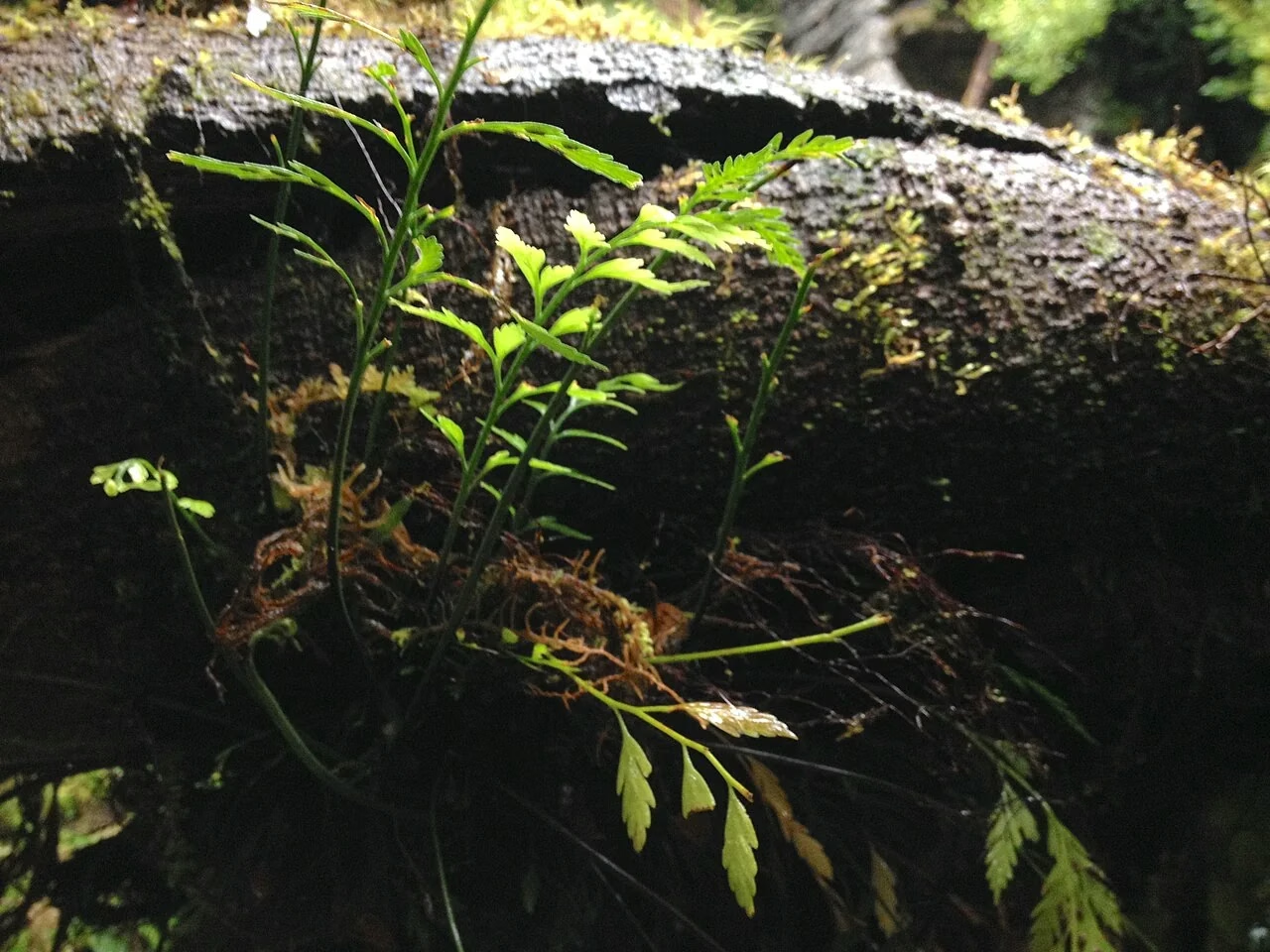
Ground Spleenwort (Asplenium appendiculatum) is a resilient native fern found across New Zealand and parts of Australia. It is recognised by its dark green, leathery fronds that show a subtle drooping habit and are typically 10 to 30 centimetres long, lanceolate to elliptic, and made up of numerous small pinnules. Unlike some related spleenworts, it lacks bulbils and reproduces only by spores. It grows in cool, damp, shaded places from lowland to subalpine regions, forming lush patches on the forest floor, among rocks, and as an epiphyte on tree bases and decaying logs. Slow to moderate in growth and long-lived, it suits shaded garden spots and plantings beneath a canopy. Explore more native ferns in our native plant guide.
Plant Description
Identification and Physical Characteristics
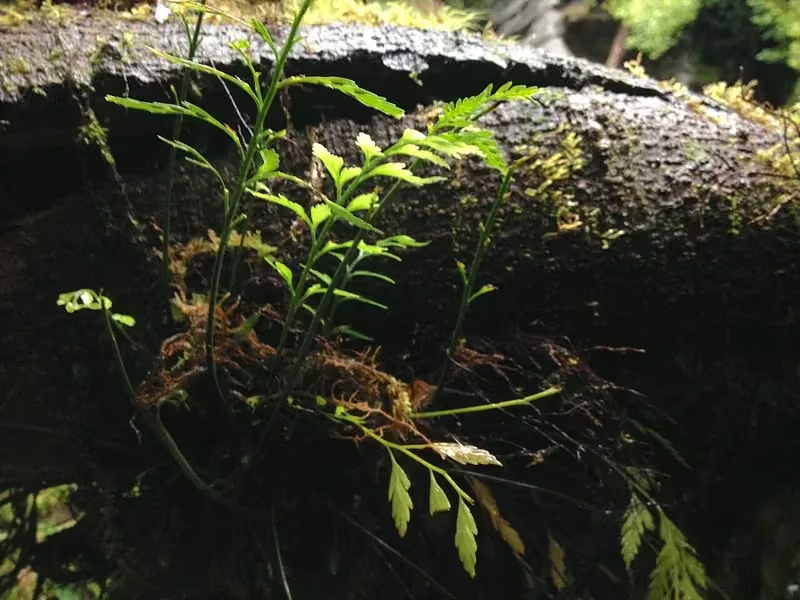
Asplenium appendiculatum , commonly known as Ground Spleenwort, is a resilient native fern found across New Zealand and parts of Australia. Its distinguishing feature lies in its dark green, leathery fronds that display a subtle drooping habit. These fronds, typically between 10 to 30 centimeters long, are lanceolate to elliptic, and composed of numerous small pinnules that give the fern a delicate yet robust appearance. Unlike some related species, this fern lacks bulbils, relying solely on spores for reproduction. It thrives in humid, cool environments, often forming lush patches on the forest floor, among rocks, or as an epiphyte on decaying logs and tree bases. Its adaptability to various forest types, from lowland to subalpine, highlights its hardiness.
Quick Facts
| Scientific Name | Asplenium appendiculatum |
|---|---|
| Height | 10-30 cm |
| Spread | Up to 30 cm |
| Water Needs | High (Consistent moisture, well-drained) |
| Light | Partial shade to full shade |
| Frost Tolerance | High (Tolerates -20°C to 45°C, but extremes can cause damage) |
| Salt Tolerance | Moderate (Can be found in coastal areas, but not directly exposed) |
| Growth Rate | Slow to moderate |
| Lifespan | Perennial (Long-lived) |
Climate Best Suited to
Asplenium appendiculatum is well-suited to a temperate climate with consistent moisture and high humidity, thriving in environments that mimic its natural forest habitat. It prefers cooler temperatures and shade, making it ideal for shaded garden spots, under canopies, or in fern houses. While it can tolerate a wide temperature range, protection from extreme heat and prolonged dry periods is essential for optimal growth. It is particularly well-adapted to New Zealand's mild, humid conditions, especially in regions with good rainfall.
Regional Suitability
| City | Climate Suitability |
|---|---|
| Auckland | Suitable (Warm, humid, good rainfall) |
| Wellington | Suitable (Temperate, good rainfall, often shaded spots) |
| Christchurch | Moderate (Can tolerate, but needs protection from extreme cold/dry) |
| Dunedin | Suitable (Cooler, often humid) |
| Queenstown | Moderate (Needs protection from harsh winters, dry spells) |
Plant Habitat
Natural Occurrence and Ecology
Ground Spleenwort is commonly found in cool, damp, and shaded environments throughout New Zealand, from lowland to subalpine regions. It thrives in various forest types, bluffs, rocky outcrops, and often grows as an epiphyte on tree bases, logs, or among rocks, reflecting its preference for high humidity and consistent moisture. Its natural altitudinal range extends from near sea level to approximately 400 meters. The fern's resilience allows it to colonize diverse microclimates within these habitats, contributing to the understory vegetation and providing cover.
Growing Requirements
Soil Requirements
Prefers deep, rich, moist, and well-drained soil.
- Rich in organic matter
- Well-draining, but consistently moist
- Slightly acidic to neutral pH
Light Requirements
Requires partial to full shade. Direct sunlight will scorch fronds.
- Deep shade
- Filtered light
- Avoid direct sun
Water Requirements
Needs consistent moisture and high humidity. Water frequently, ensuring soil remains moist but not waterlogged.
- Water twice a week during dry periods
- Keep soil consistently moist
- Avoid waterlogging to prevent root rot
- Regular misting can increase humidity
Planting and Establishing
Establishment Guidance
When planting Asplenium appendiculatum , choose a location that mimics its natural cool, damp, and shaded habitat. Ensure the soil is rich in organic matter, well-draining, and consistently moist. Dig a hole twice as wide as the root ball and just as deep. Carefully place the fern, ensuring the crown is at soil level. Backfill with a mix of compost and native soil, gently firming around the base. Water thoroughly after planting. For epiphytic planting, secure the fern to a log or tree with sphagnum moss and horticultural wire until established, ensuring regular moisture. Avoid disturbing roots excessively during transplanting.
Ecological Role
Biodiversity and Ecosystem Impact
As a common understory fern, Asplenium appendiculatum contributes significantly to the forest ecosystem by providing ground cover, stabilizing soil, and creating microhabitats. Its dense growth helps to retain soil moisture and reduce erosion, particularly in damp and rocky areas. It serves as a sheltered refuge for various small invertebrates, playing a foundational role in the food web. While not a primary food source for larger fauna, its presence is indicative of a healthy and biodiverse forest understory.
Uses & Significance
Garden Uses
Ideal for shaded gardens, fern houses, rockeries, and as a groundcover under trees. Excellent for adding texture and lush green foliage to damp, shaded areas.
- Shaded gardens
- Fern houses
- Rockeries
- Groundcover
- Container planting
Ecological Value
Soil stabilization, habitat for invertebrates, indicator of healthy forest understory.
- Erosion control in damp areas
- Provides shelter for small invertebrates
- Contributes to forest biodiversity
Landscaping Uses
Due to its preference for shade and moisture, Asplenium appendiculatum is excellent for naturalistic landscaping, particularly in woodland gardens or shaded borders. It pairs well with other native shade-loving plants, creating a lush, subtropical feel. Its clumping habit makes it suitable for mass planting or as an accent plant in containers placed in shaded patios. It can also be effectively used to naturalize damp, rocky areas or along stream banks, where it will thrive and provide year-round greenery.
Seasonal Care Calendar
Spring
Monitor for new growth. Ensure consistent moisture as temperatures rise. Apply a balanced liquid fertilizer if growth is slow. Protect from late frosts.
- Check for new fronds
- Maintain soil moisture
- Light fertilization
Summer
Increase watering frequency during hot, dry spells. Ensure high humidity through misting or grouping with other plants. Protect from intense sun.
- Ensure consistent high humidity
- Increase watering during dry spells
- Protect from direct sun
Autumn
Reduce watering as temperatures cool. Remove any yellowing or dead fronds. Prepare for winter by ensuring good drainage.
- Reduce watering
- Remove dead fronds
- Ensure good drainage for winter
Winter
Protect from severe frosts, especially in exposed locations. Maintain minimal moisture, avoiding waterlogging. Avoid fertilizing.
- Protect from harsh frosts
- Keep soil barely moist
- No fertilization
When to Prune and How Much
Pruning for Asplenium appendiculatum is minimal and primarily for aesthetic purposes and plant health. The best time to prune is in early spring or late winter, just before new growth begins. Remove any dead, damaged, or yellowing fronds by cutting them at the base with clean, sharp shears. This helps to improve air circulation within the plant, reduce the risk of fungal diseases, and encourage a tidy appearance. Avoid excessive cutting of healthy fronds, as this can stress the plant.
- Remove dead or damaged fronds
- Prune in early spring or late winter
- Use clean, sharp shears
Regular inspection for pests and diseases during pruning can help with early detection and treatment. Ensure good air circulation around the plant, especially in humid conditions, to prevent issues.
How to Grow Ground Spleenwort
Cultivating Ground Spleenwort ( Asplenium appendiculatum ) is a rewarding endeavor for any gardener interested in New Zealand's unique flora. This species can be propagated through several methods, each requiring specific conditions to ensure healthy growth and establishment. Successful propagation depends on mimicking the plant's natural environment and providing consistent care during the early stages of development.
From Seed
Propagation from spores is often a viable method to produce a large number of Ground Spleenwort plants, though it requires patience and specific sterile conditions. Spores are typically found on the underside of mature fronds, appearing as dark sori. To collect, place a mature frond in a paper bag and allow it to dry for a few days; the spores will drop into the bag. Prepare a sterile growing medium, ideally a mix of peat and sand, and sterilize it in the microwave or oven to kill off any fungi or bacteria. Lightly sprinkle the collected spores over the surface of the moist medium in a sealed container, avoiding covering them. Maintain high humidity and indirect light, often by covering the container with a clear lid or plastic wrap. Germination can take several weeks to months, initially forming a green film known as a prothallus. Once distinct plantlets emerge from the prothalli and are large enough to handle, they can be carefully transplanted into individual pots. The key to successful spore propagation is maintaining consistent moisture and high humidity, avoiding overwatering which can lead to damping-off.
- Collect mature spores from healthy fronds.
- Prepare a sterile, moist growing medium in a sealed container.
- Lightly sprinkle spores over the surface; do not cover.
- Maintain high humidity and indirect light.
- Germination can take several weeks to months, forming a green film (prothallus).
- Once prothalli develop, plantlets will emerge; transplant when large enough to handle.
The key to successful spore propagation is maintaining consistent moisture and high humidity, often achieved by covering the container with a clear lid or plastic wrap. Avoid overwatering, which can lead to damping-off.
From Cuttings
While not typically propagated by stem cuttings like woody plants, Asplenium appendiculatum can be propagated through division of its rhizomes. This is a more reliable and faster method than spore propagation for home gardeners, offering a direct way to create new, genetically identical plants. Division is best performed in spring when the plant is actively growing, which minimizes stress and allows for quicker recovery.
- Gently lift the mature fern from its growing medium.
- Carefully separate sections of the rhizome, ensuring each section has healthy roots and a few fronds.
- Replant the divisions into fresh, well-draining potting mix, burying the rhizome just below the surface.
- Water thoroughly after replanting and keep the new divisions in a shaded, humid environment until they are well-established and showing signs of new growth.
Additional Methods
The most common and successful method of increasing Asplenium appendiculatum in a garden setting is through careful division of its established clumps. This not only creates new plants but also helps to rejuvenate older, denser specimens by preventing overcrowding. For larger, more mature plants, it is sometimes possible to encourage new plantlets by allowing fronds to touch moist soil or a suitable substrate, where they may root, though this is less common than direct rhizome division. Ensure minimal stress to the parent plant during any division process, providing ample water and shade immediately after to aid recovery. This method effectively maintains the genetic purity of desired specimens and allows for controlled expansion within the garden, ensuring strong, healthy clones.
Pests & Diseases
Asplenium appendiculatum is generally robust but can occasionally be susceptible to common fern pests such as scale insects and mealybugs, particularly in conditions of poor air circulation or stress. Fungal issues like root rot can occur if the soil is consistently waterlogged. Good air circulation, proper watering techniques, and regular inspection will help keep these problems at bay. Treat infestations with insecticidal soap or neem oil, and improve drainage for fungal problems.
Cultural Significance
While not as prominently featured in traditional Māori stories or uses as some larger native ferns, the Ground Spleenwort, like many smaller ferns, holds value within the broader ecosystem and as a component of the native bush. Its presence indicates a healthy, undisturbed forest environment, contributing to the overall biodiversity that was and is important to Māori. It forms part of the rich tapestry of native flora that provided resources and inspiration.
Bonus Tip
To enhance the lush appearance of your Ground Spleenwort, consider planting it alongside other humidity-loving plants or in a well-mulched area. A layer of organic mulch will help retain soil moisture and keep the root zone cool, mimicking its natural forest floor environment. Regularly misting the fronds during dry periods will also contribute to its vibrant health.
Related Plants
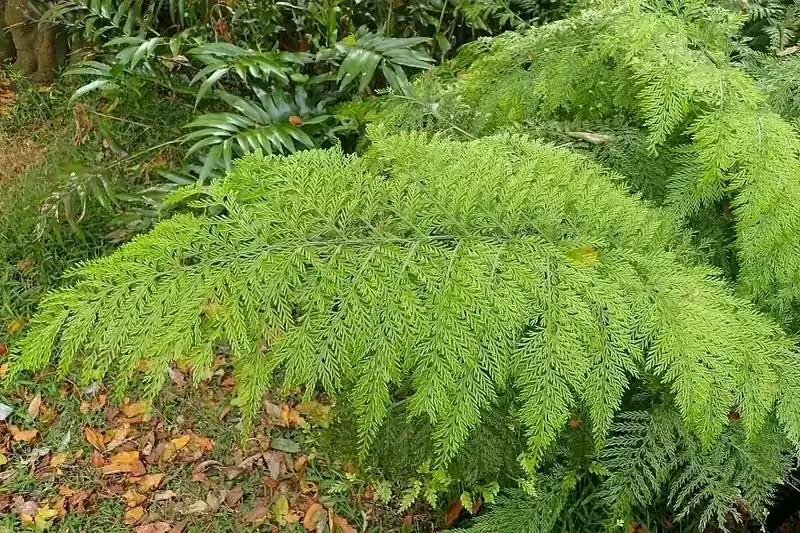
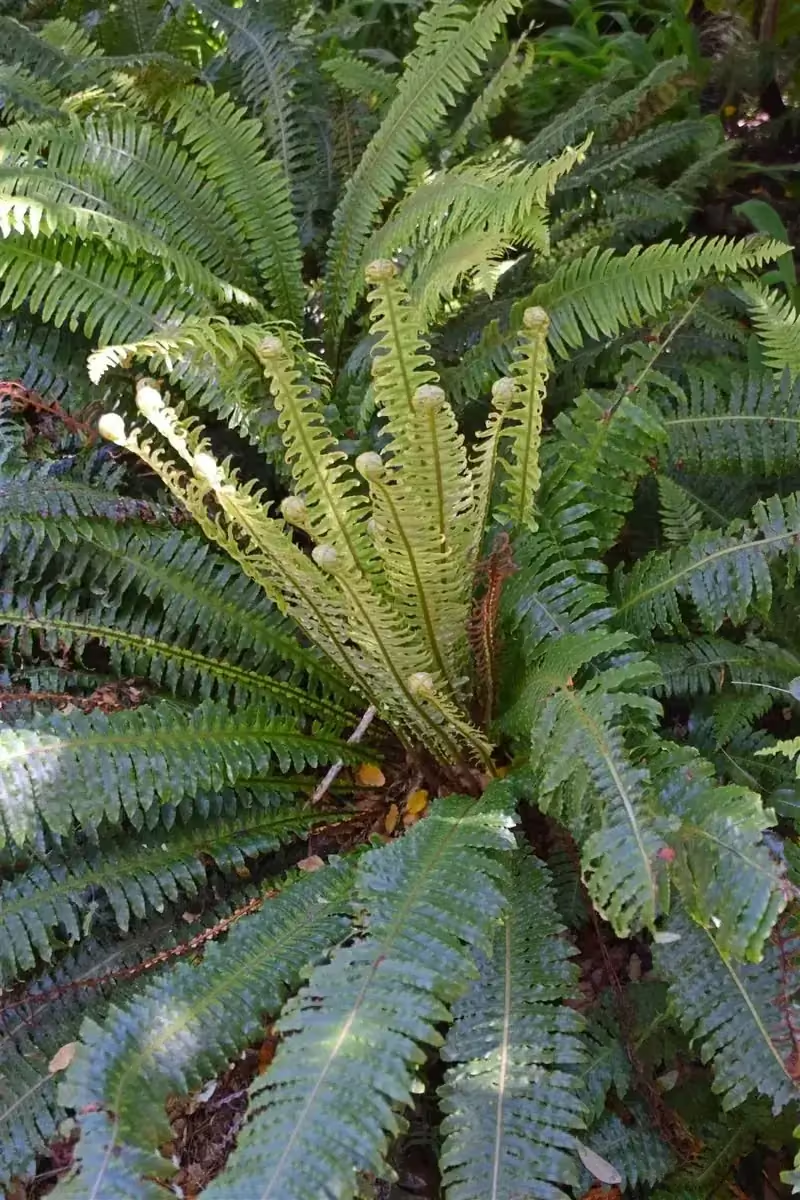
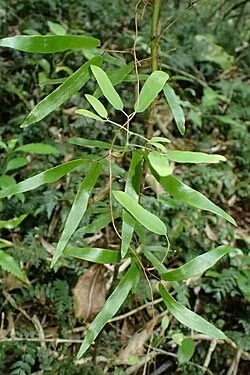
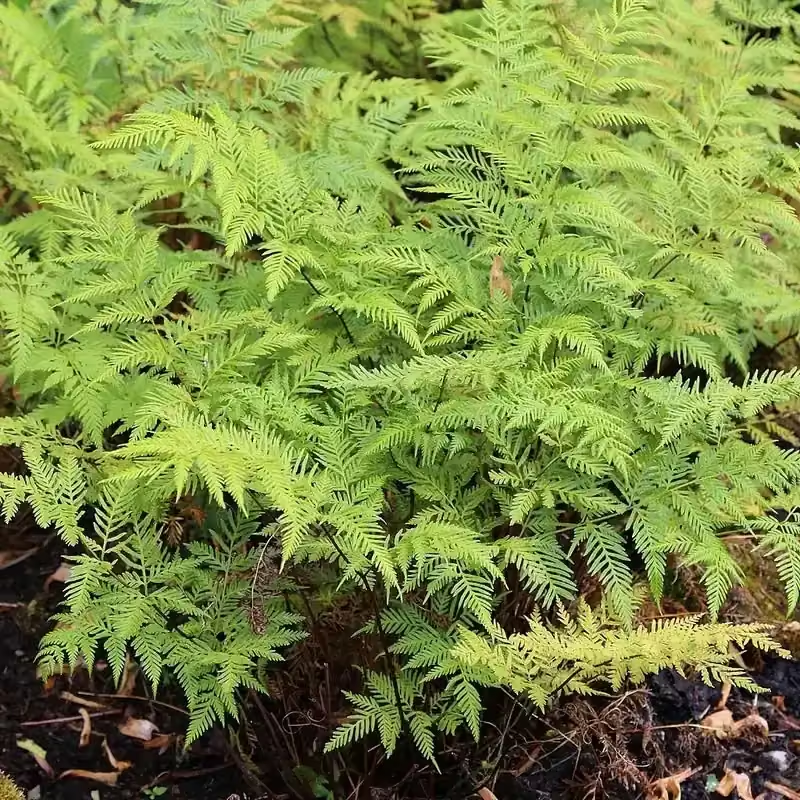
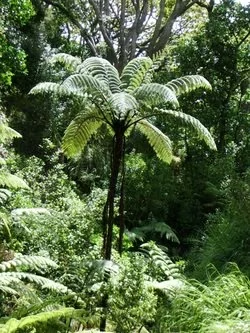
Explore other native plants that share similar characteristics or habitats with Ground Spleenwort ( Asplenium appendiculatum ), offering further insights into New Zealand's diverse flora. These related species provide context and opportunities for complementary planting in your garden.


Plant Conservation
Conservation Status and Threats
Asplenium appendiculatum is listed as "Not Threatened" in New Zealand, indicating a stable and healthy population. However, like all native species, it benefits from ongoing habitat protection and restoration efforts. Conservation of its natural forest and damp, shaded habitats is crucial to ensure its continued survival. Gardeners can contribute to its conservation by cultivating it in appropriate conditions and sourcing plants from reputable nurseries that practice sustainable harvesting or propagation.
Frequently Asked Questions
How tall does Ground Spleenwort grow?
Asplenium appendiculatum is a small fern, typically 10-30 cm tall with a spread of up to 30 cm.
Does Ground Spleenwort produce plantlets?
No, unlike some spleenworts it lacks bulbils and reproduces solely by spores.
What conditions does Ground Spleenwort need?
It prefers cool, damp, shaded sites with consistent moisture and high humidity, from lowland to subalpine regions.
Is Ground Spleenwort frost hardy?
Yes, it has high frost tolerance, though temperature extremes can still damage the fronds.
Sources and Further Reading
The botanical, growing, and conservation details for Ground Spleenwort (Asplenium appendiculatum) on this page draw on authoritative New Zealand plant references and citizen-science observation records. Consult the sources below for full technical records and the latest distribution data.