Thread-Leaved Anisotome
Anisotome filifolia
Last updated:
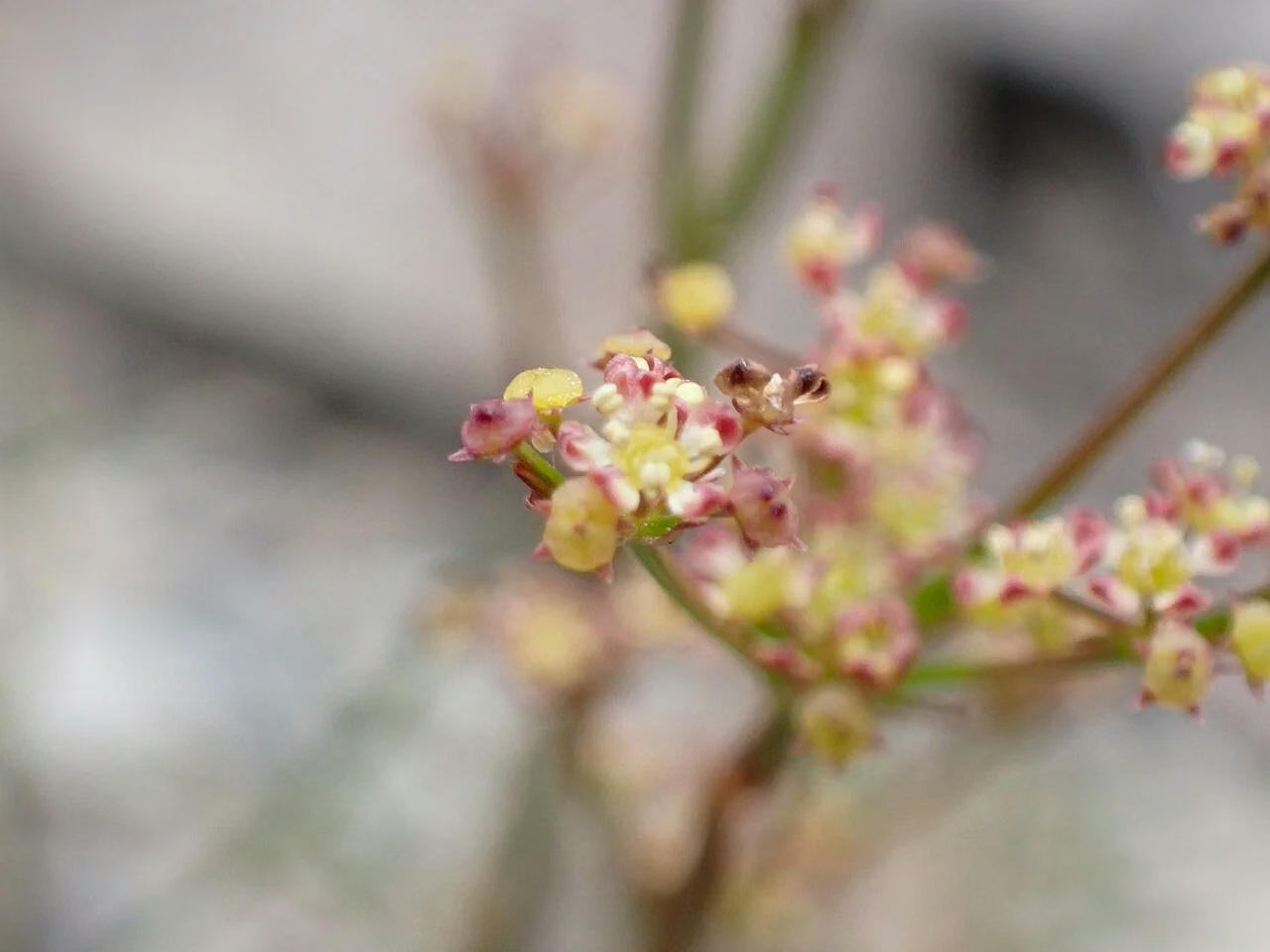
Thread-leaved Anisotome (Anisotome filifolia) is an evergreen perennial herb growing up to 30 cm tall, forming dense clumps of delicate, finely divided foliage from a stout central crown. Its narrow, linear leaves are so fine they resemble threads or blades of grass, the trait behind the name filifolia. During the flowering season it lifts showy umbels of small white flowers on erect stems well above the leaves. It is a specialist of South Island mountain ecosystems, occupying alpine herbfields, grasslands and rocky fellfields on stony, gravelly substrates that provide the sharp drainage it needs. Very cold hardy, it thrives in cool, bright, free-draining alpine to subalpine sites. Explore more native plants such as Kopoti.
Plant Description
Identification and Physical Characteristics
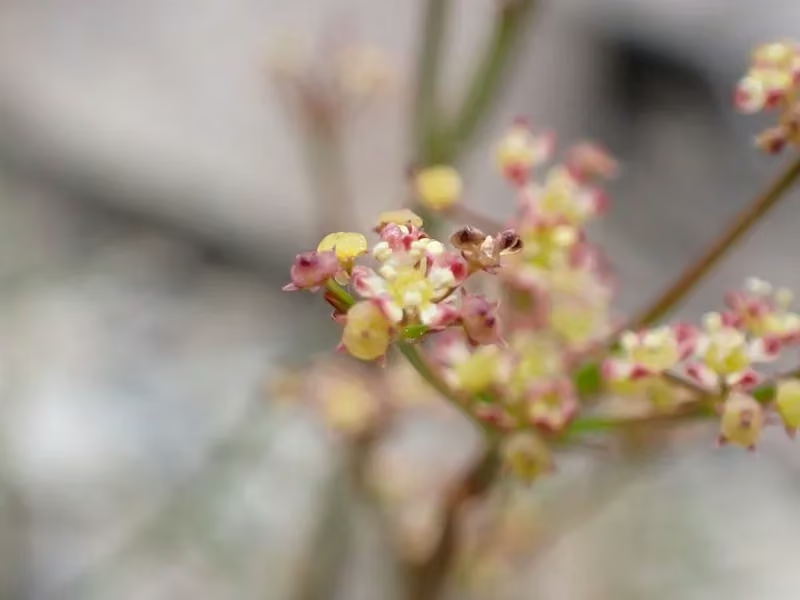
Anisotome filifolia is an evergreen perennial herb that typically reaches a height of up to 30 cm. It forms dense clumps of delicate, finely divided foliage that emerges from a stout central crown. The specific epithet "filifolia" accurately describes its "thread-leaved" appearance, with leaves that are narrow and linear, often resembling fine blades of grass. During the flowering season, the plant produces showy umbels of small flowers carried on erect stems that rise prominently above the foliage. These flowers are typically white, contributing to the plant's elegant and intricate aesthetic in its natural mountain habitat.
Quick Facts
| Scientific Name | Anisotome filifolia |
|---|---|
| Height | Up to 30 cm |
| Spread | 20-40 cm |
| Water Needs | Moderate; requires sharp drainage |
| Light | Full sun to bright light |
| Frost Tolerance | High; very cold hardy |
| Salt Tolerance | Moderate (in sandy maritime sites) |
| Growth Rate | Moderate |
| Lifespan | Perennial |
Climate Best Suited to
Anisotome filifolia is well adapted to various New Zealand regions, particularly cooler South Island environments that mimic its natural alpine to subalpine origins.
Regional Suitability
| City | Climate Suitability |
|---|---|
| Auckland | Low |
| Wellington | Medium |
| Christchurch | High |
Plant Habitat
Natural Occurrence and Ecology
In its natural environment, the Thread-leaved Anisotome is typically found in specialized mountain ecosystems across New Zealand's South Island. It has evolved to occupy niches in cool, bright, and free-draining conditions, often appearing in stable alpine herbfields, grasslands, and rocky fell-fields. It is particularly adapted to stony or gravelly substrates that ensure the sharp drainage its crown requires to avoid rot. Its natural distribution also extends to sunny maritime gardens with sandy or rocky soils, where its tolerance for wind and some maritime exposure allows it to thrive in exposed coastal-themed habitats.
Growing Requirements
Soil Requirements
Prefers gritty, lean, free-draining mineral soil mix.
- Sharply drained
- Mineral-rich
Light Requirements
Grows best in full sun to high bright light conditions.
- Full Sun
- Bright Exposure
Water Requirements
Requires moderate watering; avoid winter wetness.
- Regular
- Reduced in winter
Planting and Establishing
Establishment Guidance
To successfully establish Anisotome filifolia , choose a position that mimics its alpine heritage: full sun and excellent drainage are essential. It is best to plant during the cool, moist months into weed-free ground, setting the plants slightly proud of the surrounding soil to prevent crown rot. Provide a cool root run by mulching with coarse gravel or woodchips, being careful to keep the stem base clear. Grouping two to three plants together can help them establish more effectively and create a more natural-looking clump that mirrors their growth patterns in the wild.
Ecological Role
Biodiversity and Ecosystem Impact
Thread-leaved Anisotome plays a vital role in fragile alpine ecosystems by providing structure and seasonal resources for various native invertebrates. Its finely divided leaves offer shelter and cover, while its flowers provide nectar and pollen for pollinators such as native bees and flies. The plant's deep taproot helps stabilize stony mountain soils, and its winged mericarps are efficiently dispersed by the wind to colonize new open ground. It is also the exclusive host for the specialized rust fungus Puccinia namua , highlighting its unique place in New Zealand's intricate web of biological interdependencies.
Uses & Significance
Garden Uses
In a garden setting, Anisotome filifolia is an ideal choice for specialized alpine rockeries or gravel gardens. Its delicate, fern-like foliage provides a fine textural contrast to coarser-leaved plants and adds architectural interest year-round. It is highly valued by gardeners wishing to create authentic alpine-themed displays or maritime gardens with sandy soils. Its elegant, clumping form and showy summer flowers make it a striking feature in any collection of New Zealand native herbs, providing both structural beauty and seasonal visual rewards for the observer.
- Rock gardens
- Gravel gardens
- Textural contrast
Ecological Value
Beyond its ornamental appeal, this species is important for supporting local biodiversity. It provides a micro-habitat for ground-dwelling fauna and supports native pollinator networks with its seasonal flower display. As a taonga (treasure) species, it is frequently used in ecological restoration projects that honor whakapapa (ancestry) and kaitiakitanga (guardianship), helping to restore the natural vegetative complexity and resilience of New Zealand's unique high-altitude and coastal environments.
- Invertebrate habitat
- Pollinator support
Landscaping Uses
Modern landscaping can utilize Anisotome filifolia to create naturalistic, low-profile ground layers that replicate the feel of New Zealand's wild mountain and coastal landscapes. Designers often use it as a 'connective element' among other native plants, where its fine texture can soften the edges of hard landscaping features like rocks or paved paths. Its architectural form and intricate leaf structure make it a perfect choice for contemporary designs or sensory gardens. Its ability to maintain a neat habit while tolerating exposed conditions makes it a reliable performer for high-altitude-themed projects.
Seasonal Care Calendar
Spring
As growth resumes, ensure the soil moisture is consistent but avoid waterlogging. This is the best time to apply a very light dressing of mineral mulch. Monitor for new flower stems and check for any winter damage to the foliage.
- Monitor moisture
- Light mulching
Summer
Peak flowering occurs during the summer months. Provide occasional deep watering only during prolonged, extreme dry spells to maintain the density of the clumps. Enjoy the showy umbels that rise gracefully above the thread-like leaves.
- Deep watering
- Enjoy flowers
Autumn
The winged seeds will mature and be dispersed by the wind. Tidy up the area by removing any dead flower umbels. Ensure the site remains sharply drained as the weather becomes cooler and wetter to prevent rot around the crown.
- Seed dispersal
- Check drainage
Winter
Naturally very frost-hardy and adapted to snow cover. Minimal intervention is required during the dormant winter months; simply ensure the area stays free of heavy organic debris that could trap stagnant moisture around the base.
- Frost protection
- Clear debris
When to Prune and How Much
Anisotome filifolia requires very little pruning. Maintenance is primarily limited to removing any dead or crossing stems in early spring or late winter before new growth emerges. If the plant becomes slightly untidy after seed dispersal, the spent flower stalks can be carefully snipped back at the base. Thinning out dense areas can also improve air circulation and light penetration to the central crown. Always use clean, sharp, sterilized tools to ensure clean cuts and minimize the risk of introducing infection to the sensitive base of the plant.
- Remove dead stems
- Maintenance pruning
Always use clean, sharp tools.
How to Grow Thread-Leaved Anisotome
Cultivating Thread-leaved Anisotome ( Anisotome filifolia ) is a rewarding endeavor for any gardener interested in New Zealand's specialized mountain flora. This resilient species is best grown from seed, which is the most reliable method for producing new plants. Replicating its natural well-drained, gritty habitat is the most critical factor for ensuring long-term success and healthy growth in a garden setting.
From Seed
Propagation is most successful using fresh, wind-dispersed seeds. These should be sown immediately after harvest onto the surface of a fine, moist, grit-heavy seed-raising mix. They often require a period of cold stratification, mimicking the natural alpine winter, to effectively break seed dormancy. If not sown in autumn, store seeds in a cool place for spring sowing. Once sprouted, seedlings develop a long taproot very quickly, so they should be pricked out into deep containers as soon as the first true leaves appear to avoid any major root disturbance during subsequent growth.
Sow fresh seeds in a grit-based mix.
- Collect mature seeds
- Surface sow in autumn
Keep moist until germination occurs.
From Cuttings
Vegetative propagation via division is possible but must be handled with extreme care due to the plant's central crown and taproot system. Occasionally, side offsets may be produced on healthy clumps, which can be carefully detached in early spring. These should be replanted immediately into a sharply drained, moist medium and kept in a cool, shaded spot until new growth is observed, indicating that they have successfully established their own new root systems and are ready for the garden.
Division is best attempted in early spring.
- Carefully separate offsets
- Replant in gritty soil
Additional Methods
Ensuring the right growing environment is often more critical than complex propagation techniques for this species. It thrives when its roots are kept cool and moist within a mineral-rich substrate, making it perfect for a crevice garden or an alpine trough. Avoid areas subject to intense midday heat or prolonged drought, which can cause the delicate foliage to wither. Once established, the plant is relatively low-maintenance, requiring only occasional watering during extreme dry periods to maintain its healthy form.
Once planted, it requires very little intervention.
- Check for offsets
- Replant immediately
Pests & Diseases
The primary risk for Anisotome filifolia in cultivation is crown or root rot, which occurs if the soil remains waterlogged or if stagnant moisture persists around the base. To prevent this, ensure that the crown is kept slightly elevated above the surrounding soil surface and that drainage is excellent. Young plants should be protected from browsing animals such as rabbits or hares, which find the foliage attractive. While generally disease-resistant, maintaining good air circulation around the clumps is the best way to ensure the long-term health and resilience of this hardy herb.
Cultural Significance
As an endemic South Island species, Anisotome filifolia is considered a taonga (treasure) within New Zealand's botanical heritage. Honoring its whakapapa (ancestry) involves using eco-sourced plants in restoration and passing on traditional knowledge about its unique characteristics. While specific Māori names are less widely documented than for some relatives, it is part of the important tapestry of native herbs that represent the country's unique evolutionary history and the ongoing commitment to kaitiakitanga (guardianship) of our specialized mountain ecosystems.
- Native mountain heritage
- Botanical treasure
Bonus Tip
To highlight the ethereal quality of the thread-like foliage, plant Anisotome filifolia against a dark background or where it can be backlit by the morning or evening sun. The light shining through the fine leaves creates a shimmering effect that truly showcases the plant's unique 'gossamer' beauty in your garden.
Related Plants
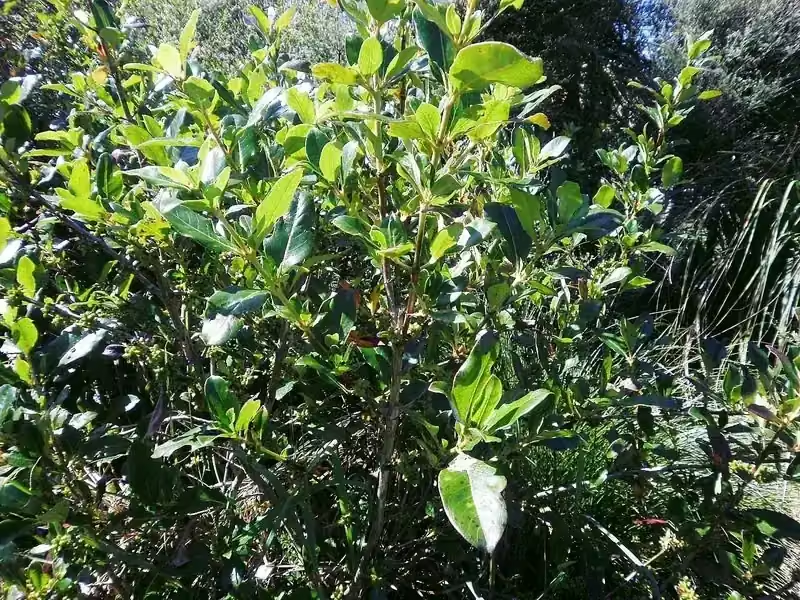
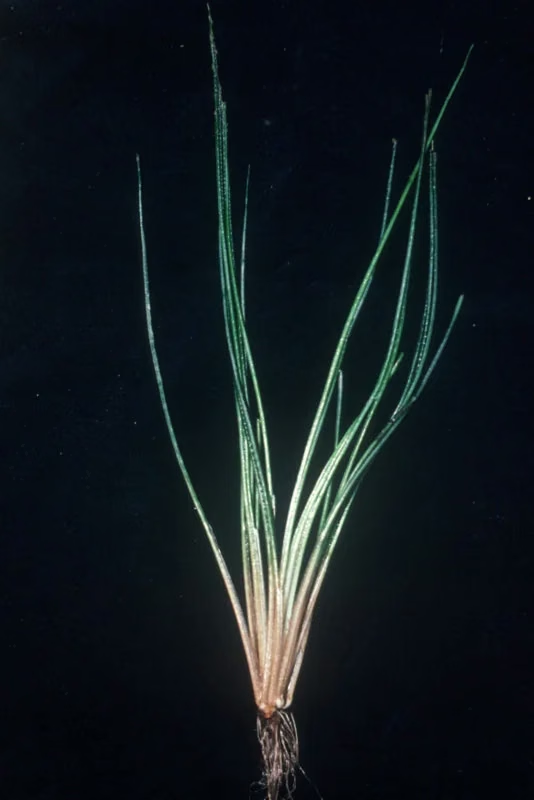
Explore other native plants that share similar characteristics or habitats with Anisotome Filifolia ( Anisotome filifolia ), offering further insights into New Zealand's diverse flora. These related species provide context and opportunities for complementary planting in your garden.

Plant Conservation
Conservation Status
Currently classified as 'Not Threatened' nationally, Anisotome filifolia remains a stable and important part of New Zealand's South Island mountain biodiversity. However, its continued success is linked to the preservation of its specialized high-country habitats, which can be vulnerable to land development and the spread of aggressive invasive weeds. Ensuring that these natural alpine environments remain protected from excessive human disturbance is key to maintaining the healthy populations of the Thread-leaved Anisotome that currently thrive across its natural range.
Frequently Asked Questions
How tall does Anisotome filifolia grow?
It grows up to about 30 cm tall, with a clump spread of roughly 20 to 40 cm.
Where does thread-leaved Anisotome grow?
It is found in South Island alpine herbfields, grasslands and rocky fellfields on free-draining stony ground.
What soil does Anisotome filifolia need?
It requires sharp drainage in stony or gravelly substrates and prefers full sun to bright light.
Is thread-leaved Anisotome cold hardy?
Yes, it is very cold hardy and adapted to its alpine to subalpine South Island origins.
Sources and Further Reading
The botanical, growing, and conservation details for Thread-Leaved Anisotome (Anisotome filifolia) on this page draw on authoritative New Zealand plant references and citizen-science observation records. Consult the sources below for full technical records and the latest distribution data.