Sand-Dune Bidibidi
Acaena fissistipula
Last updated:
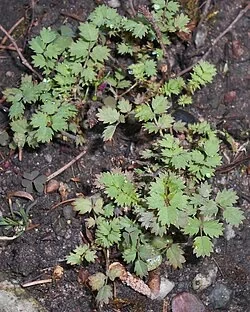
Sand-dune Bidibidi (Acaena fissistipula), also called Blue Mountain Bidibidi, is a low-growing native ground cover of New Zealand's montane and subalpine areas. It reaches just 5 to 10 cm tall and spreads up to 1 metre, forming dense mats of distinctive purple-bronze, fern-like foliage. Unlike many of its relatives, it lacks the barbed burrs that give Acaena the common name bidibid, making it far more garden-friendly. Frost hardy and happy in full sun to partial shade on well-drained soil, it grows at a moderate to fast rate and is valued for adding colour and texture while helping to stabilise soil and shelter small invertebrates. Explore more native plants such as Bidibid.
Plant Description
Identification and Physical Characteristics
Acaena fissistipula , commonly known as Sand-dune Bidibidi or Blue Mountain Bidibidi, is an attractive low-growing native ground cover of New Zealand Discover more about native grasses. With its distinctive purple-bronze foliage and dense mat-forming habit, this versatile plant adds both colour and texture to gardens and natural landscapes. Its ecological significance is evident in its role as a native ground cover, helping to prevent soil erosion and providing habitat for small invertebrates. Unlike some other Acaena species, it lacks the barbed burrs that give the genus its common name "bidibid," making it more garden-friendly while still offering important ecological benefits.
Quick Facts
| Scientific Name | Acaena fissistipula |
|---|---|
| Height | 5-10 cm |
| Spread | up to 1 m |
| Water Needs | Low to moderate; prefers well-drained soil |
| Light | Full sun to partial shade |
| Frost Tolerance | High; tolerates frosts well |
| Salt Tolerance | Moderate |
| Growth Rate | Moderate to fast |
| Lifespan | Perennial |
Climate Best Suited to
Acaena fissistipula is well adapted to various New Zealand regions.
Regional Suitability
| City | Climate Suitability |
|---|---|
| Auckland | High |
| Wellington | High |
| Christchurch | Medium |
Plant Habitat
Natural Occurrence and Ecology
Understand the natural habitat of Sand-dune Bidibidi ( Acaena fissistipula ), including its geographical distribution, preferred environmental conditions, and the types of ecosystems where it thrives. This knowledge is crucial for replicating its natural growing conditions in cultivation.Geographical distribution in montane and subalpine New Zealand.Preferred rocky, well-drained alpine climate and soil conditions.
Growing Requirements
Soil Requirements
Prefers well-draining soil rich in organic matter.
- Well-drained
- Loamy
Light Requirements
Grows best in partial to full sun.
- Full Sun
- Partial Shade
Water Requirements
Requires regular watering during dry periods.
- Regular
- Drought tolerant once established
Planting and Establishing
Establishment Guidance
Planting Sand-dune Bidibidi is best performed in autumn or early spring to allow the root system to establish before the heat of summer. Choose a site with full sun or partial shade and ensure the soil is extremely well-drained, as this species is intolerant of waterlogged conditions. It is highly adaptable to poor, shallow, or rocky substrates, making it an excellent choice for difficult garden spots or specialized rockeries. Dig a hole twice the width of the root habit and plant at the same depth, then provide consistent moisture until the mat begins to spread and root at its nodes.
Ecological Role
Biodiversity and Ecosystem Impact
Acaena fissistipula plays a crucial ecological role in New Zealand's montane and alpine ecosystems. Its dense, mat-forming growth habit is essential for soil stabilization on steep, rocky slopes and along mountain riverbeds, effectively preventing erosion from wind and water. These mats create sheltered micro-habitats for various specialized invertebrates and provide a protective ground cover that can facilitate the establishment of other native plant species. Unlike many of its relatives, it lacks aggressive barbed burrs, making it a more benign component of the ecosystem while still contributing significantly to biodiversity.
Uses & Significance
Garden Uses
Sand-dune Bidibidi is highly valued in garden design for its beautiful foliage colour and texture. It is ideal for rock gardens, crevice gardens, and as a fine-textured ground cover in native borders. Its low-growing habit makes it perfect for filling gaps between larger specimens or for creating a soft 'living mulch' around architectural features. Because it lacks the hitch-hiking burrs of other Acaena species, it is much more suitable for use near paths and seating areas where conventional bidibids might be a nuisance.
- Rock gardens
- Ground cover
Ecological Value
Ecologically, it is used in riparian plantings and restoration projects to rapidly cover bare ground and stabilize banks. It supports local invertebrate populations and provides a naturalistic ground layer that mimics the beauty of New Zealand's subalpine herbfields.
- Native invertebrates
- Soil stabilization
Landscaping Uses
In modern landscaping, the Sand-dune Bidibidi offers a sophisticated palette of purples, bronzes, and silvery-blues. It can be used to create dramatic sweeps of colour across banks or as an elegant filler between pavers and stepping stones. Its slow to moderate growth rate and non-aggressive nature allow it to be used in precise designs without fear of it overwhelming more delicate neighbors. It is particularly effective in xeriscape or high-country themed gardens where its resilience to wind and frost can be fully appreciated.
Seasonal Care Calendar
Spring
Spring is the ideal time for division or taking rooted cuttings. Ensure the plant receives adequate moisture as it begins its seasonal growth surge.
- Fertilize
- Mulch
Summer
The small, globe-shaped flowers with red anthers appear from November to January. Provide occasional deep watering during extreme drought to maintain the foliage's vibrancy.
- Water
- Check for pests
Autumn
Fruiting occurs from autumn into early winter. Clear any heavy fallen leaves from neighboring plants that could trap moisture and cause the dense mat to rot.
- Prune lightly
- Plant new specimens
Winter
Highly frost-tolerant and requires very little care during the winter months. The foliage colour often intensifies during cold spells, providing winter interest.
- Frost protection
When to Prune and How Much
Minimal pruning is required for Sand-dune Bidibidi. It is naturally well-behaved and stays low to the ground. If necessary, you can trim the edges of the mat to maintain a specific shape or to prevent it from encroaching on paths. Any dead or unsightly foliage can be snipped away in early spring to refresh the appearance of the mat. Always use clean, sharp shears to avoid damaging the delicate stems.
- Remove dead branches
Always use clean, sharp tools.
How to Grow Sand-Dune Bidibidi
Cultivating Sand-dune Bidibidi ( Acaena fissistipula ) is a rewarding way to bring a touch of the New Zealand mountains to your garden. This hardy native can be propagated through several simple methods, taking advantage of its natural ability to spread and root from its stems. Providing the right conditions of well-drained soil and good light is key to successful establishment and healthy, vibrant growth.
From Seed
Propagation from seed is possible and best done with fresh material collected in late summer. Sow the seeds on the surface of a gritty seed-raising mix and keep in a cool, bright position. Exposure to natural winter cold can help break dormancy and improve germination rates in the spring.
Sow fresh seeds in a seed-raising mix.
- Collect seeds
- Sow in trays
Keep moist until germination.
From Cuttings
The easiest and most common method of propagation is through division or taking rooted cuttings. Because the plant naturally roots at its nodes as it creeps along the ground, you can simply snip off a rooted section and replant it. This is best done in early spring or autumn during cooler weather.
Take semi-hardwood cuttings in late summer.
- Take cuttings
- Use rooting hormone
Additional Methods
Depending on the growth habit of Acaena fissistipula , other methods such as division or layering might also be viable options. Division is particularly suitable for plants that form dense clumps or have spreading root systems, while layering can be used for species with trailing or flexible stems.
Once planted, ensure the area is kept free of aggressive weeds until the Bidibidi mat is dense enough to suppress them itself. A fine gravel mulch around new plants can help regulate soil moisture and prevent fungal issues while giving a professional finish to the planting.
- Divide clumps
- Replant immediately
Pests & Diseases
Sand-dune Bidibidi is exceptionally hardy and generally resistant to most common garden pests and diseases. Its leathery foliage is rarely targeted by insects. The primary health risk is fungal rot, which can occur if the plant is grown in poorly drained, waterlogged soils or in areas with very high humidity and poor air circulation. Selecting the right planting site is the best preventative measure for maintaining a healthy mat.
Cultural Significance
While specific traditional Māori uses for Acaena fissistipula are less documented than for other relatives, it remains an integral part of New Zealand's botanical heritage. As an endemic species, it represents the specialized adaptation of the Rosaceae family to the country's unique montane and subalpine environments. Its presence in the landscape is a reminder of the intricate biodiversity of our high-country ecosystems and the importance of preserving these natural habitats.
- Traditional medicine
- Crafts
Bonus Tip
For the best silvery-blue or purple-bronze foliage colour, plant in a position that receives full sun. In deeper shade, the foliage will tend towards a more uniform green and the mat may become less dense.
Related Plants
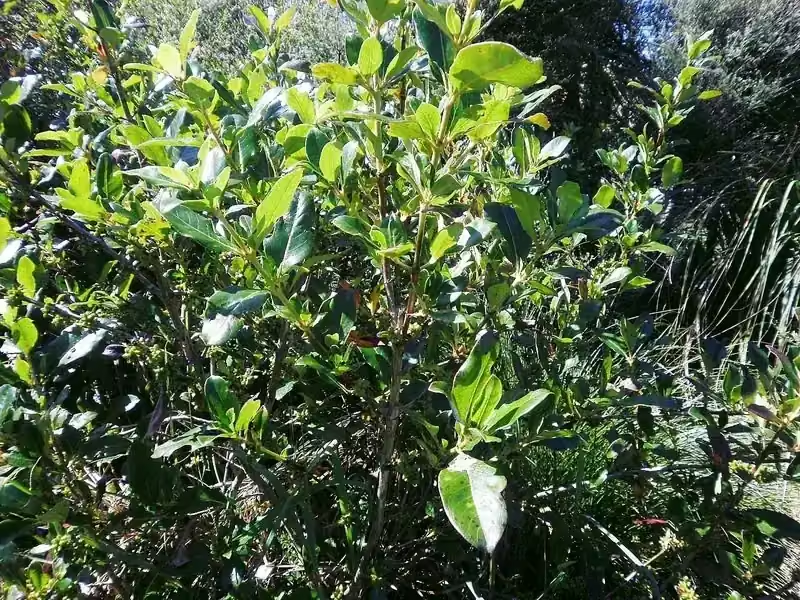
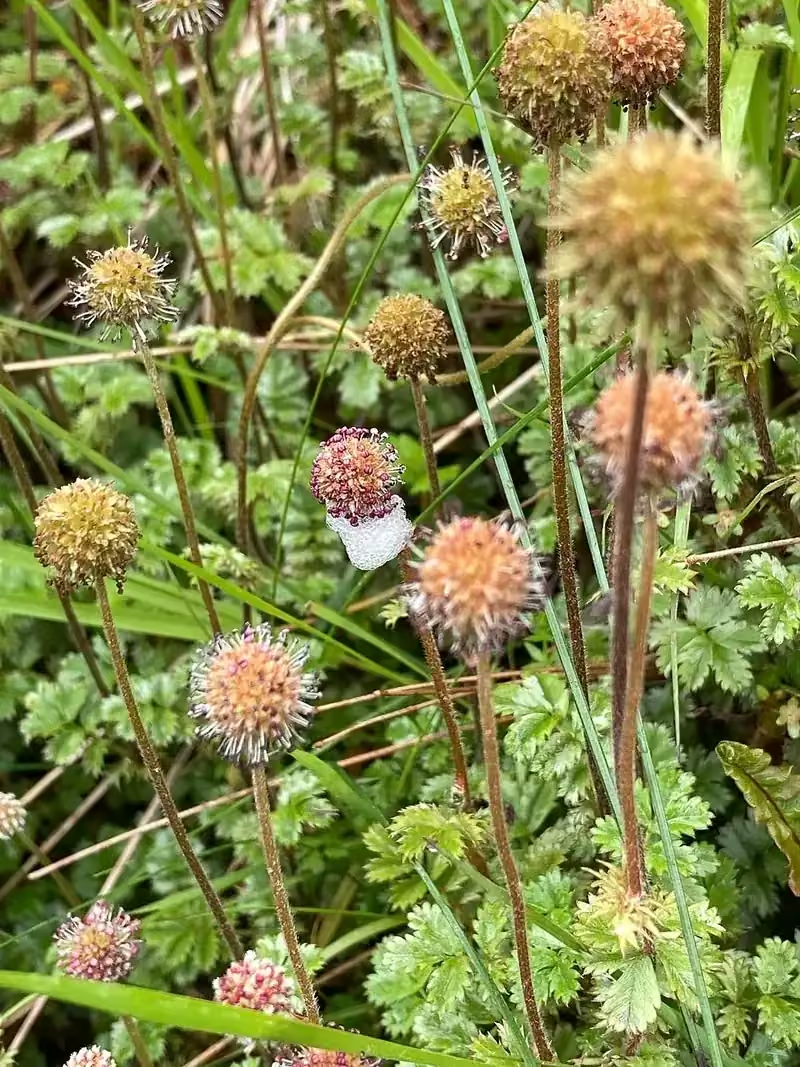
Explore other native plants that share similar characteristics or habitats with Acaena Fissistipula ( Acaena fissistipula ), offering further insights into New Zealand's diverse flora. These related species provide context and opportunities for complementary planting in your garden.




Plant Conservation
Conservation Status
Acaena fissistipula is classified as "Not Threatened" under the New Zealand Threat Classification System as of 2023, indicating stable populations across its natural range. However, regional assessments reveal some conservation concerns, with the species listed as "At Risk - Regionally Declining" in Otago, suggesting localized pressures on populations in certain areas.This endemic New Zealand species is distributed across the Central North Island and South Island (mostly eastern regions), occupying montane to alpine zones at elevations ranging from 300-1000 meters. Its specialized habitat preferences for grasslands and riverbeds in mountainous areas make it somewhat vulnerable to habitat modification and land use changes, particularly in accessible montane regions.The species' rhizomatous growth habit allows it to form persistent colonies through vegetative reproduction, contributing to local population stability. Its extended flowering period from November to January and fruiting period from November to May demonstrate good reproductive capacity. However, specialized habitat requirements in montane and alpine environments may limit its ability to colonize new areas.Conservation priorities include monitoring populations in regions showing decline, particularly in Otago, and protecting montane grassland and riverbed habitats from excessive grazing, trampling, and development. As climate change alters alpine and montane environments, continued assessment of population trends and habitat conditions will be important for maintaining stable conservation status throughout its range.
Frequently Asked Questions
How tall does Sand-dune Bidibidi grow?
It grows 5 to 10 cm tall and spreads up to 1 metre wide.
Does Sand-dune Bidibidi have clinging burrs?
No, it lacks the barbed burrs of most Acaena species, making it garden-friendly.
Does Sand-dune Bidibidi tolerate frost?
Yes, it is highly frost tolerant and suits cool montane gardens.
Where does Acaena fissistipula grow naturally?
It grows in montane and subalpine parts of New Zealand on rocky, well-drained ground.
Sources and Further Reading
The botanical, growing, and conservation details for Sand-Dune Bidibidi (Acaena fissistipula) on this page draw on authoritative New Zealand plant references and citizen-science observation records. Consult the sources below for full technical records and the latest distribution data.