Star Moss
Syntrichia ruralis
Last updated:
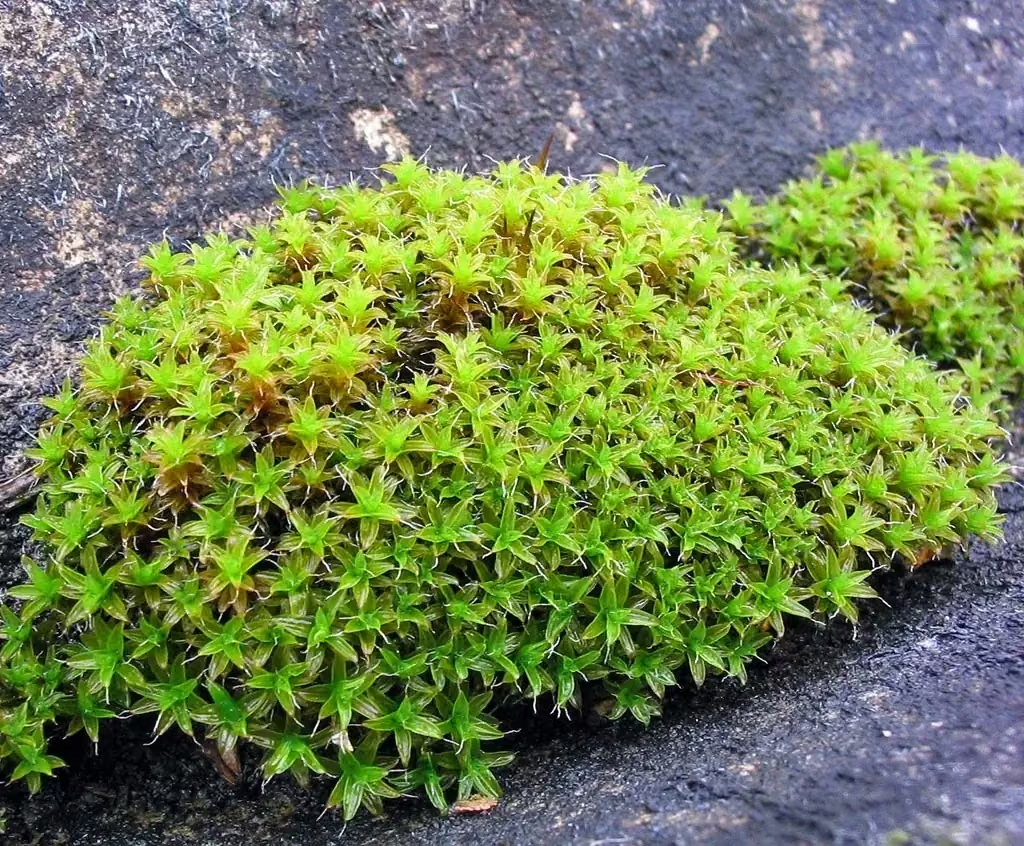
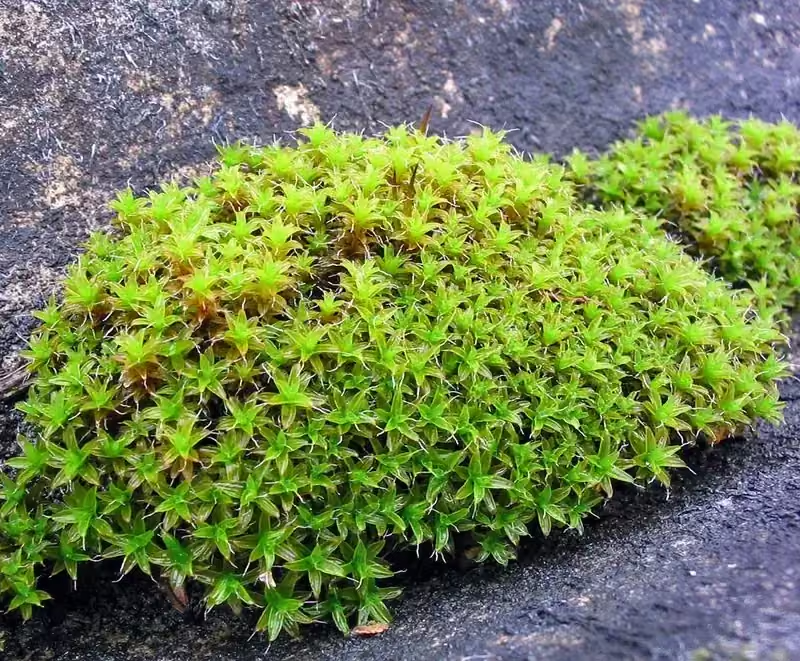
Star Moss (Syntrichia ruralis), also called twisted moss or screw moss, is a small mat-forming moss in the family Pottiaceae. Individual stems grow up to about 4 cm tall and form dense cushions that spread extensively across the ground. When hydrated it makes lush bright green tufts with star-shaped leaf rosettes, but in dry spells the leaves twist tightly around the stem and turn reddish-brown or bronze to conserve moisture. In New Zealand it colonises calcareous soils, rocky ledges, thin soils over stone, and man-made surfaces like concrete walls and old brickwork, making it a hardy pioneer of dryland and coastal soils. Explore more native mosses and lichens in our native plant guide.
Plant Description
Identification and Physical Characteristics
Syntrichia ruralis , commonly referred to as Star Moss, Twisted Moss, or Screw Moss, is a highly resilient non-vascular plant belonging to the moss family Pottiaceae. It is celebrated for its dramatic transformation depending on moisture availability. When fully hydrated, the moss forms lush, bright green tufts of erect stems that spread out to reveal small, star-shaped patterns of leaves. However, during dry periods, the leaves twist and wrap tightly around the stem, turning a deep reddish-brown or bronze colour. This "twisted" appearance is a survival strategy, reducing surface area to prevent further water loss. Individual stems typically grow up to 4 cm in height, creating dense, cushioned carpets on various substrates.
Quick Facts
| Scientific Name | Syntrichia ruralis |
|---|---|
| Height | Up to 4 cm |
| Spread | Mat-forming; extensive |
| Water Needs | Low; extremely drought-tolerant |
| Light | Bright indirect light to full sun |
| Frost Tolerance | High |
| Salt Tolerance | Medium |
| Growth Rate | Slow |
| Lifespan | Long-lived perennial moss |
Climate Best Suited to
Star Moss is a cosmopolitan species that is incredibly adaptable to New Zealand's diverse climates. It is particularly well-suited to regions with distinct dry seasons, as its physiology is optimized for surviving long periods without water. It is equally at home in the humid forests of the North Island and the harsh, frost-prone subalpine regions of the South Island. It can tolerate significant temperature fluctuations, from below freezing to over 35°C.
Regional Suitability
| City | Climate Suitability |
|---|---|
| Auckland | High |
| Wellington | High |
| Christchurch | High |
| Dunedin | High |
| Invercargill | High |
Plant Habitat
Natural Occurrence and Ecology
In New Zealand, Syntrichia ruralis occupies a wide range of habitats. It is commonly found on calcareous soils, rocky ledges, and thin soils over stone. It is also a frequent colonizer of man-made structures, including concrete walls, tiled roofs, and old brickwork, leading to its nickname "Cement Moss." In natural ecosystems, it often grows in open grasslands, sagebrush steppes, and tundra-like environments, as well as on the bark of certain trees in more humid forests.
Growing Requirements
Soil Requirements
Thrives on rocky, gritty, or calcareous substrates. It does not require deep soil and can grow on bare stone.
- Calcareous
- Stony/Gritty
- Alkaline to Neutral
Light Requirements
Prefers bright light. It can handle full sun but will turn reddish-brown more quickly than in indirect light.
- Bright Indirect
- Full Sun
Water Requirements
Requires very little water once established. It benefits from occasional misting but must dry out between hydration cycles.
- Low water
- Dry-wet cycles
Planting and Establishing
Establishment Guidance
Establishing Star Moss is best achieved by placing small clumps onto a suitable moist substrate. If planting on a rock or wall, use a small amount of clay or mud to help anchor the moss until it can attach its own rhizoids. Keep the area consistently misted for the first few weeks, then gradually reduce watering to match the plant's natural cycle. It is important not to over-saturate the moss, as this can encourage rot or the growth of competing algae.
Ecological Role
Biodiversity and Ecosystem Impact
Star Moss is an ecological pioneer, often one of the first organisms to colonize bare rock or disturbed soil. It plays a critical role in soil stabilization and the prevention of erosion, particularly in dryland and coastal dune environments. By creating a moist microhabitat at the surface, it facilitates the germination of higher plants. Its remarkable desiccation tolerance makes it a vital component of biological soil crusts, which are essential for nutrient cycling in arid regions.
Uses & Significance
Garden Uses
In New Zealand landscaping, Star Moss is prized for its architectural form in rock gardens, zen gardens, and terrariums. It provides a unique texture that changes with the weather.
- Rock gardens
- Terrariums
- Live walls
Ecological Value
It serves as a micro-habitat for many small invertebrates and is a key study subject for scientists researching plant resilience and survival mechanisms.
- Soil crust health
- Invertebrate habitat
- Scientific research
Landscaping Uses
Star Moss is often used by designers to create "aged" effects on stone features or along the cracks of paved pathways. Its ability to survive in very thin soil makes it ideal for green roofs and specialized alpine displays. Because it changes colour from green to reddish-bronze when dry, it adds a dynamic, seasonal element to the garden without requiring any seasonal maintenance.
Seasonal Care Calendar
Spring
The moss will be actively growing with natural rainfall. Gently remove any large weeds or debris that might smother the clumps.
- Weeding
- Natural growth
Summer
Expect the moss to turn brown and dormant during hot, dry spells. This is normal. Occasional misting will briefly "re-awaken" the green stars.
- Drought tolerance
- Evening misting
Autumn
Increased moisture will see the moss return to its vibrant green state. A good time to divide clumps if they have become too large.
- Rehydration
- Clump division
Winter
Star Moss is very frost-hardy. No special care is required, though ensuring it isn't completely buried under heavy mulch is important.
- Minimal care
- Frost hardy
When to Prune and How Much
Moss does not require traditional pruning.
- Remove dead patches
- Divide large tufts
Simply thin out any areas that are becoming overcrowded or lift and move sections to expand your moss coverage.
How to Grow Star Moss
Growing Star Moss ( Syntrichia ruralis ) is a fascinating exercise in understanding the resilience of non-vascular plants. Unlike traditional garden plants that rely on deep root systems and consistent soil moisture, Star Moss is a specialist of the surface, absorbing water and nutrients directly through its leaves. This makes it an exceptionally easy plant to maintain once you have successfully encouraged it to anchor itself to its chosen substrate.
The most reliable way to grow Star Moss is via fragmentation. Because every part of the moss stem can potentially grow into a new plant, you can simply break an existing clump into smaller pieces. Prepare your substrate-whether it be a rock, a concrete edge, or a patch of gritty soil-by cleaning it of loose dirt and ensuring it is thoroughly pre-moistened. Press the small moss fragments firmly onto the surface. For vertical surfaces, a thin slurry of clay or even a natural moss "glue" made from buttermilk and blended moss fragments can be applied, though physical anchoring is usually sufficient for horizontal growth.
From Spores or Fragments
Fragmentation mimics the natural way mosses spread through the action of wind or animal movement. It is a highly effective way to create large carpets of green.
Keep the fragmented pieces in a high-humidity environment until they show signs of new growth. Using a fine-mist sprayer once or twice a day during the first few weeks will help the new rhizoids (root-like structures) to attach firmly to the substrate.
- Break clumps into 1cm pieces.
- Press into a damp, gritty surface.
- Mist daily for two weeks.
Once you see the moss staying in place when gently touched, you can reduce the frequency of misting and let it adapt to the natural cycles of your garden.
By Maintenance and Cuttings
Star Moss is very low-maintenance, but it does not like to be completely submerged in water. Avoid placing it in low spots where water pools, as this will lead to anaerobic conditions and rot.
- Ensure good surface drainage.
- Avoid high-nitrogen fertilizers.
- Allow for dry-wet cycles.
Pests & Diseases
Star Moss is virtually immune to most common garden pests. However, birds may occasionally pull at the clumps to look for insects or to use the moss as nesting material. If this happens, simply press the dislodged pieces back onto the damp soil. The most significant threat to the moss is the growth of large, aggressive weeds or the buildup of thick leaf litter, which can starve the moss of light and air. Regular "sweeping" of the moss patch with a soft brush can help keep it healthy and clean.
Cultural Significance
In New Zealand, Star Moss is recognized as an important component of the biological crust that protects our unique dryland and alpine soils. While it lacks the large-scale cultural prominence of our forest giants, it is deeply respected by botanists and ecologists for its role in the "hidden" world of the forest floor and mountain heights. Its ability to survive extreme desiccation has made it a symbol of endurance and resilience in New Zealand's natural history.
- Symbol of subalpine resilience
- Essential soil crust component
- Native botanical curiosity
Bonus Tip
To see the "star" effect in action, wait for a dry day when the moss is brown and shrivelled. Pour a small amount of water over it and watch as the leaves unfurl and turn bright green in a matter of seconds. This rapid rehydration is one of the most remarkable sights in the plant world!
Related Plants
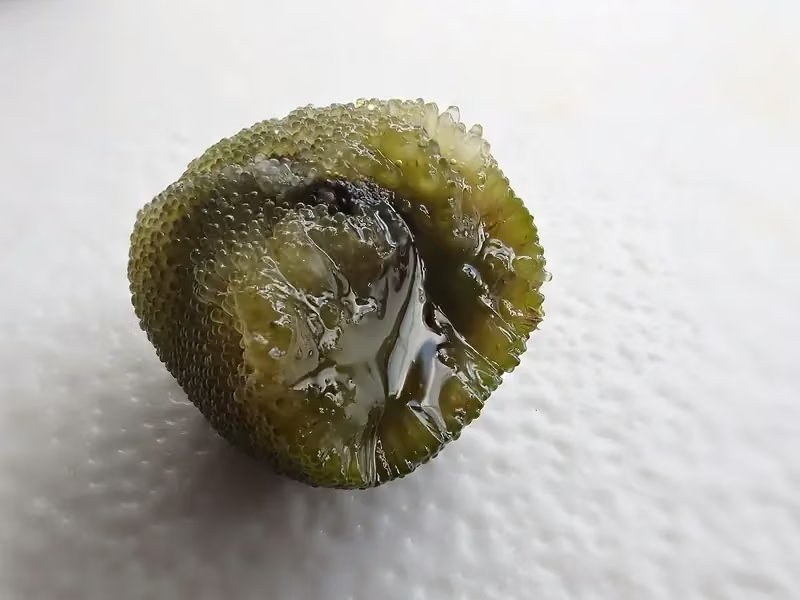
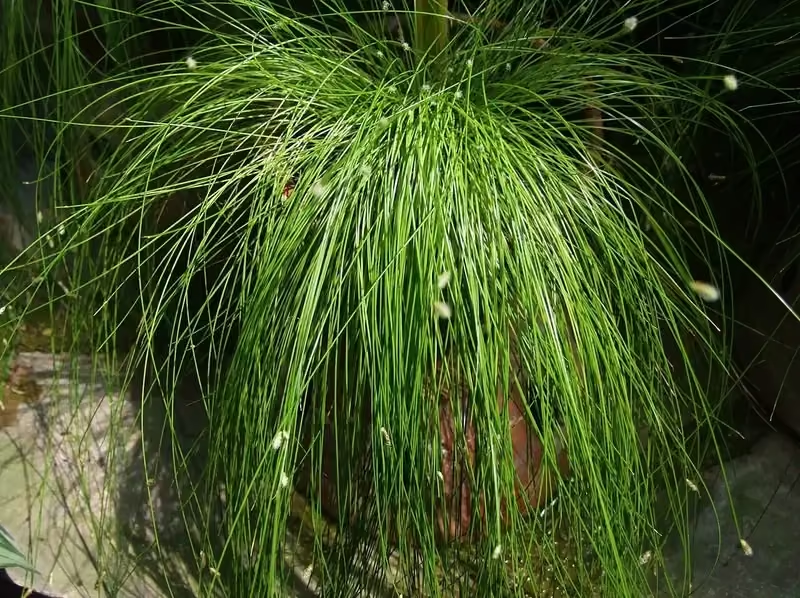
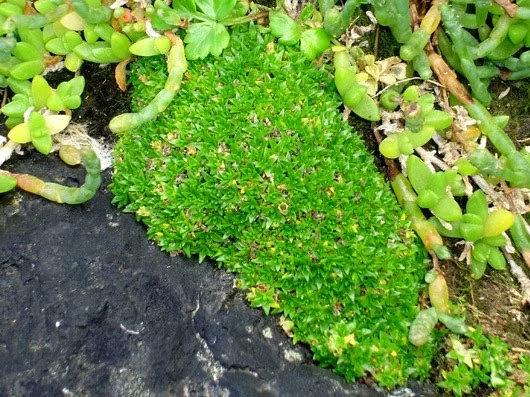
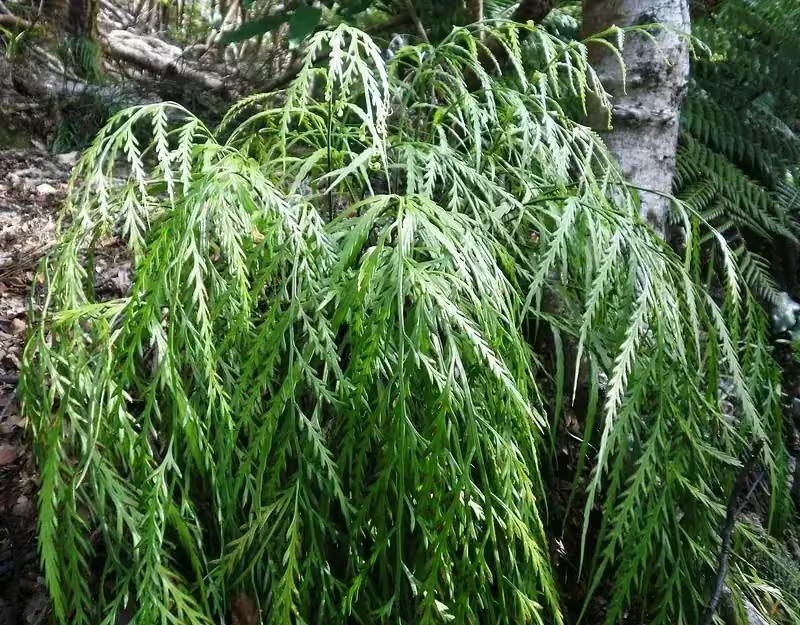
Explore other native plants that share similar characteristics or habitats with Star Moss ( Syntrichia ruralis ), offering further insights into New Zealand's diverse flora. These related species provide context and opportunities for complementary planting in your garden.


Plant Conservation
Conservation Status and Threats
Currently classified as 'Data Deficient' in New Zealand, Star Moss is common globally but requires more detailed monitoring within the local context to fully understand its population trends. The protection of rocky mountain habitats and the reduction of atmospheric nitrogen pollution are important factors in ensuring the continued health of native bryophyte communities like those dominated by Syntrichia ruralis .
Frequently Asked Questions
How tall does Star Moss grow?
Star Moss stems grow up to about 4 cm tall, forming dense mat-like cushions.
Is Syntrichia ruralis drought tolerant?
Yes, it is extremely drought-tolerant, curling its leaves and turning bronze to survive long dry periods.
Where does Star Moss grow naturally?
It grows on calcareous soils, rocky ledges, thin soils over stone, and man-made surfaces such as concrete walls and old brickwork.
Does Star Moss tolerate frost?
Yes, it has high frost tolerance and thrives in cold dryland and alpine environments.
Sources and Further Reading
The botanical, growing, and conservation details for Star Moss (Syntrichia ruralis) on this page draw on authoritative New Zealand plant references and citizen-science observation records. Consult the sources below for full technical records and the latest distribution data.