Cushion Forget-Me-Not
Myosotis pulvinaris
Last updated:
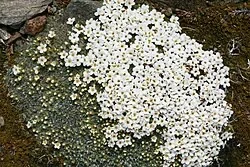
Cushion Forget-Me-Not (Myosotis pulvinaris) is a slow-growing alpine perennial that forms tight, rounded cushions up to 10 centimetres across and only 2 to 5 centimetres tall. Dense, silky, silver-grey hairs coat its tufted foliage, protecting it from intense sun and drying winds. It grows in the high-alpine zones of Central Otago, Canterbury, Westland and Fiordland, on fellfields and stable scree between about 1000 and 2100 metres. Extremely frost-hardy, it is a specialist of harsh South Island mountains. Explore more New Zealand alpine plants in our native plant guide.
Plant Description
Identification and Physical Characteristics
Myosotis pulvinaris , commonly known as the Cushion Forget-Me-Not, is an extraordinary perennial herb that exemplifies the adaptation of New Zealand's flora to extreme mountain environments. This species forms tight, compact, and rounded cushions that can grow up to 10 cm in diameter. The stems and leaves are many-branched and tufted, creating a dense, soft-textured mound. One of its most striking attributes is the silvery-grey or grey-green appearance of the foliage, which is due to a dense covering of long, silky, appressed hairs. These hairs serve to protect the plant from intense UV radiation and reduce moisture loss in windy subalpine sites. In early summer, the cushions are dotted with small, white, tube-shaped flowers, approximately 6 mm in diameter, which add a delicate beauty to the rugged alpine landscape.
Quick Facts
| Scientific Name | Myosotis pulvinaris |
|---|---|
| Height | 2-5 cm (cushion height) |
| Spread | Up to 10 cm |
| Water Needs | Moderate; requires good drainage |
| Light | Full sun; high light intensity |
| Frost Tolerance | Very high |
| Salt Tolerance | Low |
| Growth Rate | Slow |
| Lifespan | Perennial |
Climate Best Suited to
The Cushion Forget-Me-Not is a true specialist of the high-alpine climate. It is perfectly adapted to the South Island's mountainous regions, where it experiences severe frosts, heavy snow cover, and intense summer sun. It thrives in areas with high light levels and cool ambient temperatures. It is highly sensitive to lowland heat and humidity, which can lead to the rapid decline of the cushion structure and susceptibility to rot.
Regional Suitability
| City | Climate Suitability |
|---|---|
| Auckland | Low (Too warm/humid) |
| Wellington | Medium (Requires cool spot) |
| Christchurch | Medium (Best in alpine house) |
| Dunedin | High (In specialized gardens) |
| Invercargill | High |
Plant Habitat
Natural Occurrence and Ecology
This species is primarily found in the high-alpine zones of Central Otago, Canterbury, Westland, and Fiordland. Its natural habitat includes fellfields, stable scree slopes, and the margins of cushion bogs. It often grows at elevations between 1000 and 2100 meters above sea level. These environments are characterized by skeletal soils, high wind exposure, and extreme temperature fluctuations. The cushion growth habit allows the plant to trap warmth and moisture within its internal structure, creating its own favorable micro-environment.
Growing Requirements
Soil Requirements
Requires exceptionally well-drained, gritty, and mineral-rich soil. It is adapted to low-organic environments.
- Very gritty
- Mineral-rich
- Low organic content
Light Requirements
Demands full sun and high light intensity to maintain its compact cushion habit and silvery leaf colour.
- Full Sun
- High UV tolerance
Water Requirements
Needs consistent moisture at the root level but the cushion surface must dry quickly after rainfall.
- Cool root run
- Avoid stagnant water
Planting and Establishing
Establishment Guidance
Establishing Myosotis pulvinaris in a garden is a challenge that requires specialized conditions. It is best grown in an alpine trough or a scree garden where the soil composition can be tightly controlled. Use a mix of at least 70% fine grit or crushed schist and 30% sandy loam. Ensure the plant is nestled among stones to keep the roots cool. Mulching with clean stone chips up to the neck of the cushion is vital to prevent soil splashing onto the hairy leaves, which can cause fungal issues. Water from below if possible, or only during the morning so the cushion dries out during the day.
Ecological Role
Biodiversity and Ecosystem Impact
The Cushion Forget-Me-Not is an important "nurse plant" in high-alpine ecosystems. Its dense cushions capture wind-blown seeds and provide a sheltered, relatively stable micro-climate that facilitates the germination of other alpine species. The flowers provide a critical nectar source for high-altitude invertebrates, including specialized native bees and butterflies. Its compact form also helps stabilize the edges of scree slopes and fellfields, reducing the impact of wind and frost heave on the fragile alpine soil.
Uses & Significance
Garden Uses
Highly prized by alpine plant collectors and enthusiasts. It is a stunning addition to specialized rock gardens and alpine troughs where its silver cushions provide year-round architectural interest.
- Alpine troughs
- Scree gardens
- Collectors' specimens
Ecological Value
Ecologically significant for its role in maintaining high-altitude biodiversity and supporting specialized mountain-dwelling pollinators.
- Nurse plant role
- Pollinator support
- Soil stabilization
Landscaping Uses
In mainland landscaping, the Cushion Forget-Me-Not is utilized for high-end, specialized rockery designs. Its slow growth and compact habit make it a perfect "living stone" that complements the grey tones of New Zealand schist. It requires a high level of expertise to maintain in a landscaping context, making it a mark of distinction for gardens that can support its specific subalpine needs.
Seasonal Care Calendar
Spring
Check for any signs of winter damage or rot in the cushion. Ensure drainage channels around the plant are clear.
- Inspect cushion integrity
- Clear stone mulch
Summer
The flowering period. On very hot days, provide temporary shade to prevent the roots from overheating.
- Protect from extreme heat
- Maintain root moisture
Autumn
The best time for light maintenance. Gently brush away any fallen debris that has settled on the hairy leaves.
- Clear debris
- Refresh stone mulch
Winter
The plant is dormant and extremely frost-hardy. In lowland gardens, protect from excessive winter rainfall using a rain cover.
- Protect from winter rain
- Ensure clear drainage
When to Prune and How Much
Traditional pruning should be avoided as it can destroy the cushion's tight structure.
- Remove dead individual rosettes
- Do not cut the cushion surface
If an individual rosette within the cushion dies, it can be carefully removed with tweezers to prevent rot from spreading to the rest of the plant.
How to Grow Cushion Forget-Me-Not
Cultivating the Cushion Forget-Me-Not ( Myosotis pulvinaris ) is a journey into the specialized world of alpine horticulture. This species is not a plant for the casual gardener; it demands a deep understanding of New Zealand's high-altitude environments and a commitment to maintaining its specific niche. The primary challenge is replicating the cool, high-light conditions of the Southern Alps in a lowland garden setting.
The most reliable way to propagate this species is from fresh seed. However, germination is notoriously slow and often requires a period of cold stratification to simulate the alpine winter. Sow the seeds onto a surface of moist, very gritty seed-raising mix. The seeds should be barely covered with a fine layer of crushed stone. Place the seed tray in a cool, bright spot-ideally in a specialized alpine house or a refrigerated propagation unit. It is essential to maintain consistent moisture at the base of the medium while ensuring the surface remains airy and well-ventilated.
From Seed
Seeds should be collected as soon as they are mature, typically in late summer.
- Collect ripe seeds in summer.
- Sow on a gritty, mineral-rich mix.
- Provide 4-6 weeks of cold stratification.
Young seedlings are extremely sensitive to damping off and must be handled with great care. Once they have formed a small rosette, they can be pricked out into individual pots filled with a high-grit content medium.
Maintenance Tips
Success with Myosotis pulvinaris requires constant vigilance regarding drainage and temperature.
- Grow in an alpine trough for control.
- Use stone mulch to protect the neck.
- Provide excellent air circulation.
Pests & Diseases
The greatest threat to Cushion Forget-Me-Not is fungal rot, which can quickly destroy a cushion if it remains wet for too long or if humidity is too high. Downy mildew and grey mould are common issues in stagnant air. Ensuring perfect drainage and high levels of ventilation is the best defense. Slugs and snails may occasionally target the cushions, though the dense hairs are somewhat deterrent. Aphids can sometimes infest the center of the cushion, requiring careful management with gentle, non-oily soaps to avoid damaging the hairy leaves.
Cultural Significance
The Cushion Forget-Me-Not is a significant part of New Zealand's botanical identity, representing the extreme end of plant adaptation in the Southern Hemisphere. While it does not have the broad traditional usage of lowland species, it is deeply valued by the scientific and horticultural communities. Its name "pulvinaris" refers to its cushion-like form, a feature that has become iconic of the New Zealand alpine landscape. It serves as a reminder of the fragile and specialized life forms that inhabit our highest peaks and the importance of protecting these unique environments from the threats of climate change.
- Symbol of alpine adaptation
- Iconic New Zealand cushion plant
- Botanical treasure of the South Island
Bonus Tip
To maintain the tightest possible cushion and the best silver colour, ensure your plant receives as much ultraviolet light as possible. In lowland gardens, this means placing it in the most exposed, unshaded part of your rockery, as long as you can keep the roots cool with stones.
Related Plants
Explore other native plants that share similar characteristics or habitats with Cushion Forget-Me-Not ( Myosotis pulvinaris ), offering further insights into New Zealand's diverse flora. These related species provide context and opportunities for complementary planting in your garden.
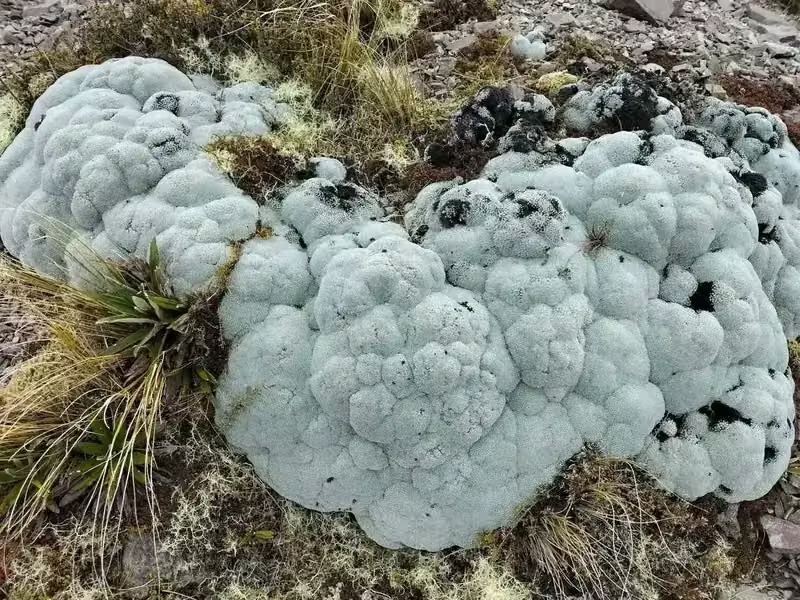
Vegetable Sheep
Raoulia eximia
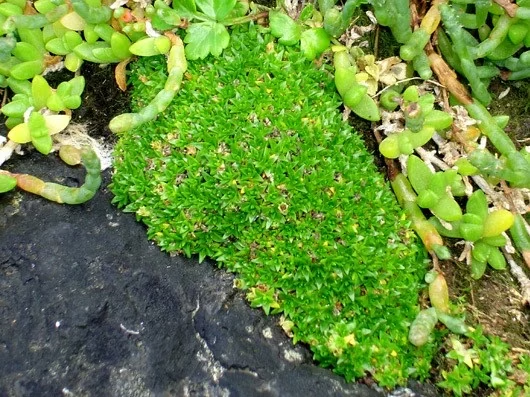
Coastal Cushion
Colobanthus muscoides
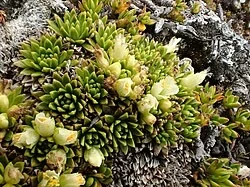
Hectorella
Hectorella caespitosa
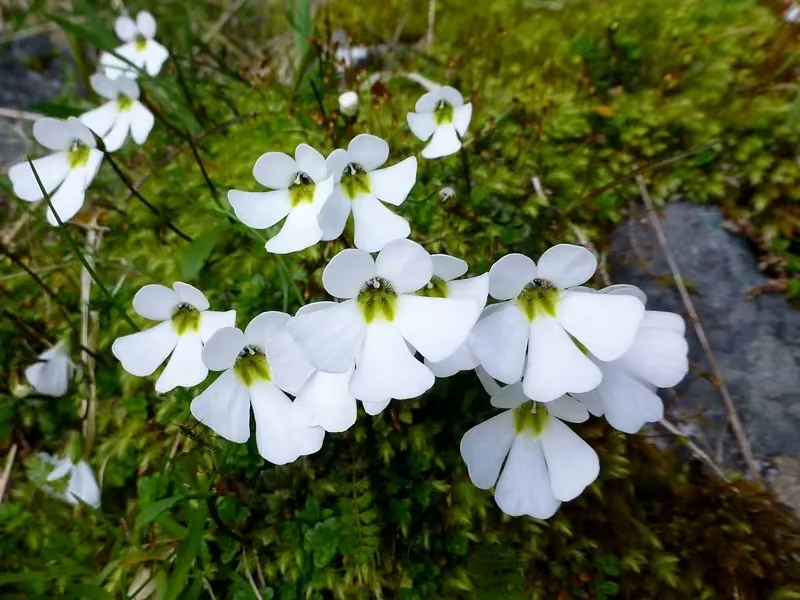
Creeping Ourisia
Ourisia caespitosa
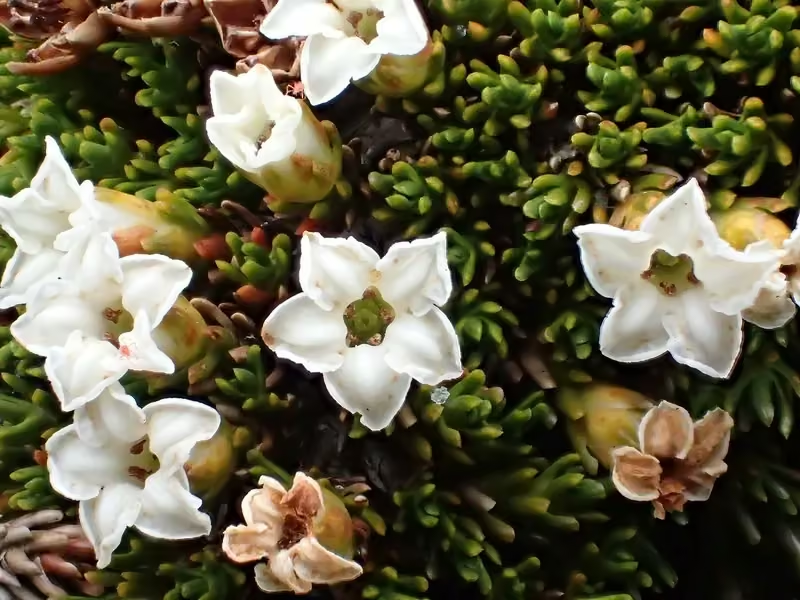
Cushion Inaka
Dracophyllum muscoides

Mount Cook Buttercup
Ranunculus lyallii
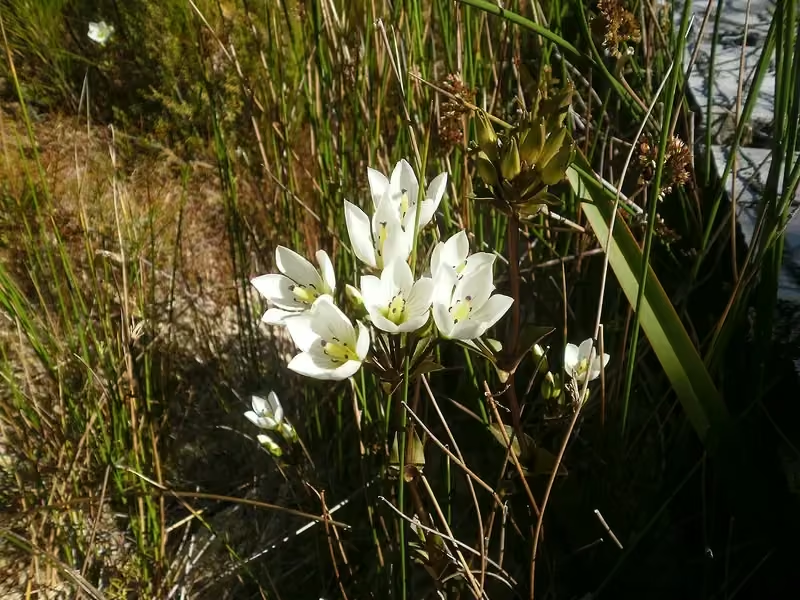
Dwarf Mountain Gentian
Gentianella bellidifolia
White Mountain Daisy
Celmisia sessiliflora
Plant Conservation
Conservation Status and Threats
Currently classified as 'Not Threatened', the Cushion Forget-Me-Not remains common in its specialized alpine range. However, it is an environment-sensitive species that acts as a sentinel for climate change. Any significant warming of the high-alpine environment could reduce the areas suitable for this specialist, making the preservation of New Zealand's pristine mountain habitats essential for its long-term future.
Frequently Asked Questions
How big does the cushion forget-me-not grow?
It forms tight cushions only 2 to 5 centimetres tall and up to 10 centimetres across.
Where does the cushion forget-me-not grow naturally?
It grows in high-alpine fellfields and scree of Central Otago, Canterbury, Westland and Fiordland.
Does the cushion forget-me-not tolerate frost?
Yes, it is very frost-hardy and adapted to severe alpine cold and snow.
How fast does the cushion forget-me-not grow?
It is slow-growing, gradually building its dense cushion form.
Sources and Further Reading
The botanical, growing, and conservation details for Cushion Forget-Me-Not (Myosotis pulvinaris) on this page draw on authoritative New Zealand plant references and citizen-science observation records. Consult the sources below for full technical records and the latest distribution data.