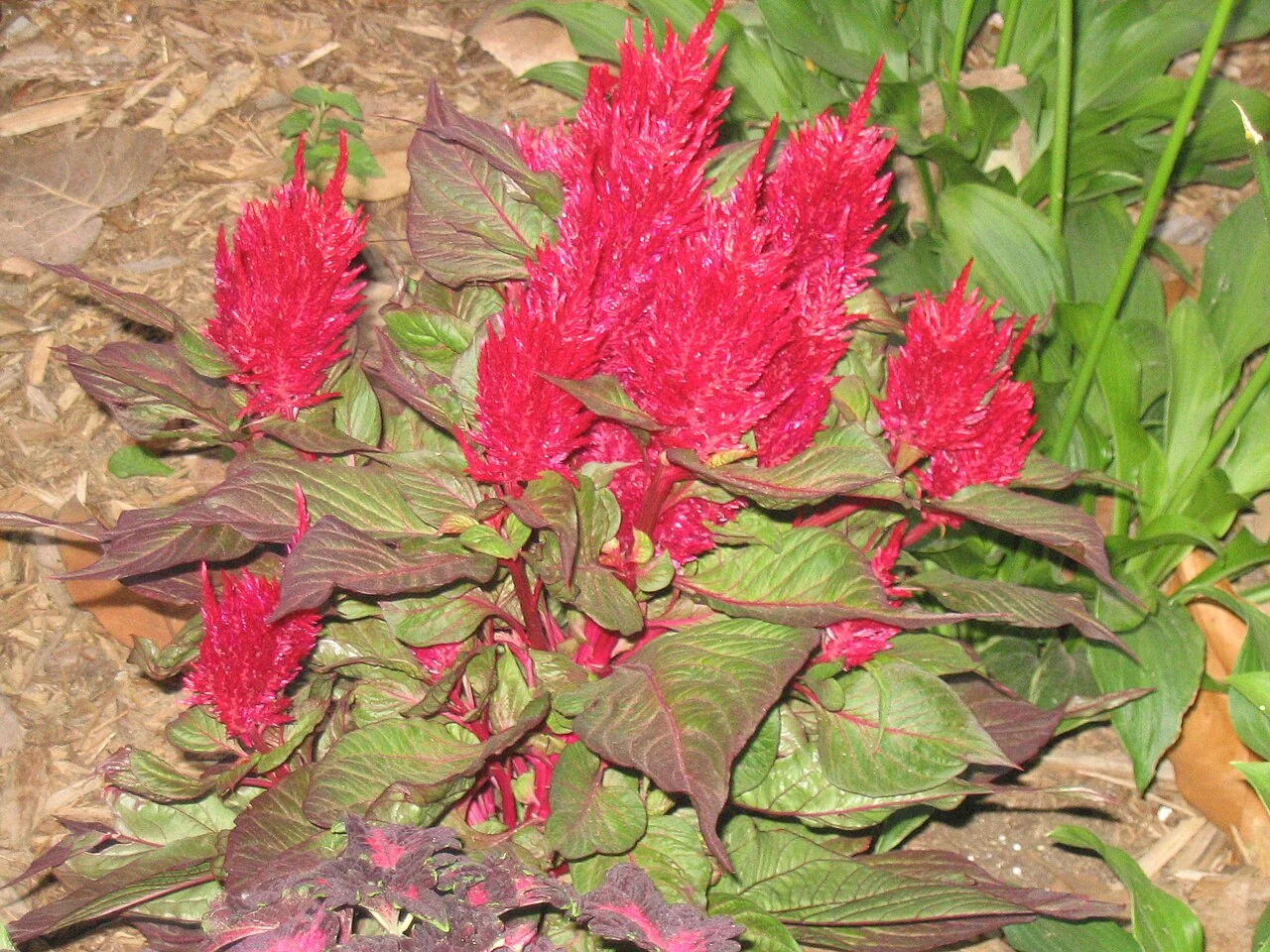
Silver Cockscomb
Celosia argentea
Silver Cockscomb (scientific name: Celosia argentea ), also known as Lagos Spinach or plumed cockscomb, is a vibrant and versatile plant cultivated worldwide for its stunning ornamental displays and its highly nutritious edible leaves. While not native to Aotearoa, it is a popular addition to many New Zealand gardens during the warmer months. This comprehensive guide provides detailed information on its care, culinary uses, and importance as both a food crop and a decorative species. Understanding this plant enhances our appreciation for global botanical diversity and the ways we can integrate useful plants into our local Flower Gardens .
Plant Description
Identification and Physical Characteristics
Celosia argentea is a fast-growing herbaceous annual that can reach heights between 0.3 and 1.0 meters. It is member of the amaranth family (Amaranthaceae) and is most famous for its extraordinary flower heads. These flowers appear in two main forms: the plumosa type, which produces feathery, flame-like spikes, and the cristata type, which forms wavy, brain-like crests. The colours are incredibly vivid, ranging from brilliant reds and oranges to deep purples, pinks, and yellows. Its leaves are typically bright green, sometimes with a reddish or bronze tint, and are arranged alternately along the stems.
Quick Facts
| Scientific Name | Celosia argentea |
|---|---|
| Height | 0.3 - 1.0 metres |
| Spread | 0.2 - 0.5 metres |
| Water Needs | Moderate; requires well-drained soil |
| Light | Full sun (8+ hours daily) |
| Frost Tolerance | None; very sensitive to cold |
| Salt Tolerance | Low |
| Growth Rate | Fast |
| Lifespan | Annual |
Climate Best Suited to
Originating from tropical Africa, Silver Cockscomb requires warm to hot conditions to thrive. In New Zealand, it is grown as a summer annual. It requires a frost-free period and soil temperatures above 13°C before it can be successfully established outdoors. It thrives in high light levels and warm nights.
Regional Suitability
| City | Climate Suitability |
|---|---|
| Auckland | High (Summer only) |
| Wellington | Medium (Requires shelter) |
| Christchurch | Medium (Summer only) |
Plant Habitat
Natural Occurrence and Ecology
In its native range across tropical Africa and Asia, Celosia argentea is found in open, sunny locations such as grasslands, forest clearings, and disturbed ground. It has a natural affinity for fertile, moist soils but is highly adaptable. Globally, it has become naturalized in many tropical and subtropical regions, where it often grows as a vibrant weed in agricultural fields and along roadsides.
Growing Requirements
Soil Requirements
Prefers fertile, well-drained soil that is rich in organic matter. A slightly acidic pH between 6.0 and 6.5 is ideal. While it can tolerate poorer soils, growth will be less vigorous and flowering less spectacular. Good drainage is essential to prevent root rot.
- Well-drained
- Fertile / Loamy
- Organic-rich
Light Requirements
This plant is a sun-lover. It requires at least 8 hours of direct, unfiltered sunlight per day to produce its most vibrant colours and healthy, sturdy stems. Shady conditions will result in weak growth and pale, disappointing flowers.
- Full Sun
Water Requirements
Requires regular watering to keep the soil consistently moist but not waterlogged. It is particularly sensitive to drying out during the seedling stage. Once established, it can tolerate brief periods of dry soil, but regular moisture is needed for optimal bloom production.
- Moderate
- Consistent moisture
Planting and Establishing
Establishment Guidance
Seeds can be started indoors 6-10 weeks before the last expected frost. Sow seeds 1/4 inch deep and maintain a temperature of 21-27°C. Transplant outdoors only when the soil has warmed and all danger of frost has passed. Space plants 15-45 cm apart depending on the specific variety's expected width.
Ecological Role
Biodiversity and Ecosystem Impact
Celosia argentea attracts a variety of pollinators, including bees and butterflies, providing them with a valuable source of nectar and pollen. In its native ecosystems, it is an integrated part of the herbaceous layer, contributing to local food webs. It is also noted for its ability to absorb certain heavy metals from the soil, which is studied for potential bioremediation purposes.
Uses & Significance
Garden Uses
Highly valued as an ornamental plant for summer bedding, borders, and containers. Its unique flower forms and intense colours provide dramatic visual impact. It is also an excellent cut flower, with blooms lasting 1-2 weeks in a vase and drying beautifully for long-lasting arrangements.
- Ornamental borders
- Container displays
- Cut flowers (Fresh/Dried)
Edible Value
The leaves and young shoots are a highly nutritious vegetable, commonly known as Lagos Spinach. They have a mild flavor similar to spinach and are rich in vitamins A and C, calcium, and iron.
- Nutritious leafy green
- Vitamins and minerals
Landscaping Uses
Perfect for creating "hot" colour schemes in the landscape. Use mass plantings of plumed varieties for a sea of fiery texture, or use the crested cockscomb types as curious focal points. It pairs well with other heat-loving annuals like Zinnias and Marigolds.
Seasonal Care Calendar
Spring
Start seeds indoors in late winter or early spring. Prepare the outdoor garden bed with organic matter. Harden off seedlings gradually before transplanting once the weather is reliably warm.
- Sow seeds
- Prepare soil
- Transplant (Late Spring)
Summer
Maintain regular watering and fertilize every two weeks with a balanced, diluted liquid fertilizer. Pinch back branching varieties to encourage more blooms. Watch for aphids and ensure good air circulation.
- Regular watering
- Feeding
- Pest monitoring
Autumn
Harvest flowers for drying. Collect seeds once the flower heads have faded and turned brown. Remove the plants once they begin to decline with the onset of cooler temperatures or the first frost.
- Harvest flowers
- Collect seeds
- Clear garden beds
Winter
This plant will not survive a New Zealand winter outdoors. Plan your next season's display and ensure seeds are stored in a cool, dry, dark place.
- Plan next season
- Store seeds
When to Prune and How Much
For multi-stemmed branching varieties, "pinching" is the main form of pruning. When the plant is about 15-30 cm tall, pinch out the central growing tip. This encourages the plant to branch out, resulting in more stems and therefore more flowers.
- Pinch central tip early
- Deadhead to tidy
Deadheading (removing faded flowers) can also keep the plant looking tidy, though it won't necessarily stimulate as much new bloom as pinching does.
How to Grow Silver Cockscomb
Cultivating Silver Cockscomb ( Celosia argentea ) is a rewarding endeavor for any gardener interested in vibrant, fast-growing plants. This species is primarily propagated through seeds, a process that requires specific conditions to ensure healthy germination and robust establishment. Successful propagation depends on providing warmth, adequate light, and consistent moisture during the early stages of development. Because it is a tropical native, cold temperatures are the biggest hurdle for success in a New Zealand climate.
From Seed
Propagation from seed is the most effective way to produce a large number of Silver Cockscomb plants. Seeds should be collected when they are fully mature, which is evident when the flower heads turn dry and brownish. Freshly collected seeds generally have higher germination rates. In most parts of New Zealand, it is essential to start seeds indoors in late winter or early spring to give the plants a sufficiently long growing season.
Sow the seeds onto the surface of a fine, sterilized seed-starting mix. Because they require light to germinate, only press them gently into the soil or cover them with a very thin dusting of vermiculite. Maintain a consistent temperature of around 21-27°C and keep the mix evenly moist. Seedlings should emerge within 7-14 days. Once they have developed their first true leaves, provide them with bright light to prevent them from becoming leggy.
- Sow seeds indoors 6-8 weeks before frost
- Keep warm (21-27°C) and moist
- Ensure bright light after emergence
- Harden off before transplanting
Avoid overwatering seedlings, as they are prone to damping off.
From Cuttings
While less common than seed propagation, Silver Cockscomb can be grown from terminal cuttings. This technique ensures that the new plants are genetically identical to the parent. This is sometimes used to maintain a particularly beautiful or unusual flower form.
Take 10 cm long cuttings from the tips of healthy, non-flowering stems in mid-summer. Remove the lower leaves and insert the cutting into a well-draining potting medium or even directly into water. Rooting should occur within a couple of weeks if kept in a warm, bright location.
- Take 10cm non-flowering tips
- Remove lower leaves
- Place in water or moist grit
Additional Methods
In professional settings, tissue culture may be used for large-scale production of specific cultivars, but for the home gardener, seeds and cuttings are the most practical options. When transplanting, be extremely careful not to disturb the roots excessively, as Celosia can be sensitive to transplant shock.
Ensuring the outdoor soil is warm (above 13°C) before planting is the single most important factor for outdoor success. If planted too early into cold soil, the plants will stunt and may never recover.
- Wait for warm soil (13°C+)
- Disturb roots as little as possible
- Water well after transplanting
Pests & Diseases
Generally healthy, but watch for aphids, spider mites, and whiteflies. Overwatering or humid, stagnant air can lead to fungal diseases like powdery mildew or root rot. Ensure plants are well-spaced for good air movement.
Cultural Significance
Silver Cockscomb holds immense cultural value in West Africa as a staple food source (Lagos Spinach). It is also traditionally used in various Asian cultures for both medicine and as a ritual plant near temples. In many cultures, the name "Cockscomb" refers to the flower's resemblance to the crest of a rooster.
- Traditional food source (Africa)
- Medicinal uses (India/China)
- Symbolic temple plant
Bonus Tip
For long-lasting dried flowers, harvest just as the blooms reach full size and hang them upside down in a dark, airy place.
Cultivating this species effectively involves a deep understanding of its natural adaptations and environmental preferences. By mimicking its native habitat-whether that be the cool, moist understory of a temperate rainforest or the exposed, well-drained slopes of an alpine range-gardeners can ensure robust growth and long-term health. Regular observation and minimal, targeted intervention are often the best strategies for maintaining the unique characteristics and ecological contributions of this remarkable New Zealand native plant.
Related Plants
Explore other flowering plants that offer vibrant colours or unique forms for your garden. These species provide context and opportunities for complementary planting alongside Silver Cockscomb ( Celosia argentea ).
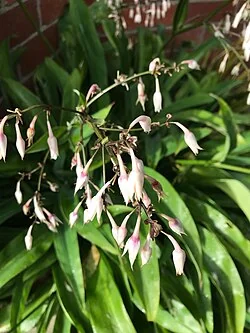
Arthropodium cirratum
Arthropodium cirratum
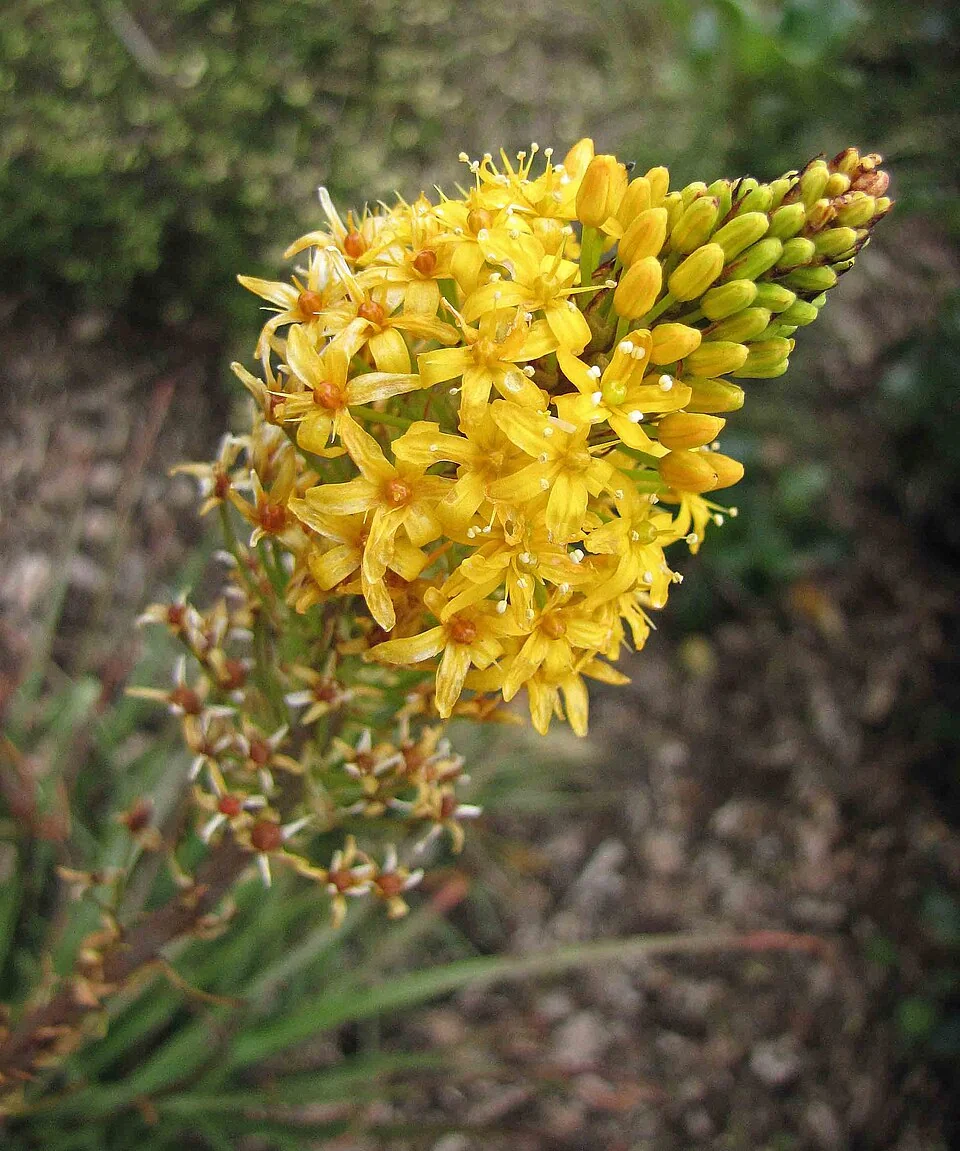
Bulbinella hookeri
Bulbinella hookeri
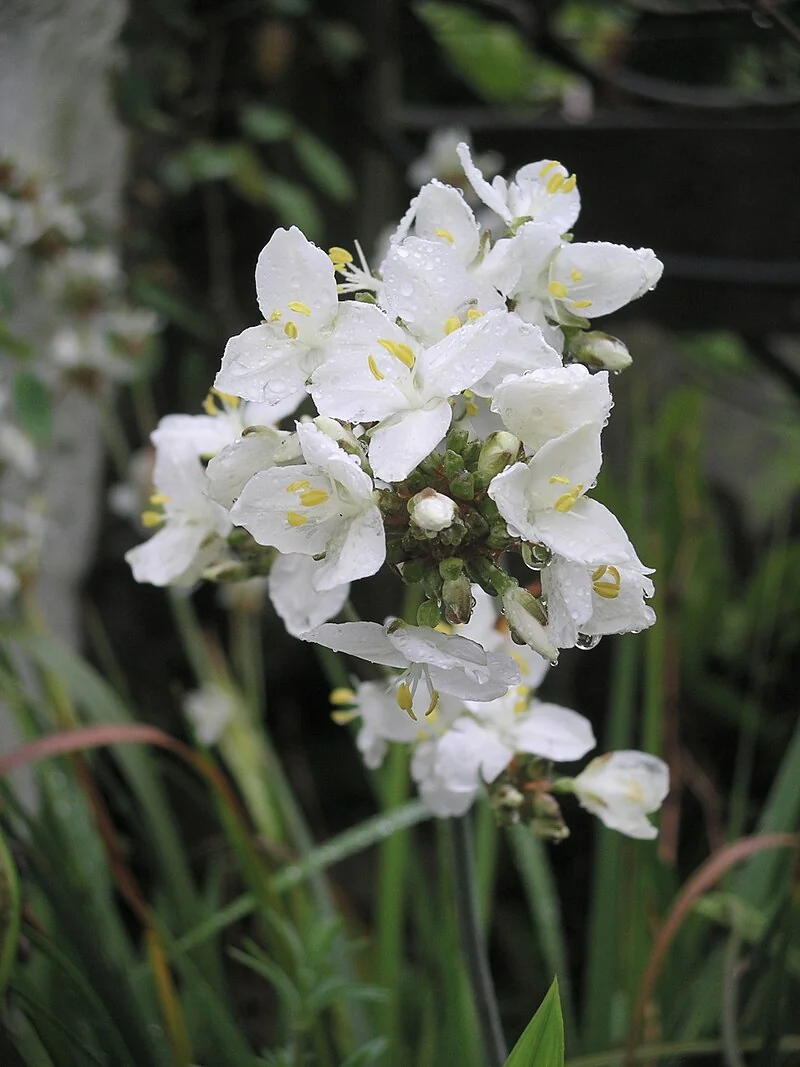
Libertia grandiflora
Libertia grandiflora
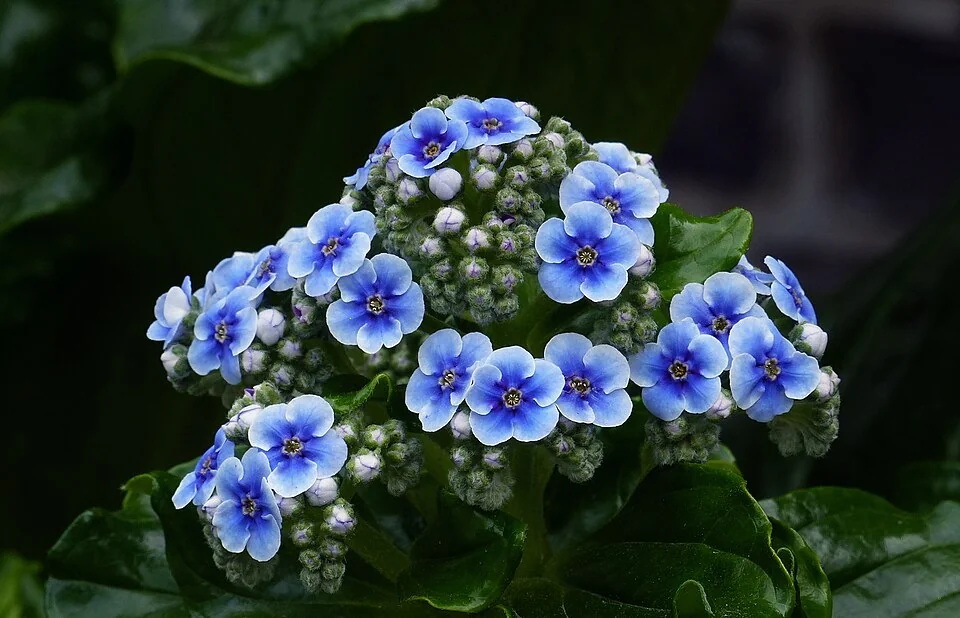
Myosotidium hortensia
Myosotidium hortensia
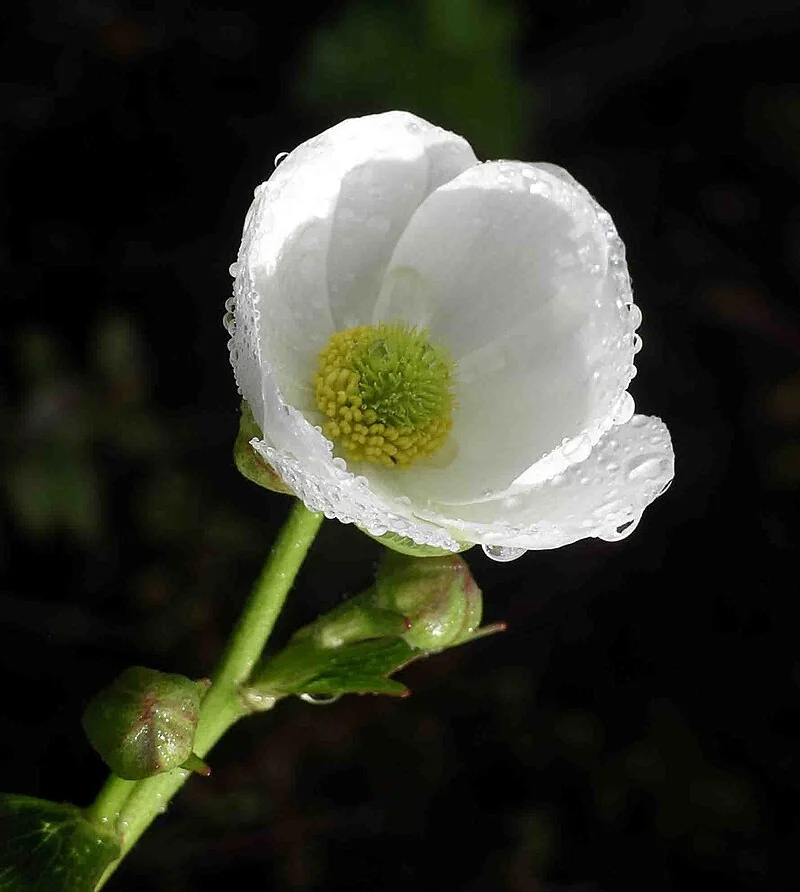
Ranunculus lyallii
Ranunculus lyallii
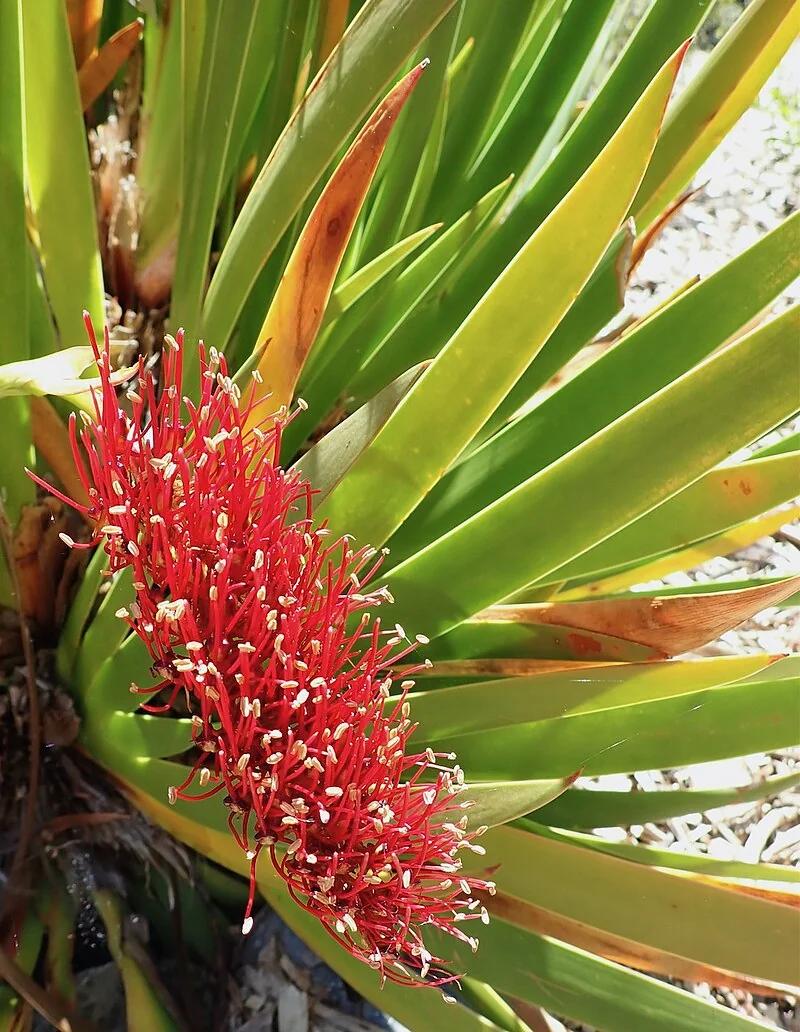
Xeronema callistemon
Xeronema callistemon
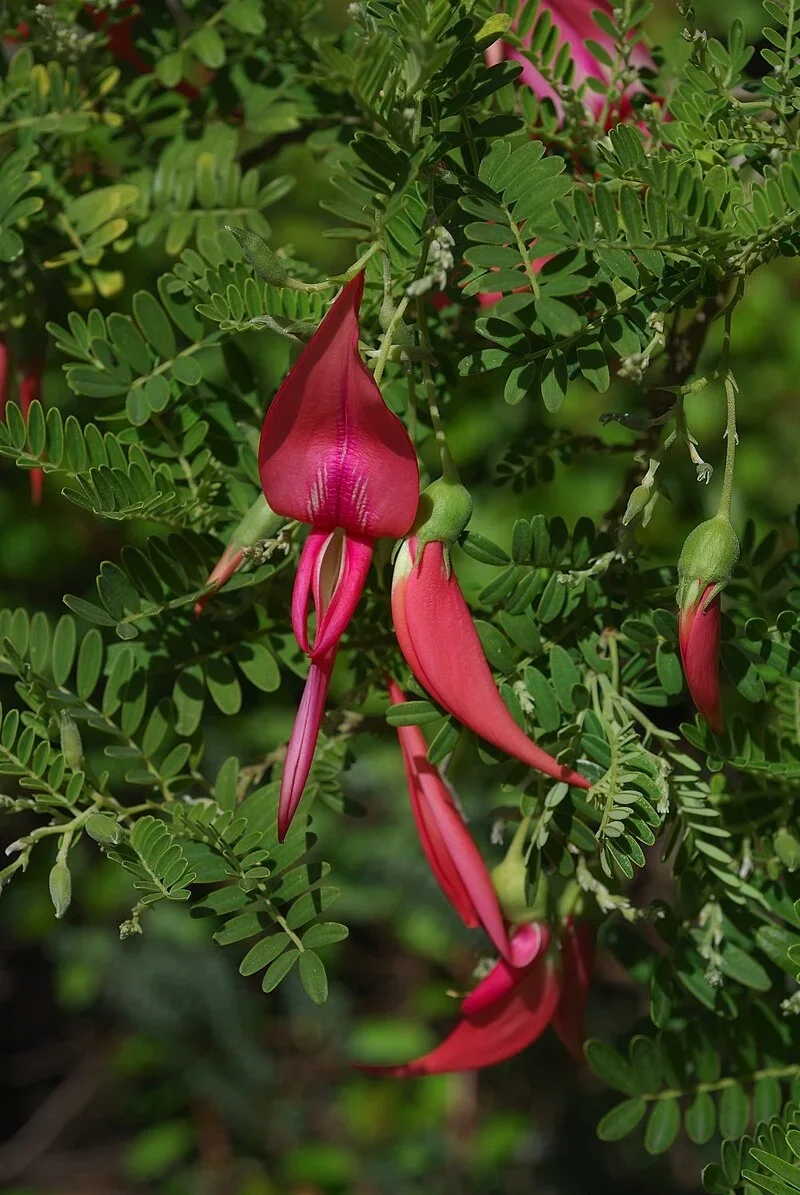
Clianthus puniceus
Clianthus puniceus
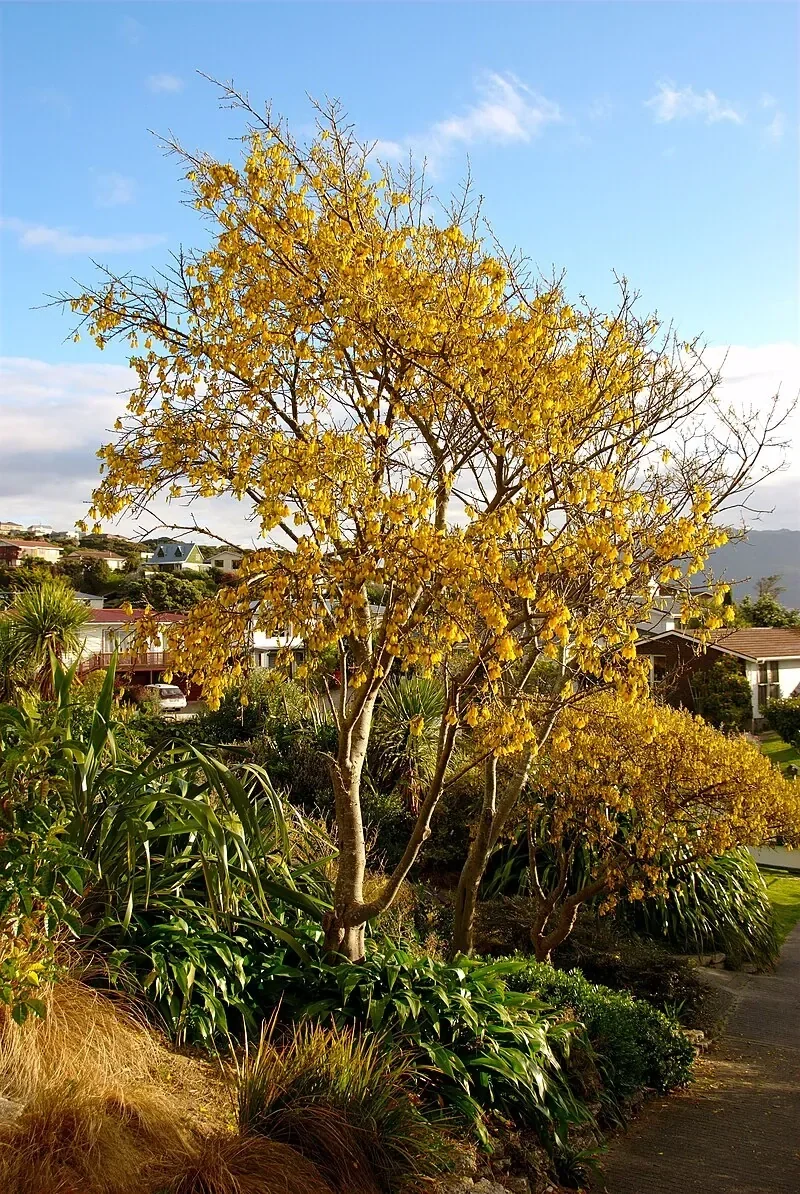
Sophora microphylla
Sophora microphylla
Plant Conservation
Conservation Status and Threats
As an introduced and widely cultivated species, Celosia argentea does not have a conservation status in New Zealand. It is not considered invasive in the New Zealand climate, as it cannot survive the winter frost. However, its value as a global food crop makes the preservation of its diverse wild and landrace varieties in its native Africa important for food security.