Fan-Leaf Speargrass
Aciphylla subflabellata
Last updated:
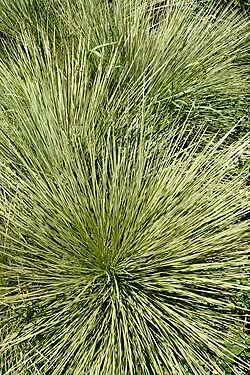
Aciphylla subflabellata, known as fan-leaf speargrass, is a spiny, tufted alpine perennial of the South Island high country. It forms dense rosettes of leathery, fan-shaped (subflabellate) leaves 30 to 70 cm tall, each segment tipped with a needle-sharp spine that deters browsing. In summer, from December to February, stout flower stalks rise to about 1 metre bearing umbels of small yellow flowers, with male and female flowers on separate plants. It grows naturally on dry alluvial terraces, rolling slopes and intermontane basins between roughly 300 and 1400 metres, and is classed At Risk - Declining. Gardeners value it for its sculptural form and extreme frost hardiness on sharply drained soil in full sun. Explore more native plants such as Anomalous Speargrass.
Plant Description
Identification and Physical Characteristics
Aciphylla subflabellata is a stout herbaceous perennial that forms dense, tufted rosettes. Its leaves are coriaceous (leathery), typically reaching up to 80 cm in length, and are narrowly subflabellate-bipinnate, meaning they are divided in a somewhat fan-shaped arrangement. Each leaf segment ends in a needle-sharp spine, a characteristic defense of the speargrass genus. Flowering occurs from December to February, with tall, stout stems rising up to 1 meter in height. These bear compound umbels of small yellow flowers. As a dioecious species, it has separate male and female plants. The resulting fruits are winged schizocarps dispersed by the wind across the high-country plains and terraces.
Quick Facts
| Scientific Name | Aciphylla subflabellata |
|---|---|
| Height | 30-70 cm foliage; flower spikes to ~1 m |
| Spread | 30-80 cm clumps |
| Water Needs | Low to moderate - keep crowns on sharp drainage |
| Light | Full sun and exposed ridgelines |
| Frost Tolerance | High; bred for cold alpine winters |
| Salt Tolerance | Low; prefers inland alpine air |
| Growth Rate | Slow - forms sculptural rosettes over many seasons |
| Lifespan | Long-lived perennial |
Climate Best Suited to
Aciphylla subflabellata is well adapted to various New Zealand regions.
Regional Suitability
| City | Climate Suitability |
|---|---|
| Auckland | High |
| Wellington | High |
| Christchurch | Medium |
Plant Habitat
Natural Occurrence and Ecology
Fan-leaf Speargrass occupies a specific ecological niche in the montane to subalpine zones of the South Island, typically found between 300 and 1400 meters above sea level. Its natural habitat includes dry, open sites such as alluvial terraces, gentle rolling slopes, and intermontane basins. It is often found growing among tussocks or on the margins of grey scrub, sometimes establishing its deep taproot in colluvium or near rock outcrops. This species is highly resilient to the extreme conditions of its mountain home, including gale-force winds, intense UV radiation, and severe winter frosts, where it prefers well-drained, dry mineral soils.
Growing Requirements
Soil Requirements
Prefers well-draining soil rich in organic matter.
- Well-drained
- Loamy
Light Requirements
Grows best in partial to full sun.
- Full Sun
- Partial Shade
Water Requirements
Requires regular watering during dry periods.
- Regular
- Drought tolerant once established
Planting and Establishing
Establishment Guidance
Establishing Fan-leaf Speargrass in a garden requires replicating its dry, well-drained mountain environment. It must be planted in a very free-draining, gritty or sandy soil mix to prevent root and crown rot, which is its primary vulnerability in cultivation. Choose an open, sunny position with excellent airflow and low humidity. Dig a hole twice the width of the root ball and ensure the crown is slightly elevated to encourage rapid water runoff. Provide regular watering during its first summer to help the young plant establish its taproot, after which it becomes very drought-tolerant and requires almost no ongoing maintenance.
Ecological Role
Biodiversity and Ecosystem Impact
In its native ecosystems, Aciphylla subflabellata plays a vital role as a significant pollen and nectar source for specialized alpine invertebrates. It is one of the speargrass species that supports the critically endangered Canterbury Knobbed Weevil, which relies entirely on Aciphylla for its life cycle. The formidable spiny foliage also provides essential protection for smaller, more palatable native herbs and grasses, creating stable micro-habitats within the tussockland. Like other speargrasses, its sharp spines likely evolved as a defense mechanism against browsing by extinct birds, contributing to the unique character and resilience of New Zealand's mountain biodiversity.
Uses & Significance
Garden Uses
Fan-leaf Speargrass is an exceptional sculptural specimen for rock gardens, gravel gardens, and specialized alpine troughs. Its rigid, fan-shaped rosettes and greyish-green foliage provide an unparalleled architectural element that represents the rugged beauty of the South Island high-country. It is perfect for adding textural contrast to softer native plants like Celmisia or small tussock grasses. Because of its relatively compact size and ease of cultivation in well-drained sites, it is a highly desirable plant for those wishing to establish a piece of New Zealand's wild heritage in a manageable garden scale.
- Architectural rock gardens
- Specialized alpine troughs
Ecological Value
Ecologically, it is a key species for high-altitude stabilization and restoration projects, particularly on the alluvial terraces of the central South Island. It supports local biodiversity by providing habitat and resources for specialized native fauna and contributes to the overall stability and health of the mountain ecosystems where it naturally occurs.
- Knobbed weevil support
- Soil stabilization
Landscaping Uses
In contemporary native landscape design, the Fan-leaf Speargrass offers a bold and rugged sculptural element that remains visually interesting throughout the year. Its rigid, radiating habit and unique texture provide a sense of structure and authenticity in mountain-themed or xeriscape designs. It is most effective when planted in small, irregular groups among large natural boulders or mass-planted on dry, sunny banks where its dramatic flower stalks can be showcased in the summer. Its long-lived nature ensures it remains a stable and significant feature of the garden landscape for decades, providing a durable vertical highlight.
Seasonal Care Calendar
Spring
The start of the active growth phase. Check for any winter debris caught in the rosette and gently remove it. This is the best time to apply a very light dressing of organic native fertilizer around the base.
- Fertilize
- Mulch
Summer
Produces impressive flower stalks in early summer. Provide deep watering during prolonged summer dry spells to maintain mat health, ensuring the crown remains dry to prevent any risk of rot from humidity.
- Water
- Check for pests
Autumn
The winged seeds mature and are dispersed by the wind in autumn. This is a good time to tidy the surrounding rock mulch and ensure the site remains free-draining before the onset of the alpine winter rains.
- Prune lightly
- Plant new specimens
Winter
Naturally very frost-hardy and snow-tolerant. Requires minimal care during the winter months; simply avoid any heavy disturbance to the root zone while the ground is frozen to protect the dormant crown.
- Frost protection
When to Prune and How Much
Fan-leaf Speargrass requires very little conventional pruning. The dead leaves that accumulate at the base are a natural part of its habit and help protect the crown from temperature extremes. In a garden setting, individual dead or damaged leaves can be carefully removed to maintain a cleaner appearance. This should be done using sharp scissors or shears to keep a safe distance from the spiny tips. Always wear heavy-duty leather gloves and eye protection when working with this plant, as the needle-sharp spines can easily cause painful wounds.
- Remove dead branches
Always use clean, sharp tools.
How to Grow Fan-Leaf Speargrass
Growing Fan-leaf Speargrass ( Aciphylla subflabellata ) from seed is the most reliable method of propagation. This specialized perennial has a deep taproot and a single-crown habit that makes vegetative division difficult and highly risky. Success depends on sourcing fresh seed and providing the cool, high-light, and perfectly drained conditions it experiences in its native Southern Alps home.
From Seed
Seeds should be collected in late summer or autumn when the winged schizocarps are dry and ready for dispersal. For the best germination results, sow the seeds fresh onto the surface of a gritty, free-draining seed-raising mix. They benefit from a period of cold stratification to break dormancy. Placing the sown trays in a cool, bright outdoor position over winter allows natural temperature fluctuations to trigger germination in the spring. Patience is required as germination can sometimes be slow.
Sow fresh seeds in a seed-raising mix.
- Collect seeds
- Sow in trays
Keep moist until germination.
From Cuttings
Vegetative propagation via cuttings is not possible for this species. While extremely old plants might occasionally develop multiple crowns that could theoretically be divided, the risk of rot and fatal damage to the primary root system is very high. Focusing on seed propagation ensures healthy plants with strong taproots that can establish successfully in their permanent alpine garden positions. This method also helps maintain the genetic diversity of the species, which is important for conservation-minded gardeners.
Take semi-hardwood cuttings in late summer.
- Take cuttings
- Use rooting hormone
Additional Methods
Depending on the growth habit of Aciphylla subflabellata , other methods such as division or layering might also be viable options. Division is particularly suitable for plants that form dense clumps or have spreading root systems, while layering can be used for species with trailing or flexible stems.
Young speargrasses are slow-growing and vulnerable to browsing by hares and rabbits before their protective spines fully develop and harden. Protect new plantings with wire mesh or other deterrents in areas where these animals are present. A top-dressing of crushed rock or gravel around the base of the plant will help keep the foliage clean and provide a naturalistic mountain appearance that complements the plant's unique form.
- Divide clumps
- Replant immediately
Pests & Diseases
Fan-leaf Speargrass is remarkably resistant to most common garden pests once its sharp spines have developed. The most significant threat is root and crown rot, caused by poor drainage, stagnant water, or excessive humidity. In early growth, newly emerging leaves may be targeted by slugs or snails before they harden. Choosing a well-ventilated, sunny position with perfect drainage is the best way to ensure the long-term health of this specialized alpine native.
Cultural Significance
The Fan-leaf Speargrass represents the incredible evolutionary specialization of New Zealand's South Island alpine flora. While not as widely known as its larger mainland relatives, it is an integral part of the botanical heritage of the intermontane basins and alluvial terraces. Today, it stands as a symbol of the resilience and unique beauty of our mountain environments, valued by botanists and alpine plant collectors alike for its rugged and distinctive form and its fascinating adaptation to one of the country's most challenging high-altitude climates.
- Traditional medicine
- Crafts
Bonus Tip
To truly showcase the architectural form of Fan-leaf Speargrass, plant it where it will be backlit by the late afternoon sun. The light will highlight the rigid structure of the leaves and the vibrant yellow tones of the spines, creating a stunning visual highlight in the alpine garden.
Related Plants
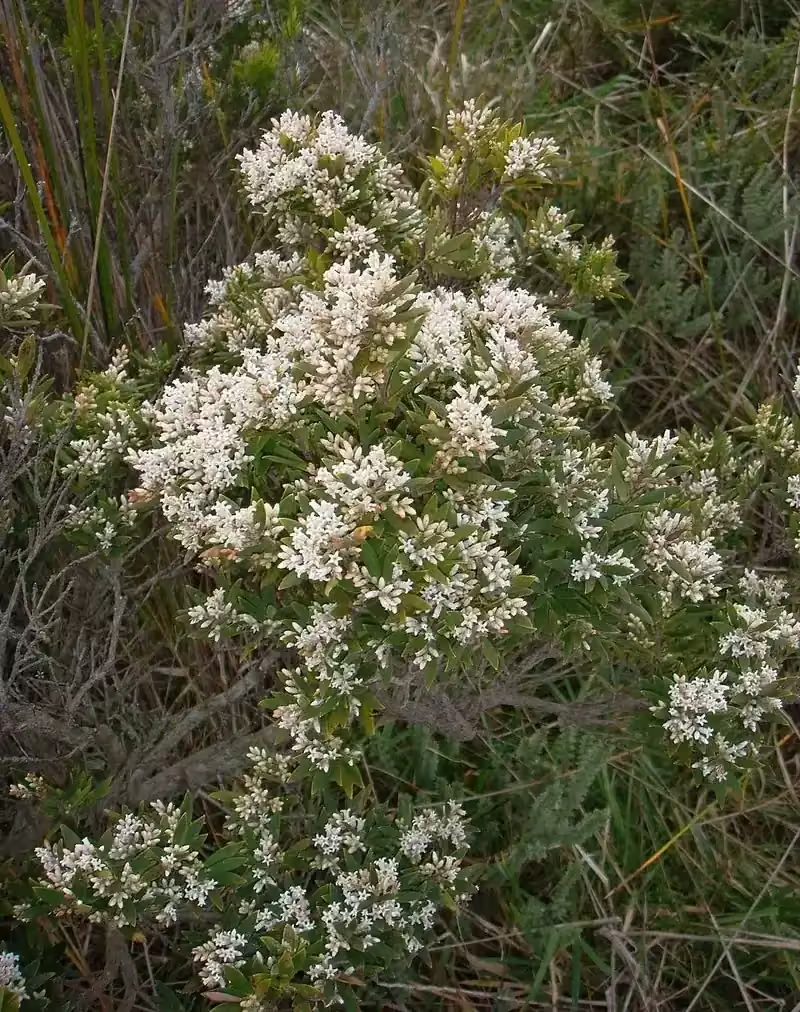
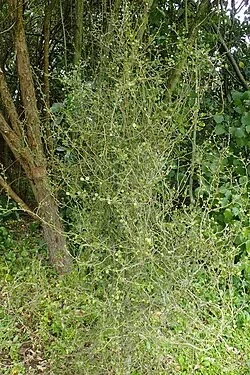
Explore other native plants that share similar characteristics or habitats with Aciphylla Subflabellata ( Aciphylla subflabellata ), offering further insights into New Zealand's diverse flora. These related species provide context and opportunities for complementary planting in your garden.



Plant Conservation
Conservation Status
Currently classified as 'At Risk - Declining' nationally, Fan-leaf Speargrass remains a significant part of the South Island's alpine flora. Its populations have been impacted by habitat modification for pastoral farming and heavy browsing by introduced mammals like rabbits and hares. Protecting intact alpine herbfields and intermontane basins from excessive grazing and weed invasion is essential for ensuring this iconic species continues to thrive across its natural range. The preservation of its diverse habitats is key to the ongoing success of this endemic speargrass species.
Frequently Asked Questions
How tall does fan-leaf speargrass grow?
Its leaves form rosettes 30 to 70 cm tall, and the summer flower spikes rise to about 1 metre.
Does Aciphylla subflabellata tolerate frost?
Yes, it is highly frost hardy and adapted to cold alpine winters in the South Island high country.
Where does fan-leaf speargrass grow naturally?
It grows in montane to subalpine sites in the South Island, on dry terraces and slopes between about 300 and 1400 metres.
How fast does fan-leaf speargrass grow?
It grows slowly, forming its sculptural rosettes over many seasons.
Sources and Further Reading
The botanical, growing, and conservation details for Fan-Leaf Speargrass (Aciphylla subflabellata) on this page draw on authoritative New Zealand plant references and citizen-science observation records. Consult the sources below for full technical records and the latest distribution data.