Lyall's Tree Daisy
Olearia lyallii
Last updated:
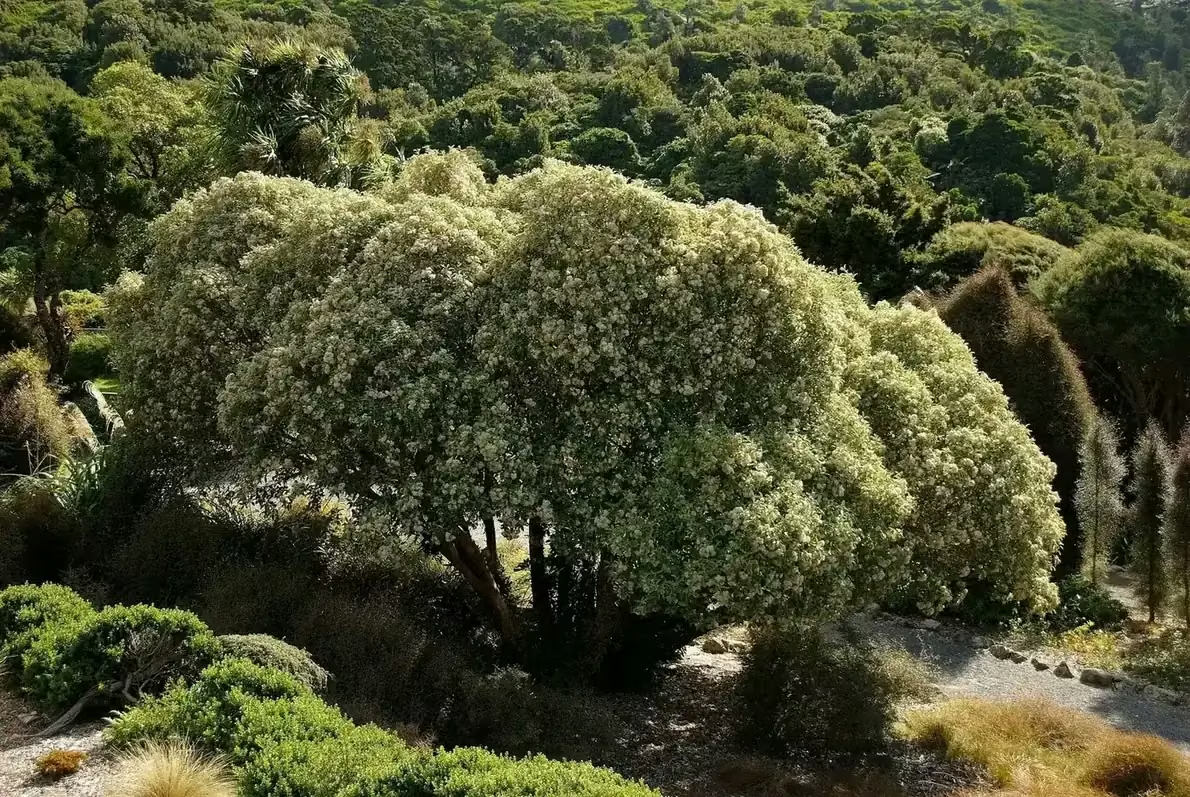
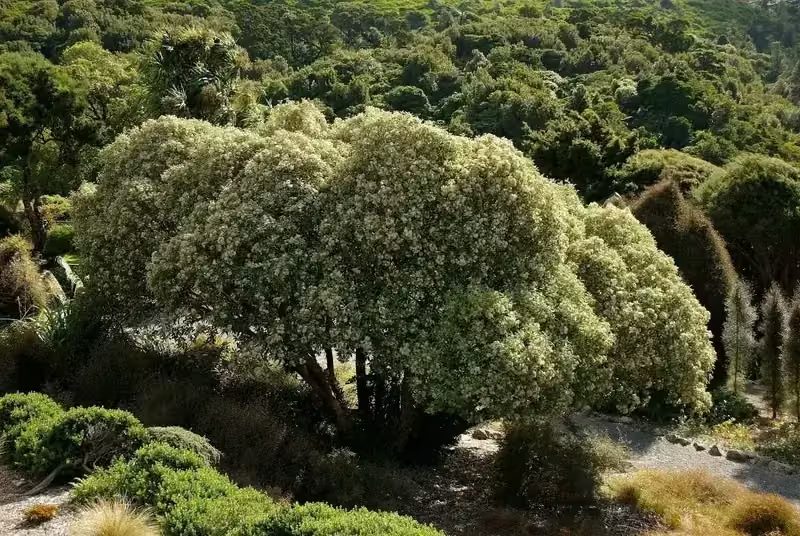
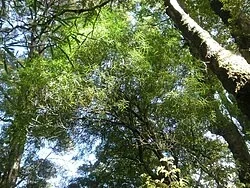
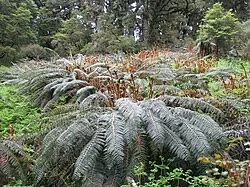
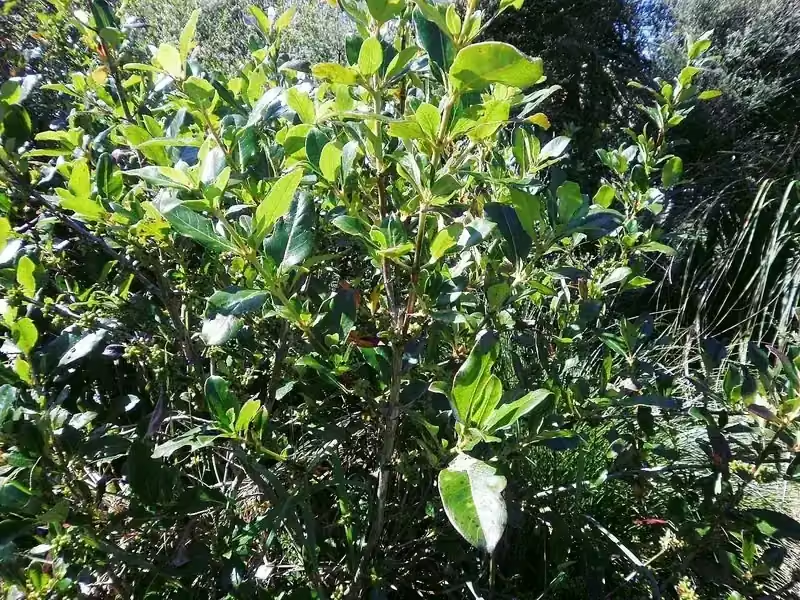
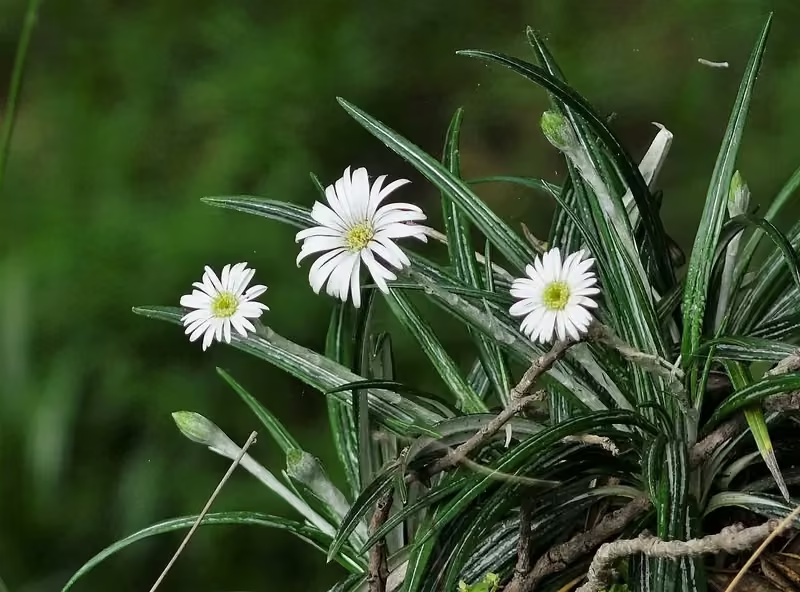
Lyall's Tree Daisy (Olearia lyallii) is a distinctive large-leaved tree daisy associated with New Zealand's subantarctic islands and southern coastal forests, including Rakiura and the outer islands. It forms a spreading shrub or small tree, typically 2 to 8 metres tall, with simple, alternate leaves that are leathery above and felted beneath, and heads of white ray florets with yellowish discs. Growing in sunny, wind-exposed coastal sites, it is highly tolerant of salt spray and wind and helps shape the wind-shorn canopies of these southern forests. Slow to moderate growing and long-lived, it is used in coastal restoration where its hardy, sheltering form is valued. Explore more native plants such as Dryland Tree Daisy.
Plant Description
Identification and Physical Characteristics
Simple, alternate leaves; daisy heads with white ray florets and yellowish discs. Inspect leaf texture, venation and hairiness to distinguish from allied coastal Olearia species.
Cultivating this species effectively involves a deep understanding of its natural adaptations and environmental preferences. By mimicking its native habitat-whether that be the cool, moist understory of a temperate rainforest or the exposed, well-drained slopes of an alpine range-gardeners can ensure robust growth and long-term health. Regular observation and minimal, targeted intervention are often the best strategies for maintaining the unique characteristics and ecological contributions of this remarkable New Zealand native plant.
Quick Facts
| Scientific Name | Olearia lyallii |
|---|---|
| Height | 2-8 m (varies with site) |
| Spread | Forms clumps or patches |
| Water Needs | Moderate; avoid waterlogging |
| Light | Full sun |
| Frost Tolerance | Moderate |
| Salt Tolerance | Moderate to high (coastal species) |
| Growth Rate | Slow to moderate |
| Lifespan | Long-lived perennial |
Climate Best Suited to
Olearia lyallii is well adapted to various New Zealand regions.
Regional Suitability
| City | Climate Suitability |
|---|---|
| Auckland | High |
| Wellington | High |
| Christchurch | Medium |
Plant Habitat
Natural Occurrence and Ecology
occurs in natural habitats characteristic of Aotearoa, forming part of distinctive plant communities where site stress and local disturbance shape vegetation patterns. On the coast it occupies sunny, wind‑prone sites with sandy or rocky substrates, where salt‑laden air and periodic drought limit competition. These preferences explain its patchy distribution and sensitivity to changes in hydrology, competition and disturbance regimes. Olearia lyallii
Growing Requirements
Soil Requirements
Prefers well-draining soil rich in organic matter.
- Well-drained
- Loamy
Light Requirements
Grows best in partial to full sun.
- Full Sun
- Partial Shade
Water Requirements
Requires regular watering during dry periods.
- Regular
- Drought tolerant once established
Planting and Establishing
Establishment Guidance
Plant Olearia lyallii in a hole twice the width of the root ball.
Proper establishment is key to long-term success. Ensure the planting hole is twice as wide as the root ball and backfill with a mix of native soil and organic compost. Initial watering should be thorough, followed by regular monitoring during the first two growing seasons to ensure the plant becomes well-anchored and resilient to local climate fluctuations.
Ecological Role
Biodiversity and Ecosystem Impact
Provides habitat and food for native fauna.
This species plays a vital role in its local ecosystem, providing essential habitat and food sources for native biodiversity. Its presence supports complex ecological interactions, contributing to the overall health and stability of the environment. By planting this native, you help maintain the intricate web of life that defines New Zealand's unique natural heritage.
Uses & Significance
Garden Uses
Ideal for rock gardens and native borders.
- Rock gardens
- Ground cover
Ecological Value
Supports local pollinators.
- Birds
- Insects
The versatility of this plant makes it a valuable addition to many New Zealand gardens. Beyond its aesthetic appeal, it offers practical benefits such as soil stabilization and shelter for smaller plants. Its historical and modern uses highlight its enduring importance in both traditional practices and contemporary landscape design, making it a thoughtful choice for any restoration or gardening project.
Landscaping Uses
Adds texture and form to modern landscapes.
In a landscape setting, this plant provides excellent structure and year-round interest. Its unique form and foliage can be used to create focal points or as a cohesive element in a larger native planting scheme. It pairs well with other New Zealand natives, allowing for the creation of diverse and resilient garden environments that reflect the natural beauty of Aotearoa.
Seasonal Care Calendar
Spring
Mulch and apply balanced fertilizer.
- Fertilize
- Mulch
Summer
Water deeply during dry spells.
- Water
- Check for pests
Autumn
Tidy up any dead foliage.
- Prune lightly
- Plant new specimens
Winter
Protect from heavy frosts if necessary.
- Frost protection
When to Prune and How Much
Minimal pruning required to maintain shape.
- Remove dead branches
Always use clean, sharp tools.
Regular maintenance through careful pruning ensures the plant remains healthy and maintains its desired shape. Focus on removing dead or diseased wood to promote better air circulation and prevent the spread of pathogens. Proper pruning techniques help the plant direct its energy toward new growth, resulting in a more robust and aesthetically pleasing specimen in your garden.
How to Grow Lyall's Tree Daisy
Cultivating Olearia lyallii ( Olearia lyallii ) is a rewarding endeavor for any gardener interested in New Zealand's unique flora. This species can be propagated through several methods, each requiring specific conditions to ensure healthy growth and establishment. Successful propagation depends on mimicking the plant's natural environment and providing consistent care during the early stages of development.
From Seed
Propagation from seed is often the most effective way to produce a large number of Olearia Lyallii plants. Seeds should be collected when they are fully mature. Freshly collected seeds generally have higher germination rates than those that have been stored for long periods.
Sow fresh seeds in a seed-raising mix.
- Collect seeds
- Sow in trays
Keep moist until germination.
From Cuttings
For those wishing to replicate specific characteristics of a parent plant, vegetative propagation via cuttings is the preferred method. This technique ensures that the new plants are genetically identical to the source. Semi-hardwood cuttings taken during the appropriate season usually yield the best results for this species.
Take semi-hardwood cuttings in late summer.
- Take cuttings
- Use rooting hormone
Additional Methods
Depending on the growth habit of Olearia lyallii , other methods such as division or layering might also be viable options. Division is particularly suitable for plants that form dense clumps or have spreading root systems, while layering can be used for species with trailing or flexible stems.
Division can be done in early spring.
- Divide clumps
- Replant immediately
Pests & Diseases
Generally resistant to major pests.
While generally resilient, maintaining optimal growing conditions is the best defense against pests and diseases. Regular monitoring allows for early detection of any issues, which can often be managed through cultural practices or organic interventions. Ensuring good air circulation and appropriate watering will significantly reduce the plant's susceptibility to common environmental stresses and pathogens.
Cultural Significance
As a signature tree daisy of subantarctic and southern coastal forests, Olearia lyallii shapes wind‑shorn canopies and provides seasonal resources for wildlife. Planting eco‑ sourced material in restoration acknowledges local whakapapa and maintains the distinctive character of Rakiura and the outer islands.
- Traditional medicine
- Crafts
Bonus Tip
Excellent for low-maintenance gardens.
For an extra boost, consider applying a thin layer of high-quality organic mulch around the base of the plant. This helps retain soil moisture, suppresses weeds, and gradually improves soil structure as it breaks down. This simple step can make a significant difference in the plant's overall vigor and resilience, especially during periods of extreme weather.
Related Plants
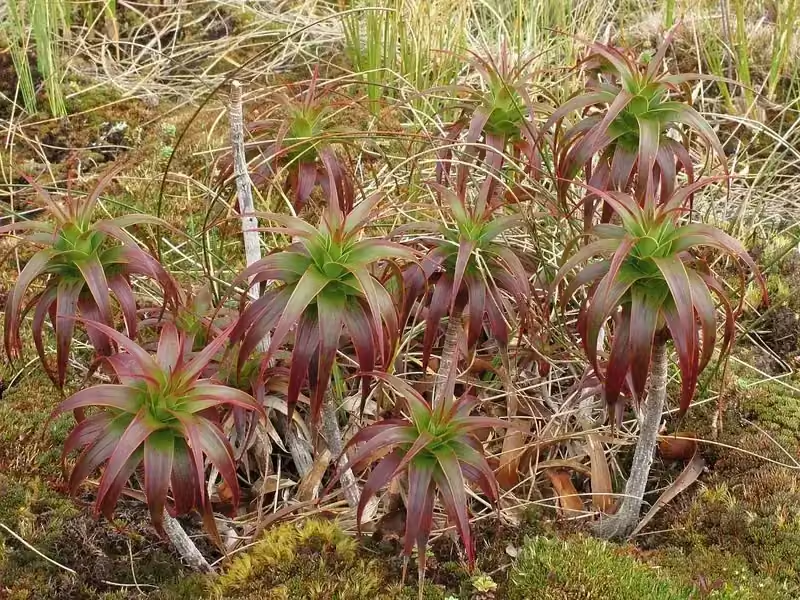
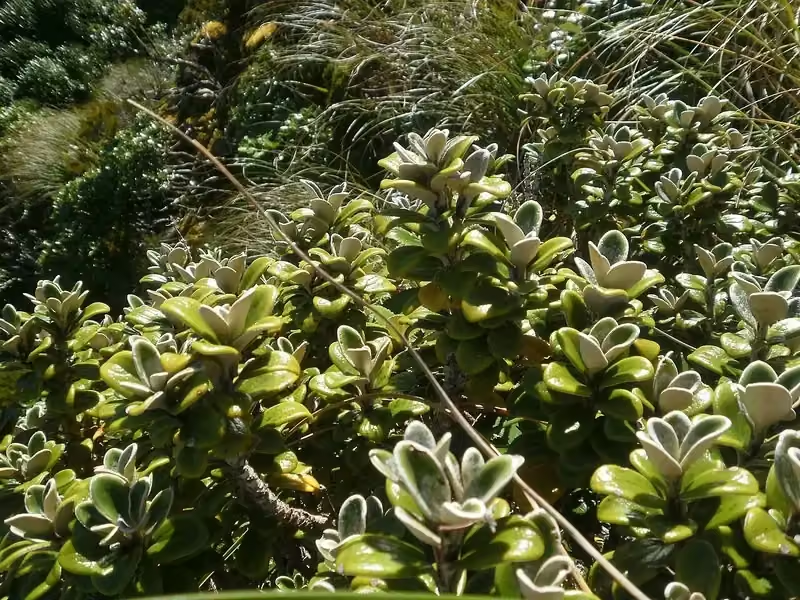
Explore other native plants that share similar characteristics or habitats with Olearia lyallii ( Olearia lyallii ), offering further insights into New Zealand's diverse flora. These related species provide context and opportunities for complementary planting in your garden.


Plant Conservation
Conservation Status
are influenced by land use, browsing and weeds. Protecting intact habitat mosaics, reducing browser pressure, and managing invasive plants sustain recruitment. Where local stands are small or isolated, eco‑sourced augmentation and careful site stewardship help secure long‑term viability. Olearia lyallii Populations of
Frequently Asked Questions
How tall does Lyall's Tree Daisy grow?
Lyall's Tree Daisy typically grows 2 to 8 metres tall, forming a spreading shrub or small tree.
Is Lyall's Tree Daisy suitable for coastal gardens?
Yes, it has moderate to high salt tolerance and withstands strong wind, thriving in exposed coastal conditions.
Where does Lyall's Tree Daisy grow naturally?
It grows in New Zealand's subantarctic and southern coastal forests, including Rakiura and the outer islands.
How fast does Lyall's Tree Daisy grow?
It has a slow to moderate growth rate and is long-lived once established.
Sources and Further Reading
The botanical, growing, and conservation details for Lyall's Tree Daisy (Olearia lyallii) on this page draw on authoritative New Zealand plant references and citizen-science observation records. Consult the sources below for full technical records and the latest distribution data.