Truncate Sedge
Carex decurtata
Last updated:
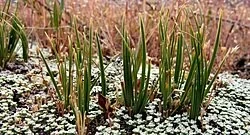
The Truncate Sedge (Carex decurtata) is a tiny, densely tufted perennial sedge endemic to the South Island of New Zealand, forming compact clumps only up to about 70 mm tall. Its rigid, leathery leaves are longer than the stems, bright green to bronze-green, and it produces a crowded head of 3-5 spikes, flowering from October to January. Classified as At Risk - Declining, it grows on the margins of lakes, tarns and rivers in the Mackenzie Basin and surrounding high country, colonising open stony ground and tolerating prolonged immersion as an obligate wetland plant. It is frost hardy, slow-growing, and suited to cool, consistently moist conditions. Explore more native plants such as Carex albula.
Plant Description
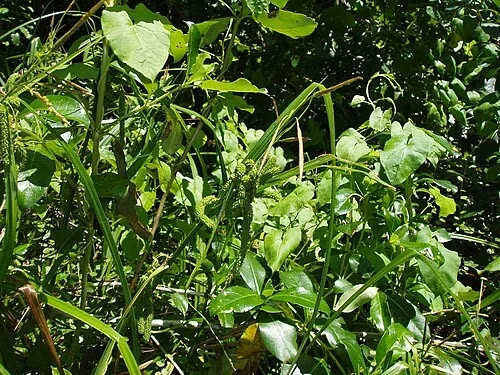
Carex decurtata is characterized by its dense, tufted growth habit, forming compact clumps up to 70 mm in height. The most notable feature of this sedge is its rigid, coriaceous (leathery) leaves, which are considerably longer than its stems, ranging from 30-90 mm in length and 0.5-1 mm in width. These leaves are nearly flat and feature scabrid (rough) margins, tapering to a subacute apex. The foliage colour varies from bright green to bronze-green or yellow-green, often providing seasonal interest. In terms of reproduction, Carex decurtata produces a crowded head of 3-5 spikes, with a terminal male spike and several lower female spikes. The plant flowers from October to January, with fruiting occurring from October to July.
Quick Facts
| Scientific Name | Carex decurtata |
|---|---|
| Height | 0.02-0.07 metres |
| Spread | 0.05-0.1 metres |
| Water Needs | High / Consistently Moist |
| Light | Full Sun to Partial Shade |
| Frost Tolerance | High |
| Salt Tolerance | Low |
| Growth Rate | Slow |
| Lifespan | Perennial |
Climate Best Suited to
Carex decurtata is best suited to cool, temperate climates, particularly those found in the South Island's Mackenzie Basin. It thrives in areas with consistent moisture, such as lake and river margins. While it is tolerant of frost, its diminutive size and preference for open, stony ground make it somewhat sensitive to prolonged dry periods or excessive humidity in warmer climates. Ideal conditions involve cool roots and reliable moisture, typical of its native alpine and subalpine habitats.
Regional Suitability
| City | Climate Suitability |
|---|---|
| Auckland | Poor (too warm/humid) |
| Hamilton | Moderate (needs careful siting) |
| Wellington | Good |
| Christchurch | Excellent |
| Dunedin | Excellent |
| Invercargill | Excellent |
Plant Habitat
This species is endemic to the South Island of New Zealand, predominantly found in the Mackenzie Basin and surrounding high-country areas. It is specifically adapted to the margins of lakes, tarns, and rivers, where it colonizes open stony ground or areas with very sparse vegetation. Its ability to tolerate prolonged water immersion makes it an obligate wetland plant. This specific habitat niche is increasingly threatened by human activities and invasive species, contributing to its declining conservation status.
Growing Requirements
Soil Requirements
Prefers well-drained but consistently moist soils, ideally enriched with organic matter. It thrives in open, stony ground.
- Well-drained loam or sandy loam
- High organic content for moisture retention
- Slightly acidic to neutral pH
- Stony or gravelly substrates tolerated
Light Requirements
Thrives in full sun, where its foliage develops the best colour. Can tolerate partial shade, but may become leggy.
- Full Sun (preferred)
- Partial Shade
- Open exposure
Water Requirements
Requires high, consistent moisture. It needs to be kept moist but not waterlogged to prevent rot. Tolerates periodic immersion.
- Consistently moist soil
- Tolerates water immersion
- Regular watering during dry periods
Planting and Establishing
When planting Carex decurtata , selecting an appropriate site is crucial. Choose a location that mimics its natural habitat: open, stony ground that remains consistently moist. If planting in a garden, integrate plenty of grit or small stones into the soil for drainage, along with organic matter to retain moisture. The ideal time for transplanting is early spring or mid to late autumn, as the milder weather aids establishment. Dig a shallow hole, place the plant ensuring its crown is level with the soil surface, and backfill gently. Water thoroughly immediately after planting to settle the soil around the roots.
Ecological Role
As an indigenous species of the South Island's wetlands, Carex decurtata plays an important ecological role in its specialized habitats. Its dense tufts help to stabilize the loose, stony margins of lakes and rivers, reducing erosion and contributing to sediment control. It also provides micro-habitats and shelter for small invertebrates that are adapted to these unique environments. The plant's seeds contribute to the local food web, supporting granivorous birds and insects. Its decline signals a broader degradation of these specific wetland ecosystems.
Uses & Significance
Garden Uses
Best suited for specialized native plant collections, alpine gardens, or restoration projects in its native range. Can be grown in pots to control conditions.
- Alpine rock gardens
- Pond margins and shallow water
- Container culture for rare plant enthusiasts
- Ecological restoration in the Mackenzie Basin
Ecological Value
A key component of unique South Island wetland ecosystems, vital for biodiversity and habitat integrity.
- Soil stabilization in stony habitats
- Micro-habitat provision for invertebrates
- Food source for native fauna
- Indicator of sensitive wetland health
Landscaping Uses
Due to its "At Risk - Declining" status and specific habitat requirements, Carex decurtata is not generally recommended for broad landscaping use. Its value lies primarily in ecological restoration and for enthusiasts cultivating rare native species. When used in landscaping, it should be in carefully designed bog gardens or alpine areas that can replicate its cool, moist, and stony environment. Its compact form and unique foliage can offer textural contrast in a specialized native planting display.
Seasonal Care Calendar
Spring
As new growth emerges, ensure consistent moisture and apply a very light native plant fertilizer if needed.
- Monitor soil moisture
- Apply slow-release native fertilizer
- Divide established plants
Summer
Maintain high moisture levels, especially in dry, warm periods. Protect from intense heat.
- Ensure consistent watering
- Provide afternoon shade in hot climates
- Collect seeds as they ripen
Autumn
Ideal time for planting new specimens or sowing fresh seeds to benefit from winter chilling.
- Plant new Carex decurtata
- Sow fresh seeds
- Clean up any dead or yellowing foliage
Winter
The plant is frost-hardy and will remain evergreen. Ensure roots do not freeze solid for extended periods in containers.
- Protect container plants from extreme cold
- Ensure soil remains moist
- Minimal maintenance required
When to Prune and How Much
Carex decurtata requires minimal pruning. Its tidy, tufted habit generally maintains itself.
- Remove any dead or yellowing leaves as needed to maintain appearance
- Trim back old flower stalks after seeds have dispersed
- Avoid severe cutbacks; trim only to remove unsightly growth
Light grooming with scissors or by hand is usually sufficient to keep this sedge looking its best and prevent any build-up of old foliage.
How to Grow Truncate Sedge
Cultivating Carex decurtata , a rare and declining native sedge of New Zealand's South Island, offers a rewarding experience for dedicated gardeners and conservationists. Due to its "At Risk" status, growing this plant can contribute to its preservation. Success hinges on recreating its natural habitat: open, stony ground with consistent moisture. Propagation is primarily achieved through division of established plants or from fresh seeds, both methods requiring careful attention to detail to ensure healthy establishment.
From Seed
Propagating Carex decurtata from seed is an excellent way to produce new plants, especially for conservation purposes. Collect seeds from mature plants between October and July, ensuring they are ripe and dry. Fresh seed generally has the highest viability.
Seeds of Carex decurtata benefit from cold stratification to break dormancy. Sow seeds in autumn onto a well-drained, gritty seed-raising mix that is kept consistently moist. Place the seed trays outdoors in a sheltered spot, allowing them to experience natural winter temperatures. Alternatively, seeds can be stratified artificially by placing them in a damp paper towel within a sealed plastic bag in a refrigerator for 4-6 weeks before spring sowing. Light is often required for germination, so sow thinly and do not bury seeds too deeply.
- Collect fresh, mature seeds in late autumn or early winter.
- Sow thinly on a moist, gritty seed-raising mix.
- Lightly cover with sand or fine grit.
- Place outdoors for natural stratification or cold-stratify in a refrigerator.
- Keep consistently moist until germination, typically in spring.
Once seedlings emerge, grow them on in trays for a season before transplanting into individual pots or their final location. Handle young seedlings carefully to avoid damage to their delicate root systems.
From Cuttings
Like many sedges, Carex decurtata is not propagated by stem cuttings. The most effective vegetative propagation method is division. This approach yields genetically identical plants to the parent and is generally faster than growing from seed for individual specimens.
Division should ideally be performed in early spring or mid to late autumn, when the plant is not actively flowering or producing seeds. Carefully lift an established clump using a spade or garden fork. Gently tease apart smaller sections from the main clump, ensuring each division has a healthy root system and some foliage. Avoid over-dividing the plant, as larger sections tend to establish more successfully. Replant the divisions immediately into prepared sites or pots, ensuring the crown is at soil level, and water thoroughly.
- Lift healthy clumps in early spring or autumn.
- Divide sections with roots and foliage carefully.
- Replant immediately in a moist, well-drained medium.
- Ensure new divisions are kept moist and protected during establishment.
Additional Methods
Container cultivation is highly recommended for Carex decurtata , especially for gardeners outside its natural range or those looking to closely monitor its specific needs. Using a small pot filled with a mix of gritty compost and sand allows for precise control over moisture and substrate conditions. The pot can be placed in a shallow tray of water to ensure continuous hydration, mimicking the lakeside environments it inhabits. This method also helps protect the plant from competition with more vigorous garden species.
Pests & Diseases
Carex decurtata is generally robust against most pests and diseases when grown in suitable conditions. The primary threat to its health is improper watering-either prolonged drought or excessive waterlogging without adequate air circulation can lead to stress or root rot. In very humid or crowded conditions, fungal issues like rust may occasionally appear on foliage. Aphids or scale insects are rare but can be managed with organic pest control methods if they become problematic. Good air circulation and proper moisture management are key to keeping this sedge healthy.
Cultural Significance
While specific traditional Māori uses for Carex decurtata are not widely documented due to its localized and often remote South Island distribution, all native sedges hold ecological and cultural significance in Te Ao Māori (the Māori worldview). They are integral to the health of wetlands and waterways, representing the interconnectedness of nature. Protecting species like Carex decurtata aligns with the principles of kaitiakitanga (guardianship) for the environment and its unique biodiversity.
- Part of the natural heritage of the Mackenzie Basin
- Represents unique adaptations to stony wetland habitats
- Symbol of environmental fragility and the need for conservation
Bonus Tip
For those cultivating Carex decurtata in a pot, consider top-dressing with small, flat river stones or gravel. This not only helps retain moisture and keeps the crown cool but also replicates its natural stony habitat, enhancing its aesthetic appeal and contributing to its well-being.
Related Plants
Explore other native plants that share similar characteristics or habitats with Carex decurtata , offering further insights into New Zealand's diverse flora. These related species provide context and opportunities for complementary planting in your garden.




Plant Conservation
Carex decurtata is currently listed as "At Risk - Declining" under the New Zealand Threat Classification System. This vulnerable status is largely due to habitat loss and degradation in its endemic range, particularly the Mackenzie Basin. Threats include changes in hydrology from canalization, agricultural development (especially dairy farming), and increased competition from invasive exotic weed species. Conservation efforts focus on protecting its remaining natural habitats and, where possible, through careful cultivation and reintroduction programs.
Frequently Asked Questions
How big does Carex decurtata get?
It is a very small sedge, forming compact tufts only up to about 70 mm tall.
Where does the Truncate Sedge grow naturally?
It is endemic to the South Island, mainly the Mackenzie Basin, on stony margins of lakes, tarns and rivers.
What is the conservation status of Carex decurtata?
It is classified as At Risk - Declining in New Zealand.
When does the Truncate Sedge flower?
It flowers from October to January, producing a crowded head of three to five spikes.
Sources and Further Reading
The botanical, growing, and conservation details for Truncate Sedge (Carex decurtata) on this page draw on authoritative New Zealand plant references and citizen-science observation records. Consult the sources below for full technical records and the latest distribution data.